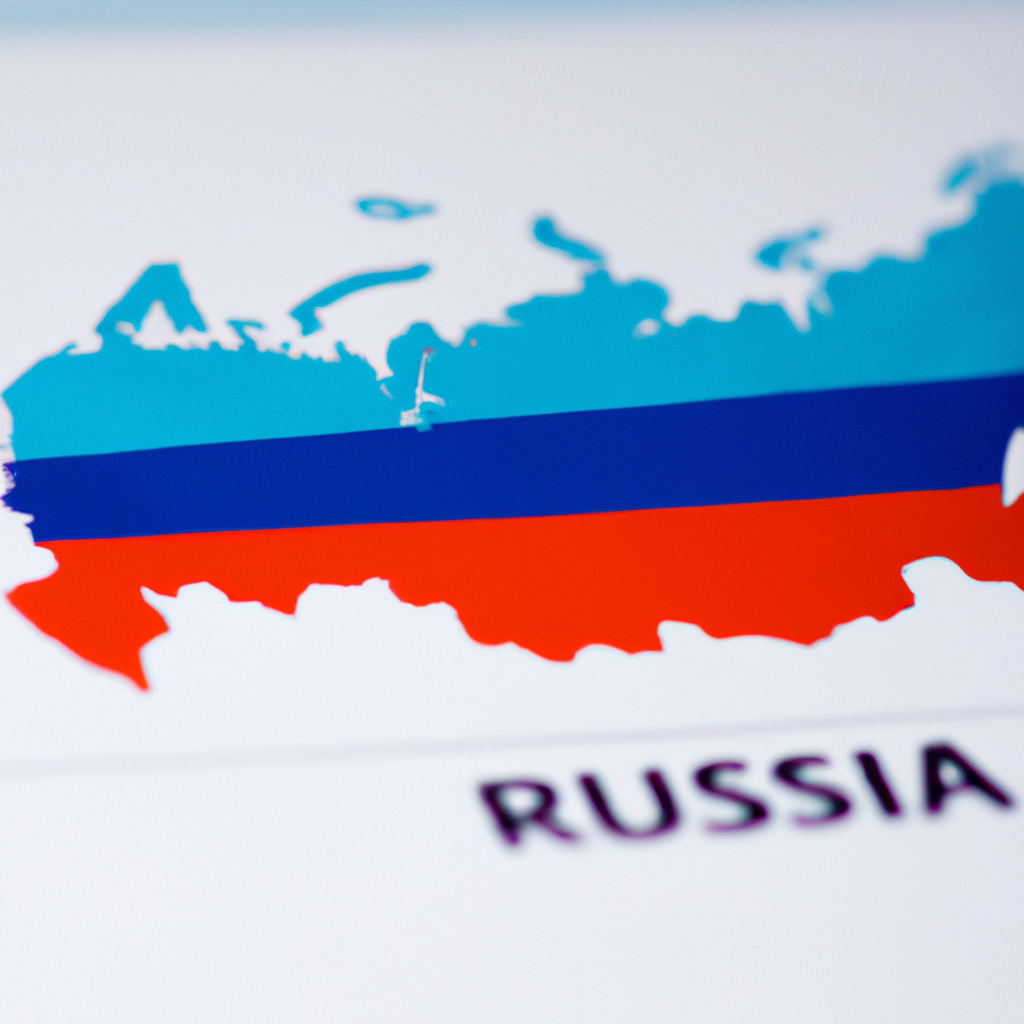
Russian Siberian Region:

Post ByAdequate Travel
Summary
The Russian Siberian region is a vast expanse of uninhabited wilderness, with vast forests, stately mountains, and numerous rivers. It is an area full of natural wonders and cultural heritage, both contemporary and ancient. Russian Siberia has been the home of indigenous peoples for centuries and it is still a hidden gem waiting to be explored! Before embarking on your journey to russia, make sure to check the latest travel guidelines and entry requirements to ensure a smooth tripRussian Siberian Region
1. Overview:
The Siberian region is a vast and sparsely populated area in Russia, covering about 77% of the country's total land area. It is located in the northern part of Asia and is bordered by the Ural Mountains in the west and the Pacific Ocean in the east.
2. Climate:
Siberia has a predominantly continental climate, characterized by long and cold winters with temperatures dropping below -30°C (-22°F) and short, relatively warm summers with temperatures ranging from 20-25°C (68-77°F). The region experiences extreme temperature variations throughout the year.
3. Geography:
Siberia is known for its diverse geographical features, including vast taiga forests, tundra in the northern regions, numerous rivers (such as the Ob, Yenisei, and Lena), and the famous Lake Baikal, the deepest freshwater lake in the world. The mountainous region of Altai is also located in Siberia.
4. Natural Resources:
Siberia is incredibly rich in natural resources. It has vast reserves of oil, natural gas, coal, gold, diamonds, and various minerals. These resources play a crucial role in Russia's economy, making Siberia an important region in terms of energy production and mining.
5. Indigenous Peoples:
The Siberian region is home to various indigenous ethnic groups, including the Yakuts, Evenks, Buryats, and Nenets, among others. These groups have distinct cultures, languages, and traditions that are closely tied to the natural environment of Siberia.
6. Economic Activities:
Agriculture, mining, logging, and energy production are the primary economic activities in Siberia. The region is known for its extensive agricultural activities, especially in areas with milder climates. Mining and energy industries, such as oil and gas extraction, are significant contributors to the region's economy.
7. Environmental Challenges:
Siberia faces various environmental challenges, including deforestation, pollution from industrial activities, and the impacts of climate change. The melting of permafrost, which covers a large part of Siberia, poses significant risks to infrastructure and ecosystems in the region.
Overall, the Russian Siberian region is a vast and diverse area with unique climatic, geographic, and cultural aspects. It plays a crucial role in Russia's economy due to its rich natural resources and is home to various indigenous communities with their own distinct traditions and way of life.
Travellers can find valuable travel information for tourists, such as local customs, must-see attractions, and dining recommendations, to make the most of their trip.Suggested Questions
You may also like

Traditional Dishes of Portugal You Must Eat On Christmas
Christmas in Portugal is a magical, tasty time of year. What to eat on Christmas in Portugal, there are many options available for you. While the country is full of Michelin starred eateries and innovative chefs offering delicious food year-round, … Continue reading
The post Traditional Dishes of Portugal You Must Eat On Christmas appeared first on World Tour & Travel Guide, Get Travel Tips, Information, Discover Travel Destination | Adequate Travel.
Read More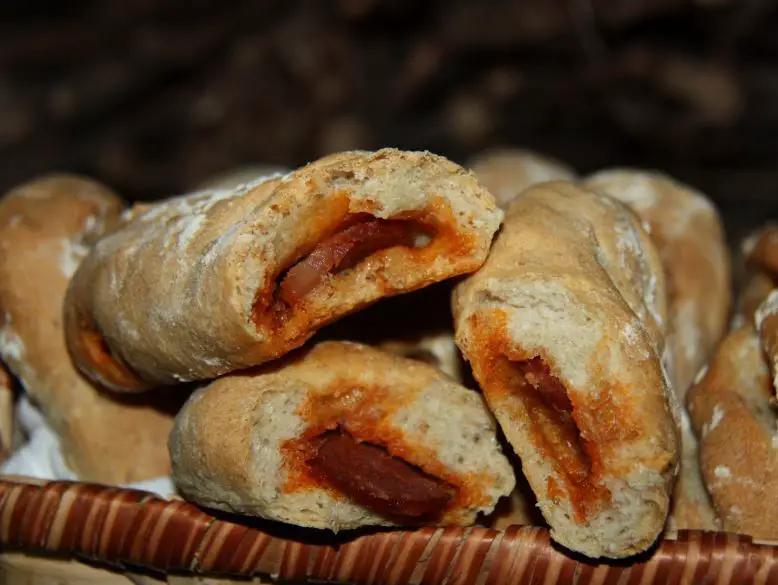
10 Most Famous Street Food in Lisbon, Portugal
When we think of the best Portuguese street food Lisbon, we think of vintage food trucks and hot dogs in buns. In Lisbon, it’s all about the cafés and pastelarias (pastry shops). Choosing what to eat can be intimidating at … Continue reading
The post 10 Most Famous Street Food in Lisbon, Portugal appeared first on World Tour & Travel Guide, Get Travel Tips, Information, Discover Travel Destination | Adequate Travel.
Read More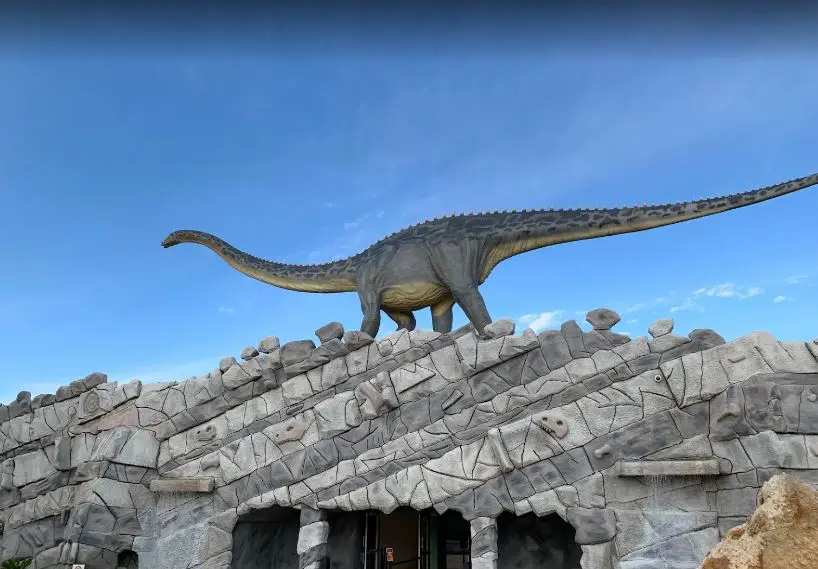
Best Theme Parks in Lisbon Portugal | Popular Amusement Parks in Lisbon
If you love to explore the joy of experiencing different rides or love going to theme parks then Lisbon offers you with a wide range of parks where you can go and enjoy with your family and friends. This list … Continue reading
The post Best Theme Parks in Lisbon Portugal | Popular Amusement Parks in Lisbon appeared first on World Tour & Travel Guide, Get Travel Tips, Information, Discover Travel Destination | Adequate Travel.
Read More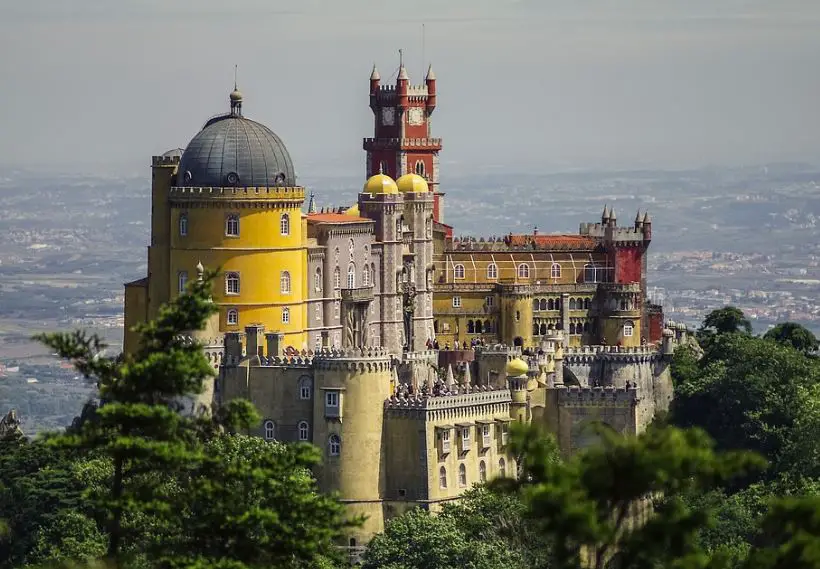
Best Cities to Visit in Portugal | Major Cities in Portugal
This article has been written for you if you’re looking for some cool cities to visit in Portugal. Lisbon is an incredible city. Its lifestyle, history, and rich culture are unique and you will love every minute you will be … Continue reading
The post Best Cities to Visit in Portugal | Major Cities in Portugal appeared first on World Tour & Travel Guide, Get Travel Tips, Information, Discover Travel Destination | Adequate Travel.
Read More
10 Best Beaches in Lisbon | Beautiful Beaches Near Lisbon to Visit, Portugal
Lisbon is surrounded by four amazing coastlines that are distinctively famous for different beach activities in Portugal. This city is washed up by the Tagus river which provides coarse sand to the amazing beaches of Lisbon. The river later ends … Continue reading
The post 10 Best Beaches in Lisbon | Beautiful Beaches Near Lisbon to Visit, Portugal appeared first on World Tour & Travel Guide, Get Travel Tips, Information, Discover Travel Destination | Adequate Travel.
Read More
Top 10 Foods to Try in Lisbon | Famous Foods of Lisbon Portugal
Lisbon offers a wide range of flavours in its incredible meals that you must not miss if you ever visit this city. Since the city is well-known for its port and freshly caught seafood that usually people consider as one … Continue reading
The post Top 10 Foods to Try in Lisbon | Famous Foods of Lisbon Portugal appeared first on World Tour & Travel Guide, Get Travel Tips, Information, Discover Travel Destination | Adequate Travel.
Read More
The 12 Famous Monuments in Lisbon Portugal | Most Visited Monuments in Lisbon
Portugal’s hilly capital, the coastal city of Lisbon is the westernmost capital of Europe. Colourful and historic, the city is teeming with life in every corner, and every person and structure has a story to tell that will reveal secrets … Continue reading
The post The 12 Famous Monuments in Lisbon Portugal | Most Visited Monuments in Lisbon appeared first on World Tour & Travel Guide, Get Travel Tips, Information, Discover Travel Destination | Adequate Travel.
Read More
Most Visited Monuments in Portugal l Famous Monuments in Portugal
Portugal is definitely a novel place to be and a remarkable sight to see. With a trove of deep-rooted traditions and celebrated cultures, a visit to the monuments in Portugal departs from the humdrum sightseeing tours to bring you an … Continue reading
The post Most Visited Monuments in Portugal l Famous Monuments in Portugal appeared first on World Tour & Travel Guide, Get Travel Tips, Information, Discover Travel Destination | Adequate Travel.
Read More
Top 10 Unusual Places to Explore In Portugal
If you’re planning to explore the best but unusual places to visit in Portugal, a European country, and you don’t want your trip to consist of the same old stuff then you have come to the right place. Such as … Continue reading
The post Top 10 Unusual Places to Explore In Portugal appeared first on World Tour & Travel Guide, Get Travel Tips, Information, Discover Travel Destination | Adequate Travel.
Read More
Top Popular Summer Festivals in Portugal Not to Miss
Most villages and towns in Portugal have their own traditional festival (Festa) or pilgrimage (romaria). These famous summer festivals in Portugal celebrate history, religion and culture. There are also some great contemporary events throughout the year, including music festivals, sand … Continue reading
The post Top Popular Summer Festivals in Portugal Not to Miss appeared first on World Tour & Travel Guide, Get Travel Tips, Information, Discover Travel Destination | Adequate Travel.
Read More