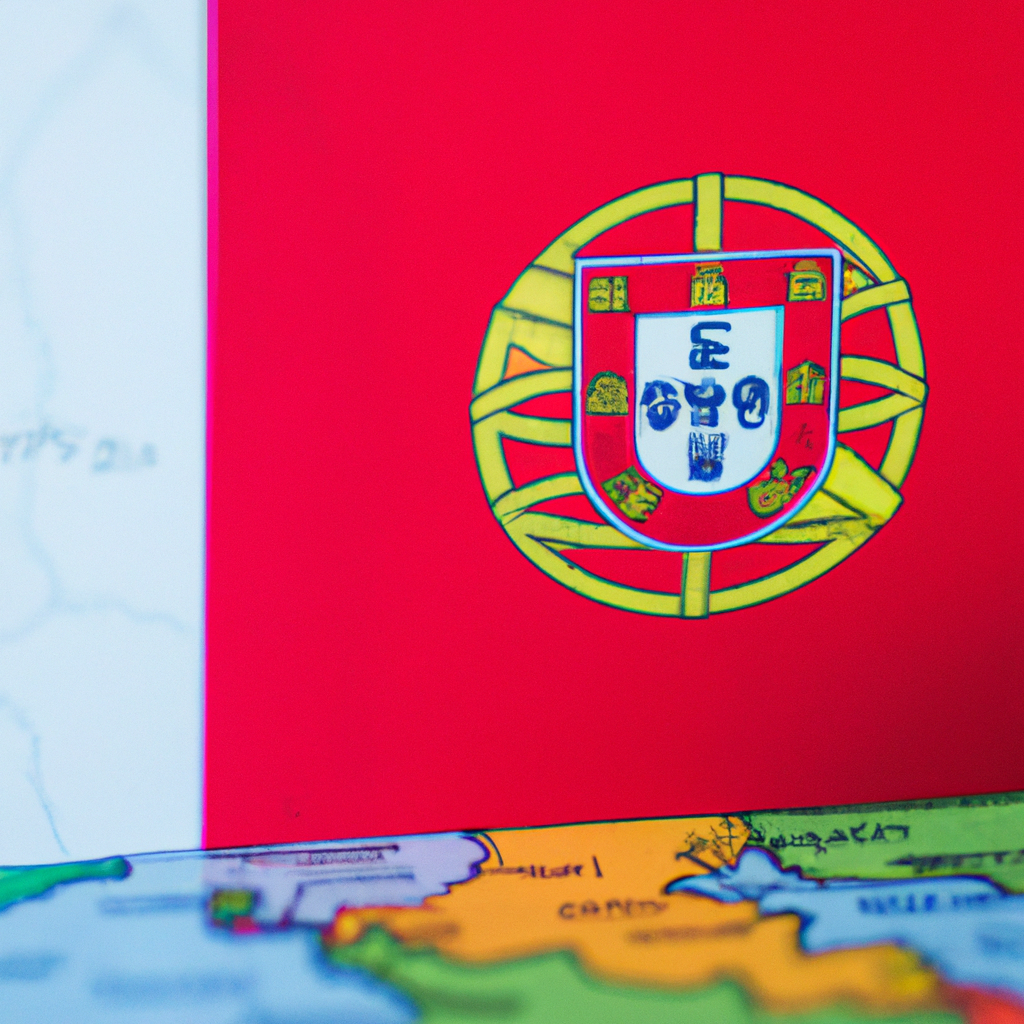
Are there endangered species in Portuguese national parks?

Post ByAdequate Travel
Summary
Going on a vacation to Portugal and exploring its national parks could make for great memories - however, some of the wildlife in these protected areas is facing an uncertain future. Learn more about the endangered species of Portuguese national parks and how their protection is being addressed. As you prepare for your journey, familiarize yourself with the specific entry requirements, including any necessary visas or documentation.Endangered Species in Portuguese National Parks
Portugal is home to several national parks that encompass diverse habitats and provide refuge to numerous plant and animal species. Unfortunately, some of these species are considered endangered and are in need of conservation efforts to ensure their survival. Here are examples of endangered species found in Portuguese national parks:
1. Iberian Lynx
The Iberian Lynx (Lynx pardinus) is one of the most endangered wild cats in the world. It is native to the Iberian Peninsula, including areas within Portuguese national parks. Loss of habitat, decline in prey species, and road accidents pose significant threats to their population, making conservation programs crucial for their survival.
2. Iberian Wolf
The Iberian Wolf (Canis lupus signatus) is a subspecies of the gray wolf and is found in northwestern Portugal within national parks. Habitat fragmentation, illegal hunting, and conflicts with human activities have led to a decline in their numbers, warranting conservation actions to protect this apex predator.
3. Bonelli's Eagle
Bonelli's Eagle (Aquila fasciata) is a raptor species that inhabits various Portuguese national parks. Loss of suitable nesting sites, disturbance, and poisoning from pesticides all contribute to their endangerment. Conservation measures focus on protection of nesting areas and ensuring a safe environment for their survival.
4. Mediterranean Monk Seal
The Mediterranean Monk Seal (Monachus monachus) is one of the rarest seal species in the world and can occasionally be found along the Portuguese coast, adjacent to national parks. Overfishing, habitat degradation, and disturbance have critically threatened their population. Conservation efforts aim to protect their colonies, reduce human disturbances, and address threats from fishing activities.
5. Iberian Chameleon
The Iberian Chameleon (Chamaeleo chamaeleon) is a reptile species native to southwestern Europe, including parts of Portugal. Habitat loss and degradation, primarily due to urbanization and agriculture, have led to a decline in their numbers. Conservation initiatives focus on preserving their habitats and raising public awareness about their importance.
These examples represent only a few of the endangered species found in Portuguese national parks. Efforts are being made by conservation organizations, park authorities, and local communities to protect and restore habitats, raise awareness, and implement sustainable practices to safeguard these species and their ecosystems.The place is known for its rich history and culture, welcomes tourists with open arms. However, be sure to review the travel advisory and travel warnings to ensure a safe and enjoyable experience.Suggested Questions
You may also like

Traditional Dishes of Portugal You Must Eat On Christmas
Christmas in Portugal is a magical, tasty time of year. What to eat on Christmas in Portugal, there are many options available for you. While the country is full of Michelin starred eateries and innovative chefs offering delicious food year-round, … Continue reading
The post Traditional Dishes of Portugal You Must Eat On Christmas appeared first on World Tour & Travel Guide, Get Travel Tips, Information, Discover Travel Destination | Adequate Travel.
Read More
10 Most Famous Street Food in Lisbon, Portugal
When we think of the best Portuguese street food Lisbon, we think of vintage food trucks and hot dogs in buns. In Lisbon, it’s all about the cafés and pastelarias (pastry shops). Choosing what to eat can be intimidating at … Continue reading
The post 10 Most Famous Street Food in Lisbon, Portugal appeared first on World Tour & Travel Guide, Get Travel Tips, Information, Discover Travel Destination | Adequate Travel.
Read More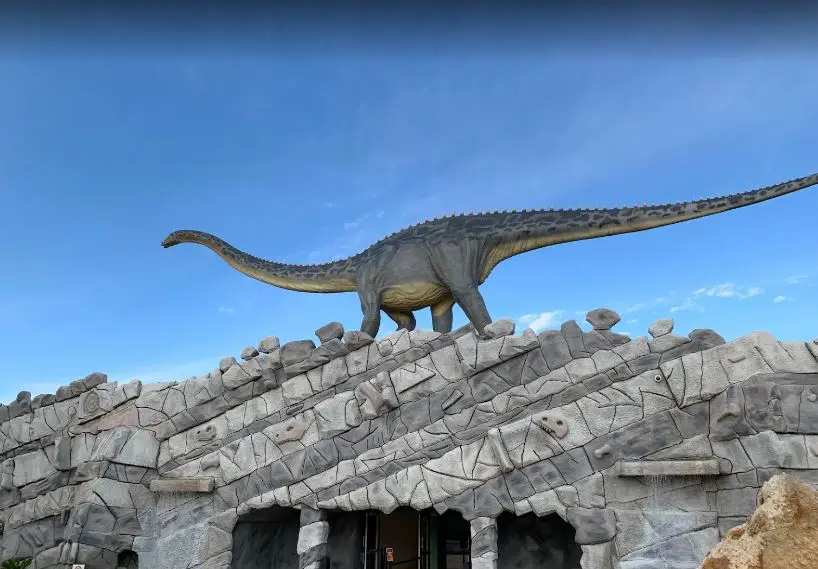
Best Theme Parks in Lisbon Portugal | Popular Amusement Parks in Lisbon
If you love to explore the joy of experiencing different rides or love going to theme parks then Lisbon offers you with a wide range of parks where you can go and enjoy with your family and friends. This list … Continue reading
The post Best Theme Parks in Lisbon Portugal | Popular Amusement Parks in Lisbon appeared first on World Tour & Travel Guide, Get Travel Tips, Information, Discover Travel Destination | Adequate Travel.
Read More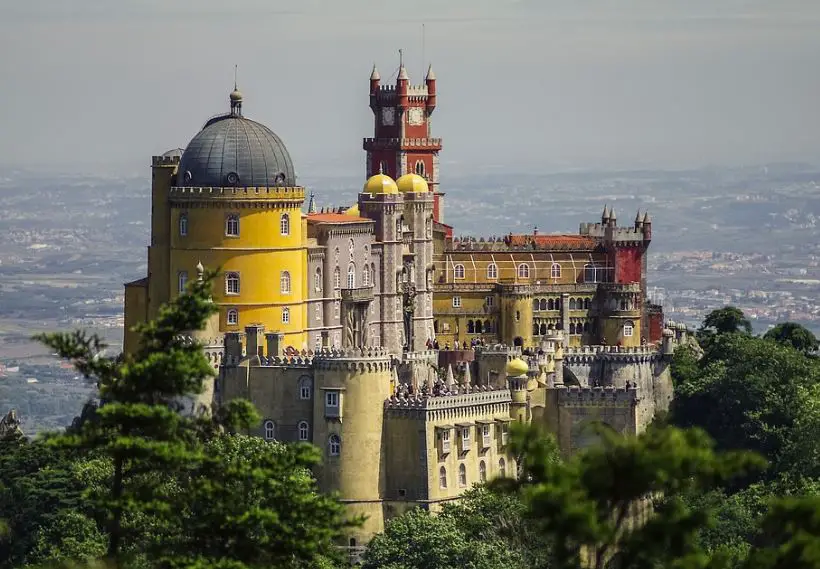
Best Cities to Visit in Portugal | Major Cities in Portugal
This article has been written for you if you’re looking for some cool cities to visit in Portugal. Lisbon is an incredible city. Its lifestyle, history, and rich culture are unique and you will love every minute you will be … Continue reading
The post Best Cities to Visit in Portugal | Major Cities in Portugal appeared first on World Tour & Travel Guide, Get Travel Tips, Information, Discover Travel Destination | Adequate Travel.
Read More
10 Best Beaches in Lisbon | Beautiful Beaches Near Lisbon to Visit, Portugal
Lisbon is surrounded by four amazing coastlines that are distinctively famous for different beach activities in Portugal. This city is washed up by the Tagus river which provides coarse sand to the amazing beaches of Lisbon. The river later ends … Continue reading
The post 10 Best Beaches in Lisbon | Beautiful Beaches Near Lisbon to Visit, Portugal appeared first on World Tour & Travel Guide, Get Travel Tips, Information, Discover Travel Destination | Adequate Travel.
Read More
Top 10 Foods to Try in Lisbon | Famous Foods of Lisbon Portugal
Lisbon offers a wide range of flavours in its incredible meals that you must not miss if you ever visit this city. Since the city is well-known for its port and freshly caught seafood that usually people consider as one … Continue reading
The post Top 10 Foods to Try in Lisbon | Famous Foods of Lisbon Portugal appeared first on World Tour & Travel Guide, Get Travel Tips, Information, Discover Travel Destination | Adequate Travel.
Read More
The 12 Famous Monuments in Lisbon Portugal | Most Visited Monuments in Lisbon
Portugal’s hilly capital, the coastal city of Lisbon is the westernmost capital of Europe. Colourful and historic, the city is teeming with life in every corner, and every person and structure has a story to tell that will reveal secrets … Continue reading
The post The 12 Famous Monuments in Lisbon Portugal | Most Visited Monuments in Lisbon appeared first on World Tour & Travel Guide, Get Travel Tips, Information, Discover Travel Destination | Adequate Travel.
Read More
Most Visited Monuments in Portugal l Famous Monuments in Portugal
Portugal is definitely a novel place to be and a remarkable sight to see. With a trove of deep-rooted traditions and celebrated cultures, a visit to the monuments in Portugal departs from the humdrum sightseeing tours to bring you an … Continue reading
The post Most Visited Monuments in Portugal l Famous Monuments in Portugal appeared first on World Tour & Travel Guide, Get Travel Tips, Information, Discover Travel Destination | Adequate Travel.
Read More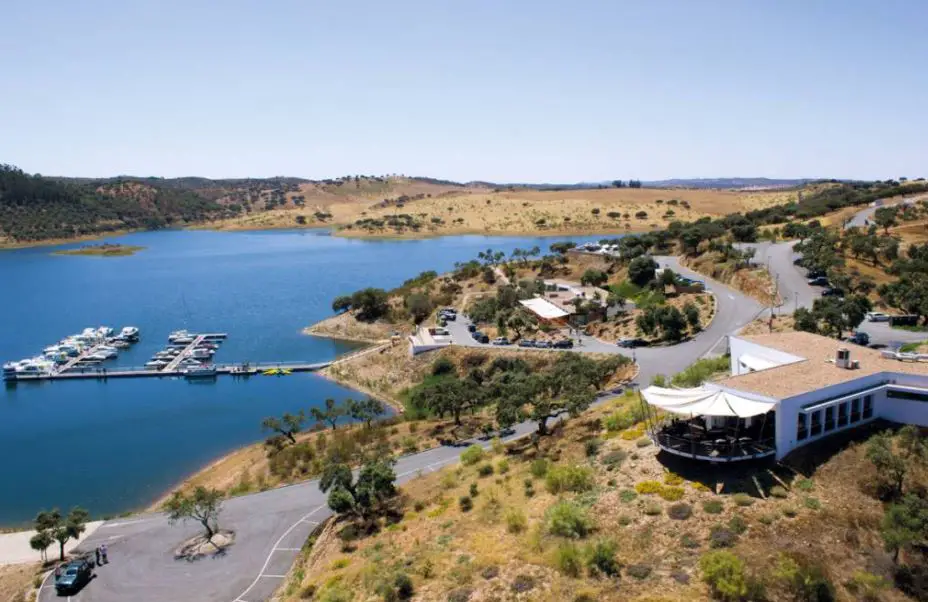
Top 10 Unusual Places to Explore In Portugal
If you’re planning to explore the best but unusual places to visit in Portugal, a European country, and you don’t want your trip to consist of the same old stuff then you have come to the right place. Such as … Continue reading
The post Top 10 Unusual Places to Explore In Portugal appeared first on World Tour & Travel Guide, Get Travel Tips, Information, Discover Travel Destination | Adequate Travel.
Read More
Top Popular Summer Festivals in Portugal Not to Miss
Most villages and towns in Portugal have their own traditional festival (Festa) or pilgrimage (romaria). These famous summer festivals in Portugal celebrate history, religion and culture. There are also some great contemporary events throughout the year, including music festivals, sand … Continue reading
The post Top Popular Summer Festivals in Portugal Not to Miss appeared first on World Tour & Travel Guide, Get Travel Tips, Information, Discover Travel Destination | Adequate Travel.
Read More