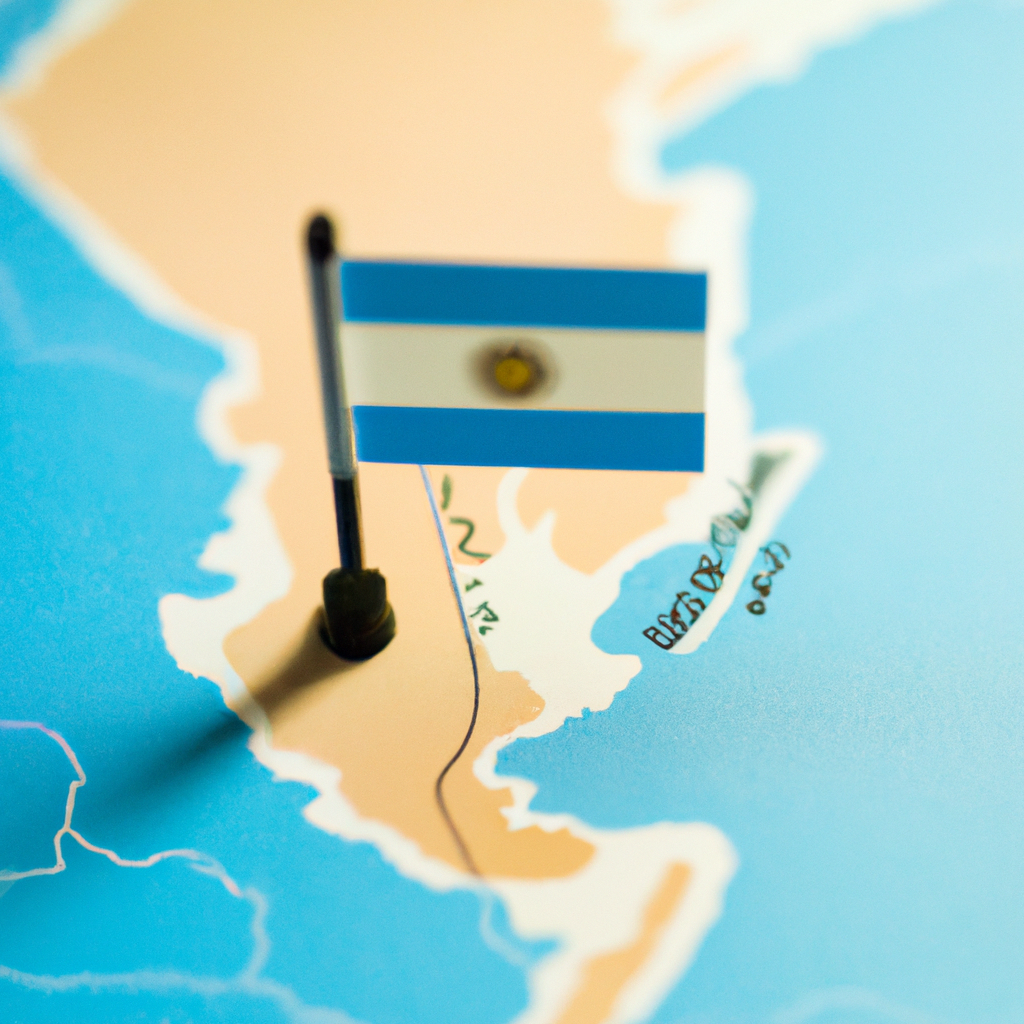
How do I navigate the local transportation options within Buenos Aires?

Post ByAdequate Travel
Summary
Navigating the various transportation options in Buenos Aires can be overwhelming when you're first starting out. In this blog article, we'll provide you with a comprehensive guide to the local transportation options available in Buenos Aires, from buses to subways to taxis and more. Follow along to learn more about how you can maximize your travel experience in the city. The place is known for its rich history and culture, welcomes tourists with open arms. However, be sure to review the travel advisory and travel warnings to ensure a safe and enjoyable experience.1. Public transportation
Public transportation is the most common and affordable way to get around Buenos Aires. There are several options available:
Subway (Subte)
The subway network in Buenos Aires consists of six lines labeled A to H. Each line is identified by a different color, making it easy to navigate. The subway operates from 5 am to 10:30 pm on weekdays, and from 6 am to 10:30 pm on weekends and holidays.
Example: To travel from the city center to Palermo, you can take Line D of the subway towards Catedral station and then transfer to Line B toward Callao station.
Buses (Colectivos)
Buenos Aires has an extensive bus network with numerous routes covering almost every corner of the city. Each bus route is indicated by a number and a letter, and the journey cost is relatively low. Buses run 24 hours a day, 7 days a week, but they can be crowded during peak hours.
Example: To reach the Recoleta neighborhood, you can take bus line 17 from the city center.
Trains
Buenos Aires has train connections that can be useful for reaching the suburbs or nearby provinces. The main train stations are Retiro, Constitución, and Once. However, train services are not as frequent as the subway or buses, so it's important to check the schedules beforehand.
Example: To visit Tigre, a popular tourist destination north of Buenos Aires, you can take a train from Retiro station.
2. Taxis
Taxis are abundant in Buenos Aires, and you can easily find them throughout the city. Official taxis are yellow and black, and they are required to use a meter. It is recommended to use official taxis to avoid any potential scams. You can either flag down a taxi on the street or use taxi apps like Uber and Lyft.
Example: You can take a taxi from your hotel to the iconic Obelisco monument located in the city center.
3. Cycling
Buenos Aires has implemented a public bike-sharing system called EcoBici, which allows residents and visitors to rent bicycles for a certain period. There are stations throughout the city where you can pick up and drop off bikes. Cycling is a great way to explore areas with dedicated bike lanes, such as Palermo and Puerto Madero.
Example: Rent a bike from an EcoBici station in Palermo and enjoy a leisurely ride around the beautiful parks and gardens in the neighborhood.
4. Walking
Buenos Aires is a walkable city, especially in central areas like Recoleta, San Telmo, and Microcentro. Many attractions, cafes, and restaurants are within walking distance from each other. Walking allows you to fully appreciate the city's architecture and street art.
Example: Take a stroll along the famous pedestrian street, Calle Florida, and explore its shops and boutiques.
Remember to check for any planned disruptions or changes in transport schedules, especially during weekends or holidays. It's also advisable to carry a map or use GPS navigation apps to assist you in finding the best routes to your desired destinations.As you prepare for your journey, familiarize yourself with the specific entry requirements, including any necessary visas or documentation.Suggested Questions
- Casa de los Mendoza - Salta: Horror Story, History & Paranomial Activities
- Casa de Pepino - Mendoza: Horror Story, History & Paranomial Activities
- Molino Forclaz - Entre Ríos: Horror Story, History & Paranomial Activities
- Parque Lezama - Buenos Aires: Horror Story, History & Paranomial Activities
- Hotel Paris - Buenos Aires: Horror Story, History & Paranomial Activities
- Casino Central - Mar del Plata: Horror Story, History & Paranomial Activities
Questions argentina
You may also like

Top 10 Best Places to Eat in Argentina
As Argentina is known for its diverseness and wonderfulness the same thing applies to its food. In this article, we will discuss the places to eat in Argentina. As it is situated in Latin America but the food here is … Continue reading
The post Top 10 Best Places to Eat in Argentina appeared first on World Tour & Travel Guide, Get Travel Tips, Information, Discover Travel Destination | Adequate Travel.
Read More
Top 10 Things to do in Argentina | What to do in Argentina
This South American goal is prevalent with understudies everywhere throughout the world for both investigation abroad and experience visits. You may ask yourself, what to do in Argentina? Argentina is an enormous South American nation with no deficiency of brave … Continue reading
The post Top 10 Things to do in Argentina | What to do in Argentina appeared first on World Tour & Travel Guide, Get Travel Tips, Information, Discover Travel Destination | Adequate Travel.
Read More
Top 9 Amazing Restaurants in Argentina | Argentina Best Restaurants
Argentina’s chef taking the cooking style of Argentina into the next level, it was observed as more than 14 restaurants are included under top 50 Latin America best eatery list, in this article, we will cover up the best restaurants … Continue reading
The post Top 9 Amazing Restaurants in Argentina | Argentina Best Restaurants appeared first on World Tour & Travel Guide, Get Travel Tips, Information, Discover Travel Destination | Adequate Travel.
Read More
Interesting Facts about Argentina | Argentina Facts and Information
Need to find out about Argentina? Here are interesting facts about Argentina that you most likely didn’t know before reading this. To make this more fun, I need to challenge you too. What number of these Argentina facts did you … Continue reading
The post Interesting Facts about Argentina | Argentina Facts and Information appeared first on World Tour & Travel Guide, Get Travel Tips, Information, Discover Travel Destination | Adequate Travel.
Read More
Famous Monuments in Argentina | Most Visited Monuments in Argentina
Are you planning your trip to Argentina, then I must tell you not to miss the most famous Argentina monuments. Buenos Aires, with its decent variety of European-style architecture, has for quite some time been called ‘the Paris of South … Continue reading
The post Famous Monuments in Argentina | Most Visited Monuments in Argentina appeared first on World Tour & Travel Guide, Get Travel Tips, Information, Discover Travel Destination | Adequate Travel.
Read More
Most Visited Monuments in Buenos Aires | Famous Statues in Buenos Aires, Argentina
Such is the volume of interesting buildings, monuments, and landmarks on offer, sightseeing enthusiasts rarely leave Buenos Aires without taking several rolls of film. The monuments of Buenos Aires are really amazing to visit. The city of Buenos Aires is … Continue reading
The post Most Visited Monuments in Buenos Aires | Famous Statues in Buenos Aires, Argentina appeared first on World Tour & Travel Guide, Get Travel Tips, Information, Discover Travel Destination | Adequate Travel.
Read More
Top 12 Best Cities in Argentina to Visit | Major Cities in Argentina
Argentina is an amazing South American country offering you spectacular views of the scenic natural landscape. The cities of Argentina are a culturally rich country and filled with lots of restaurants and eateries offering tasty traditional dishes that you can … Continue reading
The post Top 12 Best Cities in Argentina to Visit | Major Cities in Argentina appeared first on World Tour & Travel Guide, Get Travel Tips, Information, Discover Travel Destination | Adequate Travel.
Read More
Top 10 Foods in Buenos Aires | Famous Foods To Try in Buenos Aires, Argentina
You can experience the best of everything in Buenos Aires, Argentina. This city delivers some of the tremendous varieties of flavours to explore. You will love the popular foods in Buenos Aires as they cater to every genre of food … Continue reading
The post Top 10 Foods in Buenos Aires | Famous Foods To Try in Buenos Aires, Argentina appeared first on World Tour & Travel Guide, Get Travel Tips, Information, Discover Travel Destination | Adequate Travel.
Read More
Top 8 best cities to enjoy nightlife in Argentina
The first thing that comes to our mind after listening to the word ‘Argentina’ is snow and penguins. However, have you ever heard about the warm and welcoming local people in the country? The chances are slim. The people in … Continue reading
The post Top 8 best cities to enjoy nightlife in Argentina appeared first on World Tour & Travel Guide, Get Travel Tips, Information, Discover Travel Destination | Adequate Travel.
Read More
Top 10 Famous Lakes in Argentina
Argentina is a less known country in South America but its beauty stands out because of the numerous lakes it has. These lakes in Argentina are precisely telling the visitors how beautiful a country could be? There are innumerous beautiful … Continue reading
The post Top 10 Famous Lakes in Argentina appeared first on World Tour & Travel Guide, Get Travel Tips, Information, Discover Travel Destination | Adequate Travel.
Read More