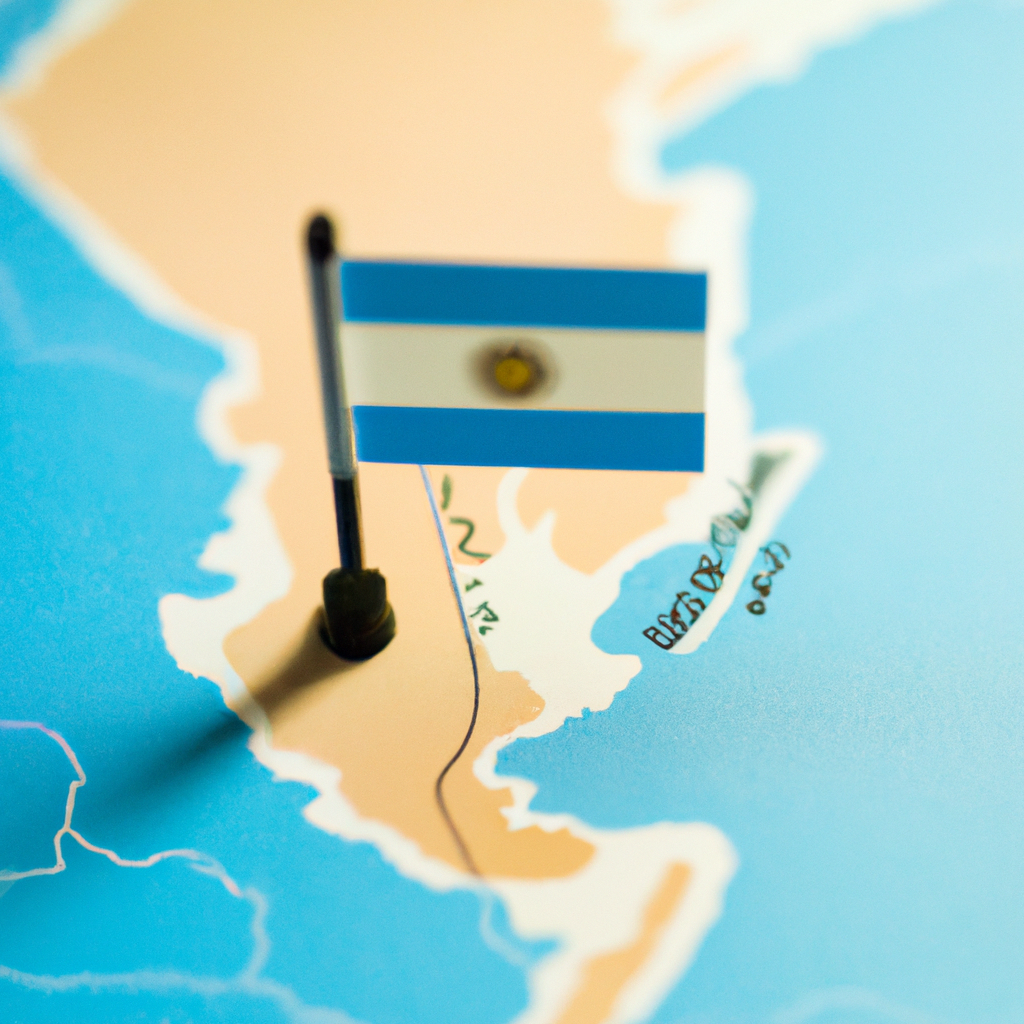
How do I handle altitude sickness in high-altitude regions?

Post ByAdequate Travel
Summary
If you're planning a trip to a high-altitude region, you may be wondering how to prevent and deal with the dreaded altitude sickness. Altitude sickness is a common ailment experienced by travelers to mountainous regions, but there are ways to reduce the risk and minimize the symptoms. This blog will guide you through the steps you can take to stay safe and healthy while high up in the mountains. As you prepare for your journey, familiarize yourself with the specific entry requirements, including any necessary visas or documentation.Handling Altitude Sickness in High-Altitude Regions
Altitude sickness, also known as acute mountain sickness (AMS), can occur when you travel to high-altitude regions where the air pressure is lower and there is less oxygen available. It can range from mild symptoms like headaches and nausea to more severe conditions like high-altitude pulmonary edema (HAPE) and high-altitude cerebral edema (HACE). Here are several ways to handle altitude sickness:
1. Gradual Ascent
When traveling to high-altitude regions, it is important to ascend slowly to allow your body to acclimatize. Give yourself a couple of days to adjust to the altitude before engaging in strenuous activities. For example, if you are hiking in the mountains, plan rest days at intermediate altitudes where you can allow your body to adapt.
2. Stay Hydrated
One of the most crucial steps in handling altitude sickness is to stay properly hydrated. Drink plenty of fluids, preferably water, to avoid dehydration. Avoid excessive alcohol consumption as it can lead to further dehydration and worsen the symptoms of altitude sickness.
3. Avoid Overexertion
Engaging in strenuous activities at high altitudes can increase your risk of altitude sickness. Take it easy and avoid overexertion during the first few days of your arrival. Allow your body to adjust and gradually increase your physical activity over time.
4. Include a Proper Diet
Eating a well-balanced diet rich in carbohydrates can help with altitude sickness. Carbohydrates are easily digestible and provide energy to your body. Include foods like whole grains, fruits, and vegetables in your meals to support your body's adaptation to high altitudes.
5. Medications
In some cases, your healthcare provider may prescribe medications like acetazolamide (Diamox) to prevent or treat altitude sickness. These medications can help with acclimatization and reduce symptoms such as headache and nausea. Consult a healthcare professional before taking any medication.
6. Descend if Symptoms Worsen
If your symptoms of altitude sickness worsen, it is important to descend to lower altitude immediately. Severe forms of altitude sickness like HAPE and HACE require immediate medical attention and descending is essential for recovery. Pay attention to your body's signals and take action accordingly.
7. Oxygen Supplement
In some cases, supplemental oxygen can be used to alleviate symptoms of altitude sickness. This can be particularly helpful in severe cases while awaiting a descent or medical assistance. Portable oxygen cylinders or oxygen concentrators may be available in high-altitude regions or can be carried as a precaution.
Remember that altitude sickness can affect anyone regardless of their fitness level or previous experience with high altitudes. Understanding the symptoms and taking necessary precautions are vital to ensure a safe and enjoyable experience in high-altitude regions.As you prepare for your journey, familiarize yourself with the specific entry requirements, including any necessary visas or documentation.Suggested Questions
- Casa de los Valdez - Santiago del Estero: Horror Story, History & Paranomial Activities
- Parque Lezama - Buenos Aires: Horror Story, History & Paranomial Activities
- La Chacarita Cemetery - Buenos Aires: Horror Story, History & Paranomial Activities
- Estancia El Sauce - Buenos Aires: Horror Story, History & Paranomial Activities
- Casa de los Gemidos - Tucumán: Horror Story, History & Paranomial Activities
- Casa de los Misterios - Salta: Horror Story, History & Paranomial Activities
Questions argentina
You may also like

Top 10 Best Places to Eat in Argentina
As Argentina is known for its diverseness and wonderfulness the same thing applies to its food. In this article, we will discuss the places to eat in Argentina. As it is situated in Latin America but the food here is … Continue reading
The post Top 10 Best Places to Eat in Argentina appeared first on World Tour & Travel Guide, Get Travel Tips, Information, Discover Travel Destination | Adequate Travel.
Read More
Top 10 Things to do in Argentina | What to do in Argentina
This South American goal is prevalent with understudies everywhere throughout the world for both investigation abroad and experience visits. You may ask yourself, what to do in Argentina? Argentina is an enormous South American nation with no deficiency of brave … Continue reading
The post Top 10 Things to do in Argentina | What to do in Argentina appeared first on World Tour & Travel Guide, Get Travel Tips, Information, Discover Travel Destination | Adequate Travel.
Read More
Top 9 Amazing Restaurants in Argentina | Argentina Best Restaurants
Argentina’s chef taking the cooking style of Argentina into the next level, it was observed as more than 14 restaurants are included under top 50 Latin America best eatery list, in this article, we will cover up the best restaurants … Continue reading
The post Top 9 Amazing Restaurants in Argentina | Argentina Best Restaurants appeared first on World Tour & Travel Guide, Get Travel Tips, Information, Discover Travel Destination | Adequate Travel.
Read More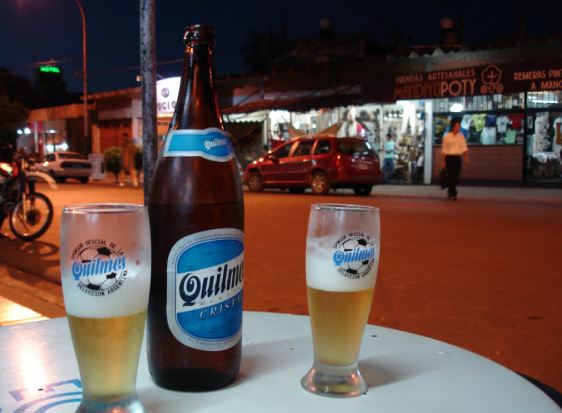
Interesting Facts about Argentina | Argentina Facts and Information
Need to find out about Argentina? Here are interesting facts about Argentina that you most likely didn’t know before reading this. To make this more fun, I need to challenge you too. What number of these Argentina facts did you … Continue reading
The post Interesting Facts about Argentina | Argentina Facts and Information appeared first on World Tour & Travel Guide, Get Travel Tips, Information, Discover Travel Destination | Adequate Travel.
Read More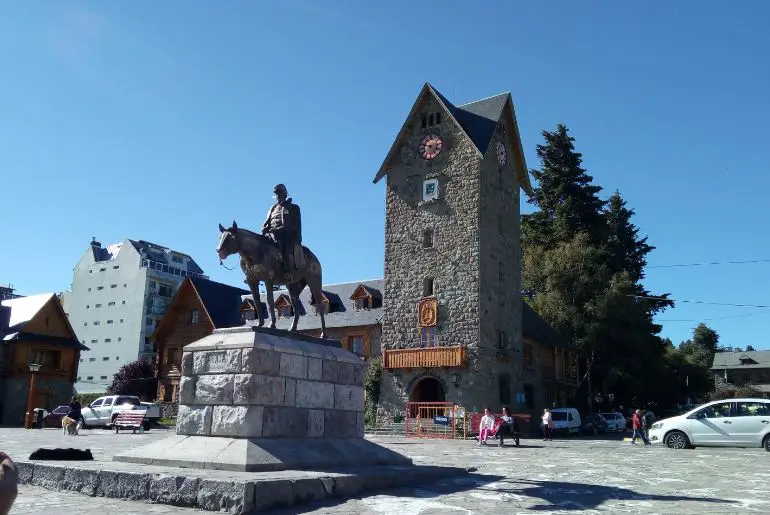
Famous Monuments in Argentina | Most Visited Monuments in Argentina
Are you planning your trip to Argentina, then I must tell you not to miss the most famous Argentina monuments. Buenos Aires, with its decent variety of European-style architecture, has for quite some time been called ‘the Paris of South … Continue reading
The post Famous Monuments in Argentina | Most Visited Monuments in Argentina appeared first on World Tour & Travel Guide, Get Travel Tips, Information, Discover Travel Destination | Adequate Travel.
Read More
Most Visited Monuments in Buenos Aires | Famous Statues in Buenos Aires, Argentina
Such is the volume of interesting buildings, monuments, and landmarks on offer, sightseeing enthusiasts rarely leave Buenos Aires without taking several rolls of film. The monuments of Buenos Aires are really amazing to visit. The city of Buenos Aires is … Continue reading
The post Most Visited Monuments in Buenos Aires | Famous Statues in Buenos Aires, Argentina appeared first on World Tour & Travel Guide, Get Travel Tips, Information, Discover Travel Destination | Adequate Travel.
Read More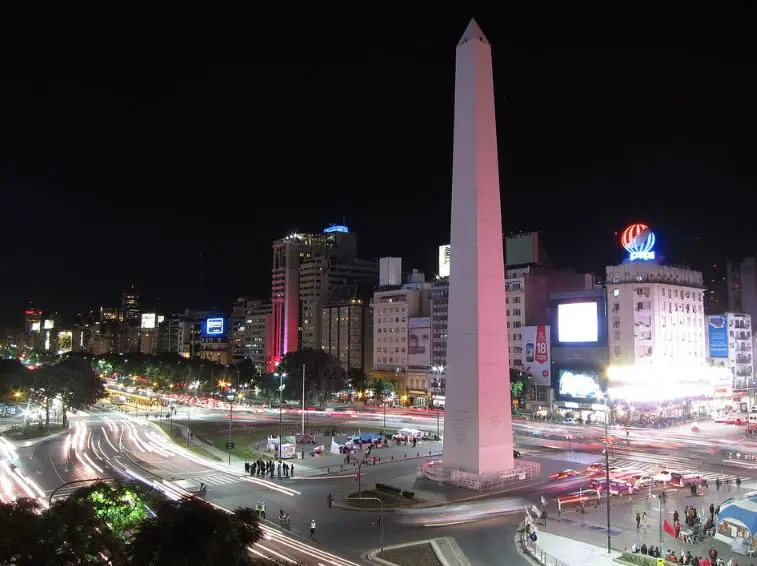
Top 12 Best Cities in Argentina to Visit | Major Cities in Argentina
Argentina is an amazing South American country offering you spectacular views of the scenic natural landscape. The cities of Argentina are a culturally rich country and filled with lots of restaurants and eateries offering tasty traditional dishes that you can … Continue reading
The post Top 12 Best Cities in Argentina to Visit | Major Cities in Argentina appeared first on World Tour & Travel Guide, Get Travel Tips, Information, Discover Travel Destination | Adequate Travel.
Read More
Top 10 Foods in Buenos Aires | Famous Foods To Try in Buenos Aires, Argentina
You can experience the best of everything in Buenos Aires, Argentina. This city delivers some of the tremendous varieties of flavours to explore. You will love the popular foods in Buenos Aires as they cater to every genre of food … Continue reading
The post Top 10 Foods in Buenos Aires | Famous Foods To Try in Buenos Aires, Argentina appeared first on World Tour & Travel Guide, Get Travel Tips, Information, Discover Travel Destination | Adequate Travel.
Read More
Top 8 best cities to enjoy nightlife in Argentina
The first thing that comes to our mind after listening to the word ‘Argentina’ is snow and penguins. However, have you ever heard about the warm and welcoming local people in the country? The chances are slim. The people in … Continue reading
The post Top 8 best cities to enjoy nightlife in Argentina appeared first on World Tour & Travel Guide, Get Travel Tips, Information, Discover Travel Destination | Adequate Travel.
Read More
Top 10 Famous Lakes in Argentina
Argentina is a less known country in South America but its beauty stands out because of the numerous lakes it has. These lakes in Argentina are precisely telling the visitors how beautiful a country could be? There are innumerous beautiful … Continue reading
The post Top 10 Famous Lakes in Argentina appeared first on World Tour & Travel Guide, Get Travel Tips, Information, Discover Travel Destination | Adequate Travel.
Read More