How can I learn about the history and culture of the indigenous Mapuche people in Chile?

Post ByAdequate Travel
Summary
Are you looking to learn more about the incredible Mapuche people of Chile and their fascinating history and culture? This blog post explores how to access authentic resources, including books, articles, and videos, to get an up close and personal look at this incredible ancient culture. The place is known for its rich history and culture, welcomes tourists with open arms. However, be sure to review the travel advisory and travel warnings to ensure a safe and enjoyable experience.1. Research and Reading
Start by conducting research and reading books, articles, and academic papers on the history and culture of the Mapuche people. Look for reputable sources that provide an objective perspective on the topic.
Example: Read books like "The Mapuche in Modern Chile: A Cultural History" by Joanna Crow and "The Mapuche Indians of Chile" by Tom D. Dillehay.
2. Visit Museums and Cultural Centers
Visit museums and cultural centers that focus on the indigenous cultures of Chile. These institutions often have exhibits and displays dedicated to the Mapuche culture, history, and artifacts.
Example: Museo Violeta Parra in Santiago has a permanent exhibition showcasing the Mapuche culture.
3. Attend Indigenous Festivals and Events
Participate in indigenous festivals and events held in areas with significant Mapuche populations. These events provide an opportunity to witness traditional ceremonies, music, storytelling, and traditional clothing firsthand.
Example: The "Ngillatun" ceremony is a major Mapuche event held annually in various communities, where spiritual rituals and communal prayers are conducted.
4. Seek Personal Connections
Seek out personal connections with Mapuche individuals or organizations that focus on promoting and preserving their culture. Engaging with community members can provide a more intimate and accurate understanding of their traditions and way of life.
Example: Attend meetings or events organized by the Consejo de Todas las Tierras (Council of All Lands) to interact with Mapuche leaders and activists.
5. Learn Mapudungun Language
To deepen your understanding of the Mapuche culture, consider learning the Mapudungun language. This will allow you to comprehend the nuances of their language, which reflects their worldview and cultural values.
Example: Look for language courses or online resources that teach Mapudungun, such as "Mapudungun: The Language of the Mapuche People" by Grin Verlag.
6. Explore Mapuche Art and Crafts
Study Mapuche art forms, such as textiles, pottery, and silverwork. Explore the symbolism and techniques used in their creations, as they often reflect aspects of their culture, spirituality, and history.
Example: Visit markets and shops specializing in traditional Mapuche crafts, such as the Feria Mapuche de la Florida in Santiago, to witness and learn more about their artwork.
7. Visit Mapuche Territories
If possible, visit Mapuche territories or communities in southern Chile to immerse yourself in their daily lives and experience their cultural practices firsthand. Respect their customs and traditions while engaging in dialogue and learning from community members.
Example: Areas like Araucanía, Bio Bio, and Los Ríos regions have significant Mapuche populations and offer opportunities for cultural exchanges.
Remember to always approach the history and culture of indigenous people with respect and sensitivity, acknowledging the colonial legacy they continue to confront.As you prepare for your journey, familiarize yourself with the specific entry requirements, including any necessary visas or documentation.Suggested Questions
- Hotel Provincial - Mar del Plata: Horror Story, History & Paranomial Activities
- Barolo Palace - Buenos Aires: Horror Story, History & Paranomial Activities
- Casa de los Mirandas - Jujuy: Horror Story, History & Paranomial Activities
- Casa de los Diez - Tucumán: Horror Story, History & Paranomial Activities
- Casa de los Barcos - Buenos Aires: Horror Story, History & Paranomial Activities
- Casa de los Soler - Córdoba: Horror Story, History & Paranomial Activities
Questions argentina
You may also like
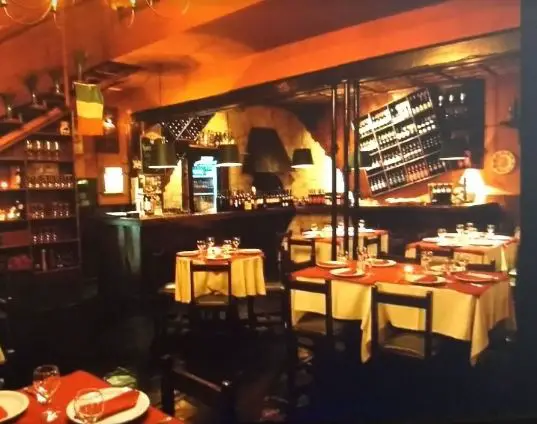
Top 10 Best Places to Eat in Argentina
As Argentina is known for its diverseness and wonderfulness the same thing applies to its food. In this article, we will discuss the places to eat in Argentina. As it is situated in Latin America but the food here is … Continue reading
The post Top 10 Best Places to Eat in Argentina appeared first on World Tour & Travel Guide, Get Travel Tips, Information, Discover Travel Destination | Adequate Travel.
Read More
Top 10 Things to do in Argentina | What to do in Argentina
This South American goal is prevalent with understudies everywhere throughout the world for both investigation abroad and experience visits. You may ask yourself, what to do in Argentina? Argentina is an enormous South American nation with no deficiency of brave … Continue reading
The post Top 10 Things to do in Argentina | What to do in Argentina appeared first on World Tour & Travel Guide, Get Travel Tips, Information, Discover Travel Destination | Adequate Travel.
Read More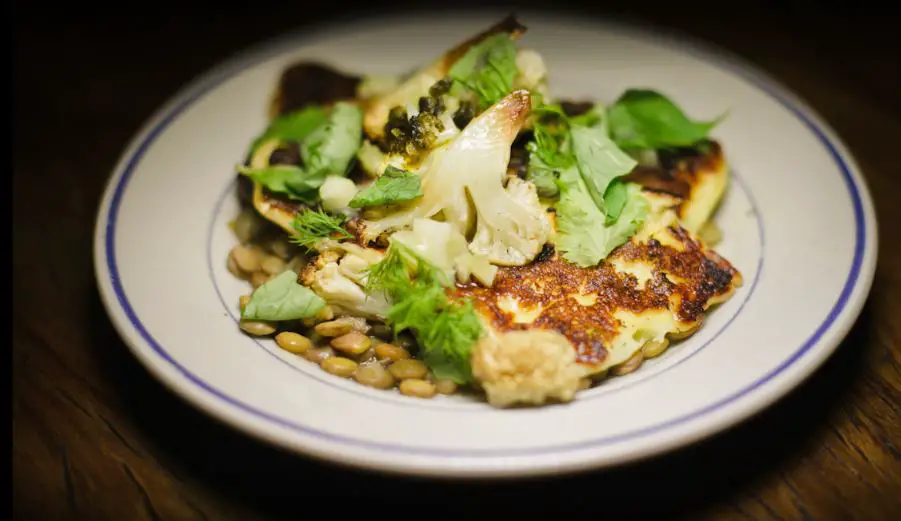
Top 9 Amazing Restaurants in Argentina | Argentina Best Restaurants
Argentina’s chef taking the cooking style of Argentina into the next level, it was observed as more than 14 restaurants are included under top 50 Latin America best eatery list, in this article, we will cover up the best restaurants … Continue reading
The post Top 9 Amazing Restaurants in Argentina | Argentina Best Restaurants appeared first on World Tour & Travel Guide, Get Travel Tips, Information, Discover Travel Destination | Adequate Travel.
Read More
Interesting Facts about Argentina | Argentina Facts and Information
Need to find out about Argentina? Here are interesting facts about Argentina that you most likely didn’t know before reading this. To make this more fun, I need to challenge you too. What number of these Argentina facts did you … Continue reading
The post Interesting Facts about Argentina | Argentina Facts and Information appeared first on World Tour & Travel Guide, Get Travel Tips, Information, Discover Travel Destination | Adequate Travel.
Read More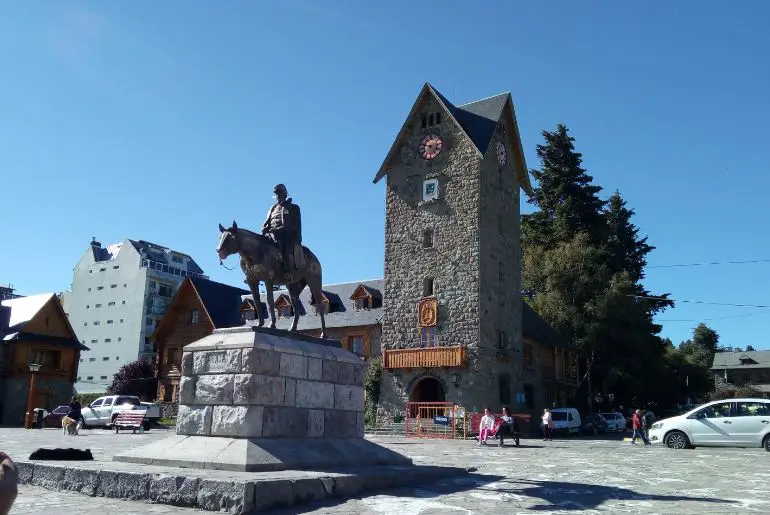
Famous Monuments in Argentina | Most Visited Monuments in Argentina
Are you planning your trip to Argentina, then I must tell you not to miss the most famous Argentina monuments. Buenos Aires, with its decent variety of European-style architecture, has for quite some time been called ‘the Paris of South … Continue reading
The post Famous Monuments in Argentina | Most Visited Monuments in Argentina appeared first on World Tour & Travel Guide, Get Travel Tips, Information, Discover Travel Destination | Adequate Travel.
Read More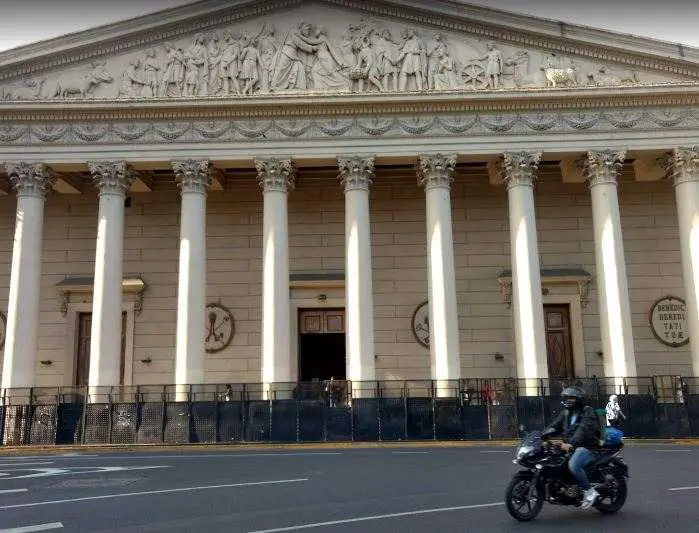
Most Visited Monuments in Buenos Aires | Famous Statues in Buenos Aires, Argentina
Such is the volume of interesting buildings, monuments, and landmarks on offer, sightseeing enthusiasts rarely leave Buenos Aires without taking several rolls of film. The monuments of Buenos Aires are really amazing to visit. The city of Buenos Aires is … Continue reading
The post Most Visited Monuments in Buenos Aires | Famous Statues in Buenos Aires, Argentina appeared first on World Tour & Travel Guide, Get Travel Tips, Information, Discover Travel Destination | Adequate Travel.
Read More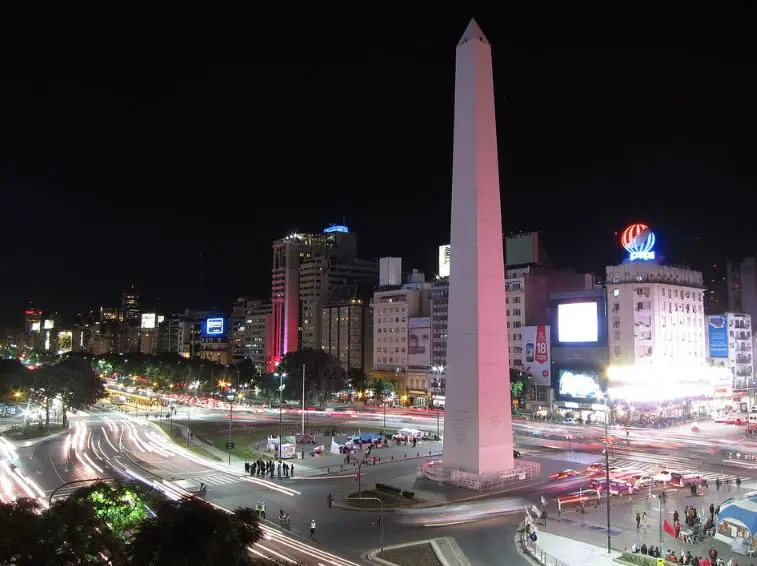
Top 12 Best Cities in Argentina to Visit | Major Cities in Argentina
Argentina is an amazing South American country offering you spectacular views of the scenic natural landscape. The cities of Argentina are a culturally rich country and filled with lots of restaurants and eateries offering tasty traditional dishes that you can … Continue reading
The post Top 12 Best Cities in Argentina to Visit | Major Cities in Argentina appeared first on World Tour & Travel Guide, Get Travel Tips, Information, Discover Travel Destination | Adequate Travel.
Read More
Top 10 Foods in Buenos Aires | Famous Foods To Try in Buenos Aires, Argentina
You can experience the best of everything in Buenos Aires, Argentina. This city delivers some of the tremendous varieties of flavours to explore. You will love the popular foods in Buenos Aires as they cater to every genre of food … Continue reading
The post Top 10 Foods in Buenos Aires | Famous Foods To Try in Buenos Aires, Argentina appeared first on World Tour & Travel Guide, Get Travel Tips, Information, Discover Travel Destination | Adequate Travel.
Read More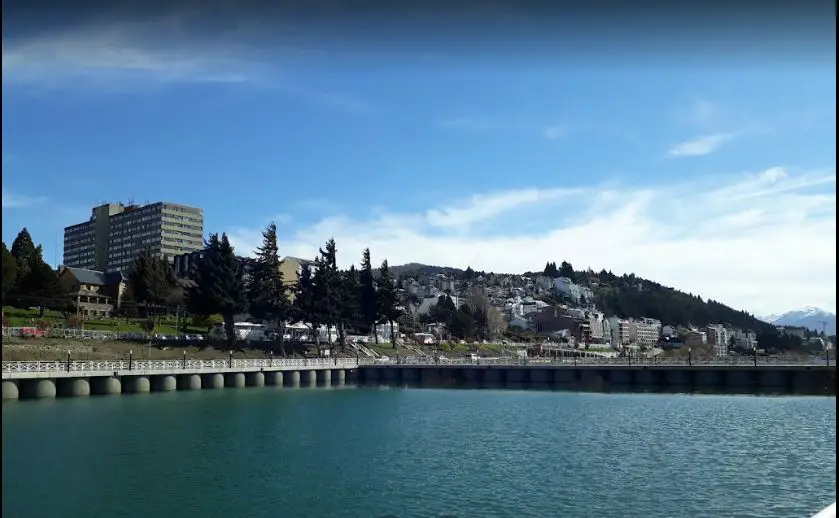
Top 8 best cities to enjoy nightlife in Argentina
The first thing that comes to our mind after listening to the word ‘Argentina’ is snow and penguins. However, have you ever heard about the warm and welcoming local people in the country? The chances are slim. The people in … Continue reading
The post Top 8 best cities to enjoy nightlife in Argentina appeared first on World Tour & Travel Guide, Get Travel Tips, Information, Discover Travel Destination | Adequate Travel.
Read More
Top 10 Famous Lakes in Argentina
Argentina is a less known country in South America but its beauty stands out because of the numerous lakes it has. These lakes in Argentina are precisely telling the visitors how beautiful a country could be? There are innumerous beautiful … Continue reading
The post Top 10 Famous Lakes in Argentina appeared first on World Tour & Travel Guide, Get Travel Tips, Information, Discover Travel Destination | Adequate Travel.
Read More