How can I avoid currency exchange scams?

Post ByAdequate Travel
Summary
Nobody likes getting scammed, especially when it comes to exchanging currencies. Since there's always a risk of currency exchange scams, knowing how to protect yourself should be a priority. In this blog, we'll provide you with practical tips on how to avoid currency exchange scams. As you prepare for your journey, familiarize yourself with the specific entry requirements, including any necessary visas or documentation.1. Research and choose reputable currency exchange providers
Do thorough research to find reputable and authorized currency exchange services. Look for providers that are regulated, licensed, and have a reliable track record. Read customer reviews and check with local authorities or financial institutions for recommendations.
2. Compare exchange rates and fees
Compare exchange rates and fees offered by different providers to ensure you are getting a fair deal. Some providers may offer attractive rates but charge high commissions or hidden fees, so it's important to consider the overall cost of the transaction.
3. Avoid exchanging money at airports or tourist areas
Currency exchange outlets located at airports or heavily touristic places often offer unfavorable rates or impose higher fees. It's generally advisable to exchange only a small amount of money at these locations for immediate needs and seek better options elsewhere.
4. Be cautious of street money changers
Avoid exchanging money with street money changers, as they might be involved in illegal activities or scams. Stick to authorized entities such as banks, reputable exchange offices, or established financial institutions.
5. Pay attention to the exchange process
When converting your currency, carefully observe each step of the exchange process. Ensure that the rates quoted and the amount received match your expectations. Count your money before leaving the exchange office or counter to avoid discrepancies or potential scams.
6. Avoid pre-paid currency cards with high fees
While pre-paid currency cards can be convenient for traveling, they often come with high fees and poor exchange rates. Research and compare the fees associated with these cards before choosing one, and consider alternatives like using your debit card or withdrawing cash from ATMs abroad.
7. Trust your instincts and use common sense
Trust your instincts and use common sense when dealing with currency exchanges. If something seems too good to be true or if you feel uncomfortable with a particular provider, it's better to find an alternative. Avoid sharing personal information or engaging in transactions with questionable parties.
Examples in P tag:Example 1: Before traveling to a foreign country, John researched different currency exchange providers online. He checked customer reviews and ratings to select reputable and reliable options.
Example 2: Maria arrived at the airport and noticed a currency exchange booth claiming to offer incredibly high rates. However, she remembered the advice she read and decided to exchange only a small amount and find a better option in the city.
Example 3: David was approached by a street money changer offering attractive rates. However, David was aware of the risks and politely declined the offer, choosing instead to exchange his money at a recommended bank.
As you prepare for your journey, familiarize yourself with the specific entry requirements, including any necessary visas or documentation.Suggested Questions
You may also like

10 Best Cities in Sweden to Visit | Major Cities in Sweden
A nation of natural beauty, it is fitting with the wonderful coastline and old forests are home to such incredible cities of Sweden. The cities in Sweden offer old castles and temples while agnostic destinations in outskirt area. Beautiful cities … Continue reading
The post 10 Best Cities in Sweden to Visit | Major Cities in Sweden appeared first on World Tour & Travel Guide, Get Travel Tips, Information, Discover Travel Destination | Adequate Travel.
Read More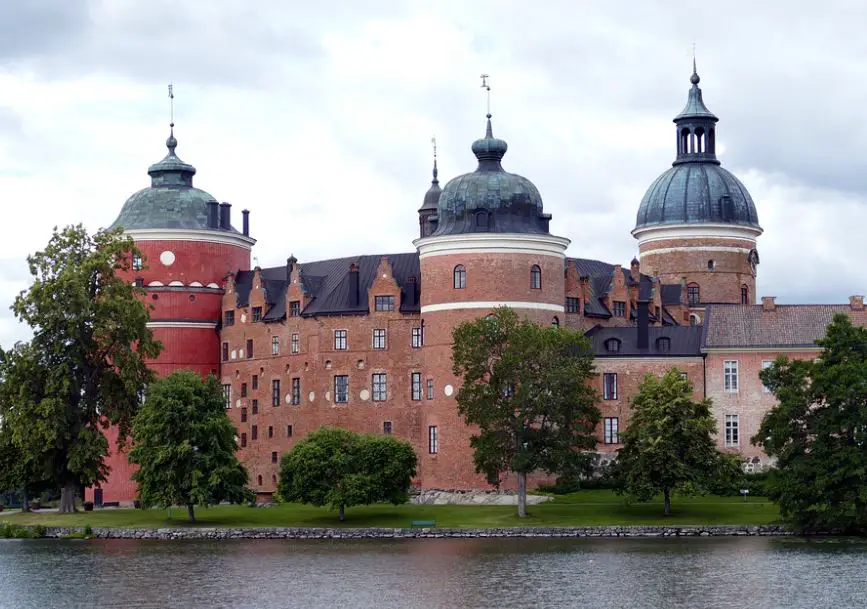
Famous Monuments in Sweden | Most Visited Monuments in Sweden
If you want to explore the history of Sweden through the ages there are a number of historical monuments in Sweden including the time-honored buildings, palaces, and parks where you can learn about the glorious past of Phuket. The presence … Continue reading
The post Famous Monuments in Sweden | Most Visited Monuments in Sweden appeared first on World Tour & Travel Guide, Get Travel Tips, Information, Discover Travel Destination | Adequate Travel.
Read More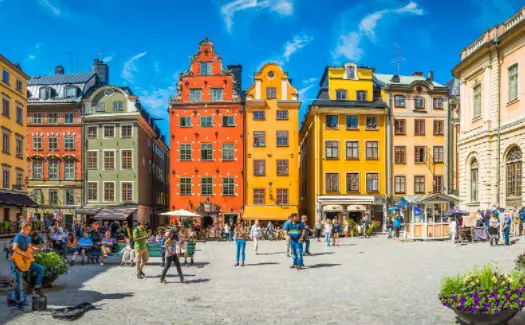
Latest Travel Restrictions to Sweden | Top 5 Places to Visit in Sweden
Sweden is a Scandinavian country that is known for its majestic snowy mountains, frozen glaciers, coastal islands, and inland lakes. There are numerous popular travel destinations in Sweden that any traveler will fancy exploring at least once in a lifetime. … Continue reading
The post Latest Travel Restrictions to Sweden | Top 5 Places to Visit in Sweden appeared first on World Tour & Travel Guide, Get Travel Tips, Information, Discover Travel Destination | Adequate Travel.
Read More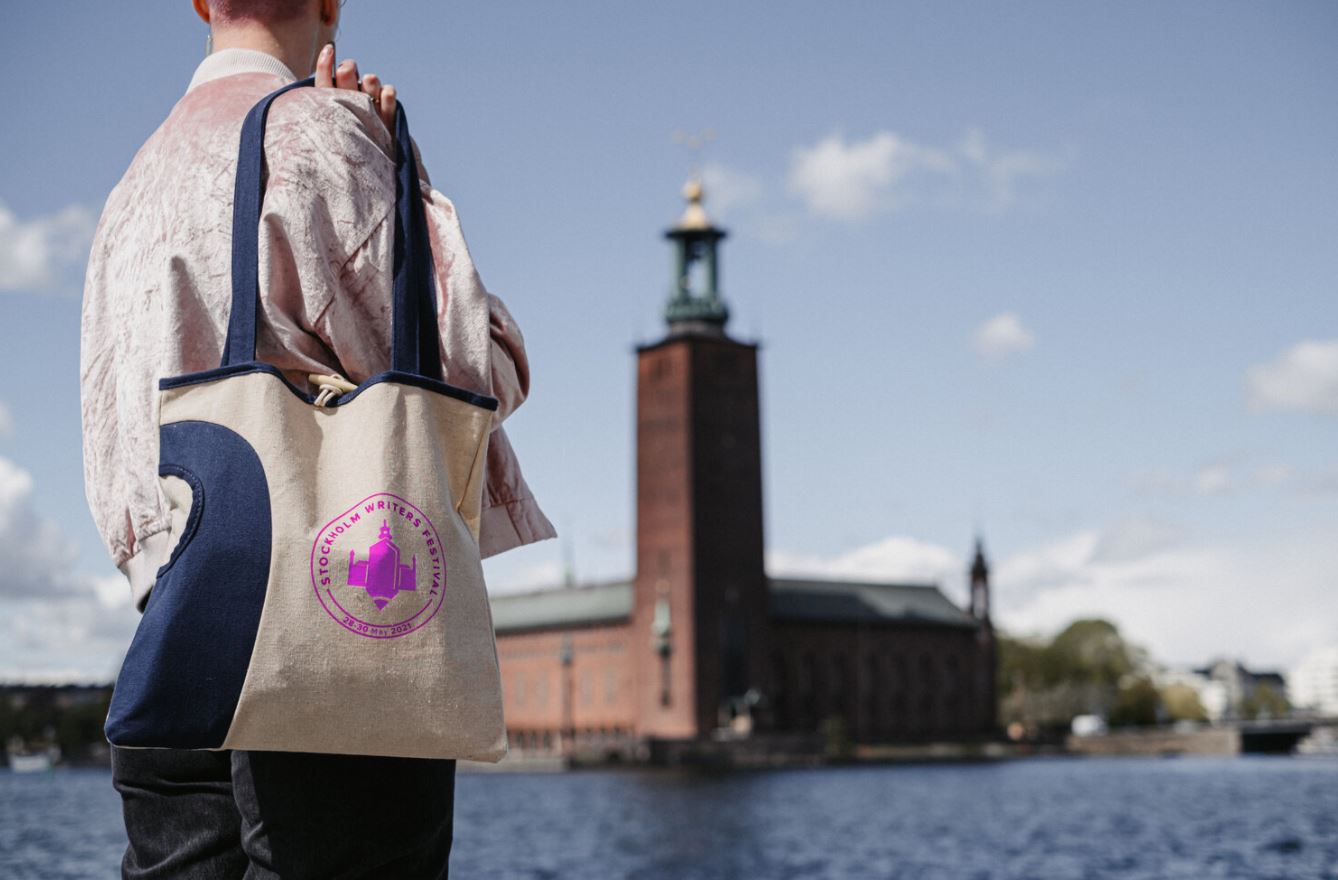
Top 12 Major Summer Festivals and Events in Sweden
With its long, dark winters, it is not surprising that the natives of Sweden would like to take advantage of the brighter, sunnier months. And with its endless coastal islands, inland lakes, vast boreal forests, and icy mountains, there is … Continue reading
The post Top 12 Major Summer Festivals and Events in Sweden appeared first on World Tour & Travel Guide, Get Travel Tips, Information, Discover Travel Destination | Adequate Travel.
Read More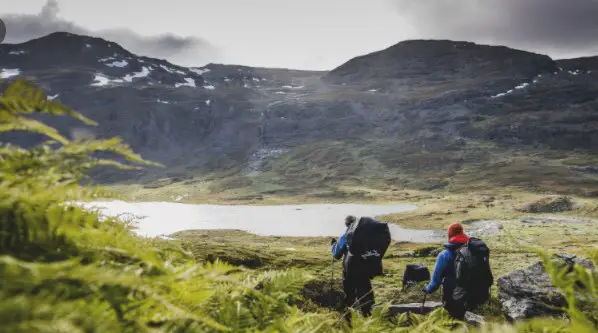
10 Best Thriller Outdoor Activities in Sweden You Musn’t Miss
Get yourself ready to face the best winter sports of Sweden because there are a lot of adrenaline-pumping winter tours coming your way! Sweden is the living wonderland that is unspoiled by the urban civilizations. Hence, there are a lot … Continue reading
The post 10 Best Thriller Outdoor Activities in Sweden You Musn’t Miss appeared first on World Tour & Travel Guide, Get Travel Tips, Information, Discover Travel Destination | Adequate Travel.
Read More
Top 12 Most Beautiful Islands in Sweden
Sweden has much more to offer different from the mainland. Though most of the area is covered with land, there is so much of an island in this country. You won’t believe that Sweden is the country with the maximum … Continue reading
The post Top 12 Most Beautiful Islands in Sweden appeared first on World Tour & Travel Guide, Get Travel Tips, Information, Discover Travel Destination | Adequate Travel.
Read More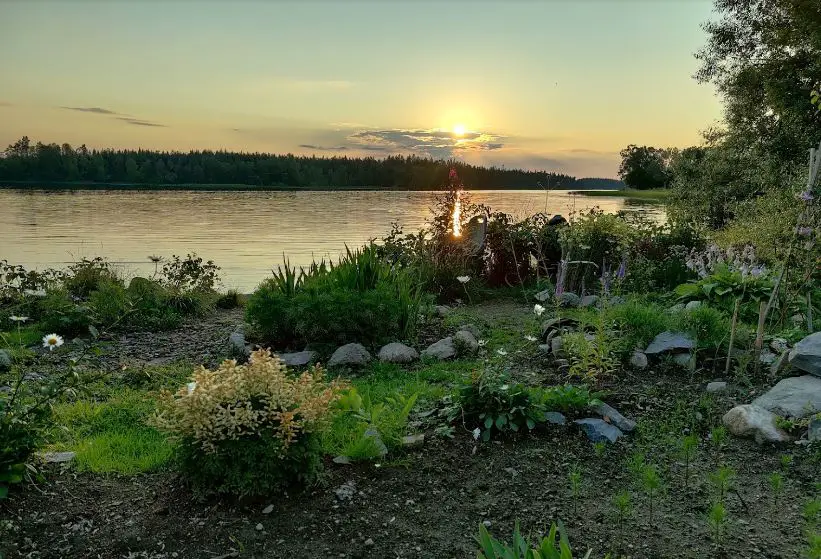
Top 10 Famous Lakes in Sweden | Beautiful Lakes in Sweden
Sweden has nearly 1 lakh beautiful lakes that show the rich biodiversity and tropical existence of the country in the world. These lakes in Sweden are not only proven to be a good source of freshwater but also recognized as … Continue reading
The post Top 10 Famous Lakes in Sweden | Beautiful Lakes in Sweden appeared first on World Tour & Travel Guide, Get Travel Tips, Information, Discover Travel Destination | Adequate Travel.
Read More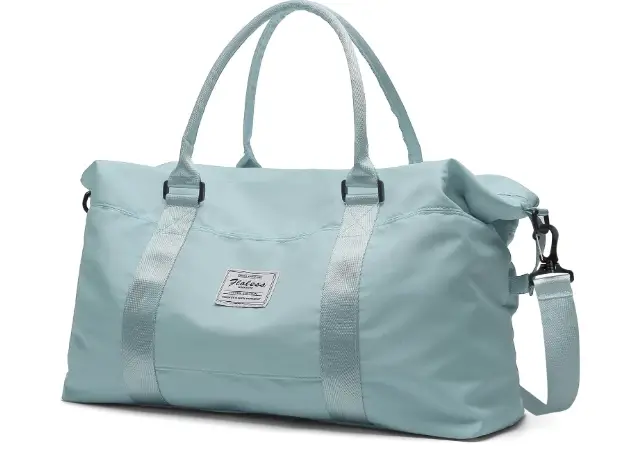
15 Best Women Travel Bags: Reviewed & Tested- Get Expert Advice
Get the list of 15 best traveling bags for women. Know the size, material, durability, and other features of the bags.
Read More
12 Best Beaches in Uluwatu | Popular Uluwatu Beaches
Discover the allure of Uluwatu Beaches. Here is the list of the 12 best beaches in Uluwatu that will let you explore the best of Uluwatu's coastal treasures.
Read More
What are the best practices for responsible wildlife viewing in Canada?
Discover essential tips for responsible wildlife viewing in Canada. Respect habitats, minimize disturbances, and support conservation efforts. Start here!
Read More