General Travel Planning:

Post ByAdequate Travel
Summary
Traveling abroad can be a challenge especially if you haven't taken the time to plan ahead. This blog will explore some of the best tips and techniques for general travel planning. We will cover everything from selecting a destination, budgeting, packing, and more. So, read on to learn how to make the most of your next adventure! While planning your trip, take note of any travel restrictions that may impact your itinerary, such as limited access to certain regions or attractions.General Travel Planning
Travel planning involves a series of steps and considerations to ensure a smooth and enjoyable trip. Here are some key points to keep in mind:
1. Destination Selection
Before starting your travel planning process, it is important to decide on a destination. This could be a country, a city, or a specific attraction you want to visit.
Example: Let's say you want to plan a trip to France, specifically to visit the Eiffel Tower in Paris.
2. Research and Gathering Information
Once you have chosen a destination, it's time to gather information about the place. This includes researching about the weather, local customs, visa requirements, accommodation options, attractions, and transportation facilities.
Example: Research about the best time to visit Paris, local customs and etiquette to follow, the visa process for your citizenship, available hotels near the Eiffel Tower, and the public transportation system in the city.
3. Budgeting
Determine your travel budget based on various factors such as transportation costs, accommodation expenses, meals, activities, and souvenirs. It's essential to have a clear idea of how much you can afford to spend during your trip.
Example: Allocate a budget of $2000 for your entire trip, including flights, accommodation, food, and activities.
4. Transportation
Decide on the mode of transportation you will use to reach your destination and to move around once you're there. This could be by air, train, bus, or car. Consider factors like cost, convenience, and travel time.
Example: Book a round-trip flight from your hometown to Paris and research the local transportation options in the city, such as metro or buses, to move around.
5. Accommodation
Choose the type of accommodation that suits your preferences and budget. Options include hotels, hostels, vacation rentals, or even camping. Look for accommodations that are conveniently located and offer the amenities you need.
Example: Reserve a hotel room near the Eiffel Tower for four nights, considering factors like price, location, and customer reviews.
6. Activities and Sightseeing
Make a list of the attractions and activities you want to experience during your trip. Research and plan your itinerary accordingly, allowing enough time for each activity and taking into account any entry requirements or reservations needed.
Example: Plan to visit the Louvre Museum, take a river cruise on the Seine, enjoy a picnic in Champ de Mars, and take a guided tour of the Eiffel Tower.
7. Travel Documents and Insurance
Ensure you have the necessary travel documents, such as a passport and visas, well in advance. It is also recommended to have travel insurance to cover any unexpected situations or emergencies during your trip.
Example: Check the validity of your passport and apply for a visa if required for your nationality. Purchase travel insurance that provides medical coverage and trip cancellation protection.
8. Packing and Preparation
Create a packing list based on the weather, activities planned, and any specific requirements of your destination. Remember to pack essential items such as clothing, toiletries, travel adapters, and any necessary medication.
Example: Pack comfortable walking shoes, lightweight clothing for summer weather, a raincoat or umbrella, a power adapter for European sockets, and any prescription medications you need.
9. Health and Safety Considerations
Research any health and safety considerations related to your destination. This may include vaccinations, travel advisories, local laws, and emergency contact information. Take necessary precautions to ensure a safe and healthy trip.
Example: Check if any specific vaccinations are recommended for travelers to France and register with your embassy for updates on travel advisories. Save emergency contact numbers for local authorities and your embassy.
10. Finalizing and Booking
Once you have completed your research and planning, start booking your flights, accommodations, transportation, and any required activities or tickets. Make sure to carefully review all details before making the final bookings.
Example: Confirm your flight dates and times, book the selected hotel room, purchase a metro pass for your duration of stay, and pre-book tickets for the Eiffel Tower and other attractions if necessary.
By following these steps and giving attention to detail, you can plan a well-organized and memorable trip. Remember to be flexible during your travels and enjoy the journey!It's essential to stay updated with international travel information, especially when planning a foreign trip, to navigate any changes in travel advisory or travel warnings.Suggested Questions
You may also like

10 Best Cities in Sweden to Visit | Major Cities in Sweden
A nation of natural beauty, it is fitting with the wonderful coastline and old forests are home to such incredible cities of Sweden. The cities in Sweden offer old castles and temples while agnostic destinations in outskirt area. Beautiful cities … Continue reading
The post 10 Best Cities in Sweden to Visit | Major Cities in Sweden appeared first on World Tour & Travel Guide, Get Travel Tips, Information, Discover Travel Destination | Adequate Travel.
Read More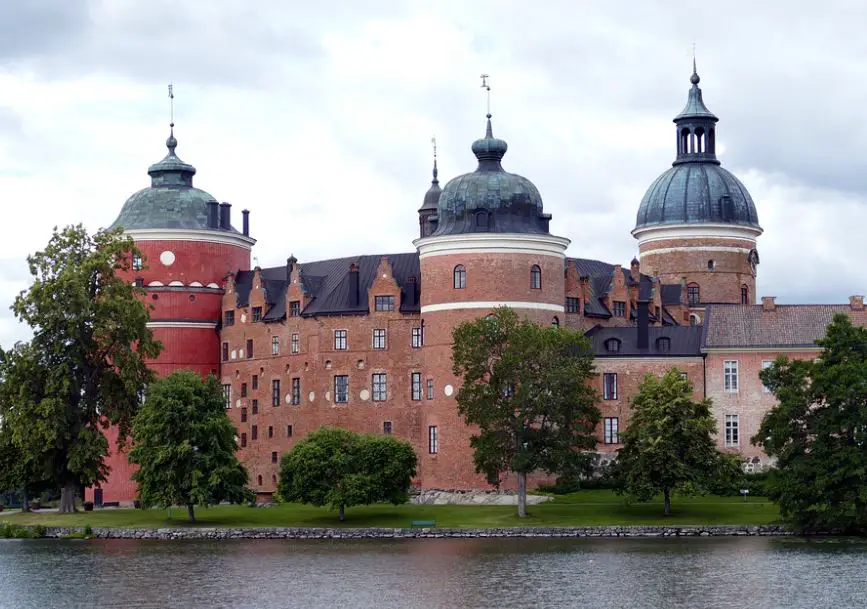
Famous Monuments in Sweden | Most Visited Monuments in Sweden
If you want to explore the history of Sweden through the ages there are a number of historical monuments in Sweden including the time-honored buildings, palaces, and parks where you can learn about the glorious past of Phuket. The presence … Continue reading
The post Famous Monuments in Sweden | Most Visited Monuments in Sweden appeared first on World Tour & Travel Guide, Get Travel Tips, Information, Discover Travel Destination | Adequate Travel.
Read More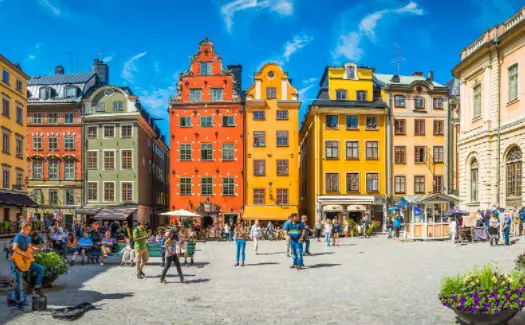
Latest Travel Restrictions to Sweden | Top 5 Places to Visit in Sweden
Sweden is a Scandinavian country that is known for its majestic snowy mountains, frozen glaciers, coastal islands, and inland lakes. There are numerous popular travel destinations in Sweden that any traveler will fancy exploring at least once in a lifetime. … Continue reading
The post Latest Travel Restrictions to Sweden | Top 5 Places to Visit in Sweden appeared first on World Tour & Travel Guide, Get Travel Tips, Information, Discover Travel Destination | Adequate Travel.
Read More
Top 12 Major Summer Festivals and Events in Sweden
With its long, dark winters, it is not surprising that the natives of Sweden would like to take advantage of the brighter, sunnier months. And with its endless coastal islands, inland lakes, vast boreal forests, and icy mountains, there is … Continue reading
The post Top 12 Major Summer Festivals and Events in Sweden appeared first on World Tour & Travel Guide, Get Travel Tips, Information, Discover Travel Destination | Adequate Travel.
Read More
10 Best Thriller Outdoor Activities in Sweden You Musn’t Miss
Get yourself ready to face the best winter sports of Sweden because there are a lot of adrenaline-pumping winter tours coming your way! Sweden is the living wonderland that is unspoiled by the urban civilizations. Hence, there are a lot … Continue reading
The post 10 Best Thriller Outdoor Activities in Sweden You Musn’t Miss appeared first on World Tour & Travel Guide, Get Travel Tips, Information, Discover Travel Destination | Adequate Travel.
Read More
Top 12 Most Beautiful Islands in Sweden
Sweden has much more to offer different from the mainland. Though most of the area is covered with land, there is so much of an island in this country. You won’t believe that Sweden is the country with the maximum … Continue reading
The post Top 12 Most Beautiful Islands in Sweden appeared first on World Tour & Travel Guide, Get Travel Tips, Information, Discover Travel Destination | Adequate Travel.
Read More
Top 10 Famous Lakes in Sweden | Beautiful Lakes in Sweden
Sweden has nearly 1 lakh beautiful lakes that show the rich biodiversity and tropical existence of the country in the world. These lakes in Sweden are not only proven to be a good source of freshwater but also recognized as … Continue reading
The post Top 10 Famous Lakes in Sweden | Beautiful Lakes in Sweden appeared first on World Tour & Travel Guide, Get Travel Tips, Information, Discover Travel Destination | Adequate Travel.
Read More
15 Best Women Travel Bags: Reviewed & Tested- Get Expert Advice
Get the list of 15 best traveling bags for women. Know the size, material, durability, and other features of the bags.
Read More
12 Best Beaches in Uluwatu | Popular Uluwatu Beaches
Discover the allure of Uluwatu Beaches. Here is the list of the 12 best beaches in Uluwatu that will let you explore the best of Uluwatu's coastal treasures.
Read More
What are the best practices for responsible wildlife viewing in Canada?
Discover essential tips for responsible wildlife viewing in Canada. Respect habitats, minimize disturbances, and support conservation efforts. Start here!
Read More