Are there traffic rules I should be aware of if I plan to drive?

Post ByAdequate Travel
Summary
Driving safely on the roads is one of the most important aspects of responsible driving. If you plan to drive, it's important to be aware of the traffic rules and regulations in your area to ensure a safe and enjoyable driving experience. This blog will discuss the traffic rules you should be aware of when you plan to drive. As you prepare for your journey, familiarize yourself with the specific entry requirements, including any necessary visas or documentation.Yes, there are several traffic rules you should be aware of if you plan to drive:
1. Speed Limits: Different types of roads have set speed limits, and it is important to adhere to them. For example, residential areas typically have a speed limit of 25 mph (40 km/h), while highways have higher limits like 65 mph (105 km/h).
2. Stop Signs and Traffic Signals: Stop signs and traffic signals indicate when you need to stop or proceed. When you encounter a stop sign, you must come to a complete stop and yield the right of way to other vehicles. Traffic signals tell you when to stop, go, or yield based on their colors (red, green, and yellow).
3. Right of Way: The right of way indicates who has priority at an intersection or when merging. For example, when turning left, you must give way to oncoming traffic and pedestrians. The general rule is to yield to any vehicle or pedestrian already in the intersection or crosswalk.
4. Lane Discipline: Stick to your designated lane and avoid sudden lane changes unless necessary. Use your turn signals to indicate your intention to change lanes or make a turn.
5. Seat Belts and Child Restraints: Always wear your seat belt while driving, and make sure children are properly secured in appropriate child seats or booster seats.
6. No Drunk Driving: It is illegal and highly dangerous to drive under the influence of alcohol or drugs. If you plan to drink, ensure you have a designated driver or use alternative transportation.
7. Mobile Phone Use: Avoid using your mobile phone while driving, as it is a major distraction. If you need to make a call or use navigation, pull over to a safe spot.
8. Yield to Emergency Vehicles: When emergency vehicles (such as police cars, ambulances, or fire trucks) have their sirens on, pull over to the side of the road and allow them to pass.
9. Pedestrian Safety: Be mindful of pedestrians and yield to them at crosswalks. Always pay attention to pedestrian signals and do not block or park in pedestrian-only areas.
10. Parking Regulations: Familiarize yourself with parking regulations in your area. Pay attention to signs and markings indicating where parking is allowed or prohibited to avoid fines or towing.
As you prepare for your journey, familiarize yourself with the specific entry requirements, including any necessary visas or documentation.Suggested Questions
You may also like

10 Best Cities in Sweden to Visit | Major Cities in Sweden
A nation of natural beauty, it is fitting with the wonderful coastline and old forests are home to such incredible cities of Sweden. The cities in Sweden offer old castles and temples while agnostic destinations in outskirt area. Beautiful cities … Continue reading
The post 10 Best Cities in Sweden to Visit | Major Cities in Sweden appeared first on World Tour & Travel Guide, Get Travel Tips, Information, Discover Travel Destination | Adequate Travel.
Read More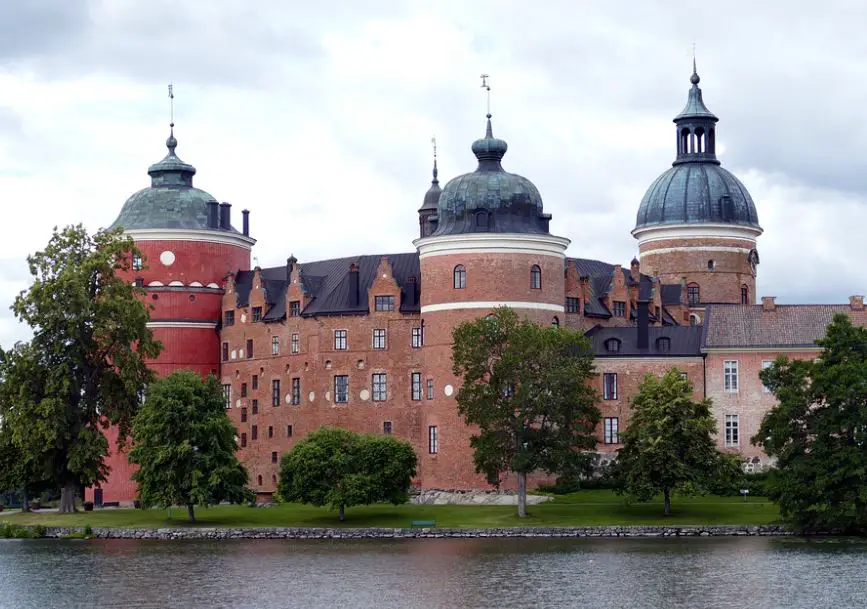
Famous Monuments in Sweden | Most Visited Monuments in Sweden
If you want to explore the history of Sweden through the ages there are a number of historical monuments in Sweden including the time-honored buildings, palaces, and parks where you can learn about the glorious past of Phuket. The presence … Continue reading
The post Famous Monuments in Sweden | Most Visited Monuments in Sweden appeared first on World Tour & Travel Guide, Get Travel Tips, Information, Discover Travel Destination | Adequate Travel.
Read More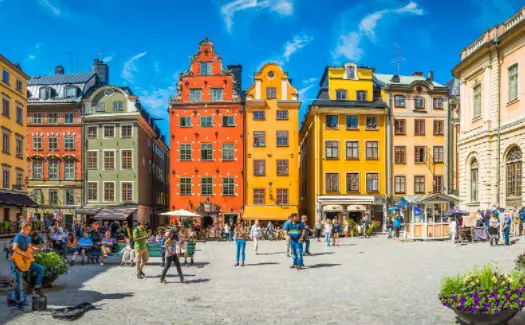
Latest Travel Restrictions to Sweden | Top 5 Places to Visit in Sweden
Sweden is a Scandinavian country that is known for its majestic snowy mountains, frozen glaciers, coastal islands, and inland lakes. There are numerous popular travel destinations in Sweden that any traveler will fancy exploring at least once in a lifetime. … Continue reading
The post Latest Travel Restrictions to Sweden | Top 5 Places to Visit in Sweden appeared first on World Tour & Travel Guide, Get Travel Tips, Information, Discover Travel Destination | Adequate Travel.
Read More
Top 12 Major Summer Festivals and Events in Sweden
With its long, dark winters, it is not surprising that the natives of Sweden would like to take advantage of the brighter, sunnier months. And with its endless coastal islands, inland lakes, vast boreal forests, and icy mountains, there is … Continue reading
The post Top 12 Major Summer Festivals and Events in Sweden appeared first on World Tour & Travel Guide, Get Travel Tips, Information, Discover Travel Destination | Adequate Travel.
Read More
10 Best Thriller Outdoor Activities in Sweden You Musn’t Miss
Get yourself ready to face the best winter sports of Sweden because there are a lot of adrenaline-pumping winter tours coming your way! Sweden is the living wonderland that is unspoiled by the urban civilizations. Hence, there are a lot … Continue reading
The post 10 Best Thriller Outdoor Activities in Sweden You Musn’t Miss appeared first on World Tour & Travel Guide, Get Travel Tips, Information, Discover Travel Destination | Adequate Travel.
Read More
Top 12 Most Beautiful Islands in Sweden
Sweden has much more to offer different from the mainland. Though most of the area is covered with land, there is so much of an island in this country. You won’t believe that Sweden is the country with the maximum … Continue reading
The post Top 12 Most Beautiful Islands in Sweden appeared first on World Tour & Travel Guide, Get Travel Tips, Information, Discover Travel Destination | Adequate Travel.
Read More
Top 10 Famous Lakes in Sweden | Beautiful Lakes in Sweden
Sweden has nearly 1 lakh beautiful lakes that show the rich biodiversity and tropical existence of the country in the world. These lakes in Sweden are not only proven to be a good source of freshwater but also recognized as … Continue reading
The post Top 10 Famous Lakes in Sweden | Beautiful Lakes in Sweden appeared first on World Tour & Travel Guide, Get Travel Tips, Information, Discover Travel Destination | Adequate Travel.
Read More
15 Best Women Travel Bags: Reviewed & Tested- Get Expert Advice
Get the list of 15 best traveling bags for women. Know the size, material, durability, and other features of the bags.
Read More
12 Best Beaches in Uluwatu | Popular Uluwatu Beaches
Discover the allure of Uluwatu Beaches. Here is the list of the 12 best beaches in Uluwatu that will let you explore the best of Uluwatu's coastal treasures.
Read More
What are the best practices for responsible wildlife viewing in Canada?
Discover essential tips for responsible wildlife viewing in Canada. Respect habitats, minimize disturbances, and support conservation efforts. Start here!
Read More