
Are there safety measures to consider when hiking or exploring nature?

Post ByAdequate Travel
Summary
Yes, there are safety measures to consider when hiking or exploring nature. Knowing the basic safety rules and regulations for A Great Outdoors Adventure is essential for the safety of yourself and your group. In this blog, you will learn the importance of understanding the risks that nature poses, how to prepare ahead of time, and the safety tips to keep in mind when out in nature. As you prepare for your journey, familiarize yourself with the specific entry requirements, including any necessary visas or documentation.Safety Measures to Consider When Hiking or Exploring Nature:
1. Research and Plan:
- Before heading out, research the area you plan to hike or explore. Gather information about the trail difficulty, weather conditions, wildlife, and any potential hazards.- Plan your route in advance and ensure that it is suitable for your fitness level and experience.2. Inform Others:
- Let someone know about your hiking or exploratory plans, including the route, expected duration, and intended return time.- Share your contact details with them, and inform them of any changes in your plans.3. Check the Weather:
- Pay attention to weather forecasts before embarking on your journey.- Dress appropriately for the weather conditions and bring extra layers to stay warm if needed.4. Wear Proper Gear:
- Use appropriate footwear, such as hiking boots, to protect your feet and provide stability on uneven terrain.- Wear comfortable and moisture-wicking clothing that suits the weather conditions.- Use hats, sunglasses, and sunscreen to protect yourself from the sun.- Carry a backpack with essentials such as a first aid kit, map, compass, flashlight, whistle, extra food and water, and a multi-tool.5. Stay Hydrated and Nourished:
- Carry an adequate amount of water to stay hydrated during the hike.- Pack energy-rich snacks or meals to keep your energy levels up throughout the day.6. Stay on Marked Trails:
- Stick to designated trails and follow signage or markers to avoid getting lost or disoriented.- Venturing off-trail can increase the risk of accidents or encountering dangerous wildlife.7. Be Aware of Wildlife:
- Research ahead of time about the wildlife that resides in the area and their habits.- Maintain a safe distance and respect their space. Do not approach or feed wild animals.- Carry bear spray or other deterrents if you are hiking in an area known for bears or other potentially dangerous animals.8. Be Mindful of your Surroundings:
- Stay alert and keep an eye out for any potential hazards, such as slippery rocks, loose terrain, or falling branches.- Look out for signs of changing weather conditions, such as darkening skies or sudden temperature drops.- Trust your instincts and be prepared to turn back or find shelter if conditions worsen.9. Pace Yourself:
- Hiking and exploring can be physically demanding, so pace yourself according to your fitness level.- Take regular breaks to rest, rehydrate, and assess your energy levels.- Listen to your body and know when to slow down or stop if you are feeling tired or unwell.10. Leave No Trace:
- Respect the environment and follow the principles of "Leave No Trace."- Pack out all your trash, including food scraps.- Minimize your impact on the natural surroundings by not disturbing wildlife or damaging vegetation.Remember, these safety measures are general guidelines, and it is essential to adapt them to the specific nature of the area and trail you are planning to explore. Always prioritize your safety and be prepared for unexpected situations.Travellers can find valuable travel information for tourists, such as local customs, must-see attractions, and dining recommendations, to make the most of their trip.Suggested Questions
You may also like

10 Best Cities in Sweden to Visit | Major Cities in Sweden
A nation of natural beauty, it is fitting with the wonderful coastline and old forests are home to such incredible cities of Sweden. The cities in Sweden offer old castles and temples while agnostic destinations in outskirt area. Beautiful cities … Continue reading
The post 10 Best Cities in Sweden to Visit | Major Cities in Sweden appeared first on World Tour & Travel Guide, Get Travel Tips, Information, Discover Travel Destination | Adequate Travel.
Read More
Famous Monuments in Sweden | Most Visited Monuments in Sweden
If you want to explore the history of Sweden through the ages there are a number of historical monuments in Sweden including the time-honored buildings, palaces, and parks where you can learn about the glorious past of Phuket. The presence … Continue reading
The post Famous Monuments in Sweden | Most Visited Monuments in Sweden appeared first on World Tour & Travel Guide, Get Travel Tips, Information, Discover Travel Destination | Adequate Travel.
Read More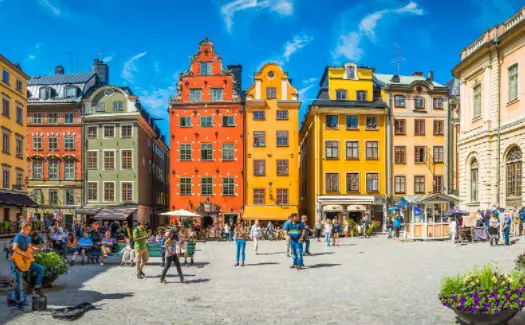
Latest Travel Restrictions to Sweden | Top 5 Places to Visit in Sweden
Sweden is a Scandinavian country that is known for its majestic snowy mountains, frozen glaciers, coastal islands, and inland lakes. There are numerous popular travel destinations in Sweden that any traveler will fancy exploring at least once in a lifetime. … Continue reading
The post Latest Travel Restrictions to Sweden | Top 5 Places to Visit in Sweden appeared first on World Tour & Travel Guide, Get Travel Tips, Information, Discover Travel Destination | Adequate Travel.
Read More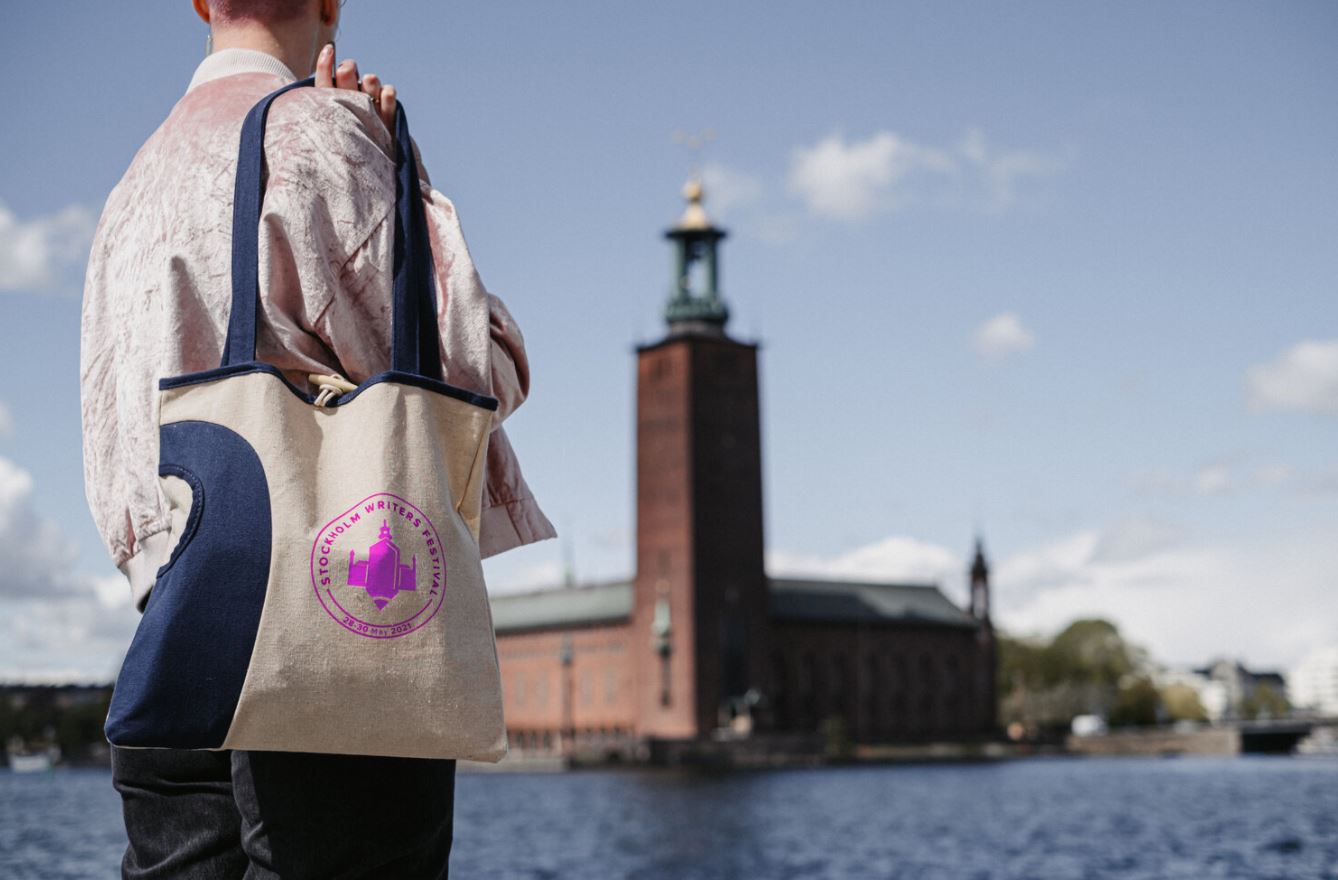
Top 12 Major Summer Festivals and Events in Sweden
With its long, dark winters, it is not surprising that the natives of Sweden would like to take advantage of the brighter, sunnier months. And with its endless coastal islands, inland lakes, vast boreal forests, and icy mountains, there is … Continue reading
The post Top 12 Major Summer Festivals and Events in Sweden appeared first on World Tour & Travel Guide, Get Travel Tips, Information, Discover Travel Destination | Adequate Travel.
Read More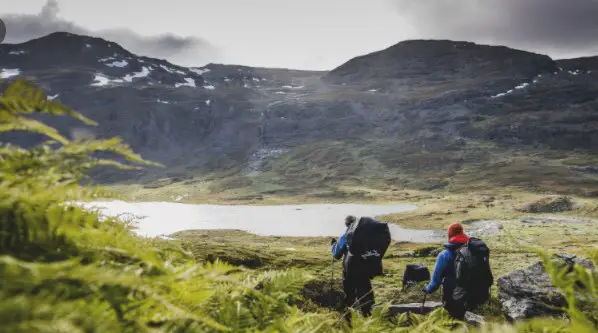
10 Best Thriller Outdoor Activities in Sweden You Musn’t Miss
Get yourself ready to face the best winter sports of Sweden because there are a lot of adrenaline-pumping winter tours coming your way! Sweden is the living wonderland that is unspoiled by the urban civilizations. Hence, there are a lot … Continue reading
The post 10 Best Thriller Outdoor Activities in Sweden You Musn’t Miss appeared first on World Tour & Travel Guide, Get Travel Tips, Information, Discover Travel Destination | Adequate Travel.
Read More
Top 12 Most Beautiful Islands in Sweden
Sweden has much more to offer different from the mainland. Though most of the area is covered with land, there is so much of an island in this country. You won’t believe that Sweden is the country with the maximum … Continue reading
The post Top 12 Most Beautiful Islands in Sweden appeared first on World Tour & Travel Guide, Get Travel Tips, Information, Discover Travel Destination | Adequate Travel.
Read More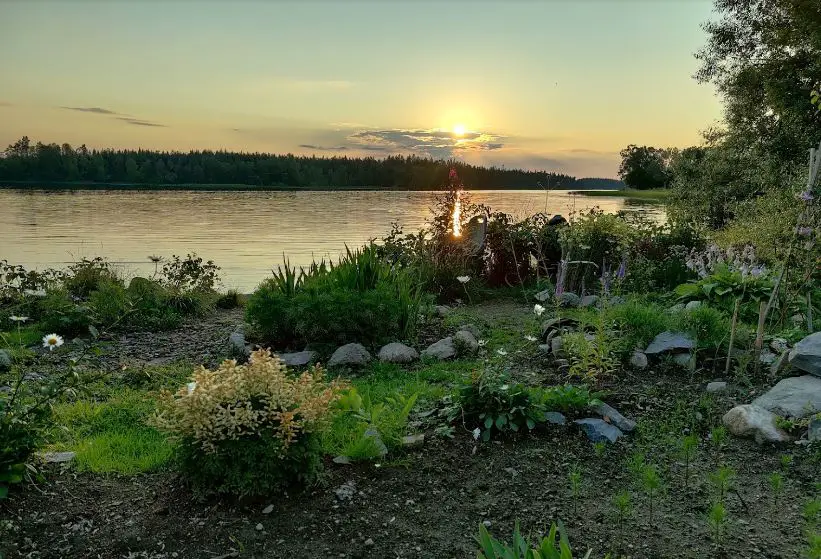
Top 10 Famous Lakes in Sweden | Beautiful Lakes in Sweden
Sweden has nearly 1 lakh beautiful lakes that show the rich biodiversity and tropical existence of the country in the world. These lakes in Sweden are not only proven to be a good source of freshwater but also recognized as … Continue reading
The post Top 10 Famous Lakes in Sweden | Beautiful Lakes in Sweden appeared first on World Tour & Travel Guide, Get Travel Tips, Information, Discover Travel Destination | Adequate Travel.
Read More
15 Best Women Travel Bags: Reviewed & Tested- Get Expert Advice
Get the list of 15 best traveling bags for women. Know the size, material, durability, and other features of the bags.
Read More
12 Best Beaches in Uluwatu | Popular Uluwatu Beaches
Discover the allure of Uluwatu Beaches. Here is the list of the 12 best beaches in Uluwatu that will let you explore the best of Uluwatu's coastal treasures.
Read More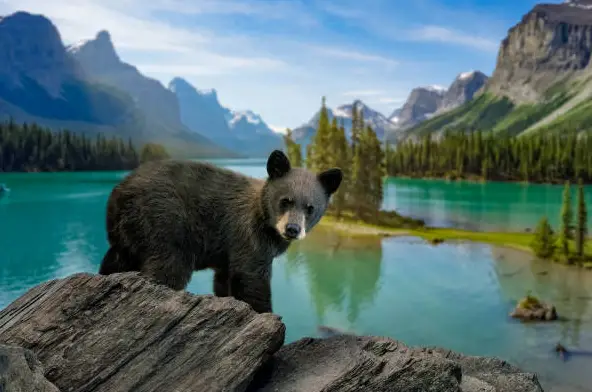
What are the best practices for responsible wildlife viewing in Canada?
Discover essential tips for responsible wildlife viewing in Canada. Respect habitats, minimize disturbances, and support conservation efforts. Start here!
Read More