What is the Russian alphabet, and how can I learn it?

Post ByAdequate Travel
Summary
Do you want to learn the Russian alphabet? You've come to the right place! In this blog post, you'll learn everything you need to know about the Russian alphabet, from the fundamentals of Cyrillic letters to tips and strategies to help you learn each letter quickly and easily. Ready to get started? Let's dive in! Before embarking on your journey to russia, make sure to check the latest travel guidelines and entry requirements to ensure a smooth tripThe Russian Alphabet
The Russian alphabet is known as Cyrillic and consists of 33 letters. It is used to write the Russian language and is also used in several other languages of Russia and the former Soviet Union. The Cyrillic script is derived from the Greek alphabet with additional letters created to represent the unique sounds of the Slavic languages.Learning the Russian Alphabet
Here are some steps to learn the Russian alphabet:1. Familiarize Yourself with the Letters:
Start by getting acquainted with each letter of the Russian alphabet. Here are some examples of the Russian letters along with their English pronunciation and approximate transliteration:- А (a) - pronounced like "a" in "cat" - A
- Б (be) - pronounced like "b" in "bat" - B
- В (ve) - pronounced like "v" in "van" - V
- Г (ge) - pronounced like "g" in "go" - G
- Д (de) - pronounced like "d" in "dog" - D
2. Practice Writing:
Once you are familiar with the letters, start practicing writing them one by one. You can use tracing sheets or online resources that provide interactive writing exercises. It's important to pay attention to the shape and direction of each letter.3. Associate Sounds:
Try to associate the sounds of the Russian letters with familiar words or phrases. This can help you remember the pronunciation better. For example, associate the letter "Г" (ge) with the English word "go".4. Use Resources and Apps:
Utilize resources such as textbooks, websites, and language learning apps that provide lessons on the Russian alphabet. These resources often include audio recordings to help you practice the correct pronunciation.5. Practice Reading:
Start reading simple texts in Russian once you have a good grasp of the alphabet. Begin with children's books or basic articles. This will help you improve your reading skills and expand your vocabulary.Conclusion
Learning the Russian alphabet takes time and practice. By familiarizing yourself with the letters, practicing writing, associating sounds, using resources, and reading texts, you can gradually become proficient in reading and writing Russian.Keep in mind that travel guidelines and travel rules may change anytime, so regularly check for updates to ensure a hassle-free and memorable travel experience.Suggested Questions
You may also like
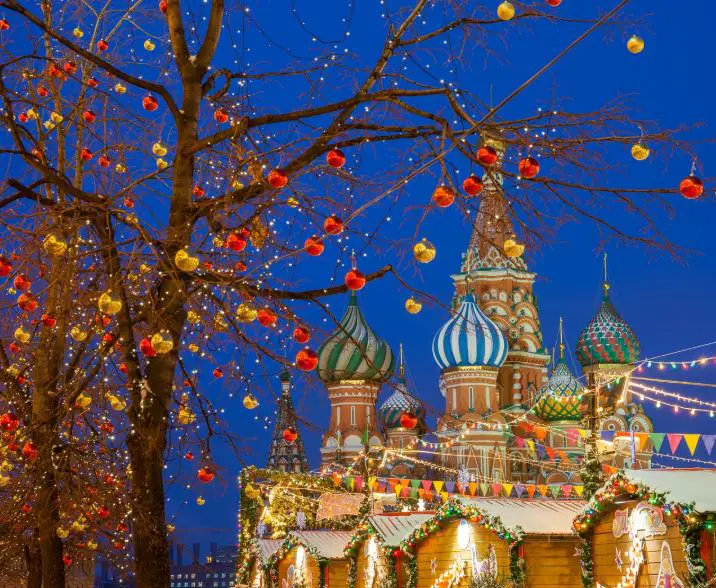
Reasons to Celebrate Christmas in St Petersburg, Russia | Christmas in Saint Petersburg
In St Petersburg Christmas is one of the major holidays. The most interesting fact is that the Russian Orthodox Christian follows the Julian calendar and Christmas is celebrated on the 7th of January and not on 25th December. The new … Continue reading
The post Reasons to Celebrate Christmas in St Petersburg, Russia | Christmas in Saint Petersburg appeared first on World Tour & Travel Guide, Get Travel Tips, Information, Discover Travel Destination | Adequate Travel.
Read More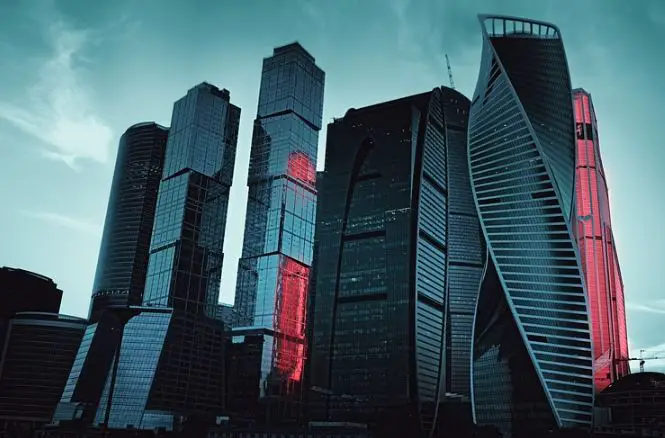
Top 10 Best Cities in Russia to visit | Major Cities in Russia
Russia is a country where a lively cultural scene manifests itself in performing arts, opera, and theatrical productions. The famous cities of Russia offer a perfect cocktail of trendy bars, restaurants and old and new modern shopping malls are interspersed … Continue reading
The post Top 10 Best Cities in Russia to visit | Major Cities in Russia appeared first on World Tour & Travel Guide, Get Travel Tips, Information, Discover Travel Destination | Adequate Travel.
Read More
Best Theme Parks in Moscow Russia | Popular Amusement Parks in Moscow
Those who wish to know about the history of Russia should definitely visit this Moscow because it is considered as the renowned religious center. In boosting the country, Moscow even plays a pivotal role. Apart from the monuments and landmarks, … Continue reading
The post Best Theme Parks in Moscow Russia | Popular Amusement Parks in Moscow appeared first on World Tour & Travel Guide, Get Travel Tips, Information, Discover Travel Destination | Adequate Travel.
Read More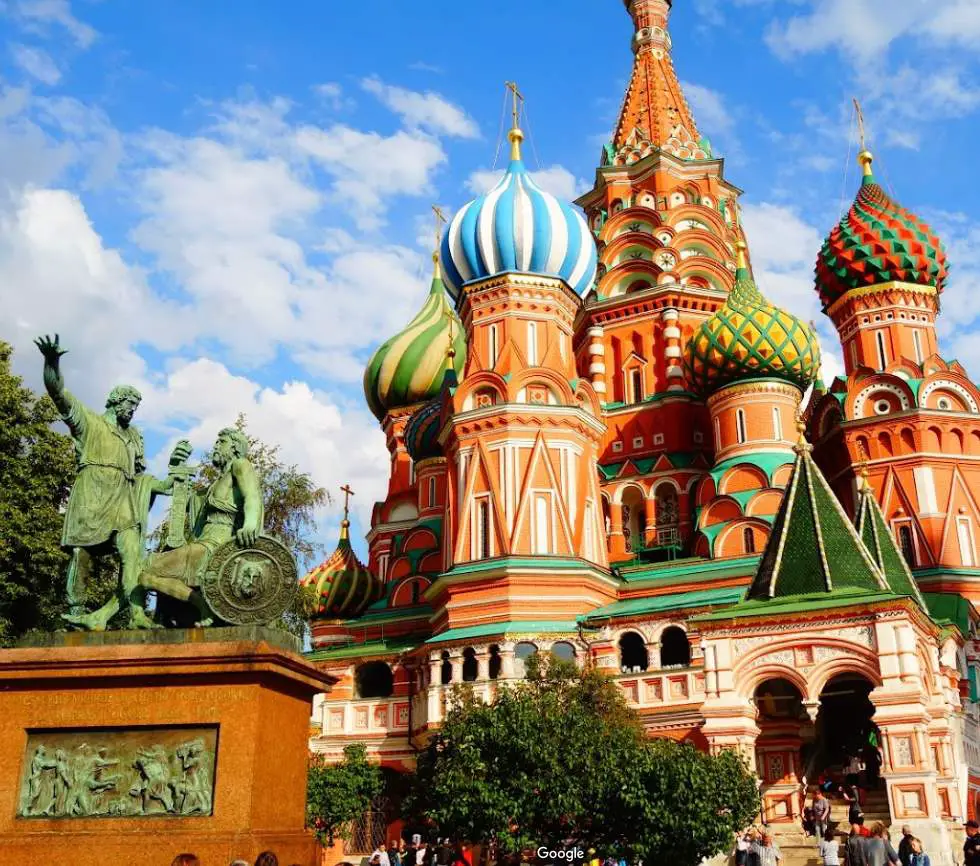
Most Visited Monuments in Moscow, Russia | Famous Monuments of Moscow
The historical monument Moscow begins its history from the beginning of the 19th century. Until that time, it was not customary to install memorials to specific individuals. In memory of significant events or prominent figures of the past temples were … Continue reading
The post Most Visited Monuments in Moscow, Russia | Famous Monuments of Moscow appeared first on World Tour & Travel Guide, Get Travel Tips, Information, Discover Travel Destination | Adequate Travel.
Read More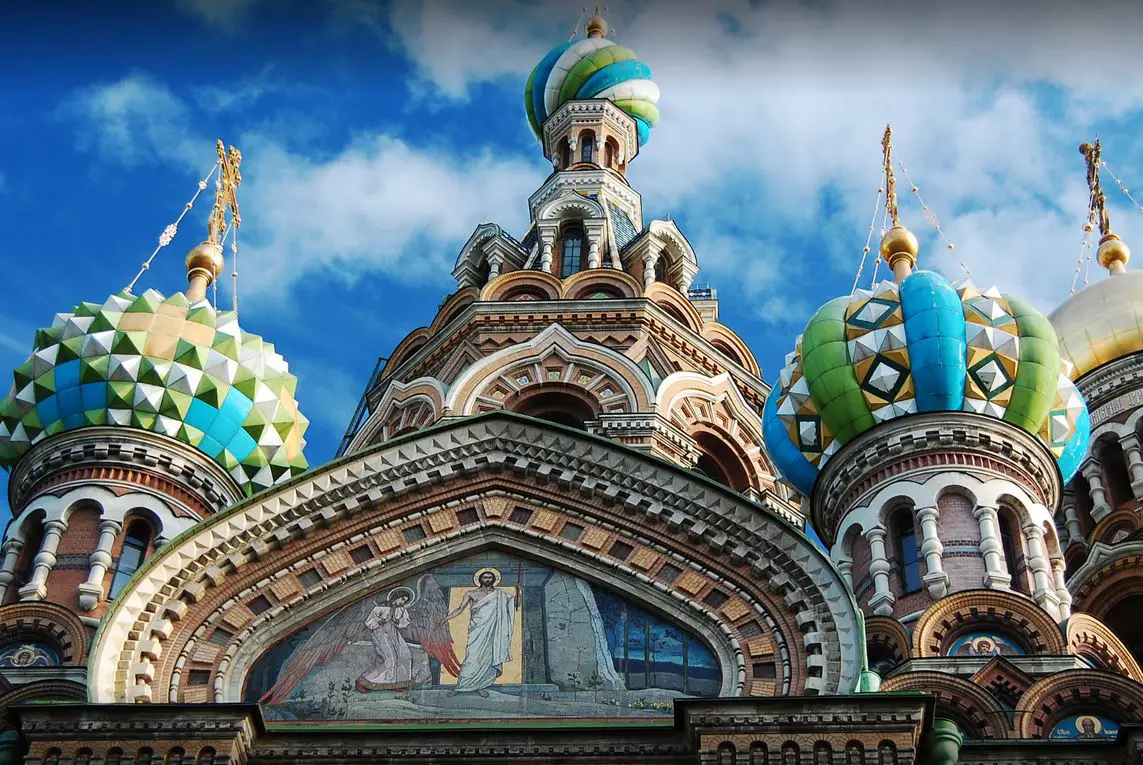
Most Visited Monuments in St. Petersburg, Russia | Famous Monuments of St Petersburg
St. Petersburg once used to be the capital of the Russian Empire for over two centuries, on the front line of the Soviet struggle to repel the Nazi forces during the Second World War and the birthplace of the Bolshevik … Continue reading
The post Most Visited Monuments in St. Petersburg, Russia | Famous Monuments of St Petersburg appeared first on World Tour & Travel Guide, Get Travel Tips, Information, Discover Travel Destination | Adequate Travel.
Read More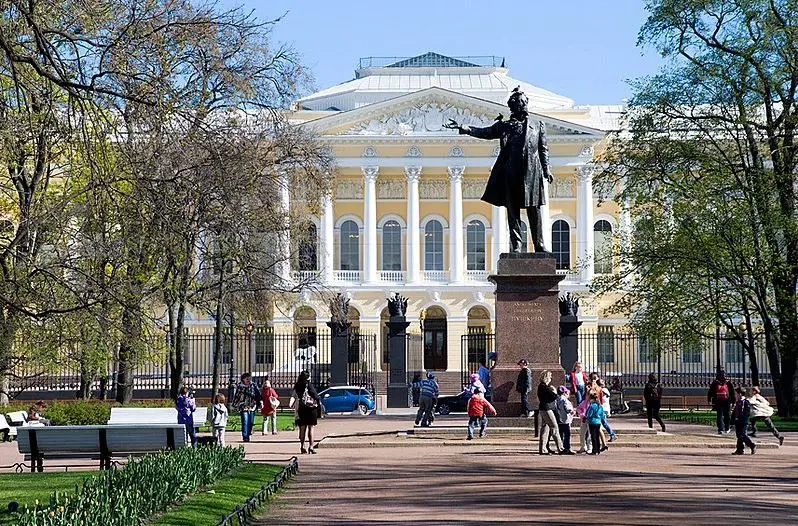
Most Visited Monuments in Russia l Famous Monuments in Russia
Are you looking to explore the history of Russia through the ages? There are a number of historical monuments in Russia including the time-honored buildings, landmarks palaces, and parks where you can learn about the glorious past of Russia. The … Continue reading
The post Most Visited Monuments in Russia l Famous Monuments in Russia appeared first on World Tour & Travel Guide, Get Travel Tips, Information, Discover Travel Destination | Adequate Travel.
Read More
Top 10 Foods of St. Petersburg, Russia | Famous Foods To Try in St. Petersburg
A food tour of St. Petersburg is a must when you are in Russia’s economic capital. This city delivers a tremendous variety of flavors to explore. You will love the popular foods in St. Petersburg as they cater to every … Continue reading
The post Top 10 Foods of St. Petersburg, Russia | Famous Foods To Try in St. Petersburg appeared first on World Tour & Travel Guide, Get Travel Tips, Information, Discover Travel Destination | Adequate Travel.
Read More
Famous Summer Festivals and Events Celebrated in Russia
In fact, it is very true that if you want to get a real taste of rural culture, you have to visit this place during the festival season. Russia is no exception. Many travelers prefer to visit these places during … Continue reading
The post Famous Summer Festivals and Events Celebrated in Russia appeared first on World Tour & Travel Guide, Get Travel Tips, Information, Discover Travel Destination | Adequate Travel.
Read More
10 Most Beautiful Russian Lakes| Top lakes in Russia
Russia is the country with the maximum number of lakes after Canada. There are more than 2 lakhs lakes in Russia and most of these are artificial lakes. Yeah, this is quite a high number and explaining about all these … Continue reading
The post 10 Most Beautiful Russian Lakes| Top lakes in Russia appeared first on World Tour & Travel Guide, Get Travel Tips, Information, Discover Travel Destination | Adequate Travel.
Read More
Russia will no longer receive entry visas from Latvia
Synopsis: According to the latest travel news from Latvia, authorities have decided to stop issuing entry visas to Russians. This decision has been taken after long consideration of the present circumstances of the Russo-Ukrainian war. The new changes in the … Continue reading
The post Russia will no longer receive entry visas from Latvia appeared first on World Tour & Travel Guide, Get Travel Tips, Information, Discover Travel Destination | Adequate Travel.
Read More