What gestures should I be aware of to show respect?

Post ByAdequate Travel
Summary
Body language is a powerful tool when it comes to expressing respect and politeness. There are certain gestures and behaviors you can use to demonstrate respect for others, ranging from small expressions to more grand gestures. In this blog post, we will look at some of the best ways to show respect through your body language. As you prepare for your journey, familiarize yourself with the specific entry requirements, including any necessary visas or documentation.Gestures to Show Respect
1. Handshake
A firm handshake is a common way to show respect in many cultures. It is important to maintain eye contact and offer a strong, confident grip. However, it is crucial to be aware of cultural differences, as some cultures prefer a softer handshake or may have specific customs related to handshaking.
2. Bowing
In some cultures, bowing is a traditional gesture of respect. The depth of the bow can vary depending on the culture and the level of respect being conveyed. For example, in Japan, a deeper bow is used to show higher levels of respect to senior individuals or esteemed guests.
3. Polite language and tone
Using polite language and maintaining a respectful tone is crucial when interacting with others. Addressing people with appropriate titles (such as Mr., Mrs., or professional titles) and using phrases like "please," "thank you," and "excuse me" reflect a respectful attitude.
4. Active listening
Showing respect through active listening involves paying full attention and being engaged in conversations. Maintain eye contact, nod occasionally to show understanding, and avoid interrupting or speaking over others. This demonstrates that you value the speaker's words and opinions.
5. Giving personal space
Respecting personal space is vital in many cultures. Avoid standing too close to others, especially if they seem uncomfortable. Allow people enough room to feel comfortable and ensure you do not invade their personal boundaries.
6. Removing headgear
In certain situations or cultures, it may be respectful to remove headgear like hats or caps. For example, when entering religious places, during national anthems, or in formal settings like job interviews or meetings, it is important to show respect by removing head coverings.
7. Using appropriate gestures
Understanding the cultural significance of gestures is essential for showing respect. Some cultures consider specific gestures offensive, while others may find them respectful. For example, placing hands on the heart can be a sign of respect in some cultures, while pointing fingers can be considered rude in others.
Travellers can find valuable travel information for tourists, such as local customs, must-see attractions, and dining recommendations, to make the most of their trip.Suggested Questions
You may also like
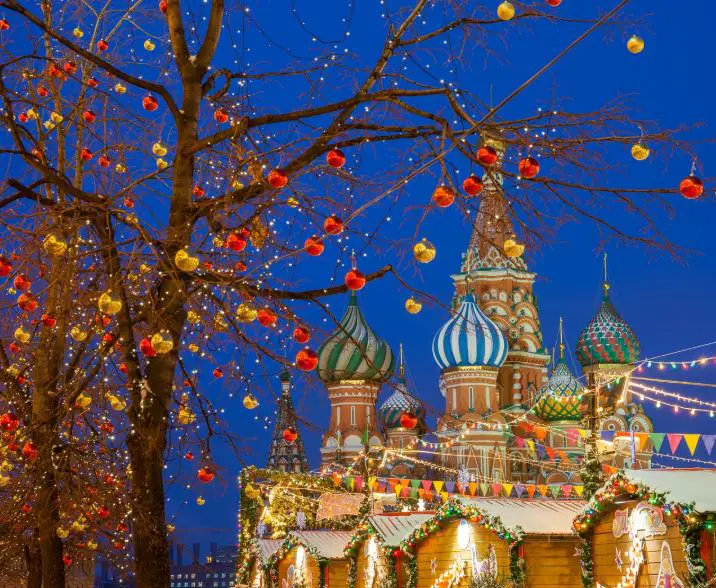
Reasons to Celebrate Christmas in St Petersburg, Russia | Christmas in Saint Petersburg
In St Petersburg Christmas is one of the major holidays. The most interesting fact is that the Russian Orthodox Christian follows the Julian calendar and Christmas is celebrated on the 7th of January and not on 25th December. The new … Continue reading
The post Reasons to Celebrate Christmas in St Petersburg, Russia | Christmas in Saint Petersburg appeared first on World Tour & Travel Guide, Get Travel Tips, Information, Discover Travel Destination | Adequate Travel.
Read More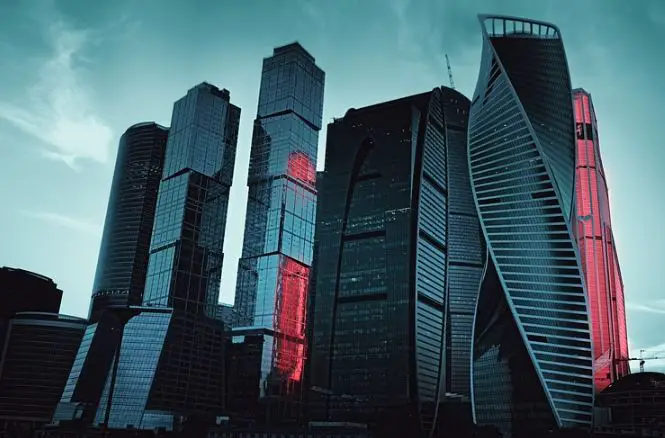
Top 10 Best Cities in Russia to visit | Major Cities in Russia
Russia is a country where a lively cultural scene manifests itself in performing arts, opera, and theatrical productions. The famous cities of Russia offer a perfect cocktail of trendy bars, restaurants and old and new modern shopping malls are interspersed … Continue reading
The post Top 10 Best Cities in Russia to visit | Major Cities in Russia appeared first on World Tour & Travel Guide, Get Travel Tips, Information, Discover Travel Destination | Adequate Travel.
Read More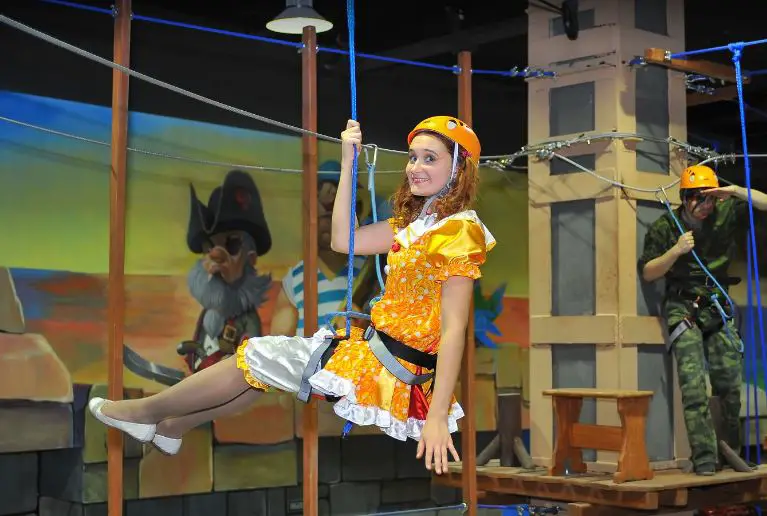
Best Theme Parks in Moscow Russia | Popular Amusement Parks in Moscow
Those who wish to know about the history of Russia should definitely visit this Moscow because it is considered as the renowned religious center. In boosting the country, Moscow even plays a pivotal role. Apart from the monuments and landmarks, … Continue reading
The post Best Theme Parks in Moscow Russia | Popular Amusement Parks in Moscow appeared first on World Tour & Travel Guide, Get Travel Tips, Information, Discover Travel Destination | Adequate Travel.
Read More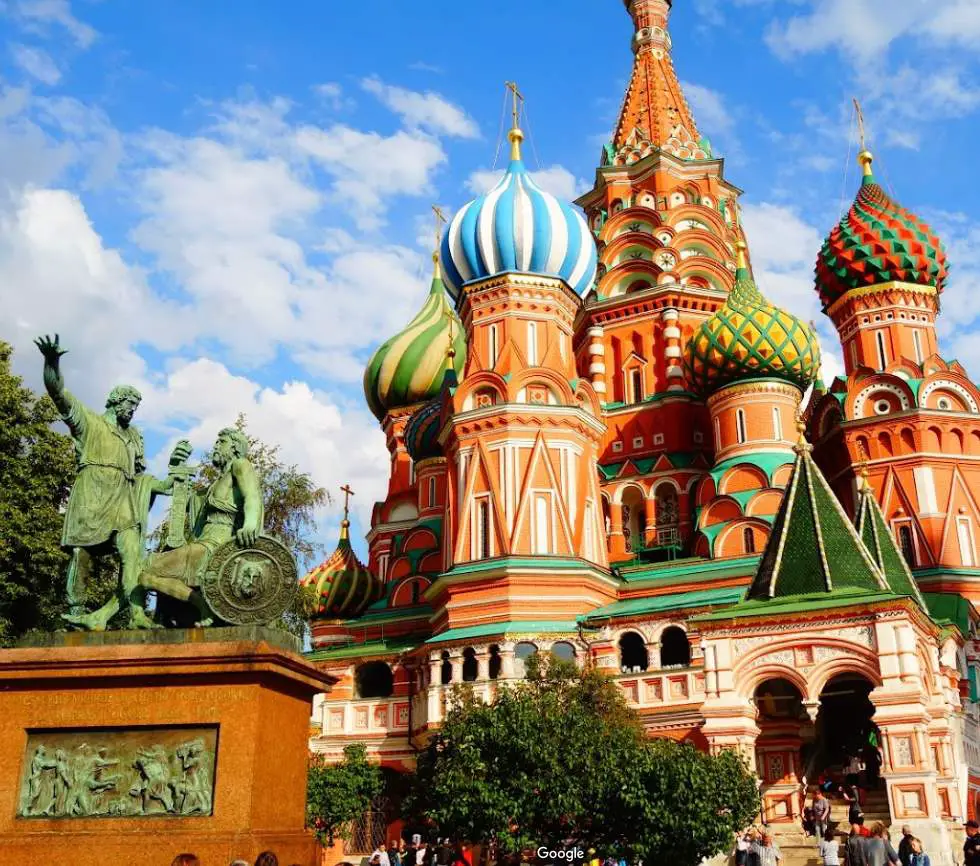
Most Visited Monuments in Moscow, Russia | Famous Monuments of Moscow
The historical monument Moscow begins its history from the beginning of the 19th century. Until that time, it was not customary to install memorials to specific individuals. In memory of significant events or prominent figures of the past temples were … Continue reading
The post Most Visited Monuments in Moscow, Russia | Famous Monuments of Moscow appeared first on World Tour & Travel Guide, Get Travel Tips, Information, Discover Travel Destination | Adequate Travel.
Read More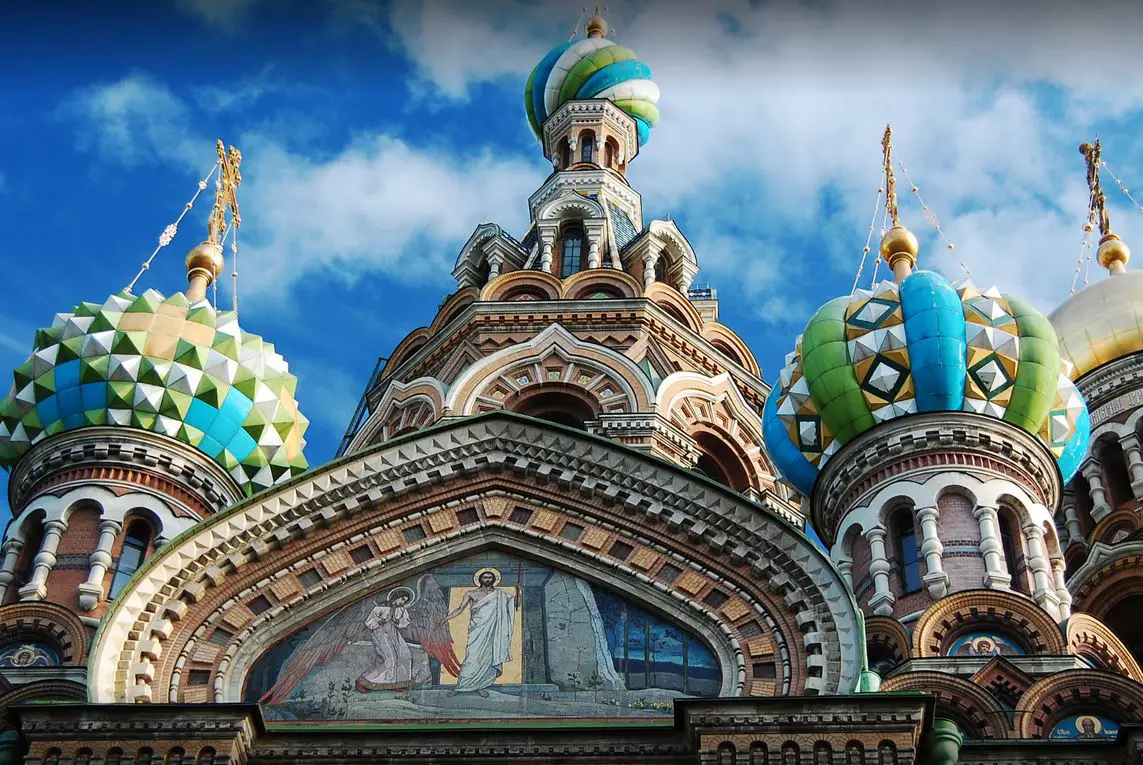
Most Visited Monuments in St. Petersburg, Russia | Famous Monuments of St Petersburg
St. Petersburg once used to be the capital of the Russian Empire for over two centuries, on the front line of the Soviet struggle to repel the Nazi forces during the Second World War and the birthplace of the Bolshevik … Continue reading
The post Most Visited Monuments in St. Petersburg, Russia | Famous Monuments of St Petersburg appeared first on World Tour & Travel Guide, Get Travel Tips, Information, Discover Travel Destination | Adequate Travel.
Read More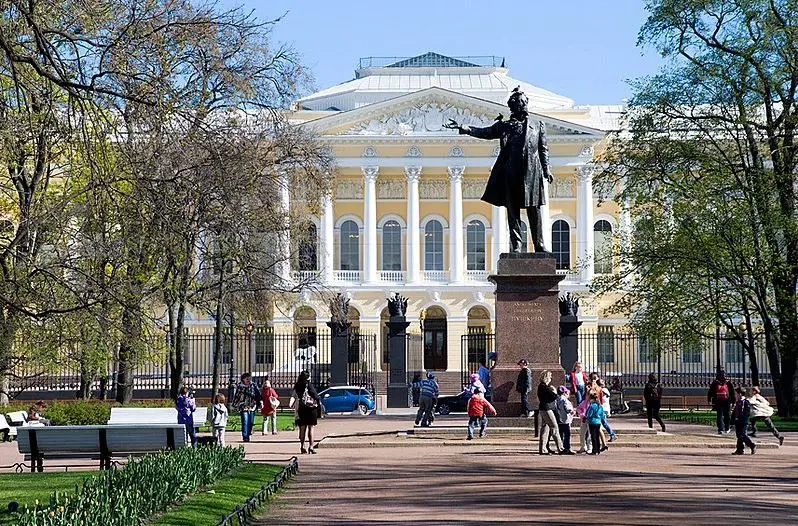
Most Visited Monuments in Russia l Famous Monuments in Russia
Are you looking to explore the history of Russia through the ages? There are a number of historical monuments in Russia including the time-honored buildings, landmarks palaces, and parks where you can learn about the glorious past of Russia. The … Continue reading
The post Most Visited Monuments in Russia l Famous Monuments in Russia appeared first on World Tour & Travel Guide, Get Travel Tips, Information, Discover Travel Destination | Adequate Travel.
Read More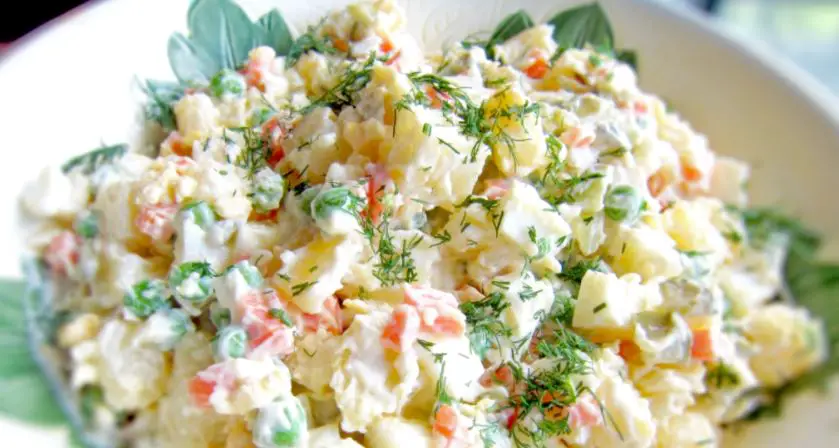
Top 10 Foods of St. Petersburg, Russia | Famous Foods To Try in St. Petersburg
A food tour of St. Petersburg is a must when you are in Russia’s economic capital. This city delivers a tremendous variety of flavors to explore. You will love the popular foods in St. Petersburg as they cater to every … Continue reading
The post Top 10 Foods of St. Petersburg, Russia | Famous Foods To Try in St. Petersburg appeared first on World Tour & Travel Guide, Get Travel Tips, Information, Discover Travel Destination | Adequate Travel.
Read More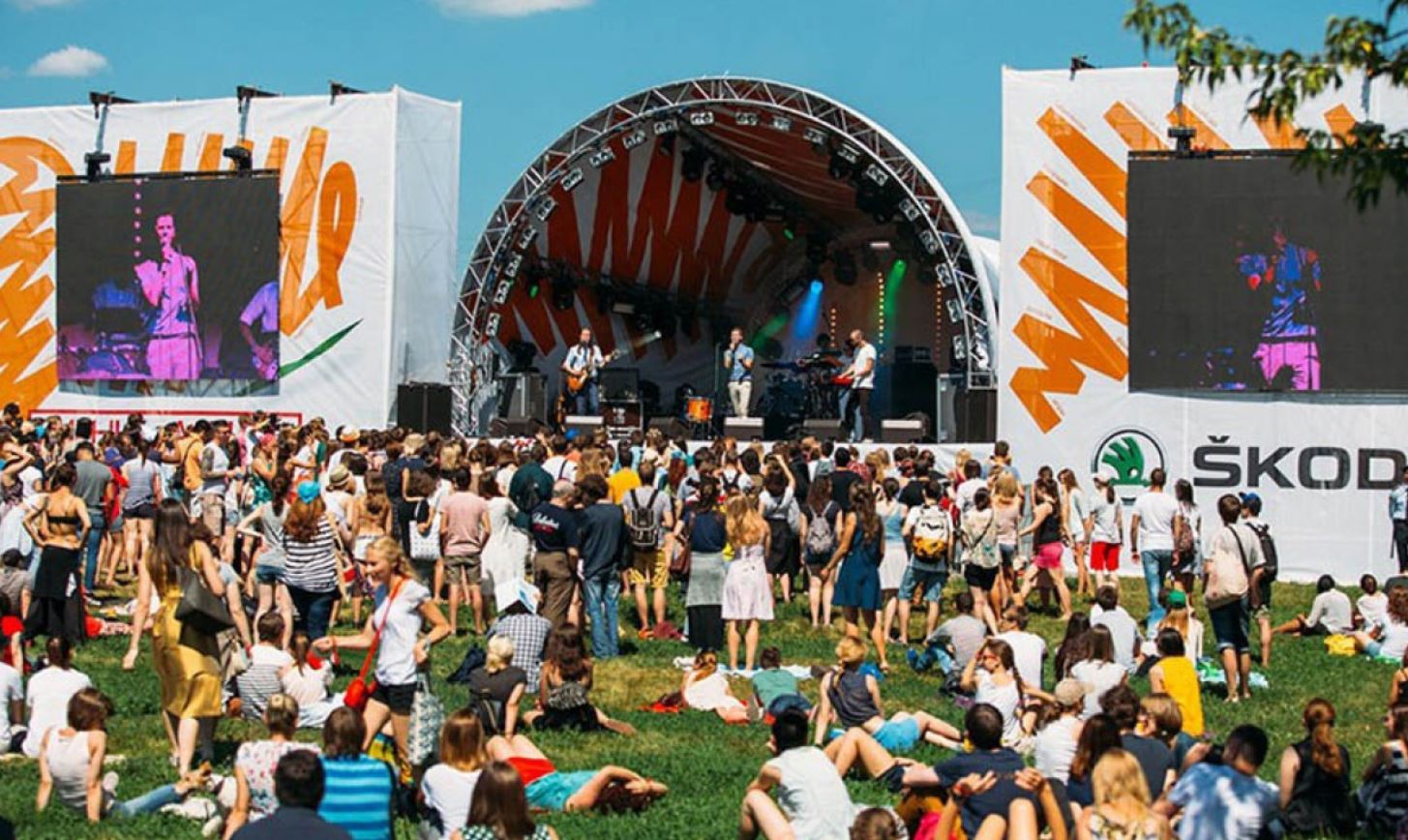
Famous Summer Festivals and Events Celebrated in Russia
In fact, it is very true that if you want to get a real taste of rural culture, you have to visit this place during the festival season. Russia is no exception. Many travelers prefer to visit these places during … Continue reading
The post Famous Summer Festivals and Events Celebrated in Russia appeared first on World Tour & Travel Guide, Get Travel Tips, Information, Discover Travel Destination | Adequate Travel.
Read More
10 Most Beautiful Russian Lakes| Top lakes in Russia
Russia is the country with the maximum number of lakes after Canada. There are more than 2 lakhs lakes in Russia and most of these are artificial lakes. Yeah, this is quite a high number and explaining about all these … Continue reading
The post 10 Most Beautiful Russian Lakes| Top lakes in Russia appeared first on World Tour & Travel Guide, Get Travel Tips, Information, Discover Travel Destination | Adequate Travel.
Read More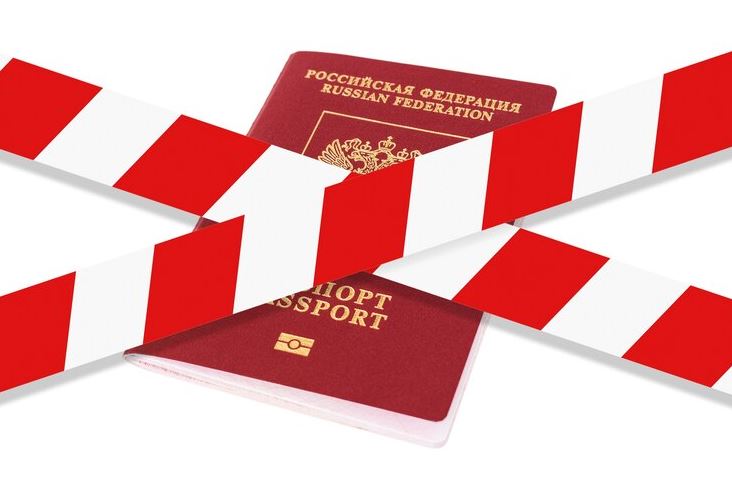
Russia will no longer receive entry visas from Latvia
Synopsis: According to the latest travel news from Latvia, authorities have decided to stop issuing entry visas to Russians. This decision has been taken after long consideration of the present circumstances of the Russo-Ukrainian war. The new changes in the … Continue reading
The post Russia will no longer receive entry visas from Latvia appeared first on World Tour & Travel Guide, Get Travel Tips, Information, Discover Travel Destination | Adequate Travel.
Read More