Russian Far North:

Post ByAdequate Travel
Summary
The Russian Far North is an unforgiving and yet breathtakingly beautiful region, full of unique landscapes and a rich history. Despite its remoteness and often harsh environment, the Russian Far North is home to indigenous people, plants, and animals that have thrived here for hundreds of years. Explore the amazing frozen tundra and breathtaking Arctic coastline of the Russian Far North. Travellers can find valuable travel information for tourists, such as local customs, must-see attractions, and dining recommendations, to make the most of their trip.1. Location
The Russian Far North encompasses the northern territories of Russia, spanning from the Arctic coast to the southern limits of the tundra region. It includes areas such as the Yamalo-Nenets Autonomous Okrug, the Komi Republic, the Nenets Autonomous Okrug, and parts of the Murmansk Oblast and Arkhangelsk Oblast.
2. Climate
The climate in the Russian Far North is severe, with long, cold winters and short, cool summers. The average temperatures in winter can drop well below freezing (often reaching -30°C or lower), while during the brief summer months, temperatures rarely climb above 10°C. The region also experiences constant darkness during the Polar Night in winter and the Midnight Sun phenomenon during the summer.
3. Indigenous People
The Russian Far North is home to several indigenous communities who have successfully adapted to the harsh conditions over centuries. Some of the indigenous peoples of the region include the Nenets, Sami, Evenki, Khanty, and Chukchi. These communities have unique cultures, traditional lifestyles, and a strong connection to the land.
4. Natural Resources
The Russian Far North is rich in various natural resources, including oil, natural gas, minerals, and timber. The region holds significant reserves of natural gas, making it a crucial area for Russia's energy industry. Other resources such as gold, diamonds, coal, and fish are also found in abundance.
5. Biodiversity
Despite its harsh climate, the Russian Far North supports diverse wildlife. The area is home to various species like polar bears, reindeer, Arctic foxes, walruses, seals, and numerous bird species. The region's unique ecosystems, such as tundra and taiga, play a vital role in supporting this biodiversity.
6. Economic Activities
Due to its rich resources, economic activities in the Russian Far North focus primarily on mining, oil and gas extraction, reindeer herding, fishing, and forestry. Many communities rely on traditional occupations like hunting and fishing for their livelihood.
7. Infrastructure Challenges
The remote nature of the Russian Far North presents significant challenges for infrastructure development. The lack of proper roads, harsh weather conditions, and vast distances make transportation and logistics difficult. However, efforts have been made to improve infrastructure, including the development of Arctic ports and the Northern Sea Route.
To summarize, the Russian Far North is a unique region with its distinctive characteristics, including its challenging climate, diverse indigenous cultures, rich natural resources, and abundant wildlife. While it faces infrastructural challenges, the region holds great significance for Russia's economy and natural heritage.Travellers can find valuable travel information for tourists, such as local customs, must-see attractions, and dining recommendations, to make the most of their trip.Suggested Questions
You may also like
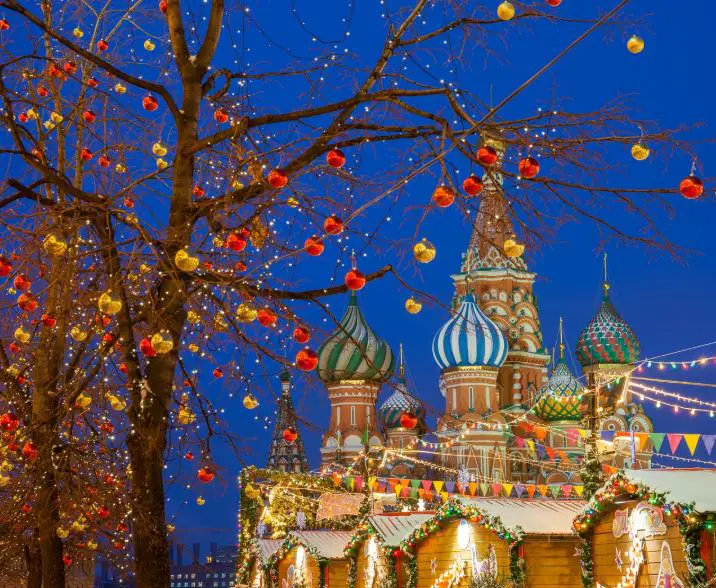
Reasons to Celebrate Christmas in St Petersburg, Russia | Christmas in Saint Petersburg
In St Petersburg Christmas is one of the major holidays. The most interesting fact is that the Russian Orthodox Christian follows the Julian calendar and Christmas is celebrated on the 7th of January and not on 25th December. The new … Continue reading
The post Reasons to Celebrate Christmas in St Petersburg, Russia | Christmas in Saint Petersburg appeared first on World Tour & Travel Guide, Get Travel Tips, Information, Discover Travel Destination | Adequate Travel.
Read More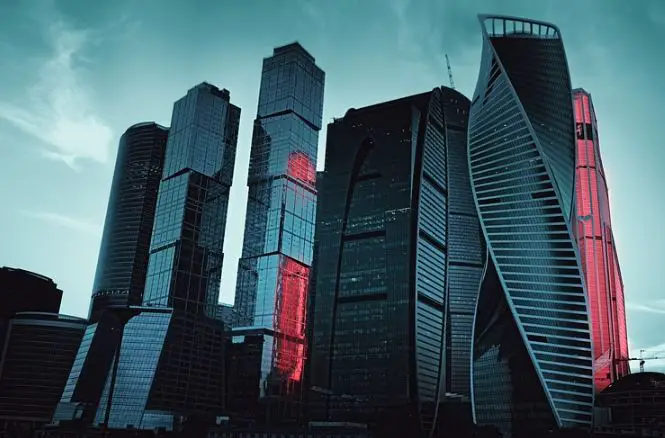
Top 10 Best Cities in Russia to visit | Major Cities in Russia
Russia is a country where a lively cultural scene manifests itself in performing arts, opera, and theatrical productions. The famous cities of Russia offer a perfect cocktail of trendy bars, restaurants and old and new modern shopping malls are interspersed … Continue reading
The post Top 10 Best Cities in Russia to visit | Major Cities in Russia appeared first on World Tour & Travel Guide, Get Travel Tips, Information, Discover Travel Destination | Adequate Travel.
Read More
Best Theme Parks in Moscow Russia | Popular Amusement Parks in Moscow
Those who wish to know about the history of Russia should definitely visit this Moscow because it is considered as the renowned religious center. In boosting the country, Moscow even plays a pivotal role. Apart from the monuments and landmarks, … Continue reading
The post Best Theme Parks in Moscow Russia | Popular Amusement Parks in Moscow appeared first on World Tour & Travel Guide, Get Travel Tips, Information, Discover Travel Destination | Adequate Travel.
Read More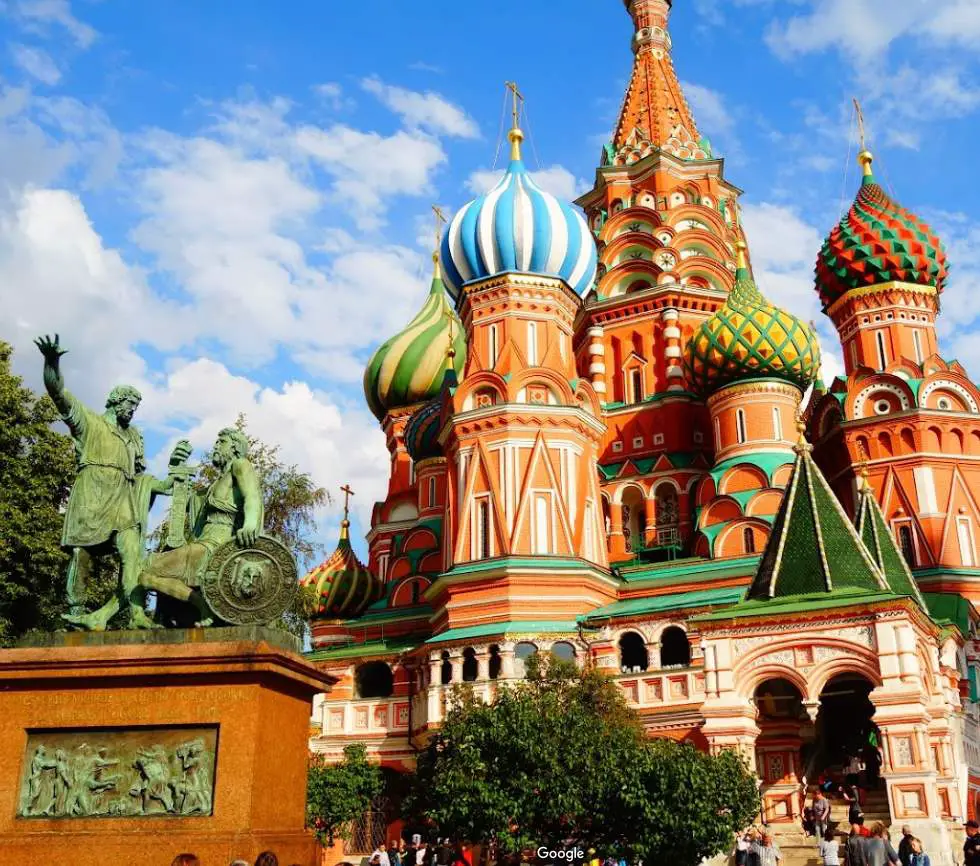
Most Visited Monuments in Moscow, Russia | Famous Monuments of Moscow
The historical monument Moscow begins its history from the beginning of the 19th century. Until that time, it was not customary to install memorials to specific individuals. In memory of significant events or prominent figures of the past temples were … Continue reading
The post Most Visited Monuments in Moscow, Russia | Famous Monuments of Moscow appeared first on World Tour & Travel Guide, Get Travel Tips, Information, Discover Travel Destination | Adequate Travel.
Read More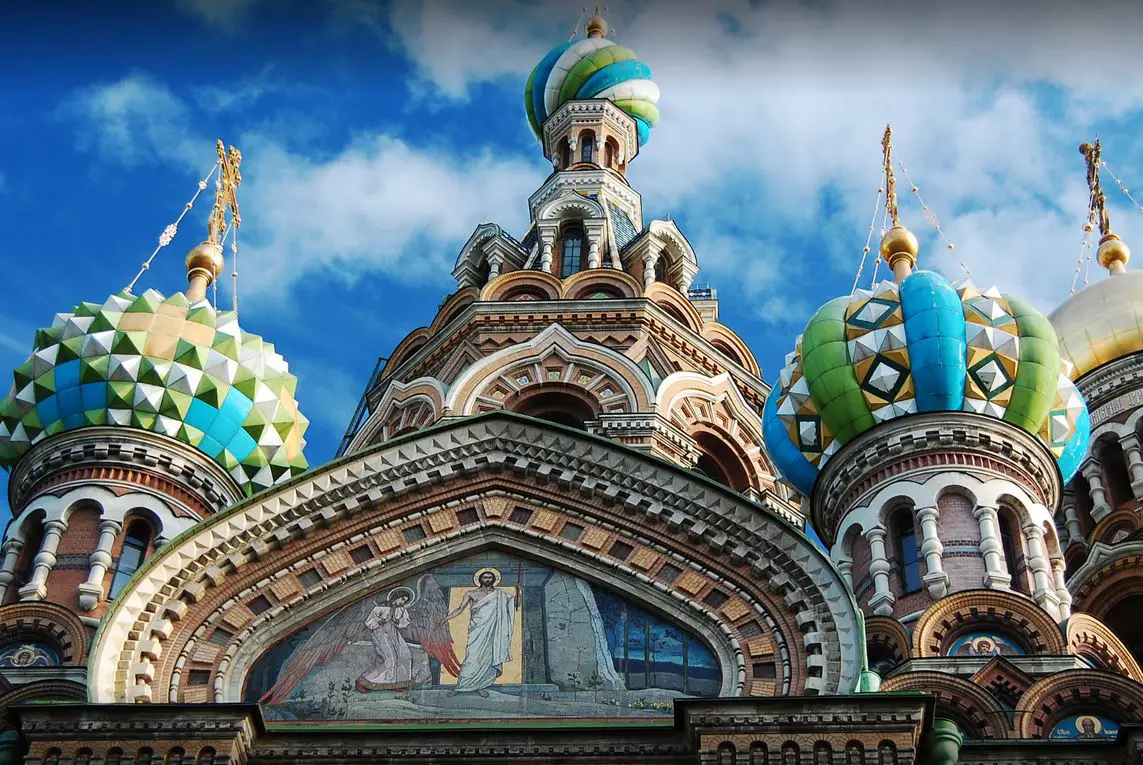
Most Visited Monuments in St. Petersburg, Russia | Famous Monuments of St Petersburg
St. Petersburg once used to be the capital of the Russian Empire for over two centuries, on the front line of the Soviet struggle to repel the Nazi forces during the Second World War and the birthplace of the Bolshevik … Continue reading
The post Most Visited Monuments in St. Petersburg, Russia | Famous Monuments of St Petersburg appeared first on World Tour & Travel Guide, Get Travel Tips, Information, Discover Travel Destination | Adequate Travel.
Read More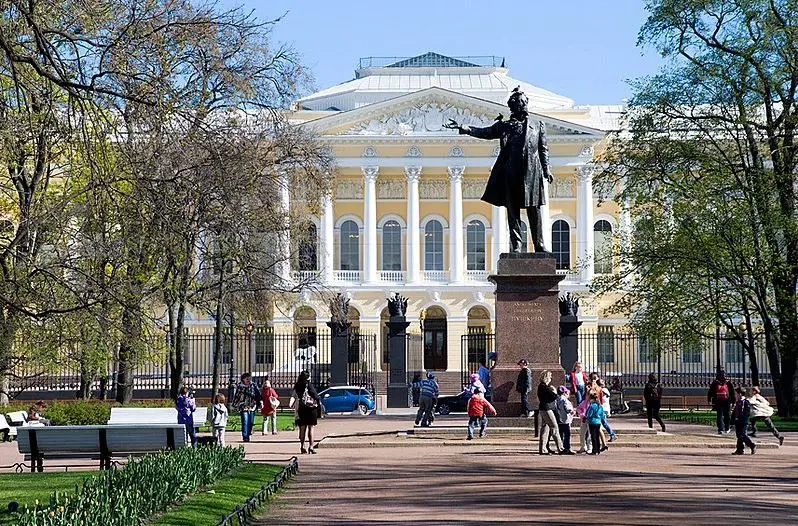
Most Visited Monuments in Russia l Famous Monuments in Russia
Are you looking to explore the history of Russia through the ages? There are a number of historical monuments in Russia including the time-honored buildings, landmarks palaces, and parks where you can learn about the glorious past of Russia. The … Continue reading
The post Most Visited Monuments in Russia l Famous Monuments in Russia appeared first on World Tour & Travel Guide, Get Travel Tips, Information, Discover Travel Destination | Adequate Travel.
Read More
Top 10 Foods of St. Petersburg, Russia | Famous Foods To Try in St. Petersburg
A food tour of St. Petersburg is a must when you are in Russia’s economic capital. This city delivers a tremendous variety of flavors to explore. You will love the popular foods in St. Petersburg as they cater to every … Continue reading
The post Top 10 Foods of St. Petersburg, Russia | Famous Foods To Try in St. Petersburg appeared first on World Tour & Travel Guide, Get Travel Tips, Information, Discover Travel Destination | Adequate Travel.
Read More
Famous Summer Festivals and Events Celebrated in Russia
In fact, it is very true that if you want to get a real taste of rural culture, you have to visit this place during the festival season. Russia is no exception. Many travelers prefer to visit these places during … Continue reading
The post Famous Summer Festivals and Events Celebrated in Russia appeared first on World Tour & Travel Guide, Get Travel Tips, Information, Discover Travel Destination | Adequate Travel.
Read More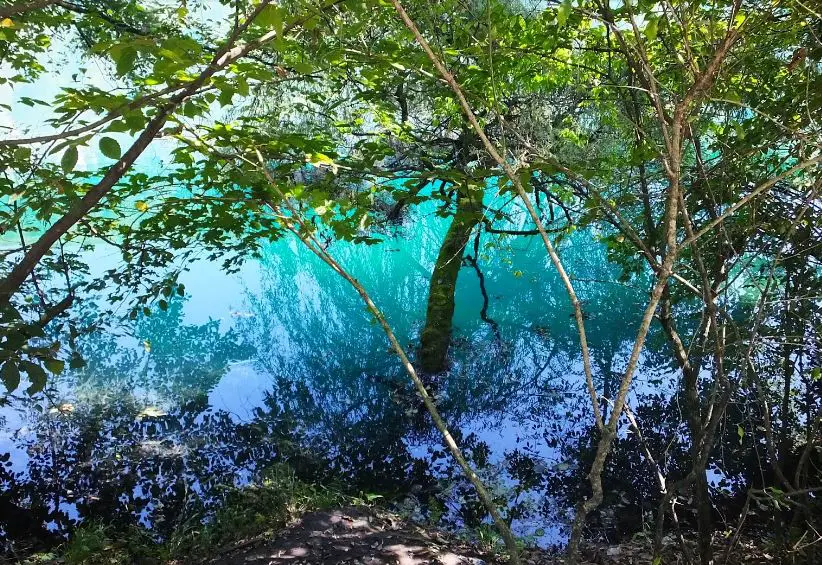
10 Most Beautiful Russian Lakes| Top lakes in Russia
Russia is the country with the maximum number of lakes after Canada. There are more than 2 lakhs lakes in Russia and most of these are artificial lakes. Yeah, this is quite a high number and explaining about all these … Continue reading
The post 10 Most Beautiful Russian Lakes| Top lakes in Russia appeared first on World Tour & Travel Guide, Get Travel Tips, Information, Discover Travel Destination | Adequate Travel.
Read More
Russia will no longer receive entry visas from Latvia
Synopsis: According to the latest travel news from Latvia, authorities have decided to stop issuing entry visas to Russians. This decision has been taken after long consideration of the present circumstances of the Russo-Ukrainian war. The new changes in the … Continue reading
The post Russia will no longer receive entry visas from Latvia appeared first on World Tour & Travel Guide, Get Travel Tips, Information, Discover Travel Destination | Adequate Travel.
Read More