How can I visit historic churches and monasteries?

Post ByAdequate Travel
Summary
Wondering how to see some of the most breathtaking and awe-inspiring historic churches and monasteries? In this blog, we'll provide a few tips and tricks for exploring these remarkable religious sites and uncovering their centuries of history and spiritual significance. The place is known for its rich history and culture, welcomes tourists with open arms. However, be sure to review the travel advisory and travel warnings to ensure a safe and enjoyable experience.1. Research and Plan
Start by researching the historic churches and monasteries you are interested in visiting. Look for their locations, visiting hours, entry fees (if applicable), and any specific rules and regulations for visitors.
Example: If you are interested in visiting the Westminster Abbey in London, research its official website to gather information about its visiting hours, guided tours, and if there are any restrictions due to ongoing events or ceremonies.
2. Create a Travel Itinerary
Once you have a list of the churches and monasteries you want to visit, create a travel itinerary. Plan the sequence of your visits, considering their proximity to each other and the time it will take to explore each site.
Example: If you plan to visit St. Vitus Cathedral in Prague and Esztergom Basilica in Hungary, check their distances and decide which one to visit first based on your travel route.
3. Transportation
Determine the transportation options available to reach each church or monastery. Consider whether you will be traveling by public transport, renting a car, or using organized tours.
Example: If you decide to visit Mont Saint-Michel Abbey in France, you may need to take a bus or shuttle from the nearby town. Check the schedules and routes in advance to ensure hassle-free transportation.
4. Check Dress Code and Etiquette
Many historic churches and monasteries have specific dress codes and etiquette rules. Make sure to check and respect them to facilitate a smooth visit.
Example: Some religious sites may require visitors to cover their shoulders, knees, or wear modest attire. Understand the rules beforehand and dress accordingly to avoid any inconvenience.
5. Guided Tours or Audio Guides
Consider taking guided tours or using audio guides available at the historic churches and monasteries. These services can provide valuable insights, historical context, and help you navigate through the complex structures.
Example: The Vatican offers guided tours of St. Peter's Basilica, providing visitors with in-depth knowledge about the art, architecture, and history of the iconic church.
6. Be Respectful and Mindful
When visiting historic churches and monasteries, remember to be respectful and mindful of the religious and cultural significance they hold. Follow the rules, avoid excessive noise, and refrain from touching or tampering with any artifacts or structures.
Example: When visiting the Golden Temple in Amritsar, India, ensure you maintain a respectful demeanor, cover your head with a scarf, and take off your shoes before entering the temple complex.
Remember to check the specific guidelines provided by the churches and monasteries you plan to visit, as requirements and regulations may vary. Enjoy your exploration of these magnificent historic sites!As you prepare for your journey, familiarize yourself with the specific entry requirements, including any necessary visas or documentation.Suggested Questions
You may also like
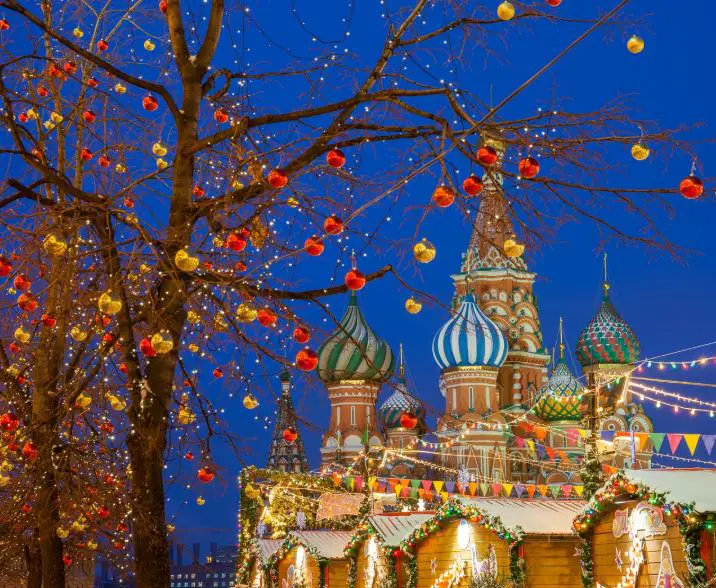
Reasons to Celebrate Christmas in St Petersburg, Russia | Christmas in Saint Petersburg
In St Petersburg Christmas is one of the major holidays. The most interesting fact is that the Russian Orthodox Christian follows the Julian calendar and Christmas is celebrated on the 7th of January and not on 25th December. The new … Continue reading
The post Reasons to Celebrate Christmas in St Petersburg, Russia | Christmas in Saint Petersburg appeared first on World Tour & Travel Guide, Get Travel Tips, Information, Discover Travel Destination | Adequate Travel.
Read More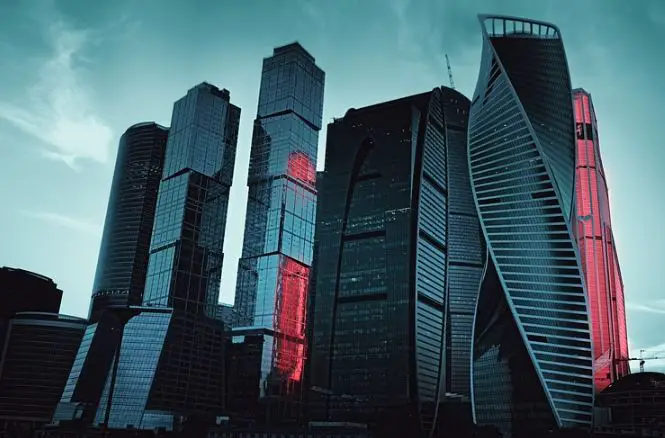
Top 10 Best Cities in Russia to visit | Major Cities in Russia
Russia is a country where a lively cultural scene manifests itself in performing arts, opera, and theatrical productions. The famous cities of Russia offer a perfect cocktail of trendy bars, restaurants and old and new modern shopping malls are interspersed … Continue reading
The post Top 10 Best Cities in Russia to visit | Major Cities in Russia appeared first on World Tour & Travel Guide, Get Travel Tips, Information, Discover Travel Destination | Adequate Travel.
Read More
Best Theme Parks in Moscow Russia | Popular Amusement Parks in Moscow
Those who wish to know about the history of Russia should definitely visit this Moscow because it is considered as the renowned religious center. In boosting the country, Moscow even plays a pivotal role. Apart from the monuments and landmarks, … Continue reading
The post Best Theme Parks in Moscow Russia | Popular Amusement Parks in Moscow appeared first on World Tour & Travel Guide, Get Travel Tips, Information, Discover Travel Destination | Adequate Travel.
Read More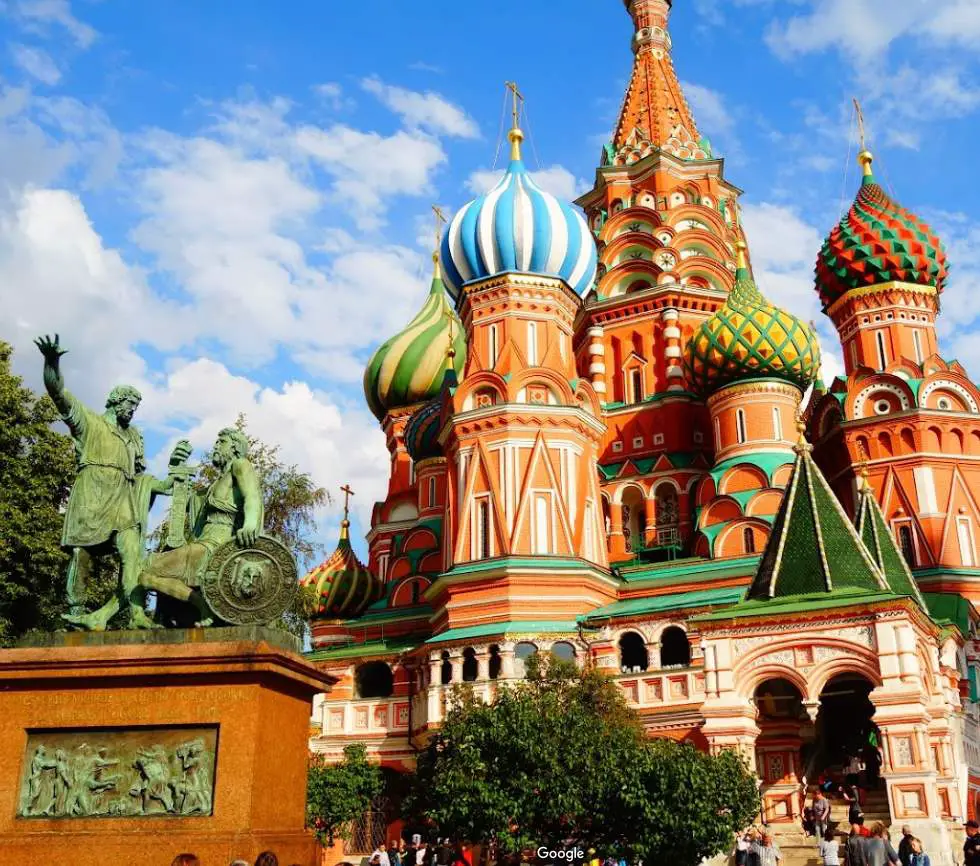
Most Visited Monuments in Moscow, Russia | Famous Monuments of Moscow
The historical monument Moscow begins its history from the beginning of the 19th century. Until that time, it was not customary to install memorials to specific individuals. In memory of significant events or prominent figures of the past temples were … Continue reading
The post Most Visited Monuments in Moscow, Russia | Famous Monuments of Moscow appeared first on World Tour & Travel Guide, Get Travel Tips, Information, Discover Travel Destination | Adequate Travel.
Read More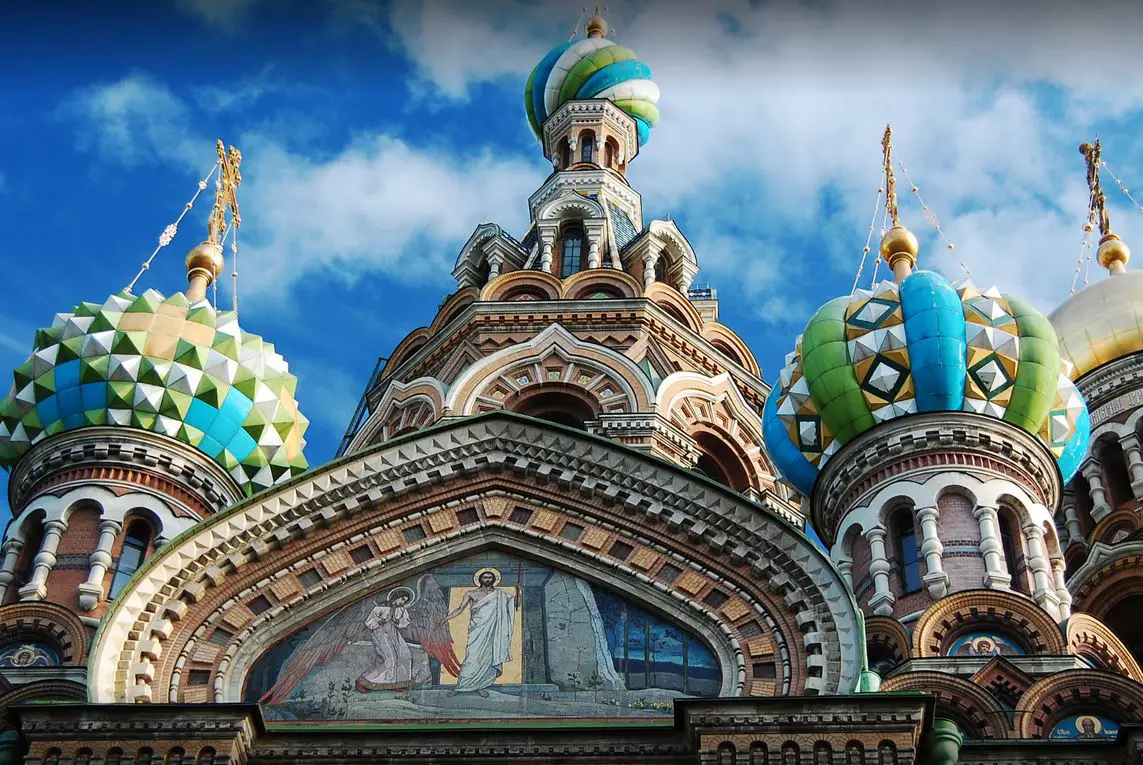
Most Visited Monuments in St. Petersburg, Russia | Famous Monuments of St Petersburg
St. Petersburg once used to be the capital of the Russian Empire for over two centuries, on the front line of the Soviet struggle to repel the Nazi forces during the Second World War and the birthplace of the Bolshevik … Continue reading
The post Most Visited Monuments in St. Petersburg, Russia | Famous Monuments of St Petersburg appeared first on World Tour & Travel Guide, Get Travel Tips, Information, Discover Travel Destination | Adequate Travel.
Read More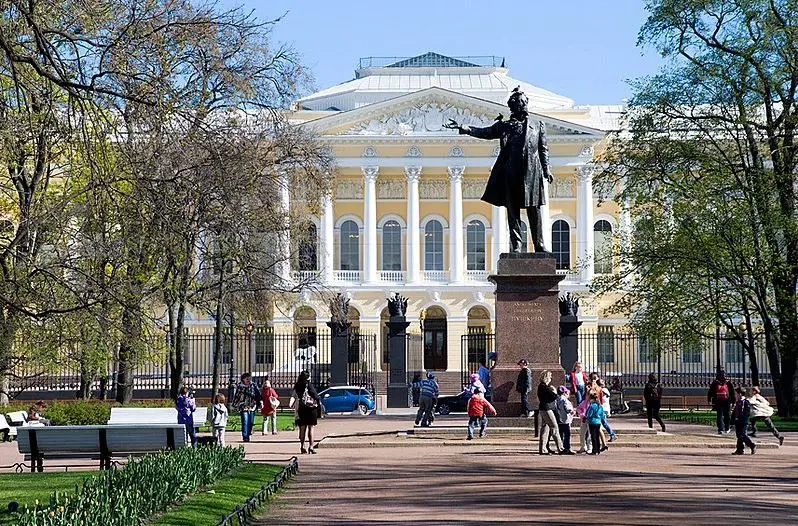
Most Visited Monuments in Russia l Famous Monuments in Russia
Are you looking to explore the history of Russia through the ages? There are a number of historical monuments in Russia including the time-honored buildings, landmarks palaces, and parks where you can learn about the glorious past of Russia. The … Continue reading
The post Most Visited Monuments in Russia l Famous Monuments in Russia appeared first on World Tour & Travel Guide, Get Travel Tips, Information, Discover Travel Destination | Adequate Travel.
Read More
Top 10 Foods of St. Petersburg, Russia | Famous Foods To Try in St. Petersburg
A food tour of St. Petersburg is a must when you are in Russia’s economic capital. This city delivers a tremendous variety of flavors to explore. You will love the popular foods in St. Petersburg as they cater to every … Continue reading
The post Top 10 Foods of St. Petersburg, Russia | Famous Foods To Try in St. Petersburg appeared first on World Tour & Travel Guide, Get Travel Tips, Information, Discover Travel Destination | Adequate Travel.
Read More
Famous Summer Festivals and Events Celebrated in Russia
In fact, it is very true that if you want to get a real taste of rural culture, you have to visit this place during the festival season. Russia is no exception. Many travelers prefer to visit these places during … Continue reading
The post Famous Summer Festivals and Events Celebrated in Russia appeared first on World Tour & Travel Guide, Get Travel Tips, Information, Discover Travel Destination | Adequate Travel.
Read More
10 Most Beautiful Russian Lakes| Top lakes in Russia
Russia is the country with the maximum number of lakes after Canada. There are more than 2 lakhs lakes in Russia and most of these are artificial lakes. Yeah, this is quite a high number and explaining about all these … Continue reading
The post 10 Most Beautiful Russian Lakes| Top lakes in Russia appeared first on World Tour & Travel Guide, Get Travel Tips, Information, Discover Travel Destination | Adequate Travel.
Read More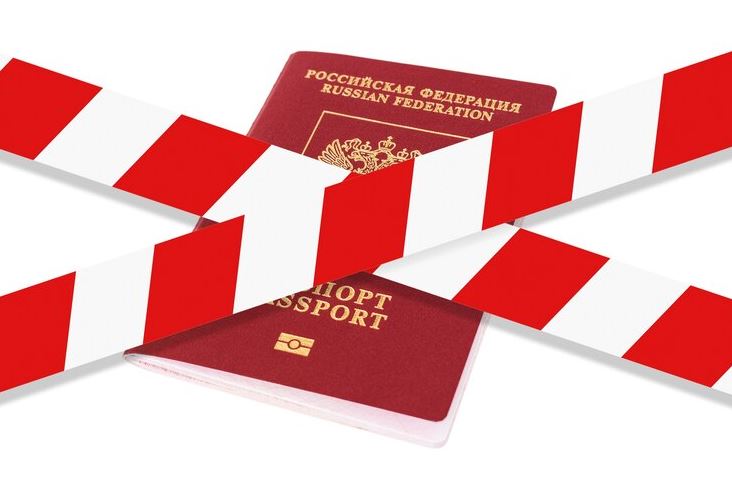
Russia will no longer receive entry visas from Latvia
Synopsis: According to the latest travel news from Latvia, authorities have decided to stop issuing entry visas to Russians. This decision has been taken after long consideration of the present circumstances of the Russo-Ukrainian war. The new changes in the … Continue reading
The post Russia will no longer receive entry visas from Latvia appeared first on World Tour & Travel Guide, Get Travel Tips, Information, Discover Travel Destination | Adequate Travel.
Read More