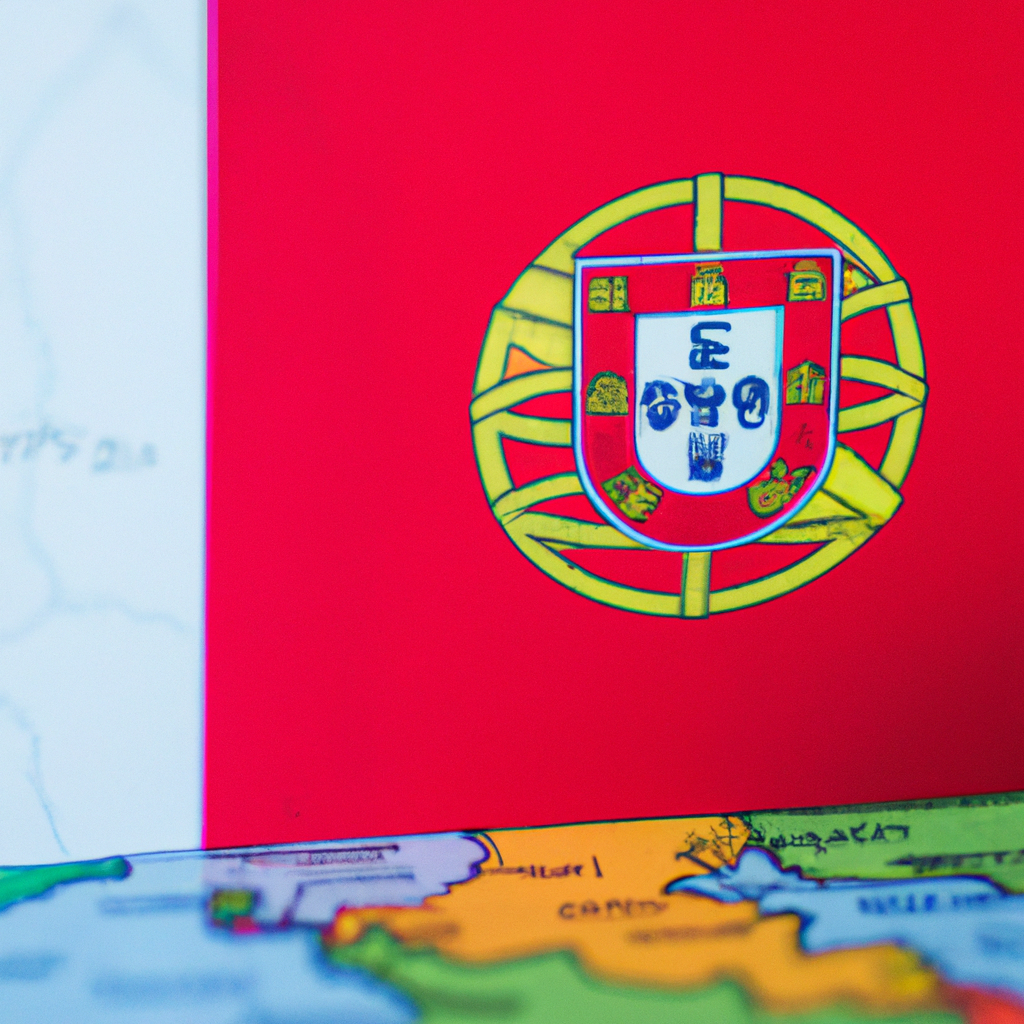
What is the history of the University of Coimbra?

Post ByAdequate Travel
Summary
The University of Coimbra is one of the oldest universities in the world, tracing its origins back to the 1290s. It has been a hub of learning and research for centuries, and continues to be one of the most prestigious universities in the world. In this blog, we will explore the long and fascinating history of the University of Coimbra. Keep in mind that travel guidelines and travel rules may change anytime, so regularly check for updates to ensure a hassle-free and memorable travel experience.The History of the University of Coimbra
- Foundation and Early Years: The University of Coimbra, also known as the University of Coimbra – General Library (UC-BL), is one of the oldest universities in continuous operation in the world. It was founded in 1290 by King Dinis I of Portugal in Lisbon, but it was moved to Coimbra in 1308, making it the oldest academic institution in Portugal.
- Renaissance Era: During the Renaissance, the University of Coimbra became a renowned center for humanistic studies. In the 16th century, King John III established a new college, the College of Jesus, which served as the core building of the university. This period saw the incorporation of new subjects, such as medicine and mathematics, into the curriculum.
- University Reform: In the 18th century, the Marquis of Pombal, as the Prime Minister of Portugal, implemented a series of reforms in higher education. Coimbra University was reorganized and its structure was modernized to embrace the Enlightenment principles. Faculties were created, and academic autonomy was granted.
- Relocation and Consolidation: In 1834, a political and religious movement led to the expulsion of religious orders and the suspension of teaching activities at Coimbra University. However, it reopened in 1837 under a new structure and a secular and republican approach. In 1911, the university was relocated to its current location, occupying the historical buildings on the hill of Almedina.
- Modern Era: The University of Coimbra has experienced significant growth in the 20th and 21st centuries. It expanded its range of degrees and courses, embracing a wide array of fields from sciences to humanities and engineering. As of today, it is internationally recognized for its research and academic excellence.
Examples:
1. Foundation in Lisbon: The University of Coimbra was initially founded in 1290 by King Dinis I of Portugal in Lisbon.
2. Relocation to Coimbra: In 1308, the university was moved to Coimbra, becoming the oldest academic institution in Portugal.
3. The College of Jesus: King John III added the College of Jesus to the university in the 16th century, which played a crucial role in the development of humanistic studies.
4. Marquis of Pombal's Reforms: In the 18th century, the Marquis of Pombal implemented reforms that modernized the university and granted it academic autonomy.
5. Closure and Reopening: The university was closed in 1834 due to political and religious movements but reopened in 1837 with a secular approach.
6. Relocation to Almedina: In 1911, the university was relocated to its current location on the hill of Almedina.
7. Growth and Excellence: The University of Coimbra has experienced significant growth and now offers a wide range of degrees and courses in various fields, earning international recognition for its research and academic excellence.
Before embarking on your journey to portugal, make sure to check the latest travel guidelines and entry requirements to ensure a smooth tripSuggested Questions
You may also like

Traditional Dishes of Portugal You Must Eat On Christmas
Christmas in Portugal is a magical, tasty time of year. What to eat on Christmas in Portugal, there are many options available for you. While the country is full of Michelin starred eateries and innovative chefs offering delicious food year-round, … Continue reading
The post Traditional Dishes of Portugal You Must Eat On Christmas appeared first on World Tour & Travel Guide, Get Travel Tips, Information, Discover Travel Destination | Adequate Travel.
Read More
10 Most Famous Street Food in Lisbon, Portugal
When we think of the best Portuguese street food Lisbon, we think of vintage food trucks and hot dogs in buns. In Lisbon, it’s all about the cafés and pastelarias (pastry shops). Choosing what to eat can be intimidating at … Continue reading
The post 10 Most Famous Street Food in Lisbon, Portugal appeared first on World Tour & Travel Guide, Get Travel Tips, Information, Discover Travel Destination | Adequate Travel.
Read More
Best Theme Parks in Lisbon Portugal | Popular Amusement Parks in Lisbon
If you love to explore the joy of experiencing different rides or love going to theme parks then Lisbon offers you with a wide range of parks where you can go and enjoy with your family and friends. This list … Continue reading
The post Best Theme Parks in Lisbon Portugal | Popular Amusement Parks in Lisbon appeared first on World Tour & Travel Guide, Get Travel Tips, Information, Discover Travel Destination | Adequate Travel.
Read More
Best Cities to Visit in Portugal | Major Cities in Portugal
This article has been written for you if you’re looking for some cool cities to visit in Portugal. Lisbon is an incredible city. Its lifestyle, history, and rich culture are unique and you will love every minute you will be … Continue reading
The post Best Cities to Visit in Portugal | Major Cities in Portugal appeared first on World Tour & Travel Guide, Get Travel Tips, Information, Discover Travel Destination | Adequate Travel.
Read More
10 Best Beaches in Lisbon | Beautiful Beaches Near Lisbon to Visit, Portugal
Lisbon is surrounded by four amazing coastlines that are distinctively famous for different beach activities in Portugal. This city is washed up by the Tagus river which provides coarse sand to the amazing beaches of Lisbon. The river later ends … Continue reading
The post 10 Best Beaches in Lisbon | Beautiful Beaches Near Lisbon to Visit, Portugal appeared first on World Tour & Travel Guide, Get Travel Tips, Information, Discover Travel Destination | Adequate Travel.
Read More
Top 10 Foods to Try in Lisbon | Famous Foods of Lisbon Portugal
Lisbon offers a wide range of flavours in its incredible meals that you must not miss if you ever visit this city. Since the city is well-known for its port and freshly caught seafood that usually people consider as one … Continue reading
The post Top 10 Foods to Try in Lisbon | Famous Foods of Lisbon Portugal appeared first on World Tour & Travel Guide, Get Travel Tips, Information, Discover Travel Destination | Adequate Travel.
Read More
The 12 Famous Monuments in Lisbon Portugal | Most Visited Monuments in Lisbon
Portugal’s hilly capital, the coastal city of Lisbon is the westernmost capital of Europe. Colourful and historic, the city is teeming with life in every corner, and every person and structure has a story to tell that will reveal secrets … Continue reading
The post The 12 Famous Monuments in Lisbon Portugal | Most Visited Monuments in Lisbon appeared first on World Tour & Travel Guide, Get Travel Tips, Information, Discover Travel Destination | Adequate Travel.
Read More
Most Visited Monuments in Portugal l Famous Monuments in Portugal
Portugal is definitely a novel place to be and a remarkable sight to see. With a trove of deep-rooted traditions and celebrated cultures, a visit to the monuments in Portugal departs from the humdrum sightseeing tours to bring you an … Continue reading
The post Most Visited Monuments in Portugal l Famous Monuments in Portugal appeared first on World Tour & Travel Guide, Get Travel Tips, Information, Discover Travel Destination | Adequate Travel.
Read More
Top 10 Unusual Places to Explore In Portugal
If you’re planning to explore the best but unusual places to visit in Portugal, a European country, and you don’t want your trip to consist of the same old stuff then you have come to the right place. Such as … Continue reading
The post Top 10 Unusual Places to Explore In Portugal appeared first on World Tour & Travel Guide, Get Travel Tips, Information, Discover Travel Destination | Adequate Travel.
Read More
Top Popular Summer Festivals in Portugal Not to Miss
Most villages and towns in Portugal have their own traditional festival (Festa) or pilgrimage (romaria). These famous summer festivals in Portugal celebrate history, religion and culture. There are also some great contemporary events throughout the year, including music festivals, sand … Continue reading
The post Top Popular Summer Festivals in Portugal Not to Miss appeared first on World Tour & Travel Guide, Get Travel Tips, Information, Discover Travel Destination | Adequate Travel.
Read More