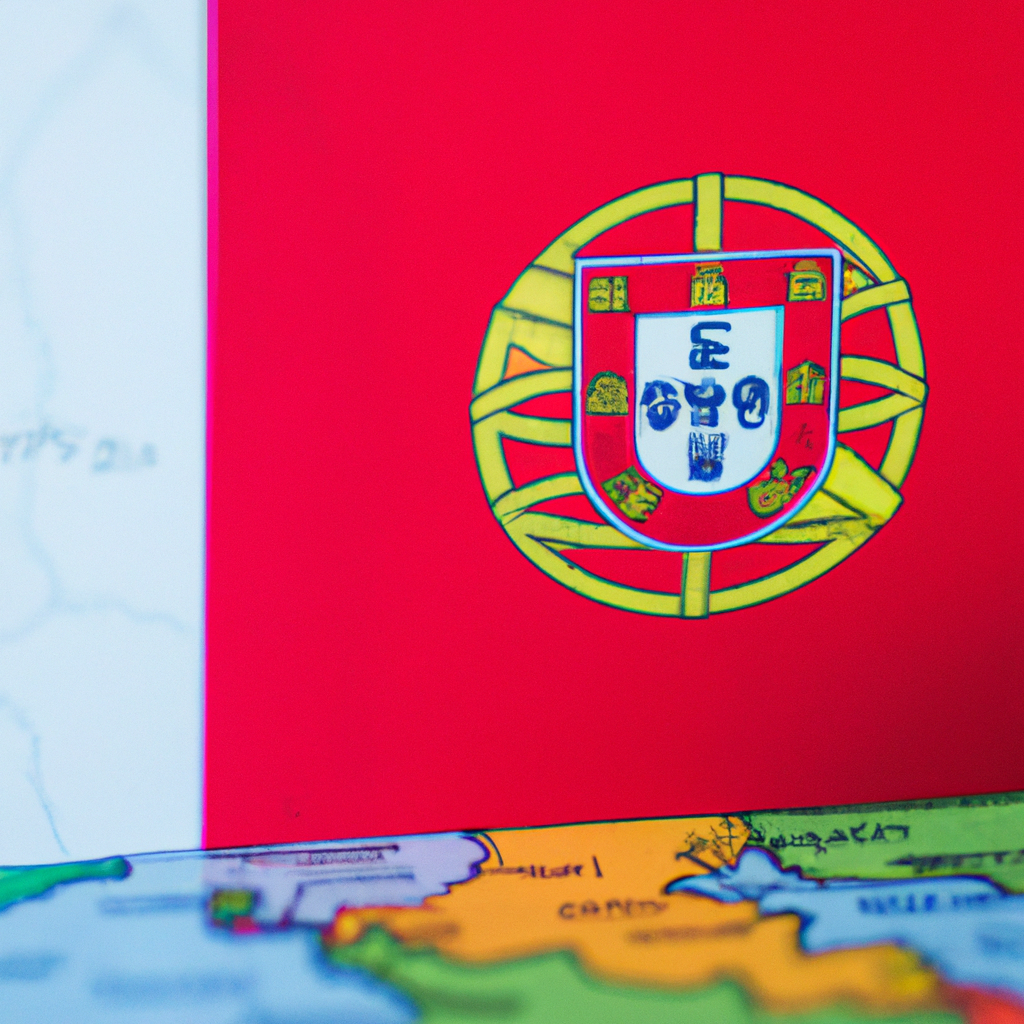
What is the history of the Ajuda National Palace?

Post ByAdequate Travel
Summary
The Ajuda National Palace is a stunning structure that stands out on Lisbon's skyline. Home to the former residence of the royal family of Portugal, it has a long history of kings and queens. Discover the captivating story behind this majestic grand palace and find out everything you need to know about its rich history. Keep in mind that travel guidelines and travel rules may change anytime, so regularly check for updates to ensure a hassle-free and memorable travel experience.History of the Ajuda National Palace
1. Origins in the 18th century:
The Ajuda National Palace, located in Lisbon, Portugal, has its origins in the mid-18th century. It began as a hunting lodge called Real Barraca de Ajuda and was commissioned by King José I of Portugal.
2. Reconstruction as a palace:
In 1794, King José's daughter, Queen Maria I, decided to transform the hunting lodge into a lavish palace. The reconstruction process lasted for several years, with some interruptions due to political events and the Napoleonic Wars.
3. Neoclassical architecture:
The palace was designed in a neoclassical architectural style, influenced by French and Italian designs of the time. It features grand halls, opulent decorations, and beautiful gardens.
4. Residence of the royal family:
From the early 19th century, the Ajuda National Palace became the official residence of the royal family of Portugal. It served as the primary residence for Queen Maria I and her successors until the monarchy was abolished in 1910.
5. Royal collections:
In addition to being a residence, the palace housed an extensive collection of art and historic artifacts. This collection included paintings, furniture, ceramics, and other decorative objects, showcasing the wealth and cultural heritage of the Portuguese monarchy.
6. Impact of the earthquake and subsequent usage:
In 1755, a massive earthquake struck Lisbon, causing significant damage to the Ajuda National Palace. The reconstruction efforts following the earthquake allowed for the incorporation of some modern features into the building. After the abolition of the monarchy, parts of the palace were converted into a museum and opened to the public.
7. Continuous renovation and restoration:
Over the years, the Ajuda National Palace has undergone several renovation and restoration projects to preserve its historic and artistic value. These efforts have aimed to maintain the neoclassical style and showcase the palace's original grandeur.
8. Cultural landmark:
Today, the Ajuda National Palace is a significant cultural landmark in Lisbon. Visitors can explore the lavishly decorated rooms, admire the royal collections, and gain insights into Portugal's monarchy and history.
While planning your trip, take note of any travel restrictions that may impact your itinerary, such as limited access to certain regions or attractions.Suggested Questions
You may also like

Traditional Dishes of Portugal You Must Eat On Christmas
Christmas in Portugal is a magical, tasty time of year. What to eat on Christmas in Portugal, there are many options available for you. While the country is full of Michelin starred eateries and innovative chefs offering delicious food year-round, … Continue reading
The post Traditional Dishes of Portugal You Must Eat On Christmas appeared first on World Tour & Travel Guide, Get Travel Tips, Information, Discover Travel Destination | Adequate Travel.
Read More
10 Most Famous Street Food in Lisbon, Portugal
When we think of the best Portuguese street food Lisbon, we think of vintage food trucks and hot dogs in buns. In Lisbon, it’s all about the cafés and pastelarias (pastry shops). Choosing what to eat can be intimidating at … Continue reading
The post 10 Most Famous Street Food in Lisbon, Portugal appeared first on World Tour & Travel Guide, Get Travel Tips, Information, Discover Travel Destination | Adequate Travel.
Read More
Best Theme Parks in Lisbon Portugal | Popular Amusement Parks in Lisbon
If you love to explore the joy of experiencing different rides or love going to theme parks then Lisbon offers you with a wide range of parks where you can go and enjoy with your family and friends. This list … Continue reading
The post Best Theme Parks in Lisbon Portugal | Popular Amusement Parks in Lisbon appeared first on World Tour & Travel Guide, Get Travel Tips, Information, Discover Travel Destination | Adequate Travel.
Read More
Best Cities to Visit in Portugal | Major Cities in Portugal
This article has been written for you if you’re looking for some cool cities to visit in Portugal. Lisbon is an incredible city. Its lifestyle, history, and rich culture are unique and you will love every minute you will be … Continue reading
The post Best Cities to Visit in Portugal | Major Cities in Portugal appeared first on World Tour & Travel Guide, Get Travel Tips, Information, Discover Travel Destination | Adequate Travel.
Read More
10 Best Beaches in Lisbon | Beautiful Beaches Near Lisbon to Visit, Portugal
Lisbon is surrounded by four amazing coastlines that are distinctively famous for different beach activities in Portugal. This city is washed up by the Tagus river which provides coarse sand to the amazing beaches of Lisbon. The river later ends … Continue reading
The post 10 Best Beaches in Lisbon | Beautiful Beaches Near Lisbon to Visit, Portugal appeared first on World Tour & Travel Guide, Get Travel Tips, Information, Discover Travel Destination | Adequate Travel.
Read More
Top 10 Foods to Try in Lisbon | Famous Foods of Lisbon Portugal
Lisbon offers a wide range of flavours in its incredible meals that you must not miss if you ever visit this city. Since the city is well-known for its port and freshly caught seafood that usually people consider as one … Continue reading
The post Top 10 Foods to Try in Lisbon | Famous Foods of Lisbon Portugal appeared first on World Tour & Travel Guide, Get Travel Tips, Information, Discover Travel Destination | Adequate Travel.
Read More
The 12 Famous Monuments in Lisbon Portugal | Most Visited Monuments in Lisbon
Portugal’s hilly capital, the coastal city of Lisbon is the westernmost capital of Europe. Colourful and historic, the city is teeming with life in every corner, and every person and structure has a story to tell that will reveal secrets … Continue reading
The post The 12 Famous Monuments in Lisbon Portugal | Most Visited Monuments in Lisbon appeared first on World Tour & Travel Guide, Get Travel Tips, Information, Discover Travel Destination | Adequate Travel.
Read More
Most Visited Monuments in Portugal l Famous Monuments in Portugal
Portugal is definitely a novel place to be and a remarkable sight to see. With a trove of deep-rooted traditions and celebrated cultures, a visit to the monuments in Portugal departs from the humdrum sightseeing tours to bring you an … Continue reading
The post Most Visited Monuments in Portugal l Famous Monuments in Portugal appeared first on World Tour & Travel Guide, Get Travel Tips, Information, Discover Travel Destination | Adequate Travel.
Read More
Top 10 Unusual Places to Explore In Portugal
If you’re planning to explore the best but unusual places to visit in Portugal, a European country, and you don’t want your trip to consist of the same old stuff then you have come to the right place. Such as … Continue reading
The post Top 10 Unusual Places to Explore In Portugal appeared first on World Tour & Travel Guide, Get Travel Tips, Information, Discover Travel Destination | Adequate Travel.
Read More
Top Popular Summer Festivals in Portugal Not to Miss
Most villages and towns in Portugal have their own traditional festival (Festa) or pilgrimage (romaria). These famous summer festivals in Portugal celebrate history, religion and culture. There are also some great contemporary events throughout the year, including music festivals, sand … Continue reading
The post Top Popular Summer Festivals in Portugal Not to Miss appeared first on World Tour & Travel Guide, Get Travel Tips, Information, Discover Travel Destination | Adequate Travel.
Read More