What is the climate like in the Far North, and how to prepare?

Post ByAdequate Travel
Summary
From the dark and cold of the arctic winter to the balmy summer days of the subarctic, the climate of the Far North can vary greatly. In this blog post, we’ll explore the distinct seasons of the Far North and offer advice on how to prepare for the climate, no matter where you’re located in the area. Keep in mind that travel guidelines and travel rules may change anytime, so regularly check for updates to ensure a hassle-free and memorable travel experience.Climate in the Far North
The Far North generally refers to regions located close to or within the Arctic Circle. The climate in these areas is predominantly characterized by extremely cold temperatures, long and harsh winters, and relatively cool summers. Here are some key aspects of the climate in the Far North:1. Temperature:
- The average temperature in winter can range from -30°C (-22°F) to -50°C (-58°F). In some areas, temperatures can even drop below -60°C (-76°F).- Summer temperatures can vary greatly but typically range from 0°C (32°F) to 15°C (59°F).
2. Precipitation:
- The amount of precipitation in the Far North varies depending on the specific region. Some areas experience low precipitation, while others, particularly coastal regions, receive more rainfall.- Precipitation is often in the form of snow, with heavy snowfall occurring during winter months.
3. Daylight:
- The Far North experiences extreme variations in daylight hours throughout the year.- During the winter, the days are extremely short, and in some areas, the sun doesn't rise above the horizon for several weeks. This is known as the polar night.
- In contrast, during the summer, the Far North has very long days, with periods of continuous daylight called the midnight sun.
Preparing for the Far North:
When preparing to visit or live in the Far North, it is crucial to consider the extreme climate conditions and take appropriate measures. Some preparations to consider include:1. Dressing in Layers:
- Layering clothing is essential to stay warm in cold temperatures. This involves wearing multiple thin layers of clothing rather than a single heavy garment.- Start with a moisture-wicking base layer, add a warm insulating layer, and then wear a windproof and waterproof outer layer.
2. Cold Weather Gear:
- Invest in high-quality cold weather gear, such as insulated boots, thick gloves or mittens, a warm hat, and thermal socks.- Opt for gear that is designed for extreme cold and provides adequate insulation.
3. Winter Driving Precautions:
- If driving in winter is necessary, equip your vehicle with winter tires and carry emergency supplies, including a blanket, extra food, and a shovel.- Learn to drive on icy or snowy roads, and be aware of specific precautions like avoiding sudden braking or accelerating.
4. Sun Protection:
- During summer months with extended daylight, it is crucial to protect your skin from excessive sun exposure.- Use sunscreen with a high SPF, wear sunglasses to protect your eyes, and consider using a wide-brimmed hat for additional shade.
5. Adequate Shelter and Heating:
- Ensure your housing or accommodations have proper insulation and heating systems to withstand extreme cold temperatures.- Stock up on warm blankets, extra firewood (if applicable), and emergency heating sources like portable space heaters.
6. Familiarity with Local Conditions and Alerts:
- Stay informed about weather conditions and warnings in the area.- Follow local news or official weather sources for updates on extreme weather conditions, storms, or dangerous conditions such as blizzards.
7. Emergency Preparedness:
- Have an emergency kit ready with essentials like non-perishable food, water, a battery-powered radio, flashlights, and first aid supplies.- Familiarize yourself with emergency protocols or evacuation plans specific to the region.By adequately preparing for the Far North's climate, individuals can minimize the risks associated with extreme cold temperatures and enjoy their time safely in these regions.Keep in mind that travel guidelines and travel rules may change anytime, so regularly check for updates to ensure a hassle-free and memorable travel experience.
Suggested Questions
You may also like
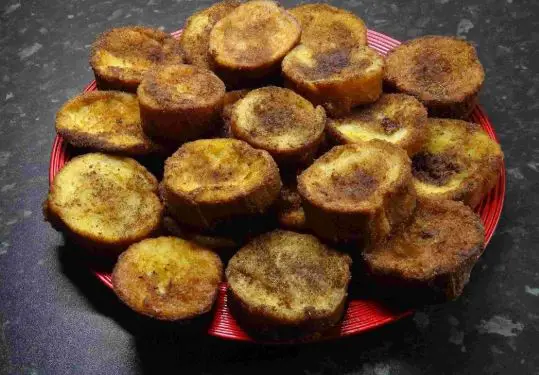
Traditional Dishes of Portugal You Must Eat On Christmas
Christmas in Portugal is a magical, tasty time of year. What to eat on Christmas in Portugal, there are many options available for you. While the country is full of Michelin starred eateries and innovative chefs offering delicious food year-round, … Continue reading
The post Traditional Dishes of Portugal You Must Eat On Christmas appeared first on World Tour & Travel Guide, Get Travel Tips, Information, Discover Travel Destination | Adequate Travel.
Read More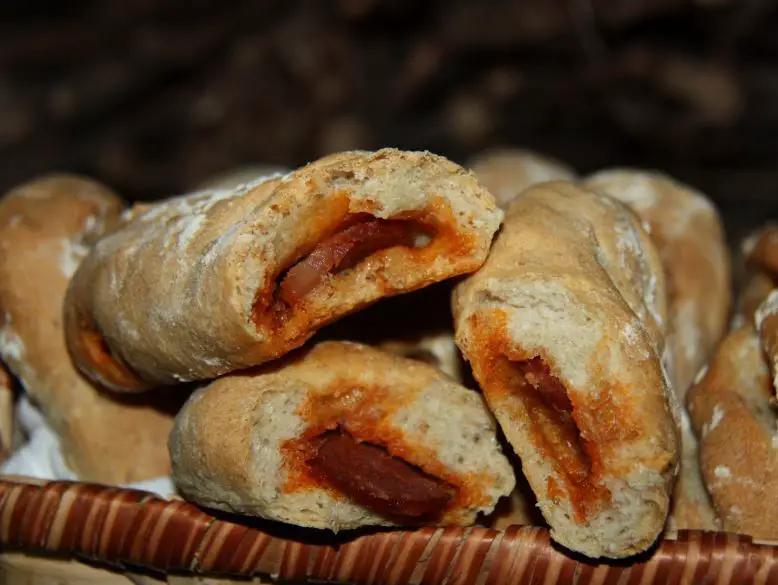
10 Most Famous Street Food in Lisbon, Portugal
When we think of the best Portuguese street food Lisbon, we think of vintage food trucks and hot dogs in buns. In Lisbon, it’s all about the cafés and pastelarias (pastry shops). Choosing what to eat can be intimidating at … Continue reading
The post 10 Most Famous Street Food in Lisbon, Portugal appeared first on World Tour & Travel Guide, Get Travel Tips, Information, Discover Travel Destination | Adequate Travel.
Read More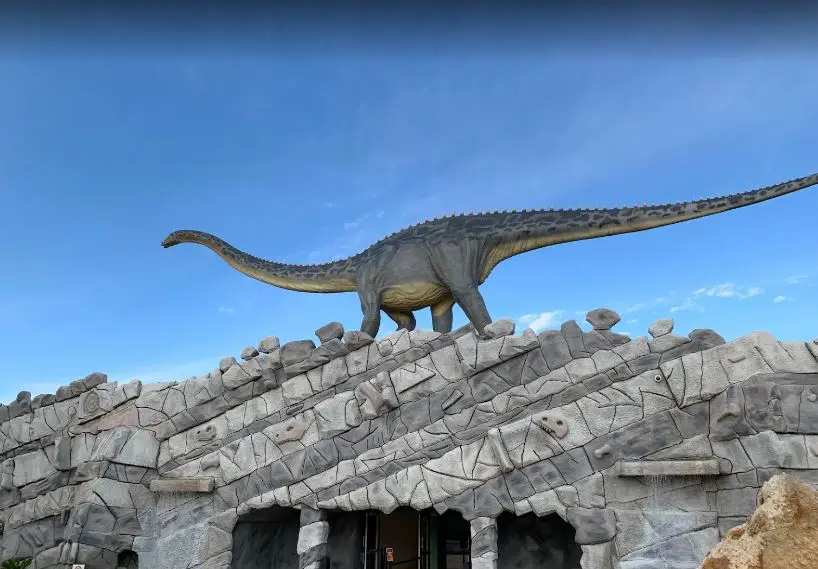
Best Theme Parks in Lisbon Portugal | Popular Amusement Parks in Lisbon
If you love to explore the joy of experiencing different rides or love going to theme parks then Lisbon offers you with a wide range of parks where you can go and enjoy with your family and friends. This list … Continue reading
The post Best Theme Parks in Lisbon Portugal | Popular Amusement Parks in Lisbon appeared first on World Tour & Travel Guide, Get Travel Tips, Information, Discover Travel Destination | Adequate Travel.
Read More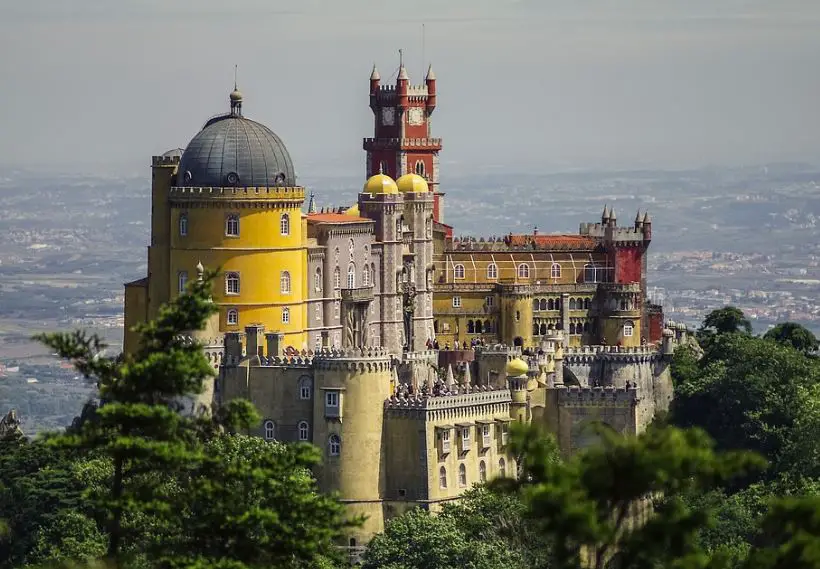
Best Cities to Visit in Portugal | Major Cities in Portugal
This article has been written for you if you’re looking for some cool cities to visit in Portugal. Lisbon is an incredible city. Its lifestyle, history, and rich culture are unique and you will love every minute you will be … Continue reading
The post Best Cities to Visit in Portugal | Major Cities in Portugal appeared first on World Tour & Travel Guide, Get Travel Tips, Information, Discover Travel Destination | Adequate Travel.
Read More
10 Best Beaches in Lisbon | Beautiful Beaches Near Lisbon to Visit, Portugal
Lisbon is surrounded by four amazing coastlines that are distinctively famous for different beach activities in Portugal. This city is washed up by the Tagus river which provides coarse sand to the amazing beaches of Lisbon. The river later ends … Continue reading
The post 10 Best Beaches in Lisbon | Beautiful Beaches Near Lisbon to Visit, Portugal appeared first on World Tour & Travel Guide, Get Travel Tips, Information, Discover Travel Destination | Adequate Travel.
Read More
Top 10 Foods to Try in Lisbon | Famous Foods of Lisbon Portugal
Lisbon offers a wide range of flavours in its incredible meals that you must not miss if you ever visit this city. Since the city is well-known for its port and freshly caught seafood that usually people consider as one … Continue reading
The post Top 10 Foods to Try in Lisbon | Famous Foods of Lisbon Portugal appeared first on World Tour & Travel Guide, Get Travel Tips, Information, Discover Travel Destination | Adequate Travel.
Read More
The 12 Famous Monuments in Lisbon Portugal | Most Visited Monuments in Lisbon
Portugal’s hilly capital, the coastal city of Lisbon is the westernmost capital of Europe. Colourful and historic, the city is teeming with life in every corner, and every person and structure has a story to tell that will reveal secrets … Continue reading
The post The 12 Famous Monuments in Lisbon Portugal | Most Visited Monuments in Lisbon appeared first on World Tour & Travel Guide, Get Travel Tips, Information, Discover Travel Destination | Adequate Travel.
Read More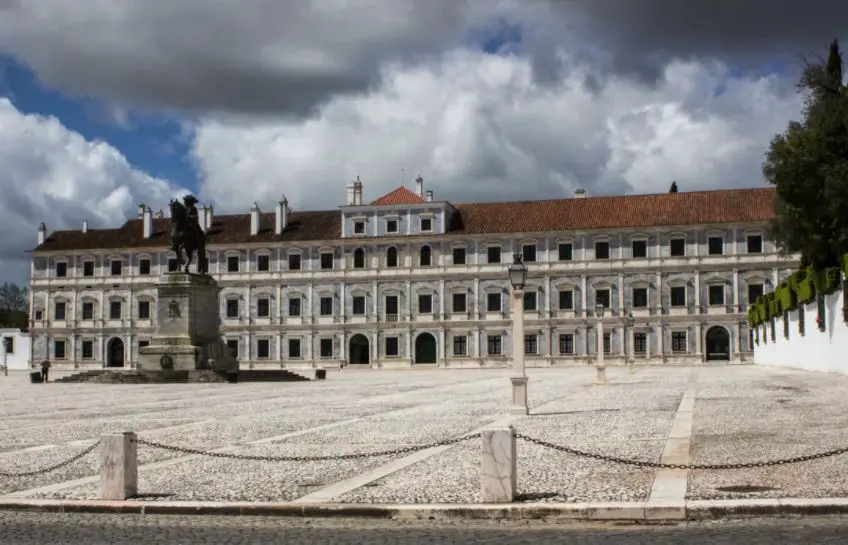
Most Visited Monuments in Portugal l Famous Monuments in Portugal
Portugal is definitely a novel place to be and a remarkable sight to see. With a trove of deep-rooted traditions and celebrated cultures, a visit to the monuments in Portugal departs from the humdrum sightseeing tours to bring you an … Continue reading
The post Most Visited Monuments in Portugal l Famous Monuments in Portugal appeared first on World Tour & Travel Guide, Get Travel Tips, Information, Discover Travel Destination | Adequate Travel.
Read More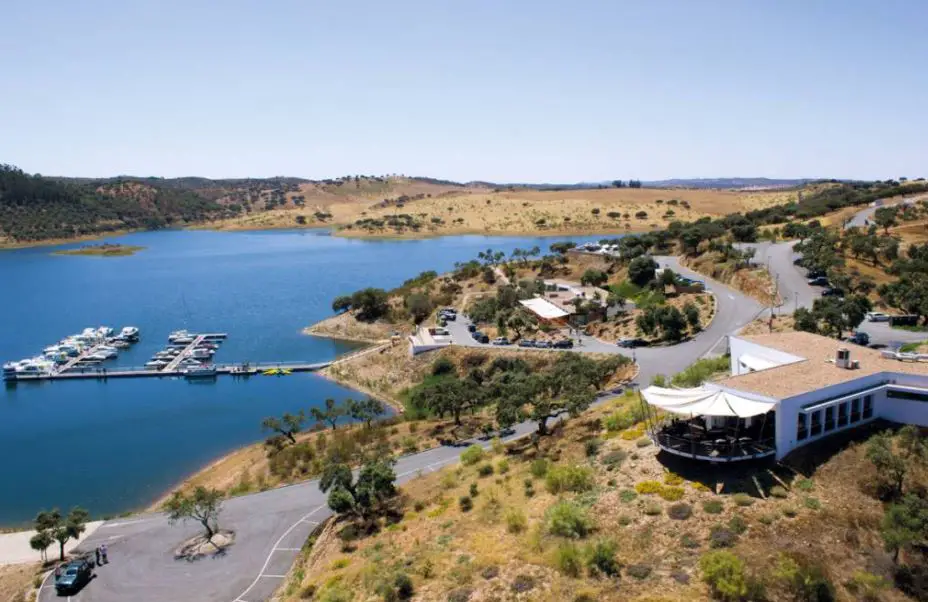
Top 10 Unusual Places to Explore In Portugal
If you’re planning to explore the best but unusual places to visit in Portugal, a European country, and you don’t want your trip to consist of the same old stuff then you have come to the right place. Such as … Continue reading
The post Top 10 Unusual Places to Explore In Portugal appeared first on World Tour & Travel Guide, Get Travel Tips, Information, Discover Travel Destination | Adequate Travel.
Read More
Top Popular Summer Festivals in Portugal Not to Miss
Most villages and towns in Portugal have their own traditional festival (Festa) or pilgrimage (romaria). These famous summer festivals in Portugal celebrate history, religion and culture. There are also some great contemporary events throughout the year, including music festivals, sand … Continue reading
The post Top Popular Summer Festivals in Portugal Not to Miss appeared first on World Tour & Travel Guide, Get Travel Tips, Information, Discover Travel Destination | Adequate Travel.
Read More