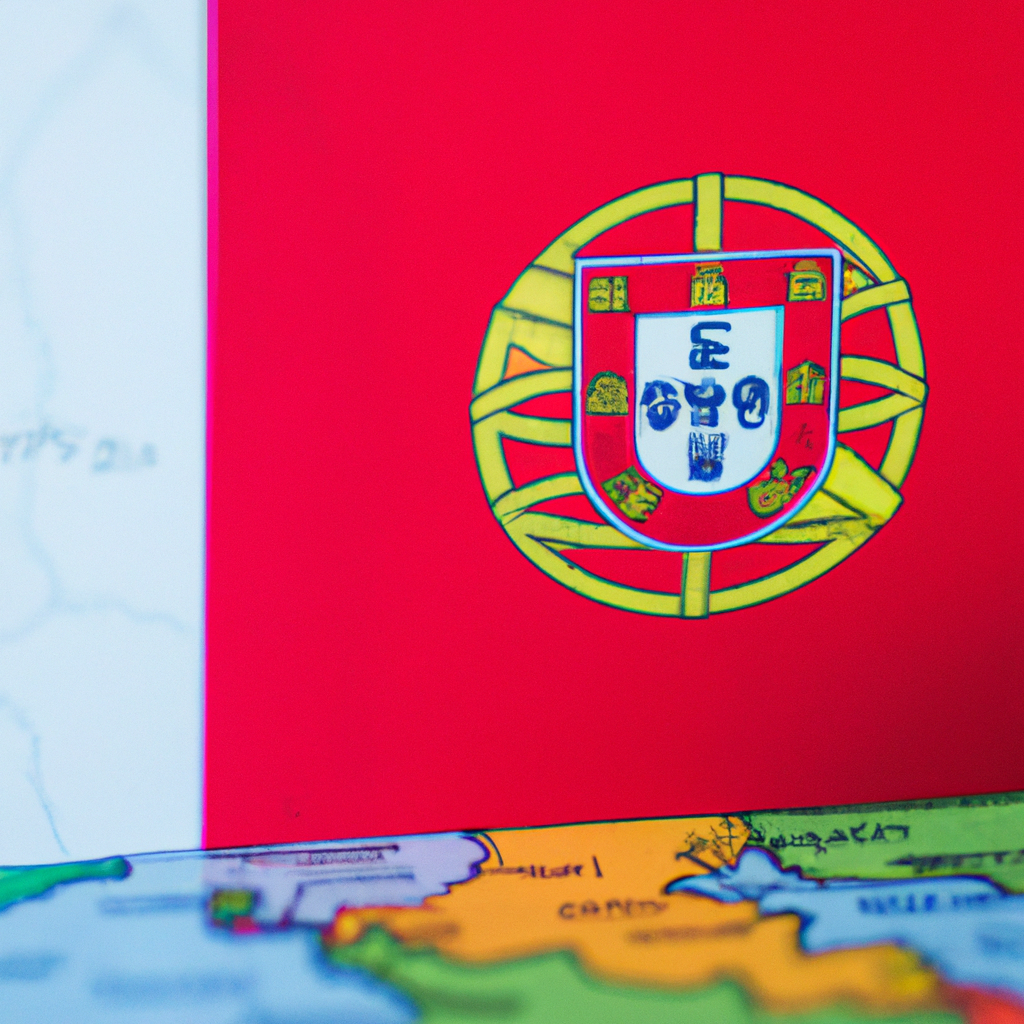
What currency is used in Portugal?

Post ByAdequate Travel
Summary
Portugal is a country of breathtaking beauty, incredible landmarks, and vibrant culture, but what currency is used there? Find out in this blog post! We'll look at Portuguese money and how you can spend it abroad. It's essential to stay updated with international travel information, especially when planning a foreign trip, to navigate any changes in travel advisory or travel warnings.Currency used in Portugal
Portugal uses the Euro as its official currency, symbolized by € (EUR). The currency is managed by the European Central Bank (ECB) under the Eurosystem, which consists of the central banks of the Eurozone countries. Here are some key points about the currency used in Portugal:
1. Euro Banknotes
Portugal uses Euro banknotes in the following denominations:
- €5 - Five Euros
- €10 - Ten Euros
- €20 - Twenty Euros
- €50 - Fifty Euros
- €100 - One Hundred Euros
- €200 - Two Hundred Euros
- €500 - Five Hundred Euros
2. Euro Coins
Portugal uses Euro coins in the following denominations:
- 1 cent
- 2 cents
- 5 cents
- 10 cents
- 20 cents
- 50 cents
- €1 - One Euro
- €2 - Two Euros
3. Exchange Rate
The exchange rate between the Euro and other currencies fluctuates and is determined by several factors, including market conditions and macroeconomic indicators. Travelers can check the current exchange rate through banks, currency exchange offices, or online platforms.
4. Payment Methods
In Portugal, various payment methods are commonly accepted, including:
- Cash: It is recommended to carry some cash for small expenses or places that may not accept cards.
- Debit and Credit Cards: Cards such as Visa, Mastercard, and American Express are widely accepted in most establishments.
- ATMs: ATMs are readily available throughout Portugal, allowing visitors to withdraw Euros using their debit or credit cards.
- Mobile Payments: Services like Apple Pay, Google Pay, and contactless payments using NFC-enabled devices are becoming increasingly popular.
Suggested Questions
You may also like
Traditional Dishes of Portugal You Must Eat On Christmas
Christmas in Portugal is a magical, tasty time of year. What to eat on Christmas in Portugal, there are many options available for you. While the country is full of Michelin starred eateries and innovative chefs offering delicious food year-round, … Continue reading
The post Traditional Dishes of Portugal You Must Eat On Christmas appeared first on World Tour & Travel Guide, Get Travel Tips, Information, Discover Travel Destination | Adequate Travel.
Read More
10 Most Famous Street Food in Lisbon, Portugal
When we think of the best Portuguese street food Lisbon, we think of vintage food trucks and hot dogs in buns. In Lisbon, it’s all about the cafés and pastelarias (pastry shops). Choosing what to eat can be intimidating at … Continue reading
The post 10 Most Famous Street Food in Lisbon, Portugal appeared first on World Tour & Travel Guide, Get Travel Tips, Information, Discover Travel Destination | Adequate Travel.
Read More
Best Theme Parks in Lisbon Portugal | Popular Amusement Parks in Lisbon
If you love to explore the joy of experiencing different rides or love going to theme parks then Lisbon offers you with a wide range of parks where you can go and enjoy with your family and friends. This list … Continue reading
The post Best Theme Parks in Lisbon Portugal | Popular Amusement Parks in Lisbon appeared first on World Tour & Travel Guide, Get Travel Tips, Information, Discover Travel Destination | Adequate Travel.
Read More
Best Cities to Visit in Portugal | Major Cities in Portugal
This article has been written for you if you’re looking for some cool cities to visit in Portugal. Lisbon is an incredible city. Its lifestyle, history, and rich culture are unique and you will love every minute you will be … Continue reading
The post Best Cities to Visit in Portugal | Major Cities in Portugal appeared first on World Tour & Travel Guide, Get Travel Tips, Information, Discover Travel Destination | Adequate Travel.
Read More
10 Best Beaches in Lisbon | Beautiful Beaches Near Lisbon to Visit, Portugal
Lisbon is surrounded by four amazing coastlines that are distinctively famous for different beach activities in Portugal. This city is washed up by the Tagus river which provides coarse sand to the amazing beaches of Lisbon. The river later ends … Continue reading
The post 10 Best Beaches in Lisbon | Beautiful Beaches Near Lisbon to Visit, Portugal appeared first on World Tour & Travel Guide, Get Travel Tips, Information, Discover Travel Destination | Adequate Travel.
Read More
Top 10 Foods to Try in Lisbon | Famous Foods of Lisbon Portugal
Lisbon offers a wide range of flavours in its incredible meals that you must not miss if you ever visit this city. Since the city is well-known for its port and freshly caught seafood that usually people consider as one … Continue reading
The post Top 10 Foods to Try in Lisbon | Famous Foods of Lisbon Portugal appeared first on World Tour & Travel Guide, Get Travel Tips, Information, Discover Travel Destination | Adequate Travel.
Read More
The 12 Famous Monuments in Lisbon Portugal | Most Visited Monuments in Lisbon
Portugal’s hilly capital, the coastal city of Lisbon is the westernmost capital of Europe. Colourful and historic, the city is teeming with life in every corner, and every person and structure has a story to tell that will reveal secrets … Continue reading
The post The 12 Famous Monuments in Lisbon Portugal | Most Visited Monuments in Lisbon appeared first on World Tour & Travel Guide, Get Travel Tips, Information, Discover Travel Destination | Adequate Travel.
Read More
Most Visited Monuments in Portugal l Famous Monuments in Portugal
Portugal is definitely a novel place to be and a remarkable sight to see. With a trove of deep-rooted traditions and celebrated cultures, a visit to the monuments in Portugal departs from the humdrum sightseeing tours to bring you an … Continue reading
The post Most Visited Monuments in Portugal l Famous Monuments in Portugal appeared first on World Tour & Travel Guide, Get Travel Tips, Information, Discover Travel Destination | Adequate Travel.
Read More
Top 10 Unusual Places to Explore In Portugal
If you’re planning to explore the best but unusual places to visit in Portugal, a European country, and you don’t want your trip to consist of the same old stuff then you have come to the right place. Such as … Continue reading
The post Top 10 Unusual Places to Explore In Portugal appeared first on World Tour & Travel Guide, Get Travel Tips, Information, Discover Travel Destination | Adequate Travel.
Read More
Top Popular Summer Festivals in Portugal Not to Miss
Most villages and towns in Portugal have their own traditional festival (Festa) or pilgrimage (romaria). These famous summer festivals in Portugal celebrate history, religion and culture. There are also some great contemporary events throughout the year, including music festivals, sand … Continue reading
The post Top Popular Summer Festivals in Portugal Not to Miss appeared first on World Tour & Travel Guide, Get Travel Tips, Information, Discover Travel Destination | Adequate Travel.
Read More