
Can I go on a wildlife photography expedition in Sweden?

Post ByAdequate Travel
Summary
If you've ever dreamed of capturing stunning pictures of Sweden's wildlife, then a wildlife photography expedition in Sweden is definitely worth considering! As one of the most breathtakingly beautiful countries in the world, Sweden offers plenty of opportunities for photographers to capture mesmerizing and iconic shots of nature and animals. In this blog, we will discuss important factors such as when, where, and how to go on the trip so you can make the most of your wildlife photography expedition in Sweden. It's essential to stay updated with international travel information, especially when planning a foreign trip, to navigate any changes in travel advisory or travel warnings.Can I go on a wildlife photography expedition in Sweden?
Yes, you can go on a wildlife photography expedition in Sweden. The country is known for its diverse and stunning natural landscapes, making it a great destination for wildlife photography. Here are some points to consider:
1. Abundance of Wildlife
Sweden is home to a wide variety of wildlife species, including moose, reindeer, lynx, brown bears, wolves, and several species of birds. The country's vast forests, national parks, and nature reserves provide ample opportunities to capture images of these animals in their natural habitat.
2. National Parks and Reserves
Sweden has numerous national parks and nature reserves that are specifically designed to protect and preserve its unique ecosystems. These areas often have dedicated trails and observation points, making it easier for photographers to spot and photograph wildlife. Some popular national parks for wildlife photography in Sweden include Abisko National Park, Sarek National Park, and Store Mosse National Park.
3. Wildlife Photography Tours and Guides
Several tour operators and local guides in Sweden specialize in wildlife photography expeditions. These professionals have in-depth knowledge about the best locations and timings to capture wildlife photographs. They can provide guidance on camera settings, composition, and positioning to help you capture the best shots.
4. Wildlife Photography Etiquette
When engaging in wildlife photography, it is important to adhere to ethical practices and respect the animals and their habitats. This includes maintaining a safe distance, using silent or non-intrusive equipment, and avoiding any actions that may disturb or harm the wildlife.
5. Climate and Seasons
Sweden experiences distinct seasons, each offering unique opportunities for wildlife photography. Spring and summer are ideal for bird photography, as many migratory species visit Sweden during this time. Autumn provides the chance to capture stunning landscapes with vibrant foliage, while winter offers the opportunity to photograph wildlife in snowy conditions.
6. Permits and Regulations
Before embarking on a wildlife photography expedition in Sweden, it is important to familiarize yourself with any permits or regulations that may be required. Certain protected areas may have specific rules regarding access and photography. Researching and obtaining the necessary permissions beforehand will ensure a smooth and legal experience.
In conclusion, Sweden offers excellent opportunities for a wildlife photography expedition. Its diverse wildlife, protected areas, knowledgeable guides, and picturesque landscapes make it a captivating destination for capturing stunning wildlife photographs.
Travellers can find valuable travel information for tourists, such as local customs, must-see attractions, and dining recommendations, to make the most of their trip.Suggested Questions
You may also like

Traditional Dishes of Portugal You Must Eat On Christmas
Christmas in Portugal is a magical, tasty time of year. What to eat on Christmas in Portugal, there are many options available for you. While the country is full of Michelin starred eateries and innovative chefs offering delicious food year-round, … Continue reading
The post Traditional Dishes of Portugal You Must Eat On Christmas appeared first on World Tour & Travel Guide, Get Travel Tips, Information, Discover Travel Destination | Adequate Travel.
Read More
10 Most Famous Street Food in Lisbon, Portugal
When we think of the best Portuguese street food Lisbon, we think of vintage food trucks and hot dogs in buns. In Lisbon, it’s all about the cafés and pastelarias (pastry shops). Choosing what to eat can be intimidating at … Continue reading
The post 10 Most Famous Street Food in Lisbon, Portugal appeared first on World Tour & Travel Guide, Get Travel Tips, Information, Discover Travel Destination | Adequate Travel.
Read More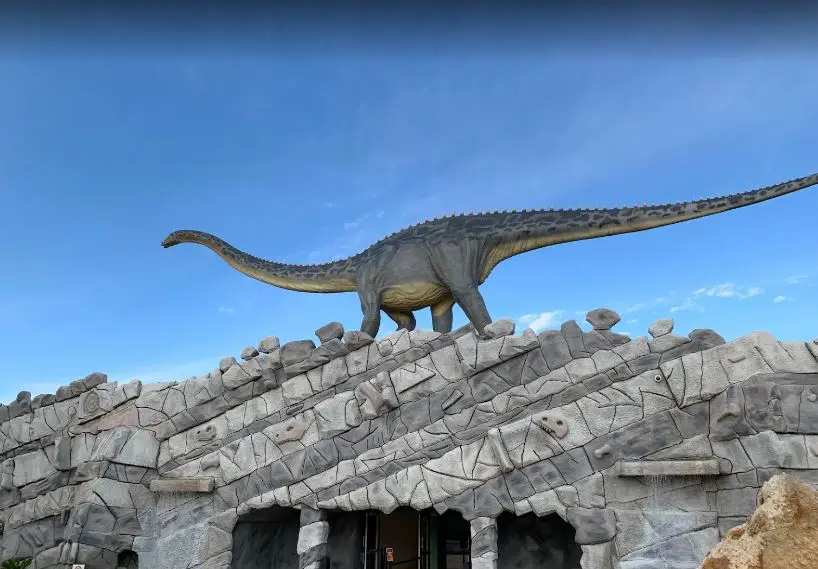
Best Theme Parks in Lisbon Portugal | Popular Amusement Parks in Lisbon
If you love to explore the joy of experiencing different rides or love going to theme parks then Lisbon offers you with a wide range of parks where you can go and enjoy with your family and friends. This list … Continue reading
The post Best Theme Parks in Lisbon Portugal | Popular Amusement Parks in Lisbon appeared first on World Tour & Travel Guide, Get Travel Tips, Information, Discover Travel Destination | Adequate Travel.
Read More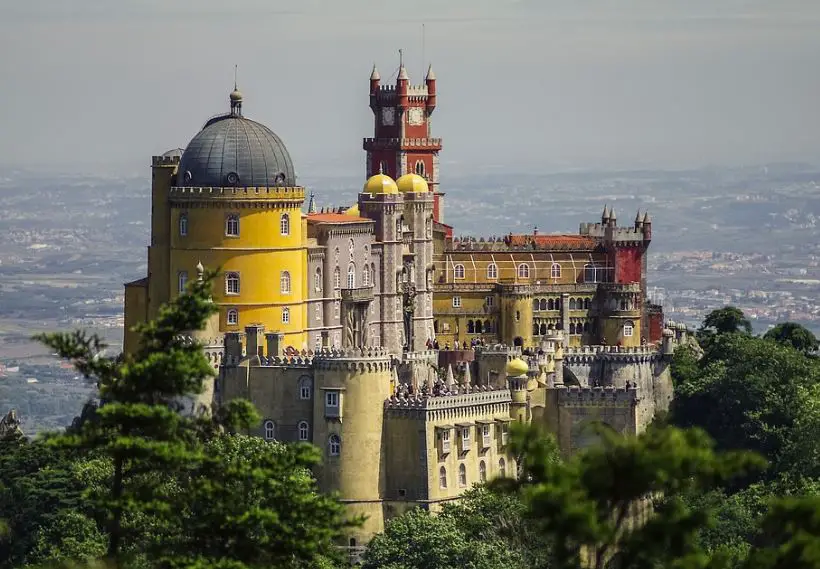
Best Cities to Visit in Portugal | Major Cities in Portugal
This article has been written for you if you’re looking for some cool cities to visit in Portugal. Lisbon is an incredible city. Its lifestyle, history, and rich culture are unique and you will love every minute you will be … Continue reading
The post Best Cities to Visit in Portugal | Major Cities in Portugal appeared first on World Tour & Travel Guide, Get Travel Tips, Information, Discover Travel Destination | Adequate Travel.
Read More
10 Best Beaches in Lisbon | Beautiful Beaches Near Lisbon to Visit, Portugal
Lisbon is surrounded by four amazing coastlines that are distinctively famous for different beach activities in Portugal. This city is washed up by the Tagus river which provides coarse sand to the amazing beaches of Lisbon. The river later ends … Continue reading
The post 10 Best Beaches in Lisbon | Beautiful Beaches Near Lisbon to Visit, Portugal appeared first on World Tour & Travel Guide, Get Travel Tips, Information, Discover Travel Destination | Adequate Travel.
Read More
Top 10 Foods to Try in Lisbon | Famous Foods of Lisbon Portugal
Lisbon offers a wide range of flavours in its incredible meals that you must not miss if you ever visit this city. Since the city is well-known for its port and freshly caught seafood that usually people consider as one … Continue reading
The post Top 10 Foods to Try in Lisbon | Famous Foods of Lisbon Portugal appeared first on World Tour & Travel Guide, Get Travel Tips, Information, Discover Travel Destination | Adequate Travel.
Read More
The 12 Famous Monuments in Lisbon Portugal | Most Visited Monuments in Lisbon
Portugal’s hilly capital, the coastal city of Lisbon is the westernmost capital of Europe. Colourful and historic, the city is teeming with life in every corner, and every person and structure has a story to tell that will reveal secrets … Continue reading
The post The 12 Famous Monuments in Lisbon Portugal | Most Visited Monuments in Lisbon appeared first on World Tour & Travel Guide, Get Travel Tips, Information, Discover Travel Destination | Adequate Travel.
Read More
Most Visited Monuments in Portugal l Famous Monuments in Portugal
Portugal is definitely a novel place to be and a remarkable sight to see. With a trove of deep-rooted traditions and celebrated cultures, a visit to the monuments in Portugal departs from the humdrum sightseeing tours to bring you an … Continue reading
The post Most Visited Monuments in Portugal l Famous Monuments in Portugal appeared first on World Tour & Travel Guide, Get Travel Tips, Information, Discover Travel Destination | Adequate Travel.
Read More
Top 10 Unusual Places to Explore In Portugal
If you’re planning to explore the best but unusual places to visit in Portugal, a European country, and you don’t want your trip to consist of the same old stuff then you have come to the right place. Such as … Continue reading
The post Top 10 Unusual Places to Explore In Portugal appeared first on World Tour & Travel Guide, Get Travel Tips, Information, Discover Travel Destination | Adequate Travel.
Read More
Top Popular Summer Festivals in Portugal Not to Miss
Most villages and towns in Portugal have their own traditional festival (Festa) or pilgrimage (romaria). These famous summer festivals in Portugal celebrate history, religion and culture. There are also some great contemporary events throughout the year, including music festivals, sand … Continue reading
The post Top Popular Summer Festivals in Portugal Not to Miss appeared first on World Tour & Travel Guide, Get Travel Tips, Information, Discover Travel Destination | Adequate Travel.
Read More