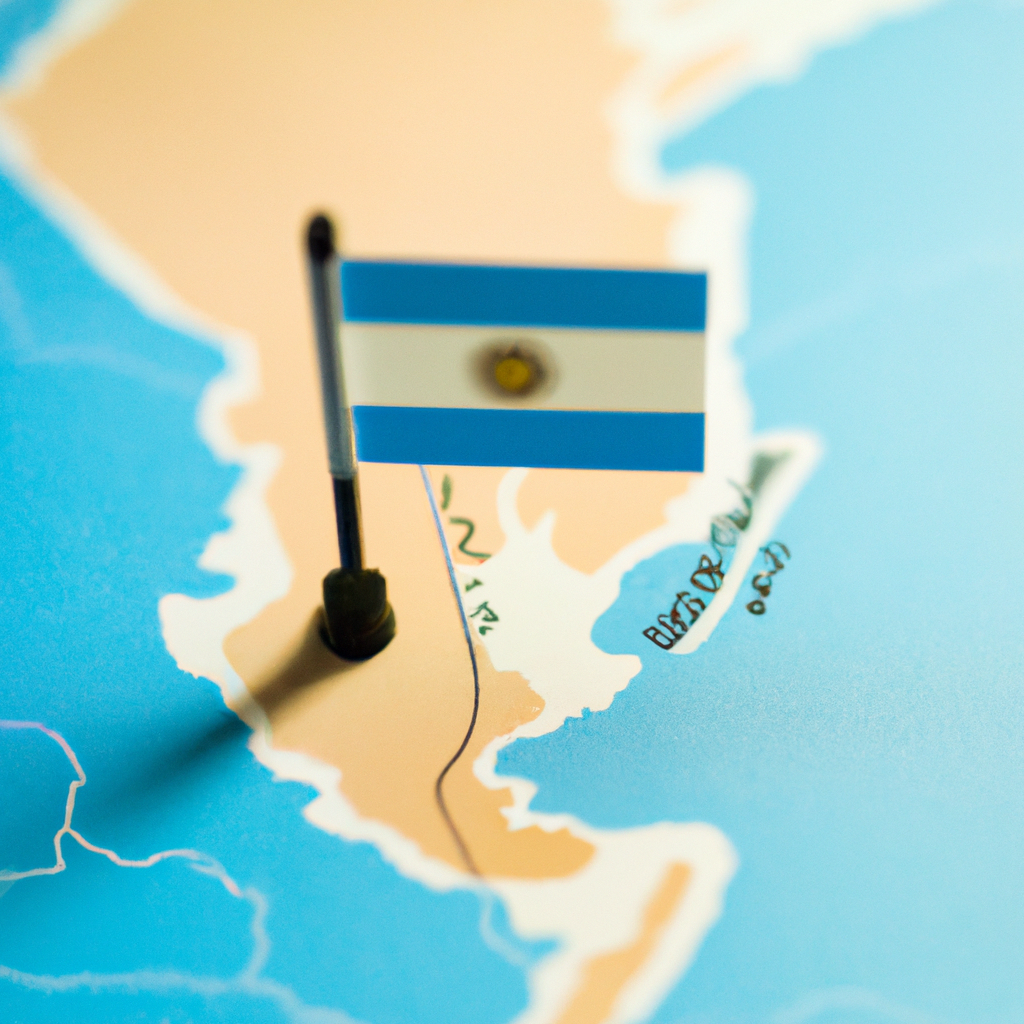
What are the best practices for responsible tourism and sustainable travel in Argentina?

Post ByAdequate Travel
Summary
Responsible types of tourism and sustainable travels are not just necessary but are also crucial for a positive and lasting impact of travel on both, the traveler and local environment. In this blog post, we will look at what are the best practices for responsible tourism and sustainable travel in Argentina. The place is known for its rich history and culture, welcomes tourists with open arms. However, be sure to review the travel advisory and travel warnings to ensure a safe and enjoyable experience.1. Respect the Environment
One of the key principles of responsible tourism is to minimize your impact on the environment. When traveling in Argentina, consider the following practices:
- Choose eco-friendly accommodations that have sustainable practices in place, such as using renewable energy or implementing recycling programs.
- Stick to designated trails and do not disturb wildlife or vegetation in national parks and protected areas.
- Reduce your waste by using reusable water bottles and bags, and avoid single-use plastics.
- Conserve water and energy by taking short showers, turning off lights and air conditioning when not in use, and reusing towels.
- Participate in organized clean-up activities or volunteer for conservation organizations during your stay.
2. Support Local Communities
Responsible tourism involves contributing to the local economy and respecting the culture and traditions of the destination:
- Choose locally owned hotels, guesthouses, and restaurants instead of international chains to support the local economy.
- Engage in activities that directly benefit local communities, such as taking a cooking class taught by a local chef or purchasing artisanal crafts.
- Respect local customs and traditions by learning about them before your visit. Be mindful of appropriate behavior, clothing, and language.
- Seek opportunities to learn from the local community, whether it’s through organized tours, homestays, or conversations with residents.
3. Preserve Cultural Heritage
Argentina is rich in cultural heritage, and responsible tourism involves respecting and preserving it:
- Visit cultural sites, museums, and historical landmarks with a knowledgeable guide who can provide context and insights into the significance of these places.
- Avoid participating in activities that exploit or commodify culture, such as attending performances that perpetuate stereotypes or purchasing items made from endangered species or protected artifacts.
- If taking photographs of individuals, ask for permission and respect their privacy. Be mindful of photography restrictions in certain cultural or religious sites.
- Support local initiatives that aim to preserve cultural heritage, such as community-led museums or heritage preservation projects.
4. Promote Responsible Wildlife Tourism
Argentina is home to diverse wildlife, and responsible tourism seeks to protect and conserve it:
- Choose wildlife tours and experiences that prioritize animal welfare and promote conservation.
- Do not support activities that involve captive animals, such as dolphin shows or riding elephants.
- Observe wildlife from a safe distance and avoid interfering with their natural behavior or habitats.
- Book trips with local guides who have knowledge about the local ecosystem and can provide insight into wildlife conservation efforts.
Suggested Questions
- Casa de los Espíritus - Buenos Aires: Horror Story, History & Paranomial Activities
- Casa del Virrey Sobremonte - Córdoba: Horror Story, History & Paranomial Activities
- Iglesia San Francisco - Buenos Aires: Horror Story, History & Paranomial Activities
- Casa de la Cultura - San Miguel de Tucumán: Horror Story, History & Paranomial Activities
- El Bosque Encantado - San Carlos, Mendoza: Horror Story, History & Paranomial Activities
- Casa de los Pesares - Salta: Horror Story, History & Paranomial Activities
Questions argentina
You may also like

Top 10 Best Places to Eat in Argentina
As Argentina is known for its diverseness and wonderfulness the same thing applies to its food. In this article, we will discuss the places to eat in Argentina. As it is situated in Latin America but the food here is … Continue reading
The post Top 10 Best Places to Eat in Argentina appeared first on World Tour & Travel Guide, Get Travel Tips, Information, Discover Travel Destination | Adequate Travel.
Read More
Top 10 Things to do in Argentina | What to do in Argentina
This South American goal is prevalent with understudies everywhere throughout the world for both investigation abroad and experience visits. You may ask yourself, what to do in Argentina? Argentina is an enormous South American nation with no deficiency of brave … Continue reading
The post Top 10 Things to do in Argentina | What to do in Argentina appeared first on World Tour & Travel Guide, Get Travel Tips, Information, Discover Travel Destination | Adequate Travel.
Read More
Top 9 Amazing Restaurants in Argentina | Argentina Best Restaurants
Argentina’s chef taking the cooking style of Argentina into the next level, it was observed as more than 14 restaurants are included under top 50 Latin America best eatery list, in this article, we will cover up the best restaurants … Continue reading
The post Top 9 Amazing Restaurants in Argentina | Argentina Best Restaurants appeared first on World Tour & Travel Guide, Get Travel Tips, Information, Discover Travel Destination | Adequate Travel.
Read More
Interesting Facts about Argentina | Argentina Facts and Information
Need to find out about Argentina? Here are interesting facts about Argentina that you most likely didn’t know before reading this. To make this more fun, I need to challenge you too. What number of these Argentina facts did you … Continue reading
The post Interesting Facts about Argentina | Argentina Facts and Information appeared first on World Tour & Travel Guide, Get Travel Tips, Information, Discover Travel Destination | Adequate Travel.
Read More
Famous Monuments in Argentina | Most Visited Monuments in Argentina
Are you planning your trip to Argentina, then I must tell you not to miss the most famous Argentina monuments. Buenos Aires, with its decent variety of European-style architecture, has for quite some time been called ‘the Paris of South … Continue reading
The post Famous Monuments in Argentina | Most Visited Monuments in Argentina appeared first on World Tour & Travel Guide, Get Travel Tips, Information, Discover Travel Destination | Adequate Travel.
Read More
Most Visited Monuments in Buenos Aires | Famous Statues in Buenos Aires, Argentina
Such is the volume of interesting buildings, monuments, and landmarks on offer, sightseeing enthusiasts rarely leave Buenos Aires without taking several rolls of film. The monuments of Buenos Aires are really amazing to visit. The city of Buenos Aires is … Continue reading
The post Most Visited Monuments in Buenos Aires | Famous Statues in Buenos Aires, Argentina appeared first on World Tour & Travel Guide, Get Travel Tips, Information, Discover Travel Destination | Adequate Travel.
Read More
Top 12 Best Cities in Argentina to Visit | Major Cities in Argentina
Argentina is an amazing South American country offering you spectacular views of the scenic natural landscape. The cities of Argentina are a culturally rich country and filled with lots of restaurants and eateries offering tasty traditional dishes that you can … Continue reading
The post Top 12 Best Cities in Argentina to Visit | Major Cities in Argentina appeared first on World Tour & Travel Guide, Get Travel Tips, Information, Discover Travel Destination | Adequate Travel.
Read More
Top 10 Foods in Buenos Aires | Famous Foods To Try in Buenos Aires, Argentina
You can experience the best of everything in Buenos Aires, Argentina. This city delivers some of the tremendous varieties of flavours to explore. You will love the popular foods in Buenos Aires as they cater to every genre of food … Continue reading
The post Top 10 Foods in Buenos Aires | Famous Foods To Try in Buenos Aires, Argentina appeared first on World Tour & Travel Guide, Get Travel Tips, Information, Discover Travel Destination | Adequate Travel.
Read More
Top 8 best cities to enjoy nightlife in Argentina
The first thing that comes to our mind after listening to the word ‘Argentina’ is snow and penguins. However, have you ever heard about the warm and welcoming local people in the country? The chances are slim. The people in … Continue reading
The post Top 8 best cities to enjoy nightlife in Argentina appeared first on World Tour & Travel Guide, Get Travel Tips, Information, Discover Travel Destination | Adequate Travel.
Read More
Top 10 Famous Lakes in Argentina
Argentina is a less known country in South America but its beauty stands out because of the numerous lakes it has. These lakes in Argentina are precisely telling the visitors how beautiful a country could be? There are innumerous beautiful … Continue reading
The post Top 10 Famous Lakes in Argentina appeared first on World Tour & Travel Guide, Get Travel Tips, Information, Discover Travel Destination | Adequate Travel.
Read More