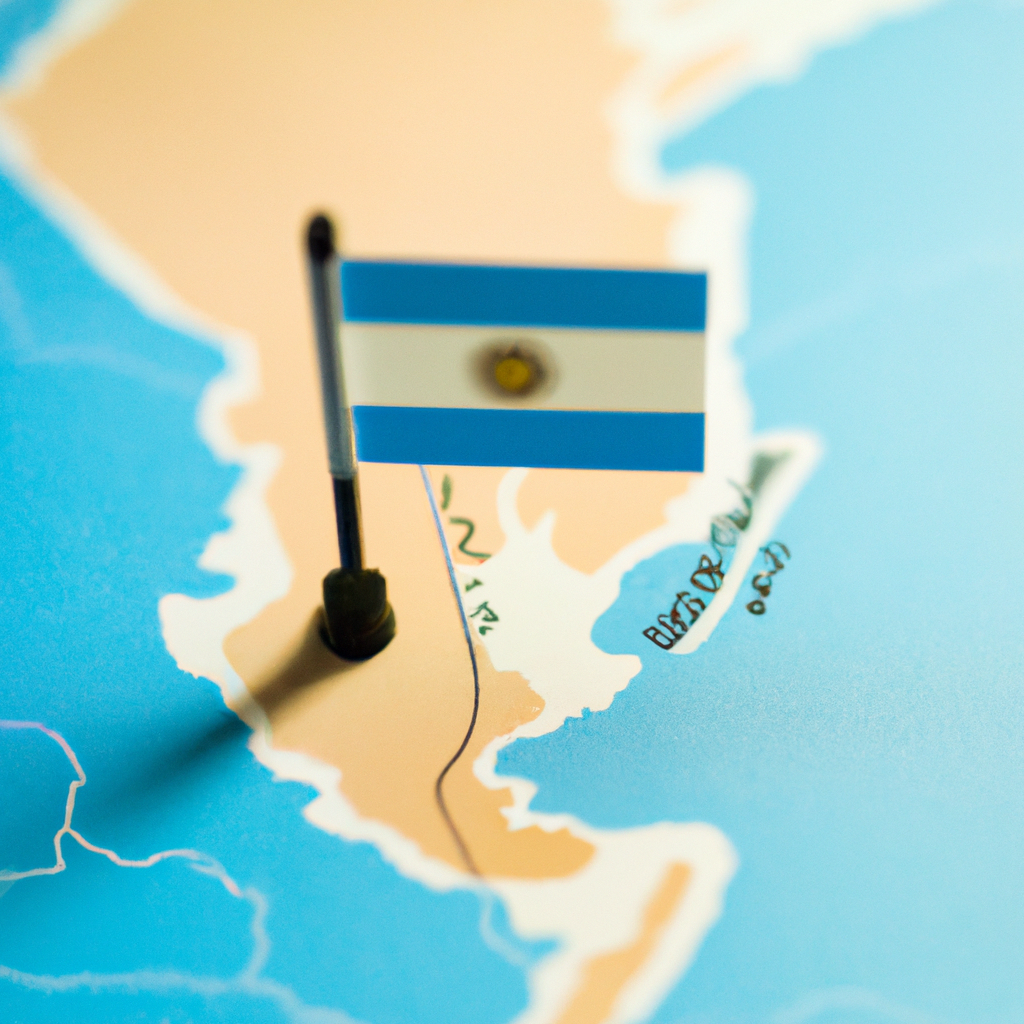
Can I visit the southern tip of South America at Cape Horn?

Post ByAdequate Travel
Summary
Have you ever wondered if you could visit the incredibly remote and far-flung location of Cape Horn at the southern tip of South America? This spectacular location, which lies at the extreme south of Tierra del Fuego in Chile, has a long and rich history dating back centuries in time. Here we look at what you need to know about visiting this amazing part of the world. While planning your trip, take note of any travel restrictions that may impact your itinerary, such as limited access to certain regions or attractions.Can I visit the southern tip of South America at Cape Horn?
Yes, you can visit the southern tip of South America at Cape Horn. Here are some details about visiting Cape Horn:
1. Location:
Cape Horn is located in the southernmost part of South America, specifically in the Tierra del Fuego archipelago, which is shared by Chile and Argentina.
2. Access:
Access to Cape Horn is possible by sea or air. The most common way to reach Cape Horn is by taking a cruise or expedition ship that offers the opportunity to sail around the southernmost tip of the continent.
3. Cruise Options:
There are several cruise operators that offer expeditions to Cape Horn. These cruises typically depart from Ushuaia in Argentina or Punta Arenas in Chile. Examples of cruise operators include Hurtigruten, Silversea Cruises, and Quark Expeditions.
4. Sailing Route:
When visiting Cape Horn, your ship will navigate through the Beagle Channel, located between the main island of Tierra del Fuego and various smaller islands. It will then sail through the Drake Passage, a notoriously challenging stretch of water, before reaching Cape Horn.
5. Landing Restrictions:
Due to the harsh weather conditions and the preservation of the environment, landing on Cape Horn itself is restricted for most visitors. However, some cruise operators offer zodiac or small boat tours around the area, providing close-up views of the famous landmark.
6. Climate:
Cape Horn has a subpolar oceanic climate, characterized by cool summers and mild winters. The weather can be extremely unpredictable and challenging, with strong winds and rough seas. It is essential to be prepared for the harsh conditions when visiting.
7. Wildlife and Nature:
The region around Cape Horn is known for its rich biodiversity and stunning natural landscapes. During your visit, you may have the chance to spot various marine mammals like seals and whales, as well as different seabird species such as albatrosses.
8. Historical Significance:
Cape Horn has a significant historical legacy as an important navigation route between the Atlantic and Pacific Oceans. Explorers and sailors have long been fascinated by this remote and challenging location.
In summary, while landing on Cape Horn itself may be restricted, visiting the southern tip of South America by taking a cruise around Cape Horn provides a unique opportunity to explore this legendary and remote destination.
Before embarking on your journey to argentina, make sure to check the latest travel guidelines and entry requirements to ensure a smooth tripSuggested Questions
- El Castillo de San Carlos - Concordia: Horror Story, History & Paranomial Activities
- Molino Forclaz - Entre Ríos: Horror Story, History & Paranomial Activities
- La Iglesia de San Francisco - Buenos Aires: Horror Story, History & Paranomial Activities
- Hotel Palacio - Buenos Aires: Horror Story, History & Paranomial Activities
- Estancia La Negra - Santa Cruz: Horror Story, History & Paranomial Activities
- Hotel Provincial - Mar del Plata: Horror Story, History & Paranomial Activities
Questions argentina
You may also like

Top 10 Best Places to Eat in Argentina
As Argentina is known for its diverseness and wonderfulness the same thing applies to its food. In this article, we will discuss the places to eat in Argentina. As it is situated in Latin America but the food here is … Continue reading
The post Top 10 Best Places to Eat in Argentina appeared first on World Tour & Travel Guide, Get Travel Tips, Information, Discover Travel Destination | Adequate Travel.
Read More
Top 10 Things to do in Argentina | What to do in Argentina
This South American goal is prevalent with understudies everywhere throughout the world for both investigation abroad and experience visits. You may ask yourself, what to do in Argentina? Argentina is an enormous South American nation with no deficiency of brave … Continue reading
The post Top 10 Things to do in Argentina | What to do in Argentina appeared first on World Tour & Travel Guide, Get Travel Tips, Information, Discover Travel Destination | Adequate Travel.
Read More
Top 9 Amazing Restaurants in Argentina | Argentina Best Restaurants
Argentina’s chef taking the cooking style of Argentina into the next level, it was observed as more than 14 restaurants are included under top 50 Latin America best eatery list, in this article, we will cover up the best restaurants … Continue reading
The post Top 9 Amazing Restaurants in Argentina | Argentina Best Restaurants appeared first on World Tour & Travel Guide, Get Travel Tips, Information, Discover Travel Destination | Adequate Travel.
Read More
Interesting Facts about Argentina | Argentina Facts and Information
Need to find out about Argentina? Here are interesting facts about Argentina that you most likely didn’t know before reading this. To make this more fun, I need to challenge you too. What number of these Argentina facts did you … Continue reading
The post Interesting Facts about Argentina | Argentina Facts and Information appeared first on World Tour & Travel Guide, Get Travel Tips, Information, Discover Travel Destination | Adequate Travel.
Read More
Famous Monuments in Argentina | Most Visited Monuments in Argentina
Are you planning your trip to Argentina, then I must tell you not to miss the most famous Argentina monuments. Buenos Aires, with its decent variety of European-style architecture, has for quite some time been called ‘the Paris of South … Continue reading
The post Famous Monuments in Argentina | Most Visited Monuments in Argentina appeared first on World Tour & Travel Guide, Get Travel Tips, Information, Discover Travel Destination | Adequate Travel.
Read More
Most Visited Monuments in Buenos Aires | Famous Statues in Buenos Aires, Argentina
Such is the volume of interesting buildings, monuments, and landmarks on offer, sightseeing enthusiasts rarely leave Buenos Aires without taking several rolls of film. The monuments of Buenos Aires are really amazing to visit. The city of Buenos Aires is … Continue reading
The post Most Visited Monuments in Buenos Aires | Famous Statues in Buenos Aires, Argentina appeared first on World Tour & Travel Guide, Get Travel Tips, Information, Discover Travel Destination | Adequate Travel.
Read More
Top 12 Best Cities in Argentina to Visit | Major Cities in Argentina
Argentina is an amazing South American country offering you spectacular views of the scenic natural landscape. The cities of Argentina are a culturally rich country and filled with lots of restaurants and eateries offering tasty traditional dishes that you can … Continue reading
The post Top 12 Best Cities in Argentina to Visit | Major Cities in Argentina appeared first on World Tour & Travel Guide, Get Travel Tips, Information, Discover Travel Destination | Adequate Travel.
Read More
Top 10 Foods in Buenos Aires | Famous Foods To Try in Buenos Aires, Argentina
You can experience the best of everything in Buenos Aires, Argentina. This city delivers some of the tremendous varieties of flavours to explore. You will love the popular foods in Buenos Aires as they cater to every genre of food … Continue reading
The post Top 10 Foods in Buenos Aires | Famous Foods To Try in Buenos Aires, Argentina appeared first on World Tour & Travel Guide, Get Travel Tips, Information, Discover Travel Destination | Adequate Travel.
Read More
Top 8 best cities to enjoy nightlife in Argentina
The first thing that comes to our mind after listening to the word ‘Argentina’ is snow and penguins. However, have you ever heard about the warm and welcoming local people in the country? The chances are slim. The people in … Continue reading
The post Top 8 best cities to enjoy nightlife in Argentina appeared first on World Tour & Travel Guide, Get Travel Tips, Information, Discover Travel Destination | Adequate Travel.
Read More
Top 10 Famous Lakes in Argentina
Argentina is a less known country in South America but its beauty stands out because of the numerous lakes it has. These lakes in Argentina are precisely telling the visitors how beautiful a country could be? There are innumerous beautiful … Continue reading
The post Top 10 Famous Lakes in Argentina appeared first on World Tour & Travel Guide, Get Travel Tips, Information, Discover Travel Destination | Adequate Travel.
Read More