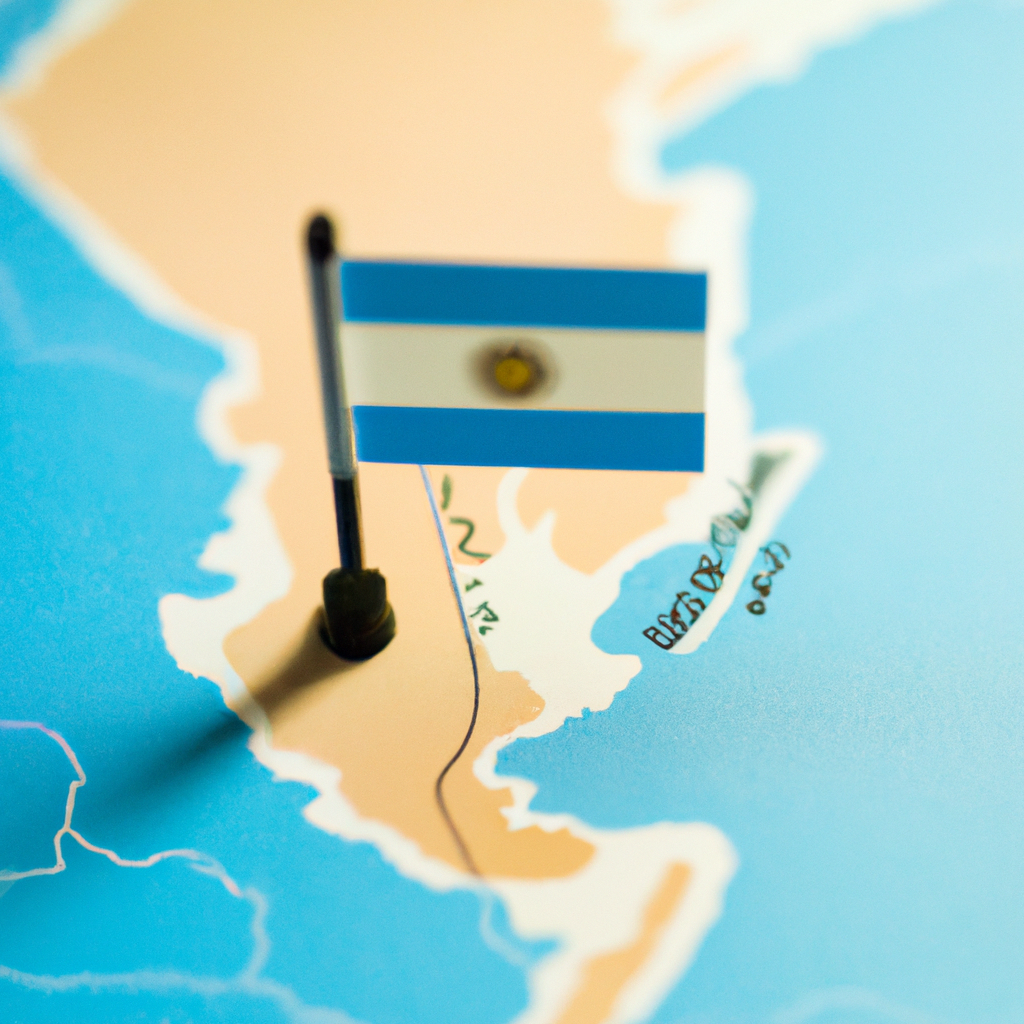
Can I visit indigenous communities in Argentina?

Post ByAdequate Travel
Summary
Indigenous communities are an important part of Argentina's history and culture, and exploring them can be a fascinating and enlightening experience. But can you visit these communities? In this blog post, we'll explore the question of whether it is possible to visit indigenous communities in Argentina and how to do so in a culturally respectful manner. While planning your trip, take note of any travel restrictions that may impact your itinerary, such as limited access to certain regions or attractions.Yes, you can visit indigenous communities in Argentina.
Argentina is home to various indigenous communities, each with its own distinct culture and traditions. Visiting these communities can be a unique and immersive experience, allowing you to learn about their way of life, customs, and history.
Examples of indigenous communities to visit:
1. Mapuche community: The Mapuche people are one of the largest indigenous groups in Argentina, primarily residing in the southern regions of the country. Visiting a Mapuche community provides an opportunity to witness their traditional ceremonies, artwork, and traditional handicrafts.
2. Quechua community: The Quechua people have a strong presence in the northern regions of Argentina, particularly in the provinces of Salta and Jujuy. Visiting a Quechua community allows you to experience their rich folklore, music, and taste traditional Andean cuisine.
3. Wichi community: The Wichi people inhabit the Gran Chaco region in northern Argentina. By visiting a Wichi community, you can engage in activities such as weaving, pottery making, and participate in their spiritual rituals.
4. Guaraní community: The Guaraní people are spread across the northeastern provinces of Argentina, including Misiones and Corrientes. Visiting a Guaraní community enables you to learn about their sustainable agricultural practices, medicinal plant knowledge, and enjoy their lively music and dances.
Considerations:
1. Cultural Sensitivity: It is essential to approach indigenous communities with respect and cultural sensitivity. Engage in activities and interactions that are invited or allowed by the community members.
2. Community-based tourism: It is recommended to opt for community-based tourism initiatives or local guides who have established connections with the indigenous communities. This ensures more meaningful and responsible visits.
3. Language Barrier: Keep in mind that many indigenous communities may primarily speak their native languages, such as Mapudungun or Quechua. Having a local guide or translator can facilitate communication and enhance your experience.
4. Traditional Etiquette: Familiarize yourself with any specific cultural norms or customs that may be expected when visiting indigenous communities. This includes asking for permission before taking photographs, respecting sacred sites, and purchasing local artisanal products directly from the communities.
Before embarking on your journey to argentina, make sure to check the latest travel guidelines and entry requirements to ensure a smooth tripSuggested Questions
- Casa de los Alzugaray - Buenos Aires: Horror Story, History & Paranomial Activities
- Museo Municipal de Bellas Artes - Salta: Horror Story, History & Paranomial Activities
- Cine Teatro Catamarca - Catamarca: Horror Story, History & Paranomial Activities
- Iglesia de Nuestra Señora del Socorro - Buenos Aires: Horror Story, History & Paranomial Activities
- Casa de los Benavídez - Salta: Horror Story, History & Paranomial Activities
- Estancia Santa Catalina - La Pampa: Horror Story, History & Paranomial Activities
Questions argentina
You may also like

Top 10 Best Places to Eat in Argentina
As Argentina is known for its diverseness and wonderfulness the same thing applies to its food. In this article, we will discuss the places to eat in Argentina. As it is situated in Latin America but the food here is … Continue reading
The post Top 10 Best Places to Eat in Argentina appeared first on World Tour & Travel Guide, Get Travel Tips, Information, Discover Travel Destination | Adequate Travel.
Read More
Top 10 Things to do in Argentina | What to do in Argentina
This South American goal is prevalent with understudies everywhere throughout the world for both investigation abroad and experience visits. You may ask yourself, what to do in Argentina? Argentina is an enormous South American nation with no deficiency of brave … Continue reading
The post Top 10 Things to do in Argentina | What to do in Argentina appeared first on World Tour & Travel Guide, Get Travel Tips, Information, Discover Travel Destination | Adequate Travel.
Read More
Top 9 Amazing Restaurants in Argentina | Argentina Best Restaurants
Argentina’s chef taking the cooking style of Argentina into the next level, it was observed as more than 14 restaurants are included under top 50 Latin America best eatery list, in this article, we will cover up the best restaurants … Continue reading
The post Top 9 Amazing Restaurants in Argentina | Argentina Best Restaurants appeared first on World Tour & Travel Guide, Get Travel Tips, Information, Discover Travel Destination | Adequate Travel.
Read More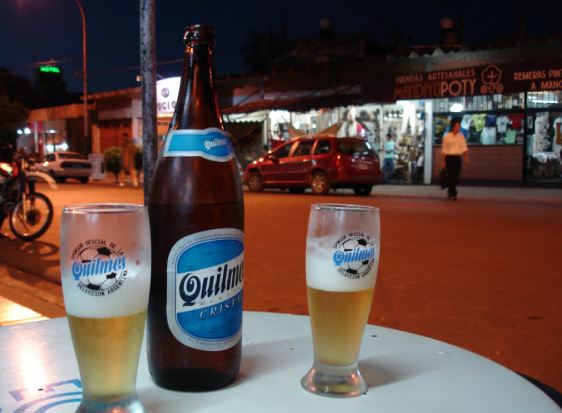
Interesting Facts about Argentina | Argentina Facts and Information
Need to find out about Argentina? Here are interesting facts about Argentina that you most likely didn’t know before reading this. To make this more fun, I need to challenge you too. What number of these Argentina facts did you … Continue reading
The post Interesting Facts about Argentina | Argentina Facts and Information appeared first on World Tour & Travel Guide, Get Travel Tips, Information, Discover Travel Destination | Adequate Travel.
Read More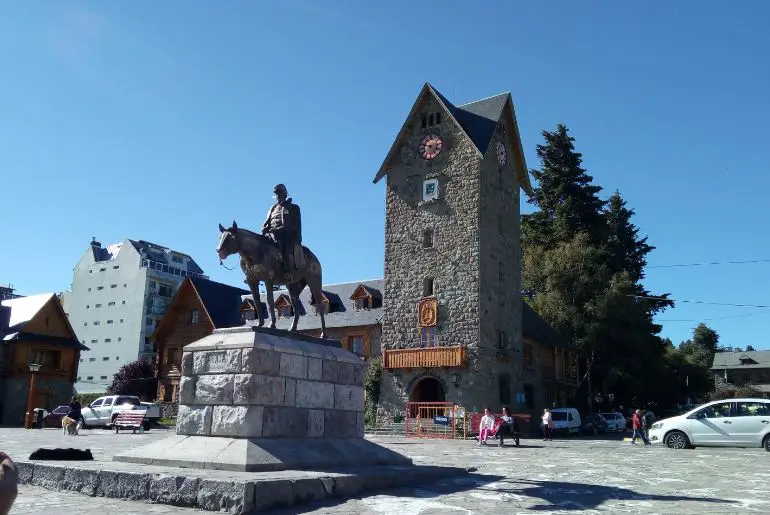
Famous Monuments in Argentina | Most Visited Monuments in Argentina
Are you planning your trip to Argentina, then I must tell you not to miss the most famous Argentina monuments. Buenos Aires, with its decent variety of European-style architecture, has for quite some time been called ‘the Paris of South … Continue reading
The post Famous Monuments in Argentina | Most Visited Monuments in Argentina appeared first on World Tour & Travel Guide, Get Travel Tips, Information, Discover Travel Destination | Adequate Travel.
Read More
Most Visited Monuments in Buenos Aires | Famous Statues in Buenos Aires, Argentina
Such is the volume of interesting buildings, monuments, and landmarks on offer, sightseeing enthusiasts rarely leave Buenos Aires without taking several rolls of film. The monuments of Buenos Aires are really amazing to visit. The city of Buenos Aires is … Continue reading
The post Most Visited Monuments in Buenos Aires | Famous Statues in Buenos Aires, Argentina appeared first on World Tour & Travel Guide, Get Travel Tips, Information, Discover Travel Destination | Adequate Travel.
Read More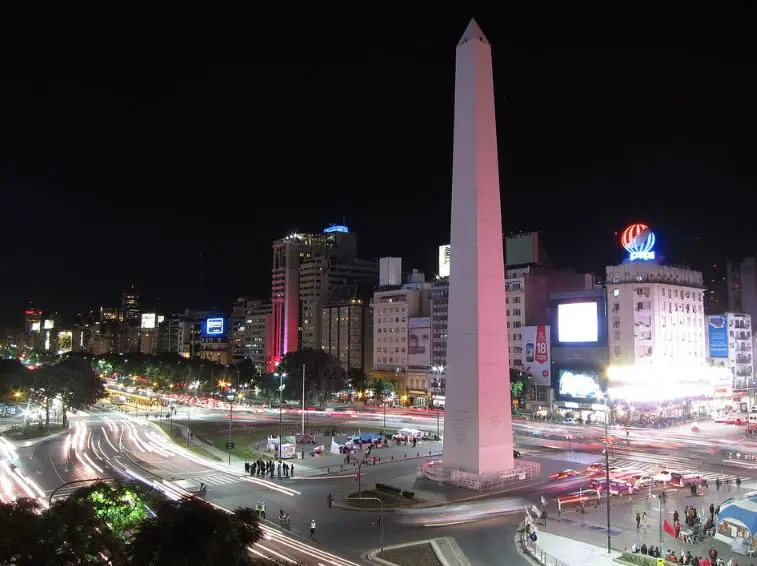
Top 12 Best Cities in Argentina to Visit | Major Cities in Argentina
Argentina is an amazing South American country offering you spectacular views of the scenic natural landscape. The cities of Argentina are a culturally rich country and filled with lots of restaurants and eateries offering tasty traditional dishes that you can … Continue reading
The post Top 12 Best Cities in Argentina to Visit | Major Cities in Argentina appeared first on World Tour & Travel Guide, Get Travel Tips, Information, Discover Travel Destination | Adequate Travel.
Read More
Top 10 Foods in Buenos Aires | Famous Foods To Try in Buenos Aires, Argentina
You can experience the best of everything in Buenos Aires, Argentina. This city delivers some of the tremendous varieties of flavours to explore. You will love the popular foods in Buenos Aires as they cater to every genre of food … Continue reading
The post Top 10 Foods in Buenos Aires | Famous Foods To Try in Buenos Aires, Argentina appeared first on World Tour & Travel Guide, Get Travel Tips, Information, Discover Travel Destination | Adequate Travel.
Read More
Top 8 best cities to enjoy nightlife in Argentina
The first thing that comes to our mind after listening to the word ‘Argentina’ is snow and penguins. However, have you ever heard about the warm and welcoming local people in the country? The chances are slim. The people in … Continue reading
The post Top 8 best cities to enjoy nightlife in Argentina appeared first on World Tour & Travel Guide, Get Travel Tips, Information, Discover Travel Destination | Adequate Travel.
Read More
Top 10 Famous Lakes in Argentina
Argentina is a less known country in South America but its beauty stands out because of the numerous lakes it has. These lakes in Argentina are precisely telling the visitors how beautiful a country could be? There are innumerous beautiful … Continue reading
The post Top 10 Famous Lakes in Argentina appeared first on World Tour & Travel Guide, Get Travel Tips, Information, Discover Travel Destination | Adequate Travel.
Read More