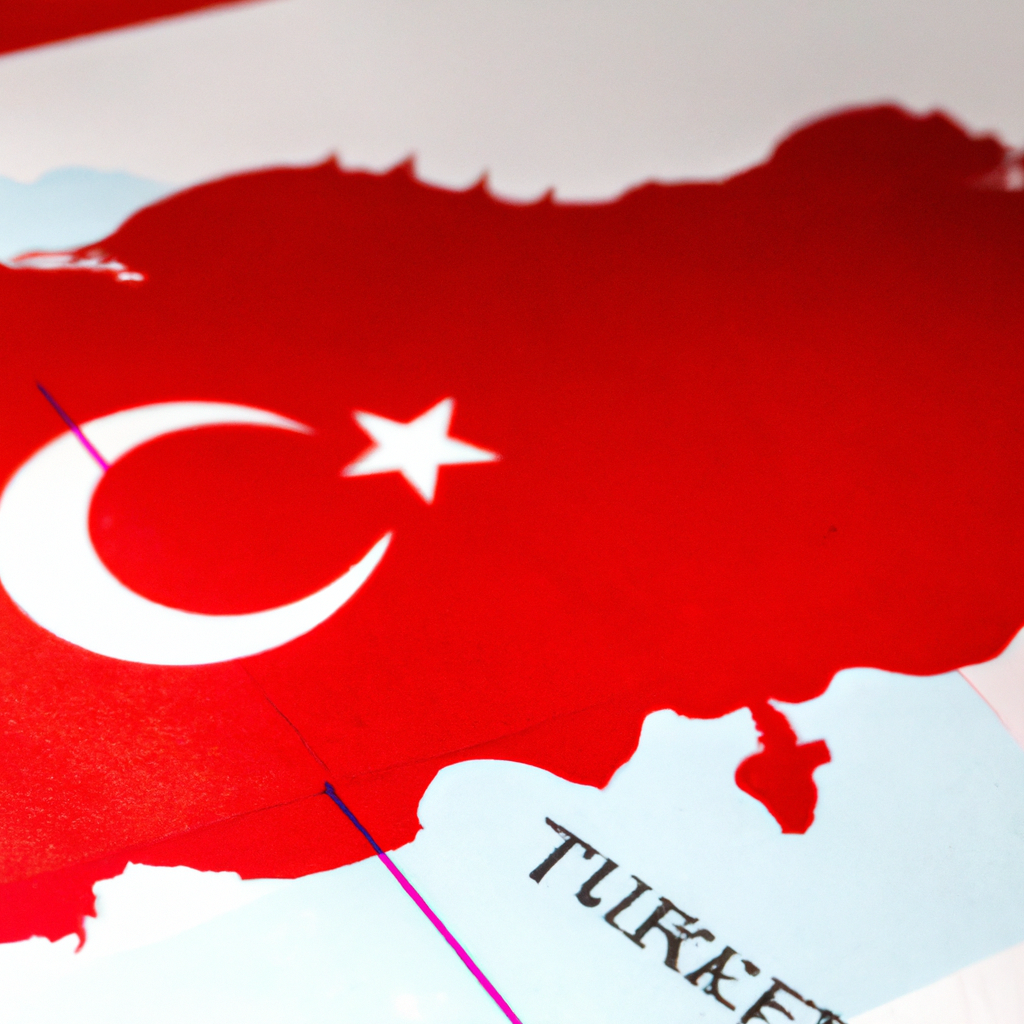
What is the process for purchasing and exporting Turkish ceramics?

Post ByAdequate Travel
Summary
If you're considering purchasing and exporting Turkish ceramics, it's important to understand the necessary steps involved. In this blog, we'll look at the process for purchasing and exporting Turkish ceramics, including where to source them from, how to acquire them, and other important considerations. While planning your trip, take note of any travel restrictions that may impact your itinerary, such as limited access to certain regions or attractions.Process for Purchasing and Exporting Turkish Ceramics:
1. Research and Identify Suppliers:
Start by researching and identifying reputable suppliers of Turkish ceramics. You can find them through online directories, trade shows, or referrals. Look for suppliers that offer a wide range of ceramics and have a good track record of quality.
2. Contact and Negotiate:
Reach out to the chosen suppliers and initiate contact. Discuss your requirements, such as the types of ceramics, quantities, pricing, and delivery terms. Negotiate the best possible deal to ensure a win-win situation for both parties.
3. Place an Order:
Once you have finalized the terms with the supplier, place an order for the desired Turkish ceramics. Make sure to clearly document all the agreed-upon terms and conditions in a purchase order to avoid any misunderstandings later on.
4. Arrange Shipping and Export Documentation:
Coordinate with a freight forwarder or shipping agent to handle the logistics of exporting the ceramics from Turkey to your destination country. They will assist in arranging transportation, handling customs clearance, and obtaining the necessary export documentation.
5. Packaging and Quality Control:
Before the ceramics are shipped, instruct the supplier to carefully pack them to ensure safe transit. Consider any specific packaging requirements or instructions you may have. It is also essential to conduct a thorough quality control check to verify that the ceramics meet your specifications and are free from defects.
6. Payment and Settlement:
Make the required payment to the supplier as per the agreed terms. This could involve an initial deposit, followed by the balance payment upon shipment. Use secure payment methods such as bank transfers or letters of credit to mitigate risks.
7. Shipping and Tracking:
Monitor the shipping process to ensure the ceramics are on their way as planned. Use the tracking information provided by the freight forwarder to stay updated on the status of the shipment. Address any issues promptly to avoid delays or complications.
8. Customs Clearance and Import Duties:
Once the ceramics arrive in your country, work with a customs broker to handle the clearance process. Provide them with all the necessary documentation and information required by customs authorities. Be prepared for any potential import duties or taxes that may apply.
9. Distribution or Retailing:
Upon successful customs clearance, the Turkish ceramics can be distributed to your customers or retailed through your established channels. Ensure appropriate marketing and promotion to attract potential buyers and generate sales.
10. Customer Satisfaction:
Always prioritize customer satisfaction by delivering high-quality Turkish ceramics on time and addressing any post-purchase concerns promptly. Build lasting relationships with customers to foster repeat business and positive word-of-mouth.
Keep in mind that travel guidelines and travel rules may change anytime, so regularly check for updates to ensure a hassle-free and memorable travel experience.Suggested Questions
- Marmaris Castle, Marmaris: Horror Story, History & Paranomial Activities
- Catalhoyuk, Konya: Horror Story, History & Paranomial Activities
- Haci Bektas Veli Museum, Nevsehir: Horror Story, History & Paranomial Activities
- Konyaalti Beach, Antalya: Horror Story, History & Paranomial Activities
- Rumeli Hisari, Istanbul: Horror Story, History & Paranomial Activities
- House of the Whirling Dervishes, Konya: Horror Story, History & Paranomial Activities
Questions turkey
You may also like
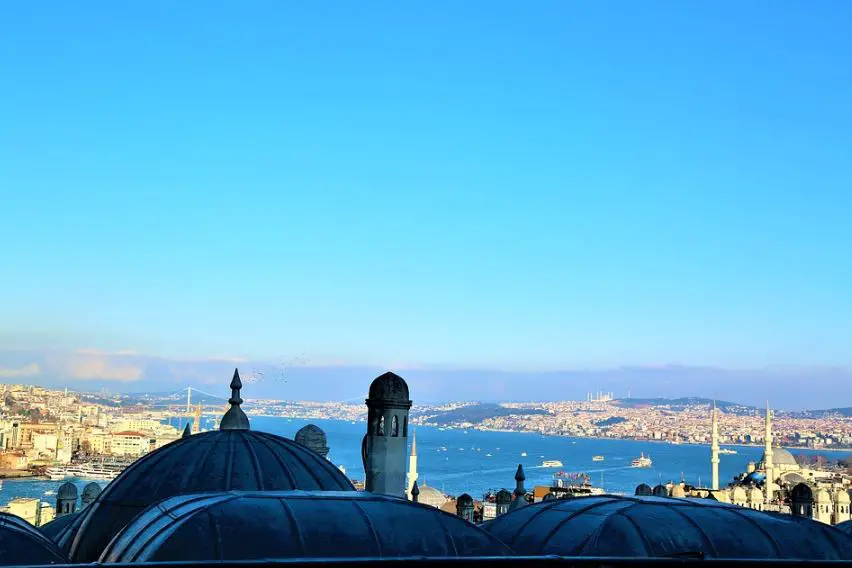
10 Best Cities in Turkey to Visit | Major Cities in Turkey
Turkey cities are surrounded by eight different European nations, Turkey is a dazzling destination located in Western Asia and a little bit in Southeast Europe. You will see here antiquated landscapes, enriched with staggering Roman vestiges, favored with captivating shorelines, … Continue reading
The post 10 Best Cities in Turkey to Visit | Major Cities in Turkey appeared first on World Tour & Travel Guide, Get Travel Tips, Information, Discover Travel Destination | Adequate Travel.
Read More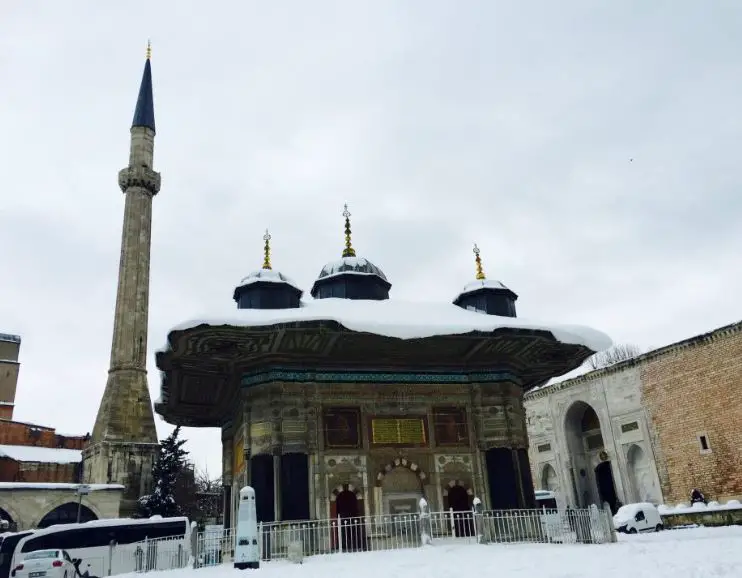
The 17 Famous Monuments in Istanbul Turkey | Most Visited Monuments in Istanbul
Istanbul is Turkey’s rich historical land that is appraised for its packed lanes, elaborate architecture, and balloon-filled skies. It is home to a number of world-famous monuments in Istanbul. Ottomans, Romans, and Byzantines all have left a mark in this … Continue reading
The post The 17 Famous Monuments in Istanbul Turkey | Most Visited Monuments in Istanbul appeared first on World Tour & Travel Guide, Get Travel Tips, Information, Discover Travel Destination | Adequate Travel.
Read More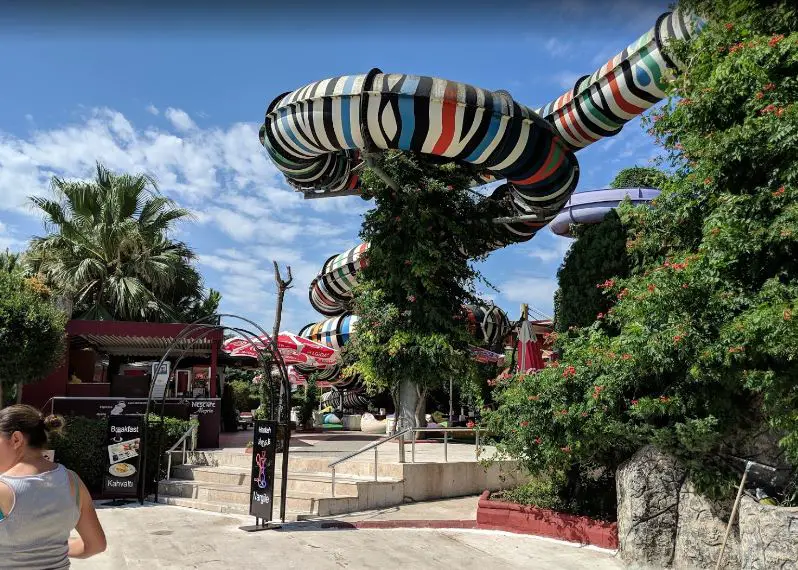
Best Theme Parks in Istanbul Turkey | Popular Amusement Parks in Istanbul
A trip to an amusement park in Istanbul with your family and friends creates one-of-a-kind adventure experiences and memories. It provides you with a unique opportunity to have a laugh or two with entirely new people and interact with each … Continue reading
The post Best Theme Parks in Istanbul Turkey | Popular Amusement Parks in Istanbul appeared first on World Tour & Travel Guide, Get Travel Tips, Information, Discover Travel Destination | Adequate Travel.
Read More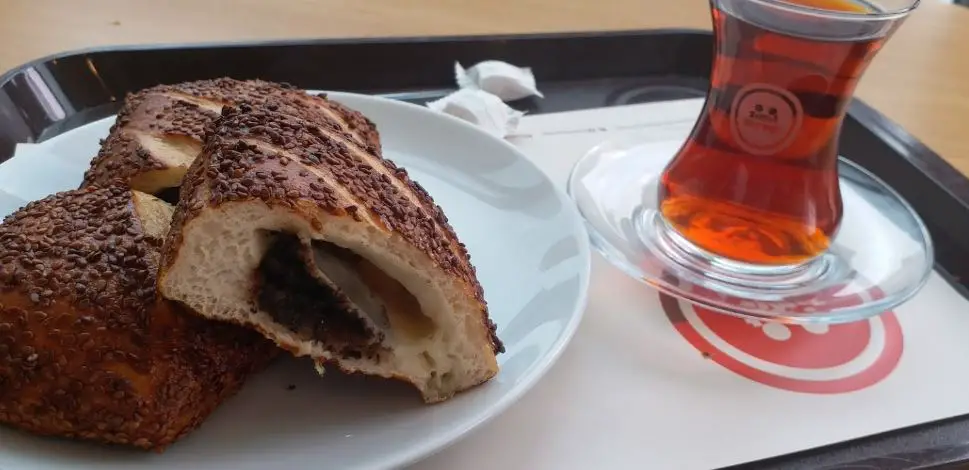
Best Foods to Try in Istanbul Turkey | Popular Foods in Istanbul
Istanbul upholds a very diverse community of people who range from modern European to an old classic Asian. So a plethora of palette is served which ranks among the top foods in Istanbul. You must hold a big appetite to … Continue reading
The post Best Foods to Try in Istanbul Turkey | Popular Foods in Istanbul appeared first on World Tour & Travel Guide, Get Travel Tips, Information, Discover Travel Destination | Adequate Travel.
Read More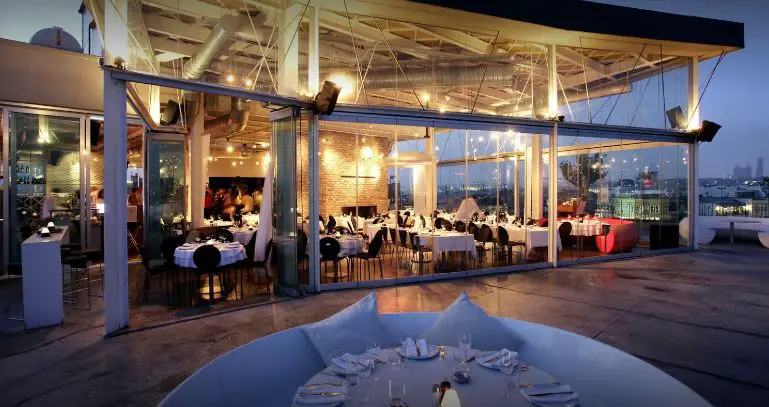
Top 10 Restaurants in Istanbul | Best Places to Eat in Istanbul Turkey
Restaurants in Istanbul can range from being exceptionally higher to extraordinarily cheap. So, you have to decide which flavor you want to explore more. As the amount served is never less in Turkish cuisine. They are very connected with their … Continue reading
The post Top 10 Restaurants in Istanbul | Best Places to Eat in Istanbul Turkey appeared first on World Tour & Travel Guide, Get Travel Tips, Information, Discover Travel Destination | Adequate Travel.
Read More
Best Beaches in Istanbul Turkey | Top 10 Beaches in Istanbul
Istanbul is washed up on the shores by the Marmara and Black seas which are linked by the Bosphorus and many small islands. Istanbul’s famous beaches are served with popular seafood and various beach sports in Turkey. Since Istanbul is … Continue reading
The post Best Beaches in Istanbul Turkey | Top 10 Beaches in Istanbul appeared first on World Tour & Travel Guide, Get Travel Tips, Information, Discover Travel Destination | Adequate Travel.
Read More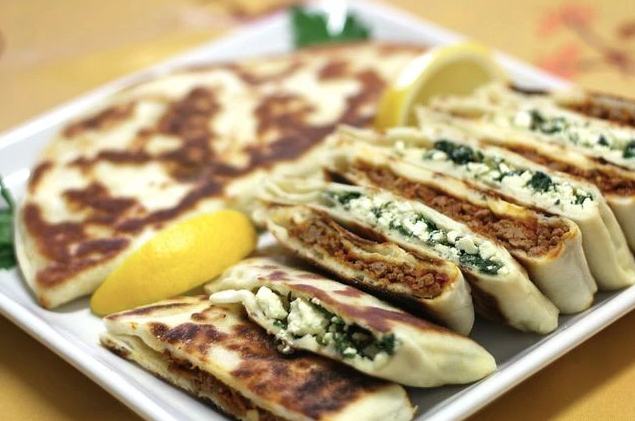
10 Best Foods in Antalya | Famous Foods to Eat in Antalya, Turkey
Antalya is the port city of Turkey that is famous for its refreshing coastlines and the delicious foods they serve. This city is known as the ‘Turquoise Coast’ of Turkey due to its blue waters. There are numerous places here … Continue reading
The post 10 Best Foods in Antalya | Famous Foods to Eat in Antalya, Turkey appeared first on World Tour & Travel Guide, Get Travel Tips, Information, Discover Travel Destination | Adequate Travel.
Read More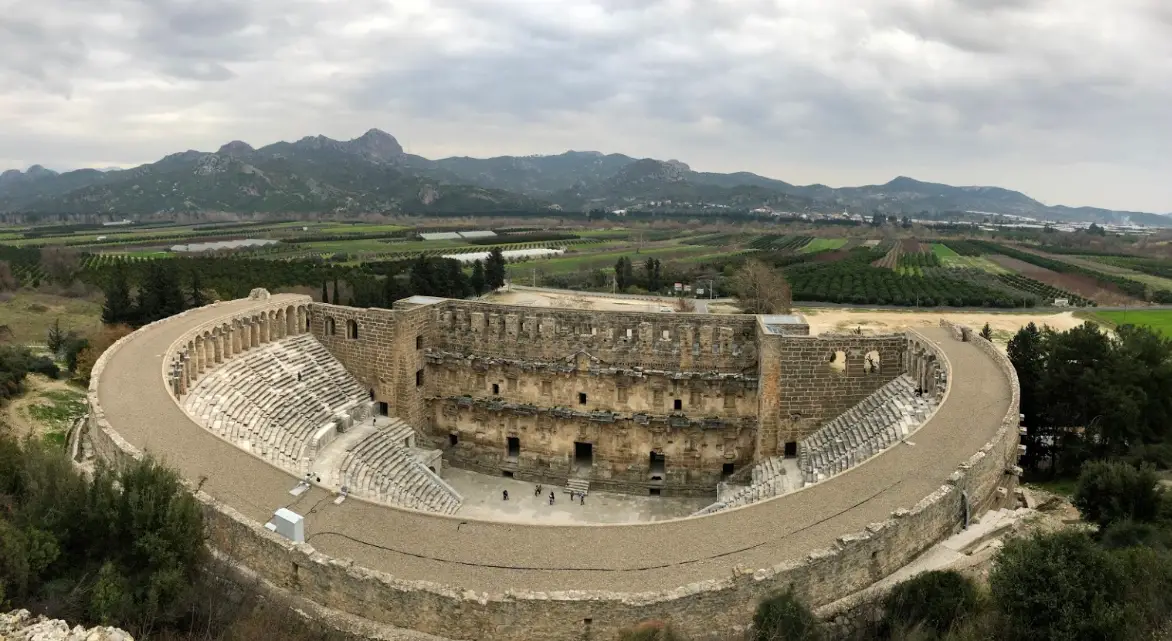
Discover What Antalya is Known for? | Why Antalya Turkey is Famous For
Antalya is known as the Turquoise Coast of Turkey due to its fresh blue waters that mesmerize every traveler visiting this port town. Antalya is popular for being the best Roman heritage collector of Western Turkey that sings the ballads … Continue reading
The post Discover What Antalya is Known for? | Why Antalya Turkey is Famous For appeared first on World Tour & Travel Guide, Get Travel Tips, Information, Discover Travel Destination | Adequate Travel.
Read More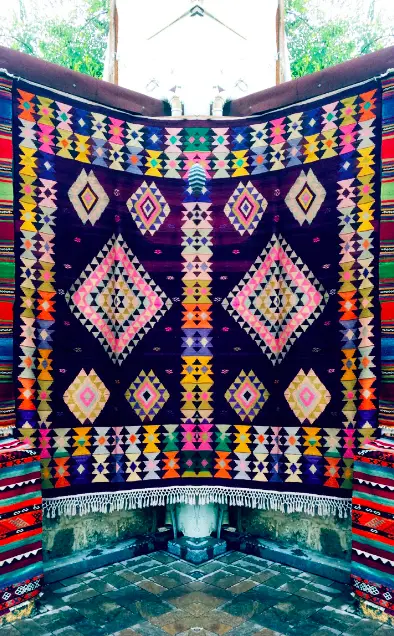
What to Buy in Antalya Turkey | Best Things to Buy in Antalya
The ending times of any vacation are always hard especially when you are in Antalya that is considered as the most beautiful city of Turkey, not only because you have to finally return to your boring life again but this … Continue reading
The post What to Buy in Antalya Turkey | Best Things to Buy in Antalya appeared first on World Tour & Travel Guide, Get Travel Tips, Information, Discover Travel Destination | Adequate Travel.
Read More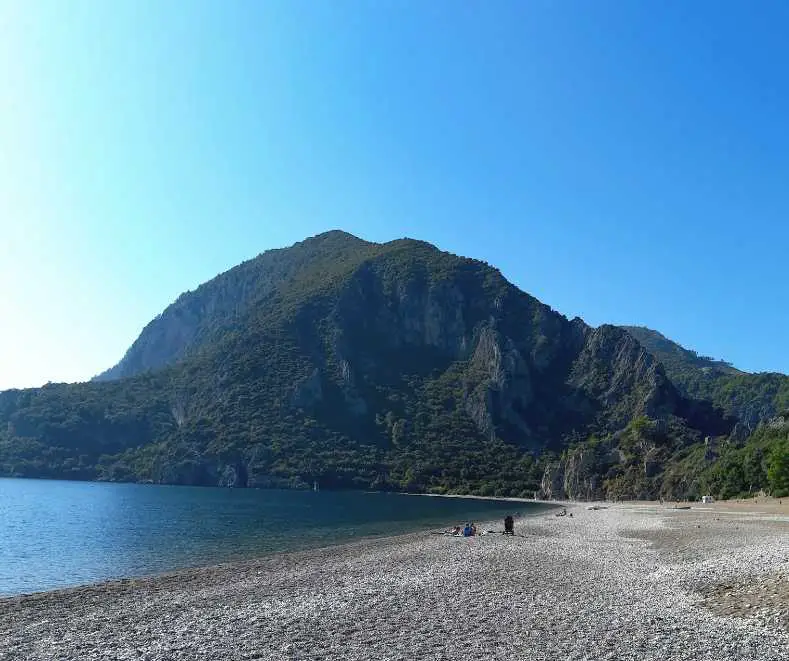
10 Best Beaches in Antalya Turkey | Famous Beaches to Visit in Antalya
Antalya is the best port city of Turkey that has some of the best historical monuments all laced up near the best beaches in Antalya that embellish every aspect of this city through their refreshing vibes and carefree cultures. You … Continue reading
The post 10 Best Beaches in Antalya Turkey | Famous Beaches to Visit in Antalya appeared first on World Tour & Travel Guide, Get Travel Tips, Information, Discover Travel Destination | Adequate Travel.
Read More