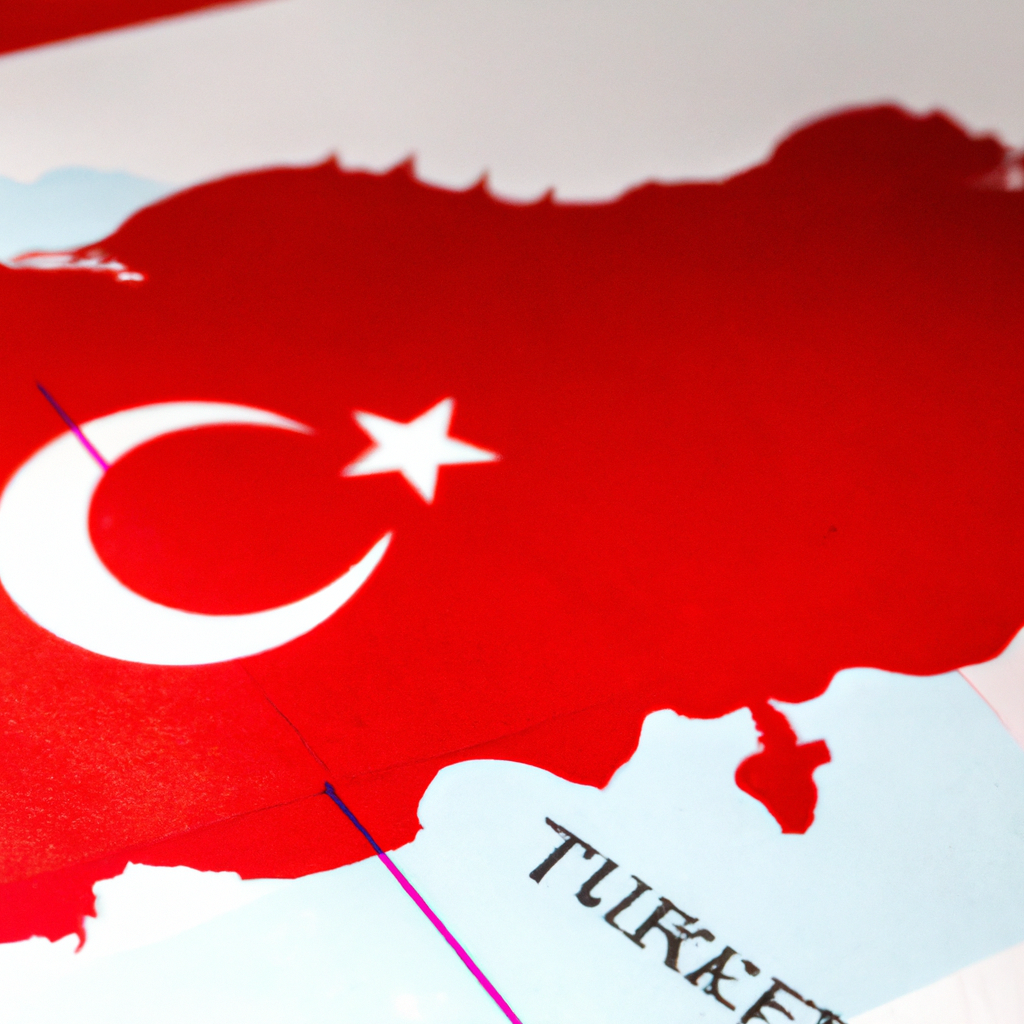
What is the history of the Grand Bazaar in Istanbul?

Post ByAdequate Travel
Summary
The Grand Bazaar of Istanbul is one of the world's oldest and largest covered markets. This sprawling destination has been a center of commerce since the 15th-century and has survived wars, fires and countless changes throughout time. Learn more about the history and grandeur of the Grand Bazaar. Travellers can find valuable travel information for tourists, such as local customs, must-see attractions, and dining recommendations, to make the most of their trip.History of the Grand Bazaar in Istanbul
1. Origins and Early Development
The Grand Bazaar, known as "Kapalıçarşı" in Turkish, has a long and rich history that dates back to the 15th century. It was established shortly after the Ottoman conquest of Constantinople (present-day Istanbul) in 1453.
2. Construction and Expansion
Initially, the Grand Bazaar consisted of two warehouses built by Sultan Mehmed the Conqueror to provide income for the Hagia Sophia Mosque. However, it quickly grew in popularity, attracting artisans and merchants from various regions.
3. Architectural Significance
The Grand Bazaar showcases a unique blend of Ottoman architecture and design. It was constructed using the traditional "caravanserai" style, with covered walkways, domed roofs, and courtyards. Over time, additional buildings and sections were added, enhancing its grandeur.
4. Economic and Commercial Importance
The Grand Bazaar played a significant role in the economic and commercial life of Istanbul and the Ottoman Empire. It served as a hub for trade, offering a wide range of goods, including textiles, spices, jewelry, ceramics, and carpets.
5. Cultural and Social Center
Beyond its economic significance, the Grand Bazaar also became a cultural and social center. It hosted workshops, cafes, mosques, and other establishments that catered to the needs of both merchants and visitors. It became a meeting point for people from diverse backgrounds.
6. Fire and Rebuilding
Over the years, the Grand Bazaar experienced several fires, with the most devastating one occurring in 1894. However, it was always rebuilt and restored to its former glory. These reconstruction efforts further contributed to its iconic status.
7. Modern Era and Tourism
In recent times, the Grand Bazaar has become a popular tourist attraction, drawing visitors from around the world. It offers a unique shopping experience, where one can browse through thousands of shops, bargain, and immerse themselves in the vibrant atmosphere of the market.
8. Preservation and Conservation
Efforts have been made to preserve and protect the Grand Bazaar's historical and cultural significance. Restoration projects have been undertaken to maintain its architectural integrity, while regulations and guidelines ensure the authenticity and quality of the goods sold within the bazaar.
Examples:
Origins and Early Development: The Grand Bazaar was established after the Ottoman conquest of Constantinople in 1453.
Construction and Expansion: Initially, it consisted of two warehouses built by Sultan Mehmed the Conqueror, but it quickly grew in popularity.
Architectural Significance: The Grand Bazaar showcases traditional Ottoman architecture with covered walkways, domed roofs, and courtyards.
Economic and Commercial Importance: The bazaar served as a hub for trade, offering goods such as textiles, spices, jewelry, ceramics, and carpets.
Cultural and Social Center: The Grand Bazaar became a meeting point for people from diverse backgrounds and housed various establishments.
Fire and Rebuilding: Several fires occurred over the years, with the most devastating one in 1894, leading to rebuilds and restoration.
Modern Era and Tourism: The Grand Bazaar is now a popular tourist attraction, offering a unique shopping experience.
Preservation and Conservation: Restoration projects and regulations ensure the preservation of the bazaar's historical and cultural significance.
Before embarking on your journey to turkey, make sure to check the latest travel guidelines and entry requirements to ensure a smooth tripSuggested Questions
- Haci Bektas Veli Museum, Nevsehir: Horror Story, History & Paranomial Activities
- Phaselis Ancient City, Antalya: Horror Story, History & Paranomial Activities
- Patara Ancient City, Antalya: Horror Story, History & Paranomial Activities
- Myra Rock Tombs, Antalya: Horror Story, History & Paranomial Activities
- Maiden's Tower, Istanbul: Horror Story, History & Paranomial Activities
- Antiphellos Ancient City, Kas: Horror Story, History & Paranomial Activities
Questions turkey
You may also like
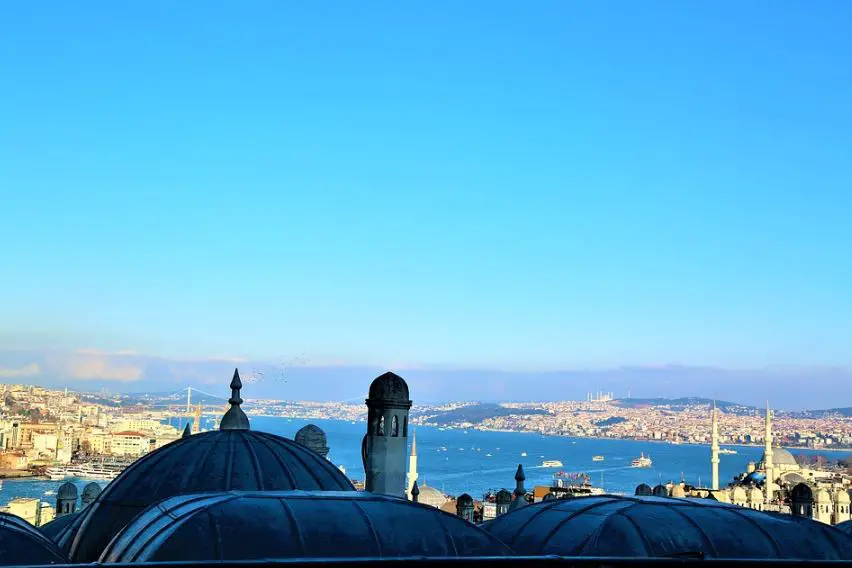
10 Best Cities in Turkey to Visit | Major Cities in Turkey
Turkey cities are surrounded by eight different European nations, Turkey is a dazzling destination located in Western Asia and a little bit in Southeast Europe. You will see here antiquated landscapes, enriched with staggering Roman vestiges, favored with captivating shorelines, … Continue reading
The post 10 Best Cities in Turkey to Visit | Major Cities in Turkey appeared first on World Tour & Travel Guide, Get Travel Tips, Information, Discover Travel Destination | Adequate Travel.
Read More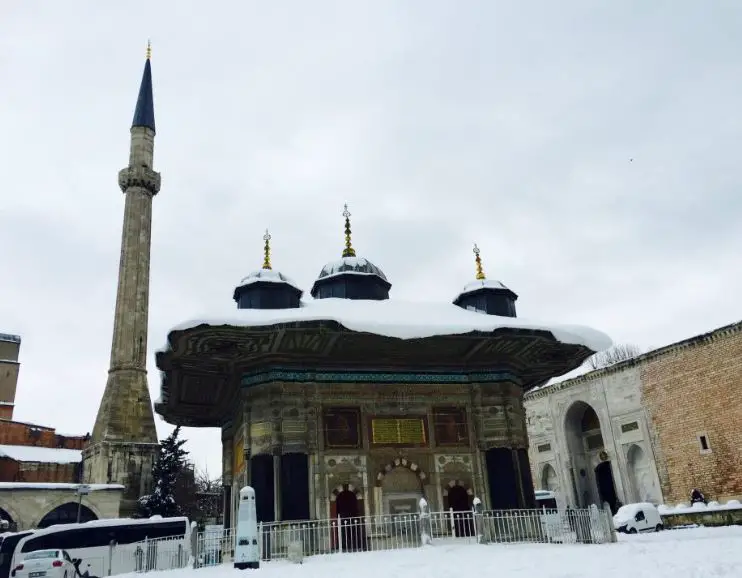
The 17 Famous Monuments in Istanbul Turkey | Most Visited Monuments in Istanbul
Istanbul is Turkey’s rich historical land that is appraised for its packed lanes, elaborate architecture, and balloon-filled skies. It is home to a number of world-famous monuments in Istanbul. Ottomans, Romans, and Byzantines all have left a mark in this … Continue reading
The post The 17 Famous Monuments in Istanbul Turkey | Most Visited Monuments in Istanbul appeared first on World Tour & Travel Guide, Get Travel Tips, Information, Discover Travel Destination | Adequate Travel.
Read More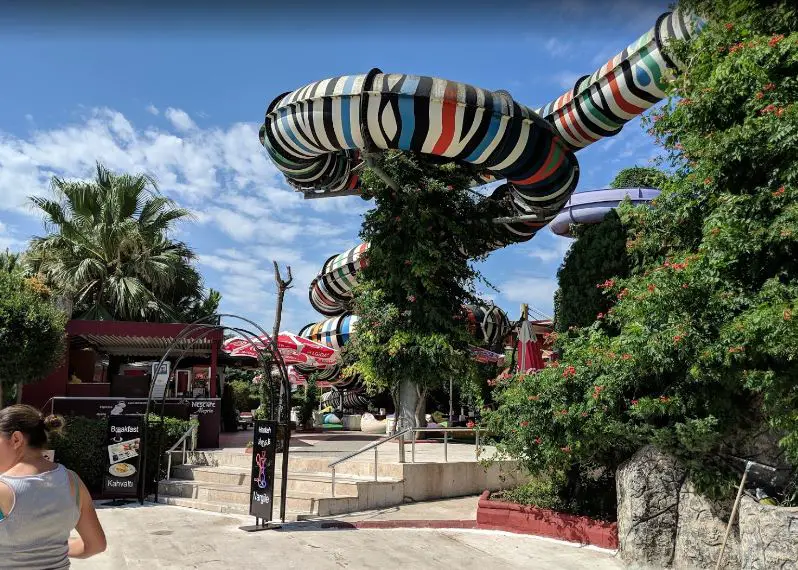
Best Theme Parks in Istanbul Turkey | Popular Amusement Parks in Istanbul
A trip to an amusement park in Istanbul with your family and friends creates one-of-a-kind adventure experiences and memories. It provides you with a unique opportunity to have a laugh or two with entirely new people and interact with each … Continue reading
The post Best Theme Parks in Istanbul Turkey | Popular Amusement Parks in Istanbul appeared first on World Tour & Travel Guide, Get Travel Tips, Information, Discover Travel Destination | Adequate Travel.
Read More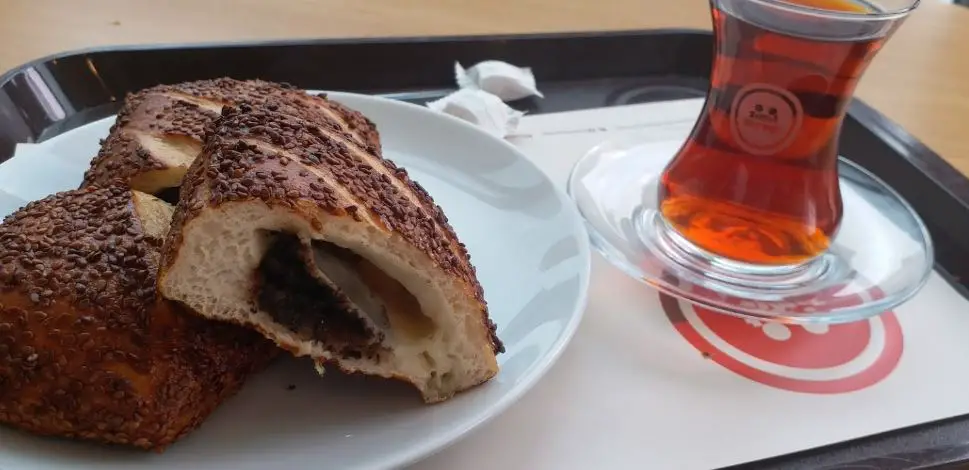
Best Foods to Try in Istanbul Turkey | Popular Foods in Istanbul
Istanbul upholds a very diverse community of people who range from modern European to an old classic Asian. So a plethora of palette is served which ranks among the top foods in Istanbul. You must hold a big appetite to … Continue reading
The post Best Foods to Try in Istanbul Turkey | Popular Foods in Istanbul appeared first on World Tour & Travel Guide, Get Travel Tips, Information, Discover Travel Destination | Adequate Travel.
Read More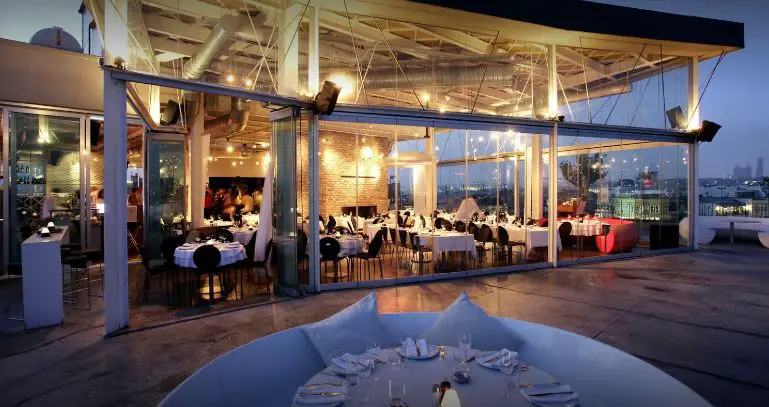
Top 10 Restaurants in Istanbul | Best Places to Eat in Istanbul Turkey
Restaurants in Istanbul can range from being exceptionally higher to extraordinarily cheap. So, you have to decide which flavor you want to explore more. As the amount served is never less in Turkish cuisine. They are very connected with their … Continue reading
The post Top 10 Restaurants in Istanbul | Best Places to Eat in Istanbul Turkey appeared first on World Tour & Travel Guide, Get Travel Tips, Information, Discover Travel Destination | Adequate Travel.
Read More
Best Beaches in Istanbul Turkey | Top 10 Beaches in Istanbul
Istanbul is washed up on the shores by the Marmara and Black seas which are linked by the Bosphorus and many small islands. Istanbul’s famous beaches are served with popular seafood and various beach sports in Turkey. Since Istanbul is … Continue reading
The post Best Beaches in Istanbul Turkey | Top 10 Beaches in Istanbul appeared first on World Tour & Travel Guide, Get Travel Tips, Information, Discover Travel Destination | Adequate Travel.
Read More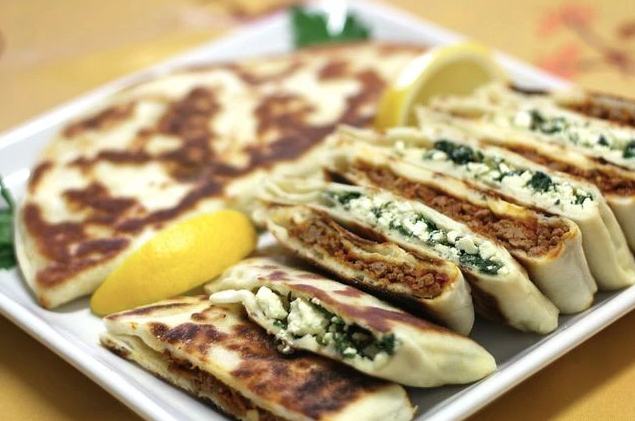
10 Best Foods in Antalya | Famous Foods to Eat in Antalya, Turkey
Antalya is the port city of Turkey that is famous for its refreshing coastlines and the delicious foods they serve. This city is known as the ‘Turquoise Coast’ of Turkey due to its blue waters. There are numerous places here … Continue reading
The post 10 Best Foods in Antalya | Famous Foods to Eat in Antalya, Turkey appeared first on World Tour & Travel Guide, Get Travel Tips, Information, Discover Travel Destination | Adequate Travel.
Read More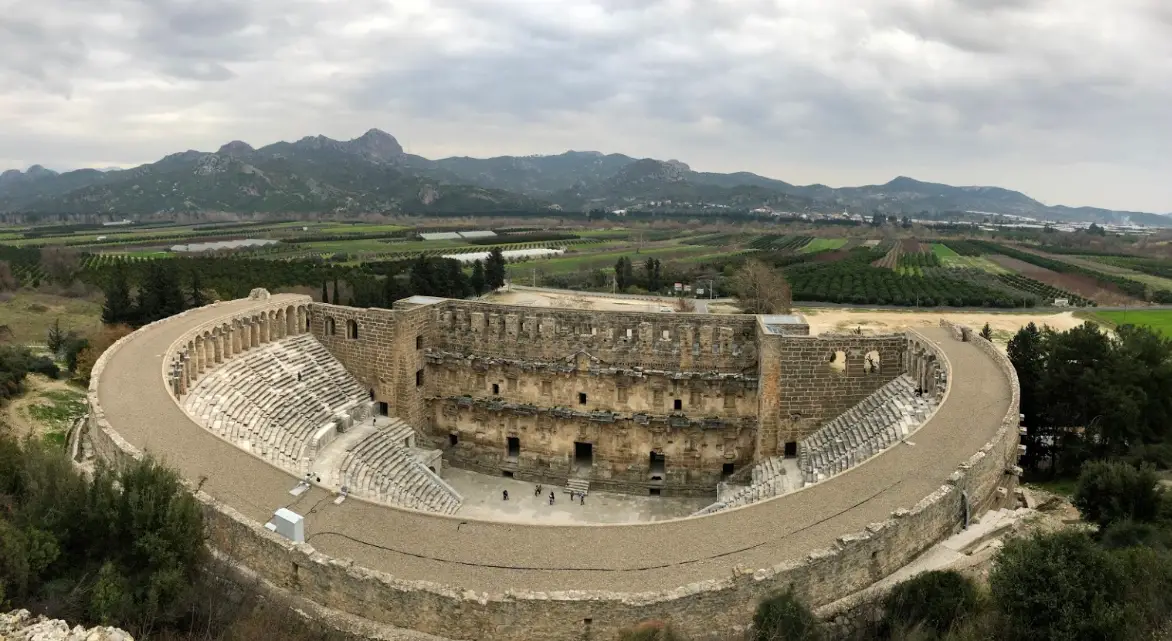
Discover What Antalya is Known for? | Why Antalya Turkey is Famous For
Antalya is known as the Turquoise Coast of Turkey due to its fresh blue waters that mesmerize every traveler visiting this port town. Antalya is popular for being the best Roman heritage collector of Western Turkey that sings the ballads … Continue reading
The post Discover What Antalya is Known for? | Why Antalya Turkey is Famous For appeared first on World Tour & Travel Guide, Get Travel Tips, Information, Discover Travel Destination | Adequate Travel.
Read More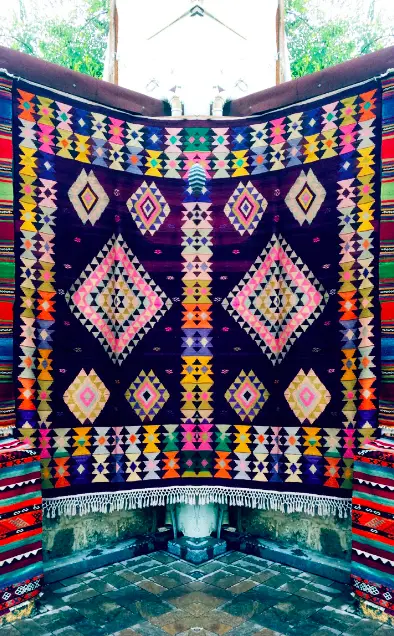
What to Buy in Antalya Turkey | Best Things to Buy in Antalya
The ending times of any vacation are always hard especially when you are in Antalya that is considered as the most beautiful city of Turkey, not only because you have to finally return to your boring life again but this … Continue reading
The post What to Buy in Antalya Turkey | Best Things to Buy in Antalya appeared first on World Tour & Travel Guide, Get Travel Tips, Information, Discover Travel Destination | Adequate Travel.
Read More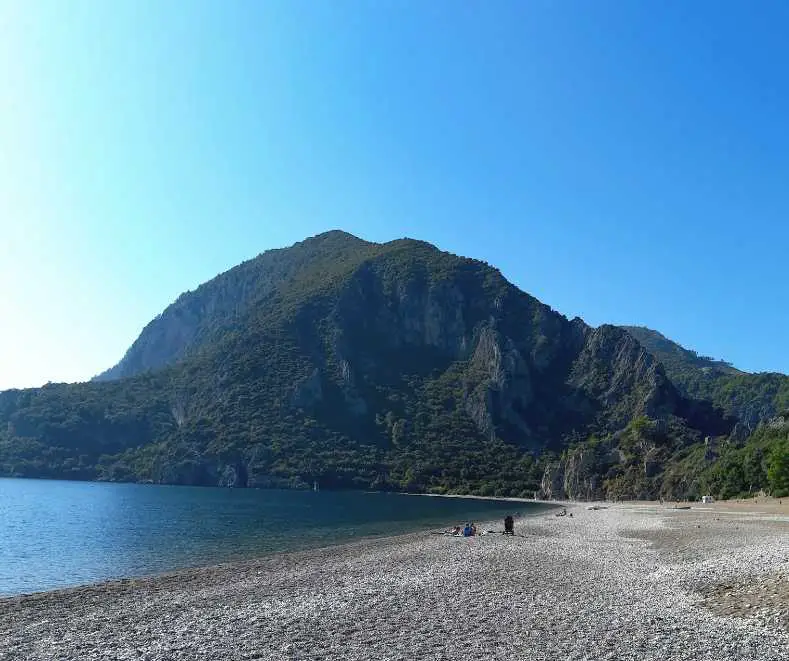
10 Best Beaches in Antalya Turkey | Famous Beaches to Visit in Antalya
Antalya is the best port city of Turkey that has some of the best historical monuments all laced up near the best beaches in Antalya that embellish every aspect of this city through their refreshing vibes and carefree cultures. You … Continue reading
The post 10 Best Beaches in Antalya Turkey | Famous Beaches to Visit in Antalya appeared first on World Tour & Travel Guide, Get Travel Tips, Information, Discover Travel Destination | Adequate Travel.
Read More