
Can I use public transportation to get around major cities?

Post ByAdequate Travel
Summary
Yes! Taking public transportation is a great way to get around major cities. Not only is it often faster and cheaper than other options, but it also helps reduce your carbon footprint. Plus, many public transportation systems offer convenient and easy-to-use options that make getting from place to place a breeze. In this blog post, we will explore some of the ways that you can use public transportation to get around major cities. Stay informed about any travel restrictions or travel rules in place, as they may vary depending on your destination within the country.Yes, you can use public transportation to get around major cities.
Here are some reasons why public transportation is a convenient option for navigating major cities:1. Extensive Network:
Major cities often have a well-developed public transportation system, including buses, trains, trams, and subways. These networks cover extensive areas and connect various neighborhoods, making it easier for travelers to reach their destinations.Example:
In New York City, the Metropolitan Transportation Authority (MTA) operates an extensive subway system, along with buses. With over 400 subway stations and thousands of bus stops, it provides convenient access to different parts of the city.2. Cost-effective:
Using public transportation is generally more cost-effective than other options like renting a car or hiring taxis. Public transportation fares are often based on zones or distances traveled, allowing you to save money, especially when you frequently move around the city.Example:
In London, the Transport for London (TfL) offers an Oyster card, which provides discounted fares for traveling on the city's buses, underground, overground, and other modes of public transport. This card helps commuters save money compared to purchasing individual tickets.3. Reduced Traffic and Parking Hassles:
Major cities often face issues related to traffic congestion and limited parking spaces. By using public transportation, you can avoid the stress of driving in heavy traffic and searching for parking spaces.Example:
In Tokyo, Japan, where parking is limited, the public transportation system is highly efficient and allows residents and visitors to travel easily within the city's many wards and neighborhoods, without worrying about traffic congestion or parking availability.4. Eco-friendly Option:
Using public transportation helps reduce individual carbon footprints and contributes to a more sustainable environment by reducing fuel consumption and air pollution. It is a greener option compared to private vehicles.Example:
Stockholm, the capital city of Sweden, is known for its environmentally friendly transportation system. The city has an extensive metro system, along with buses and trams, which help reduce the use of private vehicles and decrease carbon emissions.5. Accessibility for Everyone:
Public transportation systems are designed to be accessible to people with disabilities. They often provide ramps, elevators, and designated seating areas to ensure that everyone can travel comfortably and independently.Example:
CityLink in Melbourne, Australia, is a public transport network that facilitates accessibility for people with disabilities. They offer low floor trams with dedicated spaces for wheelchairs, tactile ground surface indicators, and hearing loops, making it easier for people with disabilities to travel around the city.Overall, public transportation is a reliable, cost-effective, and sustainable option for getting around major cities. It provides the convenience of reaching different areas without the hassle of dealing with traffic, parking, and high expenses.Keep in mind that travel guidelines and travel rules may change anytime, so regularly check for updates to ensure a hassle-free and memorable travel experience.Suggested Questions
- Kaunos Ancient City, Dalyan: Horror Story, History & Paranomial Activities
- Anamas Mound, Hatay: Horror Story, History & Paranomial Activities
- Nemrut Kumbet, Konya: Horror Story, History & Paranomial Activities
- Haci Bektas Veli Museum, Nevsehir: Horror Story, History & Paranomial Activities
- Van Castle, Van: Horror Story, History & Paranomial Activities
- Alacahoyuk, Corum: Horror Story, History & Paranomial Activities
Questions turkey
You may also like
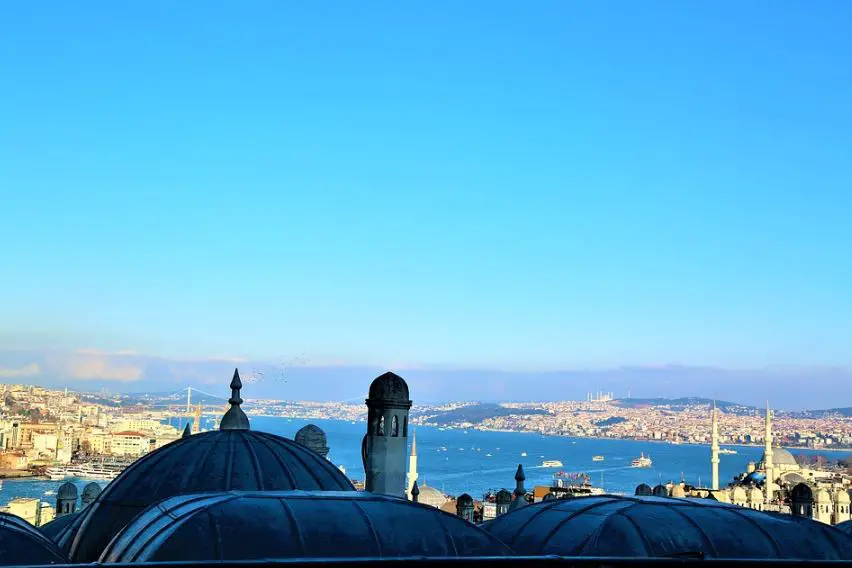
10 Best Cities in Turkey to Visit | Major Cities in Turkey
Turkey cities are surrounded by eight different European nations, Turkey is a dazzling destination located in Western Asia and a little bit in Southeast Europe. You will see here antiquated landscapes, enriched with staggering Roman vestiges, favored with captivating shorelines, … Continue reading
The post 10 Best Cities in Turkey to Visit | Major Cities in Turkey appeared first on World Tour & Travel Guide, Get Travel Tips, Information, Discover Travel Destination | Adequate Travel.
Read More
The 17 Famous Monuments in Istanbul Turkey | Most Visited Monuments in Istanbul
Istanbul is Turkey’s rich historical land that is appraised for its packed lanes, elaborate architecture, and balloon-filled skies. It is home to a number of world-famous monuments in Istanbul. Ottomans, Romans, and Byzantines all have left a mark in this … Continue reading
The post The 17 Famous Monuments in Istanbul Turkey | Most Visited Monuments in Istanbul appeared first on World Tour & Travel Guide, Get Travel Tips, Information, Discover Travel Destination | Adequate Travel.
Read More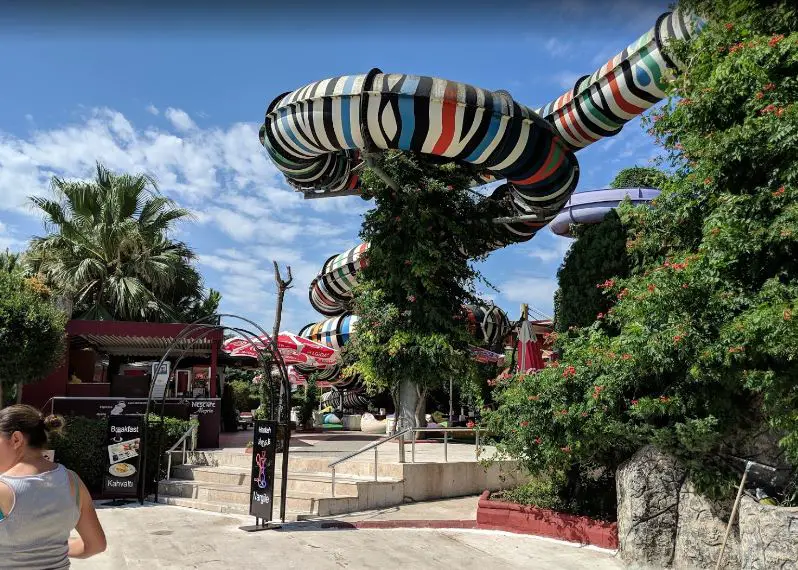
Best Theme Parks in Istanbul Turkey | Popular Amusement Parks in Istanbul
A trip to an amusement park in Istanbul with your family and friends creates one-of-a-kind adventure experiences and memories. It provides you with a unique opportunity to have a laugh or two with entirely new people and interact with each … Continue reading
The post Best Theme Parks in Istanbul Turkey | Popular Amusement Parks in Istanbul appeared first on World Tour & Travel Guide, Get Travel Tips, Information, Discover Travel Destination | Adequate Travel.
Read More
Best Foods to Try in Istanbul Turkey | Popular Foods in Istanbul
Istanbul upholds a very diverse community of people who range from modern European to an old classic Asian. So a plethora of palette is served which ranks among the top foods in Istanbul. You must hold a big appetite to … Continue reading
The post Best Foods to Try in Istanbul Turkey | Popular Foods in Istanbul appeared first on World Tour & Travel Guide, Get Travel Tips, Information, Discover Travel Destination | Adequate Travel.
Read More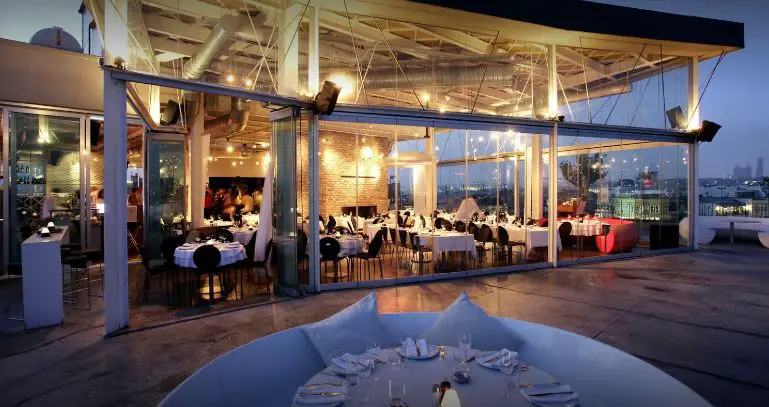
Top 10 Restaurants in Istanbul | Best Places to Eat in Istanbul Turkey
Restaurants in Istanbul can range from being exceptionally higher to extraordinarily cheap. So, you have to decide which flavor you want to explore more. As the amount served is never less in Turkish cuisine. They are very connected with their … Continue reading
The post Top 10 Restaurants in Istanbul | Best Places to Eat in Istanbul Turkey appeared first on World Tour & Travel Guide, Get Travel Tips, Information, Discover Travel Destination | Adequate Travel.
Read More
Best Beaches in Istanbul Turkey | Top 10 Beaches in Istanbul
Istanbul is washed up on the shores by the Marmara and Black seas which are linked by the Bosphorus and many small islands. Istanbul’s famous beaches are served with popular seafood and various beach sports in Turkey. Since Istanbul is … Continue reading
The post Best Beaches in Istanbul Turkey | Top 10 Beaches in Istanbul appeared first on World Tour & Travel Guide, Get Travel Tips, Information, Discover Travel Destination | Adequate Travel.
Read More
10 Best Foods in Antalya | Famous Foods to Eat in Antalya, Turkey
Antalya is the port city of Turkey that is famous for its refreshing coastlines and the delicious foods they serve. This city is known as the ‘Turquoise Coast’ of Turkey due to its blue waters. There are numerous places here … Continue reading
The post 10 Best Foods in Antalya | Famous Foods to Eat in Antalya, Turkey appeared first on World Tour & Travel Guide, Get Travel Tips, Information, Discover Travel Destination | Adequate Travel.
Read More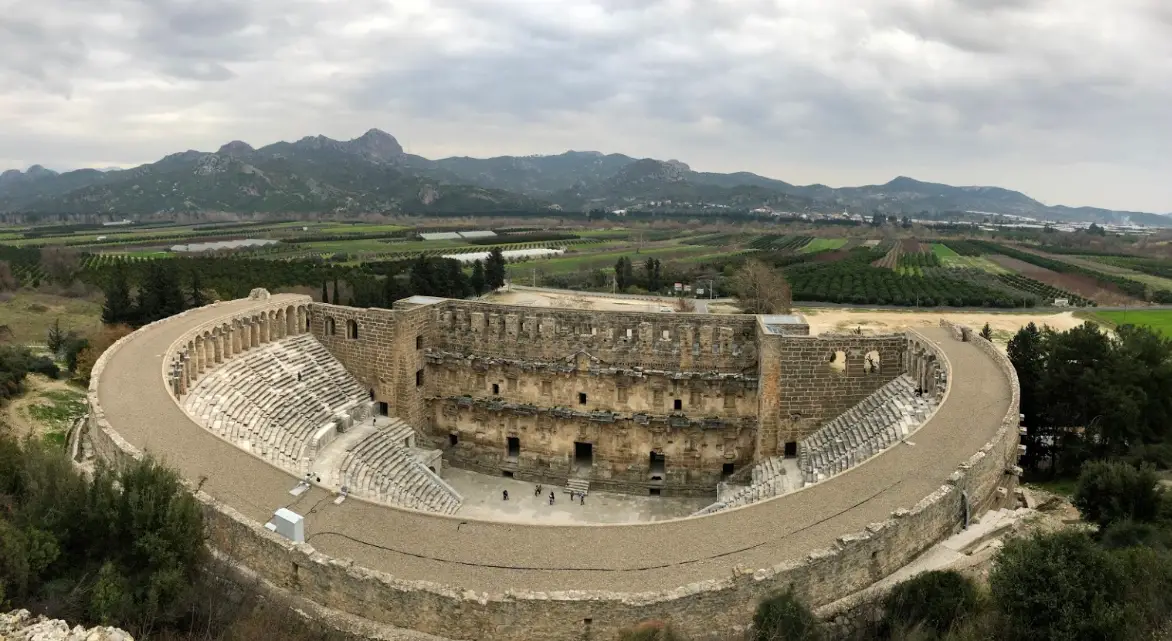
Discover What Antalya is Known for? | Why Antalya Turkey is Famous For
Antalya is known as the Turquoise Coast of Turkey due to its fresh blue waters that mesmerize every traveler visiting this port town. Antalya is popular for being the best Roman heritage collector of Western Turkey that sings the ballads … Continue reading
The post Discover What Antalya is Known for? | Why Antalya Turkey is Famous For appeared first on World Tour & Travel Guide, Get Travel Tips, Information, Discover Travel Destination | Adequate Travel.
Read More
What to Buy in Antalya Turkey | Best Things to Buy in Antalya
The ending times of any vacation are always hard especially when you are in Antalya that is considered as the most beautiful city of Turkey, not only because you have to finally return to your boring life again but this … Continue reading
The post What to Buy in Antalya Turkey | Best Things to Buy in Antalya appeared first on World Tour & Travel Guide, Get Travel Tips, Information, Discover Travel Destination | Adequate Travel.
Read More
10 Best Beaches in Antalya Turkey | Famous Beaches to Visit in Antalya
Antalya is the best port city of Turkey that has some of the best historical monuments all laced up near the best beaches in Antalya that embellish every aspect of this city through their refreshing vibes and carefree cultures. You … Continue reading
The post 10 Best Beaches in Antalya Turkey | Famous Beaches to Visit in Antalya appeared first on World Tour & Travel Guide, Get Travel Tips, Information, Discover Travel Destination | Adequate Travel.
Read More