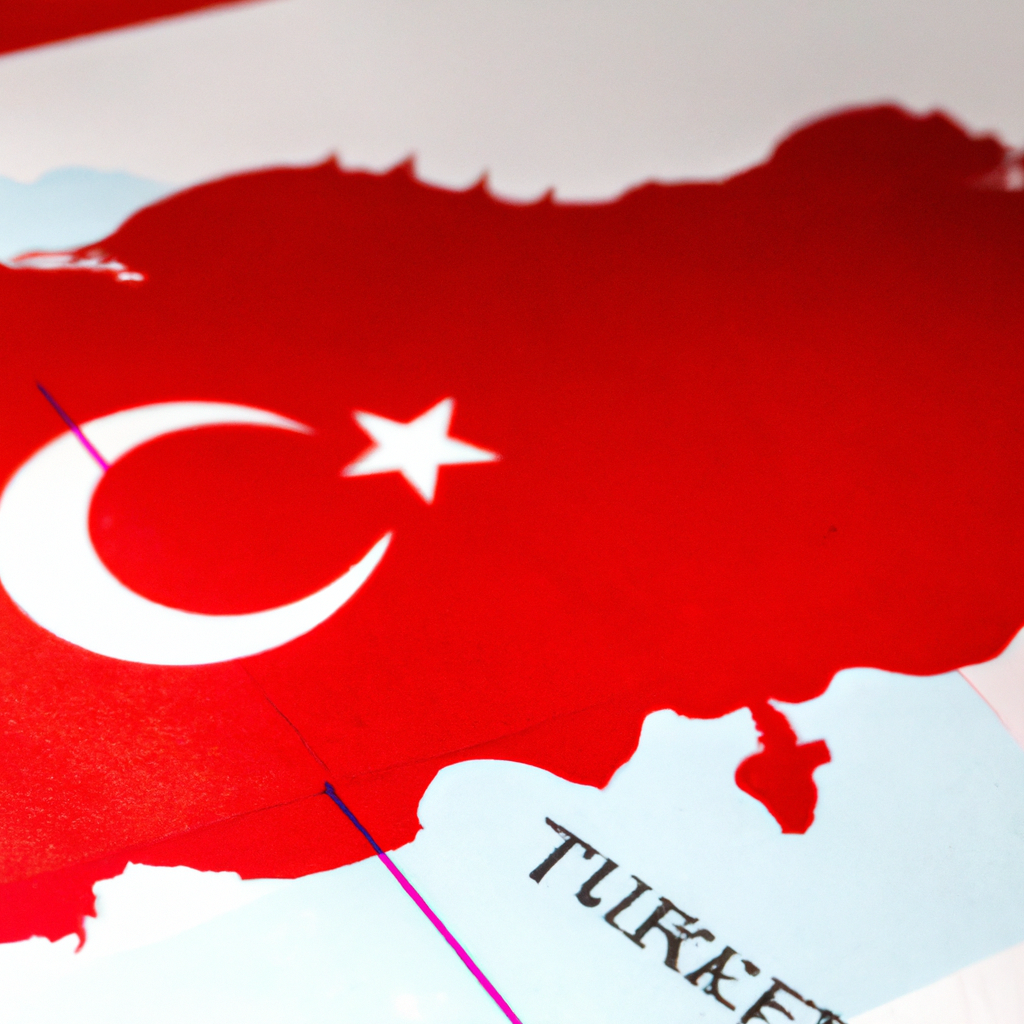
Are there any specific customs or etiquette I should be aware of as a tourist in Turkey?

Post ByAdequate Travel
Summary
As a tourist in Turkey, it is important to be mindful of the customs and etiquette that are a part of everyday life for the people of this beautiful destination. In this blog post, we'll explore the key points of etiquette to observe as a tourist in Turkey, and the customs and traditions that are unique to this vibrant country. Stay informed about any travel restrictions or travel rules in place, as they may vary depending on your destination within the country.Customs and Etiquette in Turkey
Here are some important customs and etiquette to keep in mind when visiting Turkey:
1. Greetings and Hospitality
When greeting someone, it is customary to use a handshake, although close friends and family may exchange kisses on both cheeks. The Turkish people are known for their warm hospitality, so expect to be offered tea or coffee when visiting someone's home or shop.
2. Dress Code
Turkey is a predominantly Muslim country, and modesty in dress is appreciated, especially when visiting religious sites. It is recommended to avoid wearing revealing or overly casual attire in such places and to cover shoulders and knees. However, in popular tourist areas and beach resorts, this may be more relaxed.
3. Shoes
When entering a home or a mosque, it's customary to take off your shoes. Look for a pile of shoes at the entrance as an indication of this practice. It's a good idea to wear shoes that are easy to slip on and off.
4. Dining Etiquette
When dining in a traditional Turkish setting, it is polite to wait for the host to invite you to start eating. Expect a variety of dishes served as mezes (appetizers) before the main course. It is customary to keep your hands visible while eating, and using utensils is common. Also, it is polite to leave a little bit of food on your plate after finishing to indicate that you are satisfied.
5. Tea Culture
Turkish tea is a significant part of the culture, and it is customary to offer and accept tea as a sign of hospitality or friendship. When offered tea, it is polite to accept, even if you don't drink it. You can indicate you've had enough by leaving some tea in the cup.
6. Public Behavior
Public displays of affection are generally considered inappropriate in Turkey, so it's best to avoid excessive physical contact in public areas. Additionally, it is polite to use your right hand for greetings, gestures, and when accepting or giving items.
7. Avoiding Offensive Topics
While engaging in conversations with locals, it is advisable to avoid discussing sensitive political or religious topics. Be respectful and open-minded, appreciating the rich cultural diversity of the country.
8. Tipping
Leaving a tip, known as "bahşiş," is customary in Turkey. It is appropriate to tip around 10-15% of the total bill in restaurants, cafes, and for other services. However, tipping is not obligatory, and it depends on the quality of service received.
Remember that every country may have slight variations in customs, so being observant and respecting local practices is always appreciated when traveling.Before embarking on your journey to turkey, make sure to check the latest travel guidelines and entry requirements to ensure a smooth tripSuggested Questions
- Ayancik Coast, Sinop: Horror Story, History & Paranomial Activities
- Kayakoy Ghost Town, Fethiye: Horror Story, History & Paranomial Activities
- Amasra Castle, Bartin: Horror Story, History & Paranomial Activities
- Mardin Old Town, Mardin: Horror Story, History & Paranomial Activities
- Manavgat Waterfall, Antalya: Horror Story, History & Paranomial Activities
- Suleymaniye Mosque, Istanbul: Horror Story, History & Paranomial Activities
Questions turkey
You may also like
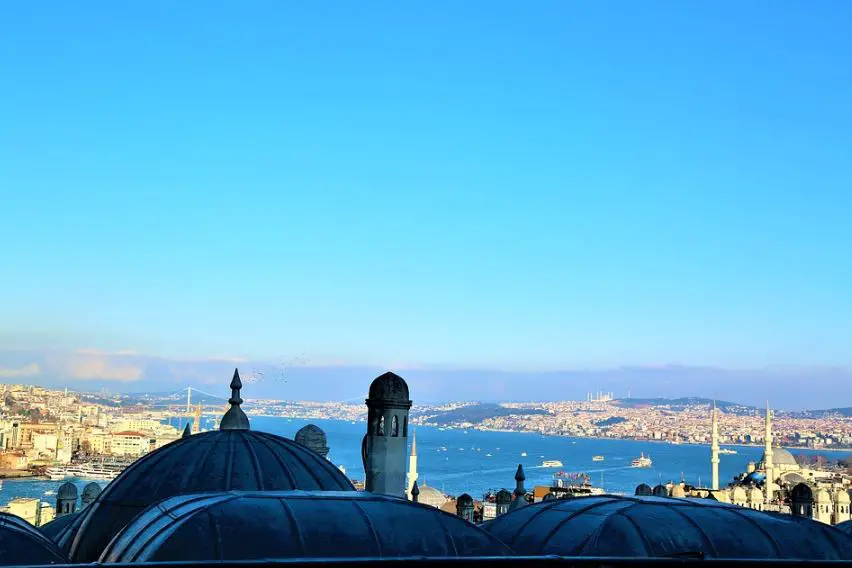
10 Best Cities in Turkey to Visit | Major Cities in Turkey
Turkey cities are surrounded by eight different European nations, Turkey is a dazzling destination located in Western Asia and a little bit in Southeast Europe. You will see here antiquated landscapes, enriched with staggering Roman vestiges, favored with captivating shorelines, … Continue reading
The post 10 Best Cities in Turkey to Visit | Major Cities in Turkey appeared first on World Tour & Travel Guide, Get Travel Tips, Information, Discover Travel Destination | Adequate Travel.
Read More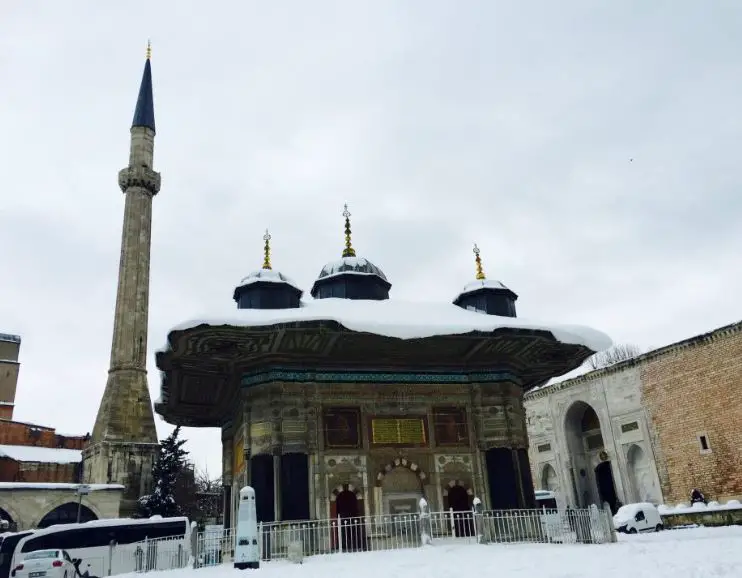
The 17 Famous Monuments in Istanbul Turkey | Most Visited Monuments in Istanbul
Istanbul is Turkey’s rich historical land that is appraised for its packed lanes, elaborate architecture, and balloon-filled skies. It is home to a number of world-famous monuments in Istanbul. Ottomans, Romans, and Byzantines all have left a mark in this … Continue reading
The post The 17 Famous Monuments in Istanbul Turkey | Most Visited Monuments in Istanbul appeared first on World Tour & Travel Guide, Get Travel Tips, Information, Discover Travel Destination | Adequate Travel.
Read More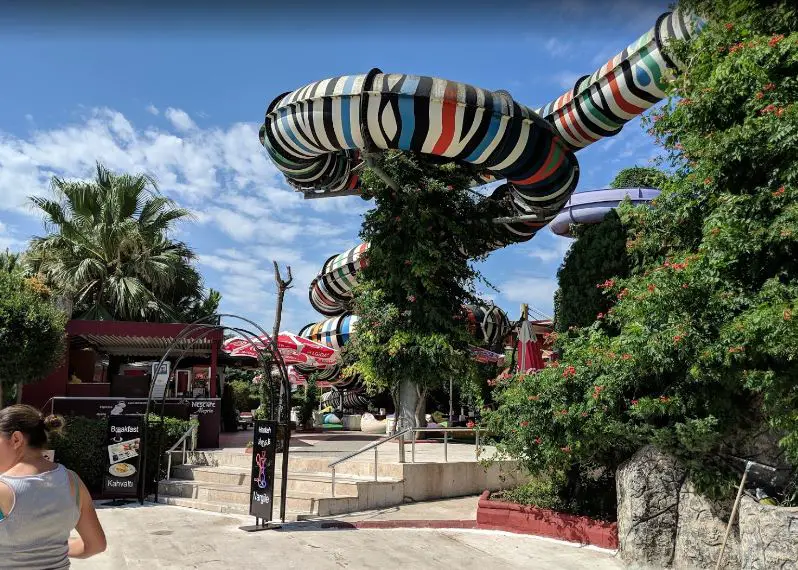
Best Theme Parks in Istanbul Turkey | Popular Amusement Parks in Istanbul
A trip to an amusement park in Istanbul with your family and friends creates one-of-a-kind adventure experiences and memories. It provides you with a unique opportunity to have a laugh or two with entirely new people and interact with each … Continue reading
The post Best Theme Parks in Istanbul Turkey | Popular Amusement Parks in Istanbul appeared first on World Tour & Travel Guide, Get Travel Tips, Information, Discover Travel Destination | Adequate Travel.
Read More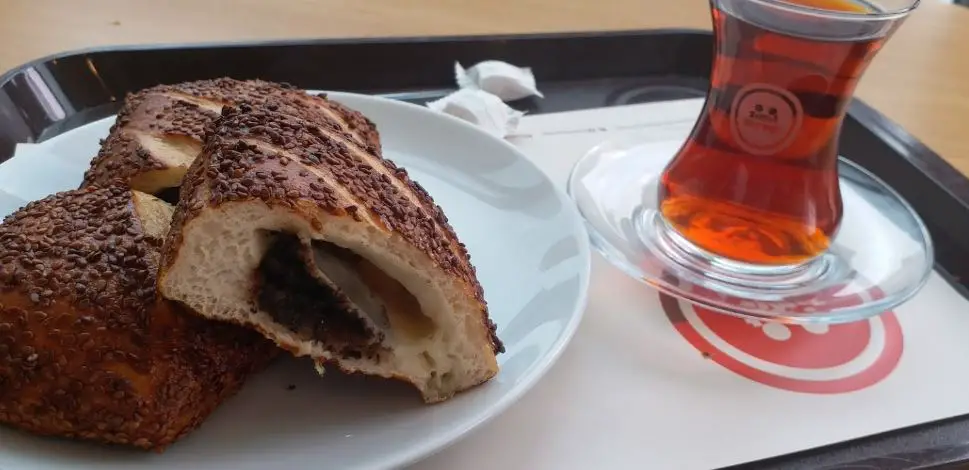
Best Foods to Try in Istanbul Turkey | Popular Foods in Istanbul
Istanbul upholds a very diverse community of people who range from modern European to an old classic Asian. So a plethora of palette is served which ranks among the top foods in Istanbul. You must hold a big appetite to … Continue reading
The post Best Foods to Try in Istanbul Turkey | Popular Foods in Istanbul appeared first on World Tour & Travel Guide, Get Travel Tips, Information, Discover Travel Destination | Adequate Travel.
Read More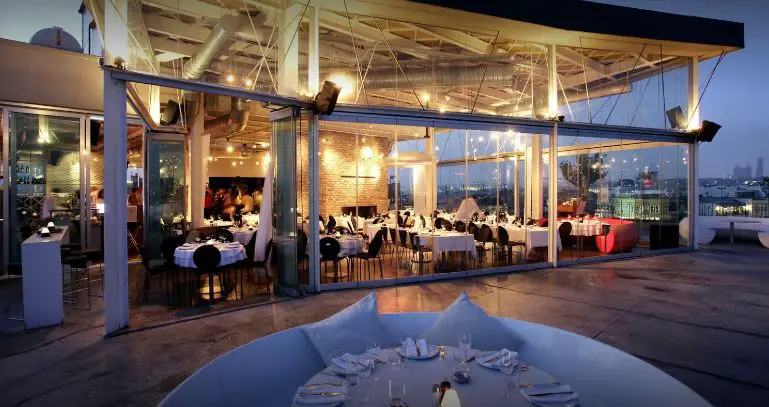
Top 10 Restaurants in Istanbul | Best Places to Eat in Istanbul Turkey
Restaurants in Istanbul can range from being exceptionally higher to extraordinarily cheap. So, you have to decide which flavor you want to explore more. As the amount served is never less in Turkish cuisine. They are very connected with their … Continue reading
The post Top 10 Restaurants in Istanbul | Best Places to Eat in Istanbul Turkey appeared first on World Tour & Travel Guide, Get Travel Tips, Information, Discover Travel Destination | Adequate Travel.
Read More
Best Beaches in Istanbul Turkey | Top 10 Beaches in Istanbul
Istanbul is washed up on the shores by the Marmara and Black seas which are linked by the Bosphorus and many small islands. Istanbul’s famous beaches are served with popular seafood and various beach sports in Turkey. Since Istanbul is … Continue reading
The post Best Beaches in Istanbul Turkey | Top 10 Beaches in Istanbul appeared first on World Tour & Travel Guide, Get Travel Tips, Information, Discover Travel Destination | Adequate Travel.
Read More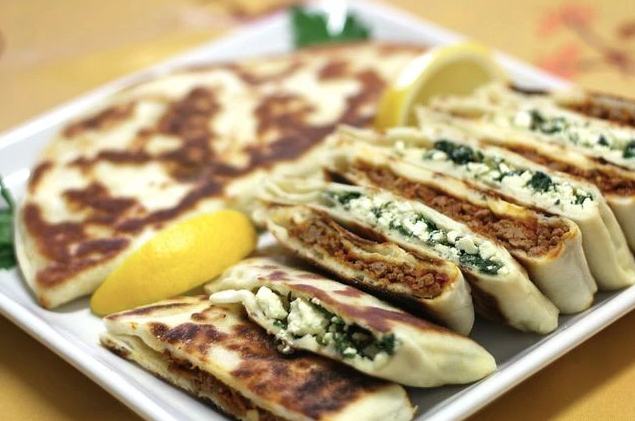
10 Best Foods in Antalya | Famous Foods to Eat in Antalya, Turkey
Antalya is the port city of Turkey that is famous for its refreshing coastlines and the delicious foods they serve. This city is known as the ‘Turquoise Coast’ of Turkey due to its blue waters. There are numerous places here … Continue reading
The post 10 Best Foods in Antalya | Famous Foods to Eat in Antalya, Turkey appeared first on World Tour & Travel Guide, Get Travel Tips, Information, Discover Travel Destination | Adequate Travel.
Read More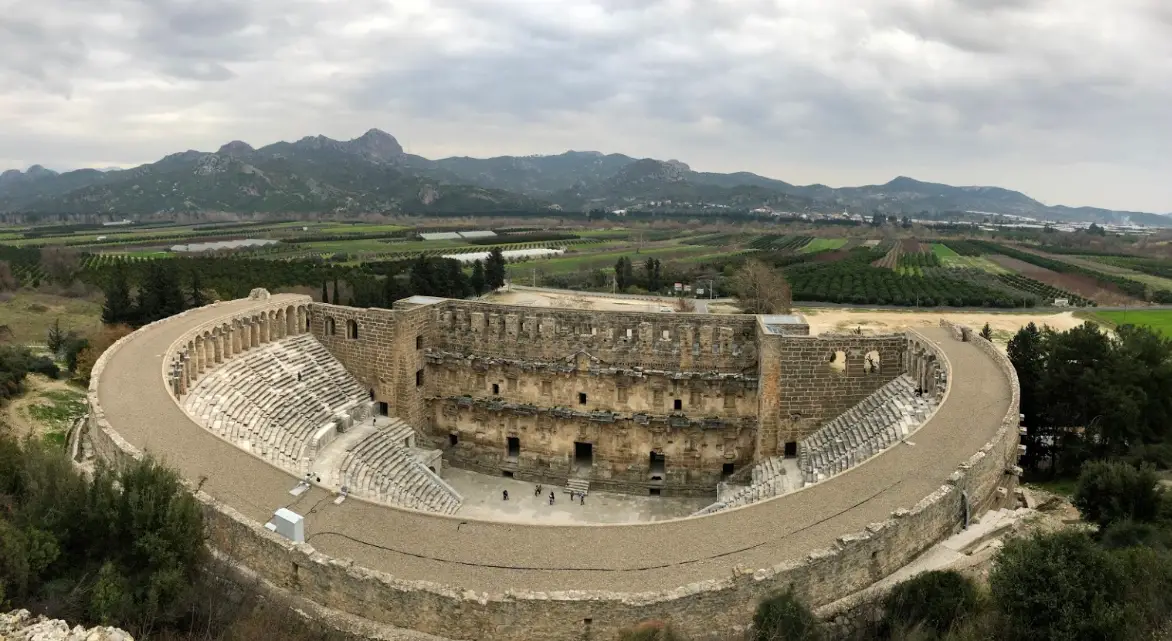
Discover What Antalya is Known for? | Why Antalya Turkey is Famous For
Antalya is known as the Turquoise Coast of Turkey due to its fresh blue waters that mesmerize every traveler visiting this port town. Antalya is popular for being the best Roman heritage collector of Western Turkey that sings the ballads … Continue reading
The post Discover What Antalya is Known for? | Why Antalya Turkey is Famous For appeared first on World Tour & Travel Guide, Get Travel Tips, Information, Discover Travel Destination | Adequate Travel.
Read More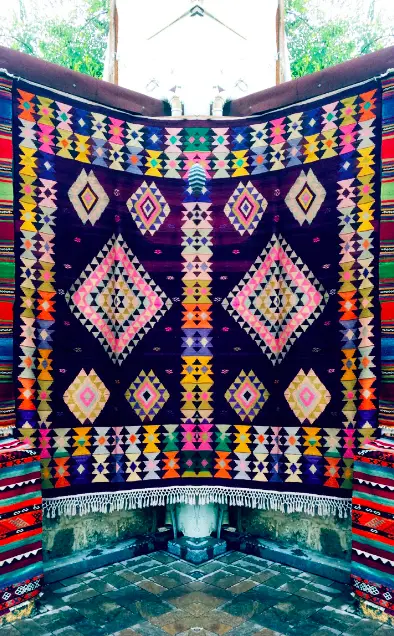
What to Buy in Antalya Turkey | Best Things to Buy in Antalya
The ending times of any vacation are always hard especially when you are in Antalya that is considered as the most beautiful city of Turkey, not only because you have to finally return to your boring life again but this … Continue reading
The post What to Buy in Antalya Turkey | Best Things to Buy in Antalya appeared first on World Tour & Travel Guide, Get Travel Tips, Information, Discover Travel Destination | Adequate Travel.
Read More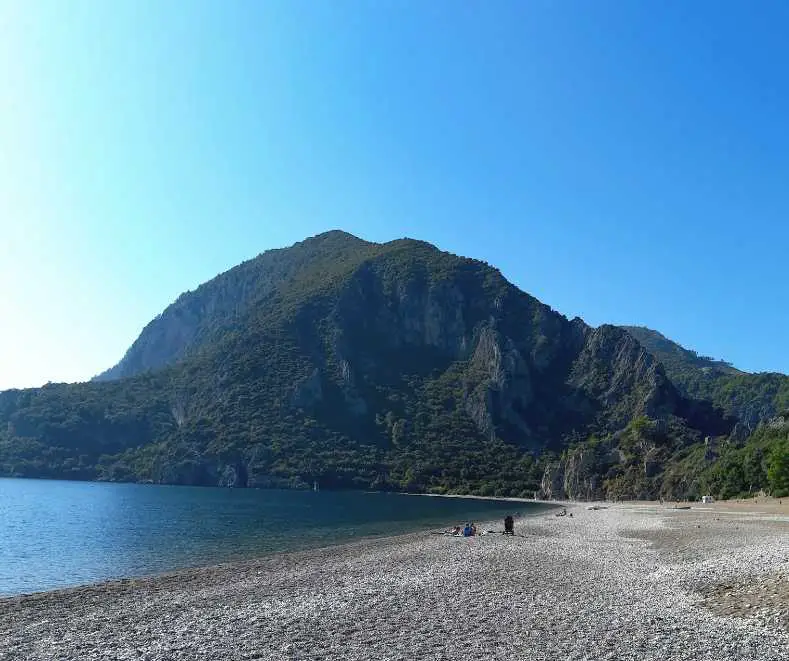
10 Best Beaches in Antalya Turkey | Famous Beaches to Visit in Antalya
Antalya is the best port city of Turkey that has some of the best historical monuments all laced up near the best beaches in Antalya that embellish every aspect of this city through their refreshing vibes and carefree cultures. You … Continue reading
The post 10 Best Beaches in Antalya Turkey | Famous Beaches to Visit in Antalya appeared first on World Tour & Travel Guide, Get Travel Tips, Information, Discover Travel Destination | Adequate Travel.
Read More