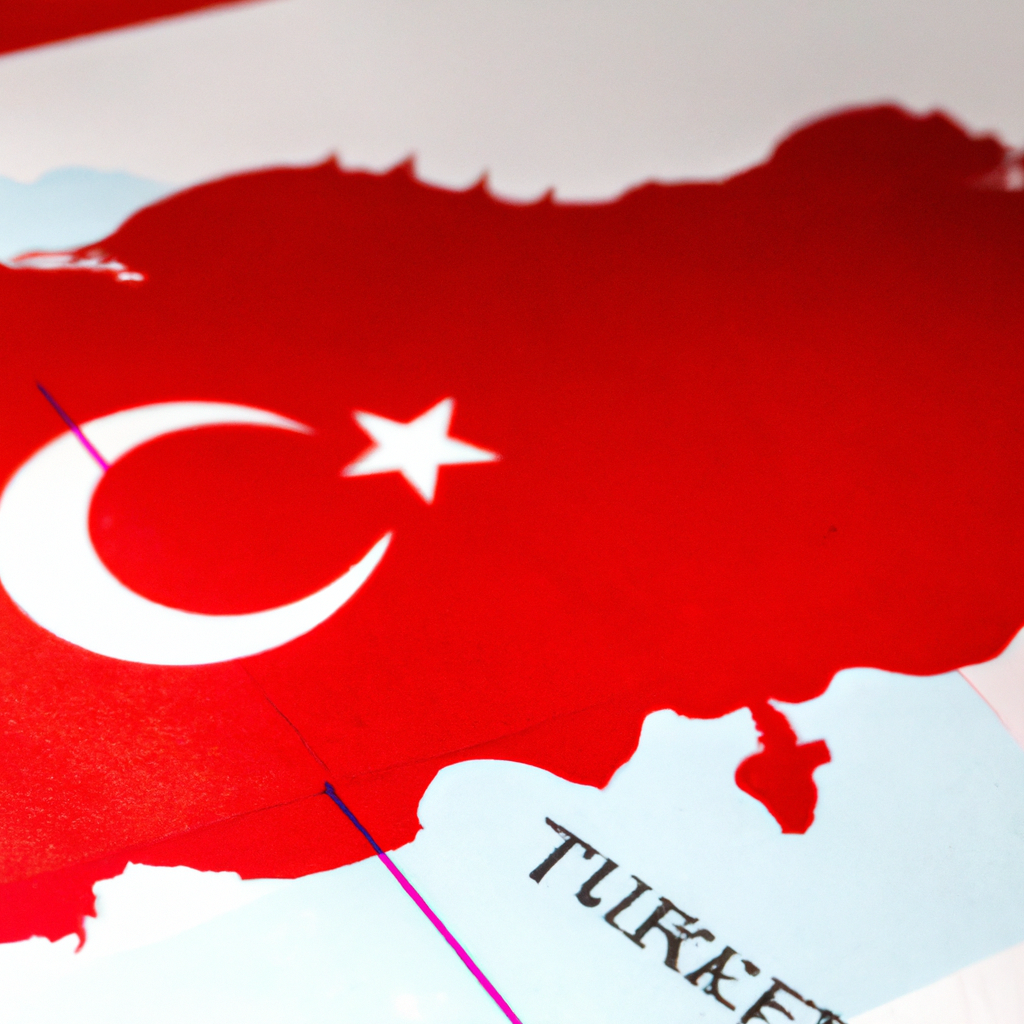
Are there any specific customs for visiting someone's home in Turkey?

Post ByAdequate Travel
Summary
When visiting someone's home in Turkey, there are certain customs and traditions that should be respected. These customs range from dress code to taking off your shoes upon entering the home and help create a comfortable and respectful environment. In this blog, we will discuss the specific customs for visiting someone's home in Turkey. Before embarking on your journey to turkey, make sure to check the latest travel guidelines and entry requirements to ensure a smooth tripCustoms for Visiting Someone's Home in Turkey
1. Shoes: When entering a Turkish home, it is customary to remove your shoes at the door. Most households provide slippers or socks for guests to wear inside. This practice helps to keep the home clean and shows respect for the host's hospitality.2. Greetings: Upon entering, it is polite to greet the hosts with a warm smile and a handshake. In more traditional settings, you may also kiss the cheeks of your close friends or relatives as a sign of affection.3. Bringing gifts: It is common to bring a small gift as a token of appreciation for the host's invitation. Popular gift choices include a box of chocolates, a bouquet of flowers, or a traditional Turkish dessert. Remember to present the gift with both hands as a gesture of respect.4. Dress code: While there is no strict dress code, it is recommended to dress modestly when visiting someone's home in Turkey, especially if it is a more conservative household. Avoid wearing revealing or provocative clothing, particularly for women.5. Table manners: If you are invited for a meal, it is considered polite to wait for the host to start eating before you begin. Additionally, it is customary to compliment the food and express your enjoyment of the meal. Leaving some food on your plate is often seen as a sign that you are full, while finishing everything might imply that you are still hungry.6. Seating arrangements: The eldest or most respected guest is typically offered the best seat in the living room or at the dining table. If it is your first time visiting, wait for the host to indicate where you should sit. Refusing the offer initially and showing modesty is also common.7. Politeness and respect: Politeness is highly valued in Turkish culture. Use respectful language and avoid raising your voice or engaging in controversial topics during conversations. Show interest in the host's life, ask about their well-being, and engage in discussions about Turkish traditions, history, or culture.8. Leaving the home: When leaving, thank the host for their hospitality and express your enjoyment of the visit. It is common for the host to accompany the guests to the door and say goodbye. If you had brought a gift, thank them once again and mention how much you appreciated their kindness.Remember, these customs may vary slightly depending on the specific region or family you are visiting. However, following these general guidelines will help you show respect and appreciation for your host's culture and hospitality.While planning your trip, take note of any travel restrictions that may impact your itinerary, such as limited access to certain regions or attractions.Suggested Questions
- Sivas Castle, Sivas: Horror Story, History & Paranomial Activities
- Silifke Castle, Silifke: Horror Story, History & Paranomial Activities
- Sultanhani Caravanserai, Aksaray: Horror Story, History & Paranomial Activities
- Karain Cave, Antalya: Horror Story, History & Paranomial Activities
- Sumela Monastery, Trabzon: Horror Story, History & Paranomial Activities
- Olympos Ancient City, Antalya: Horror Story, History & Paranomial Activities
Questions turkey
You may also like
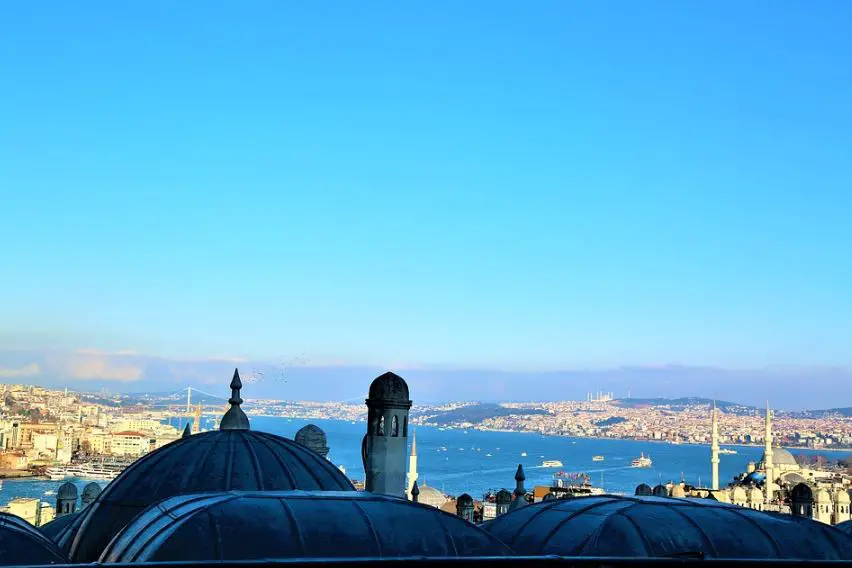
10 Best Cities in Turkey to Visit | Major Cities in Turkey
Turkey cities are surrounded by eight different European nations, Turkey is a dazzling destination located in Western Asia and a little bit in Southeast Europe. You will see here antiquated landscapes, enriched with staggering Roman vestiges, favored with captivating shorelines, … Continue reading
The post 10 Best Cities in Turkey to Visit | Major Cities in Turkey appeared first on World Tour & Travel Guide, Get Travel Tips, Information, Discover Travel Destination | Adequate Travel.
Read More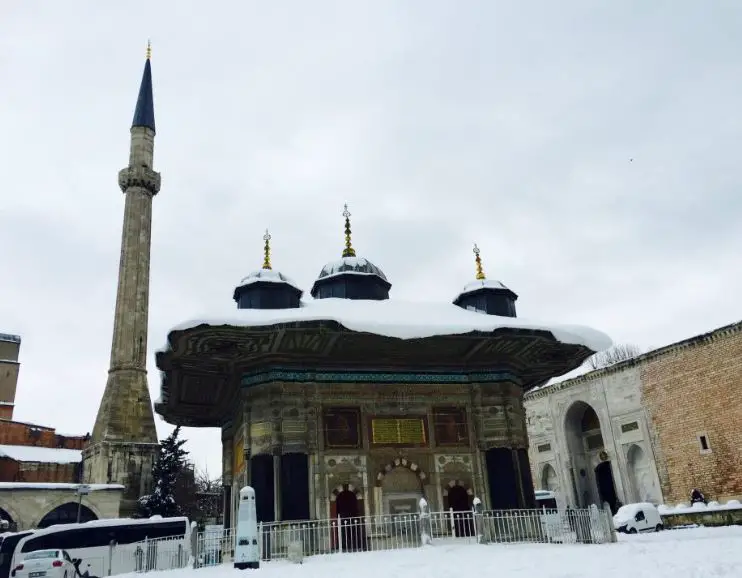
The 17 Famous Monuments in Istanbul Turkey | Most Visited Monuments in Istanbul
Istanbul is Turkey’s rich historical land that is appraised for its packed lanes, elaborate architecture, and balloon-filled skies. It is home to a number of world-famous monuments in Istanbul. Ottomans, Romans, and Byzantines all have left a mark in this … Continue reading
The post The 17 Famous Monuments in Istanbul Turkey | Most Visited Monuments in Istanbul appeared first on World Tour & Travel Guide, Get Travel Tips, Information, Discover Travel Destination | Adequate Travel.
Read More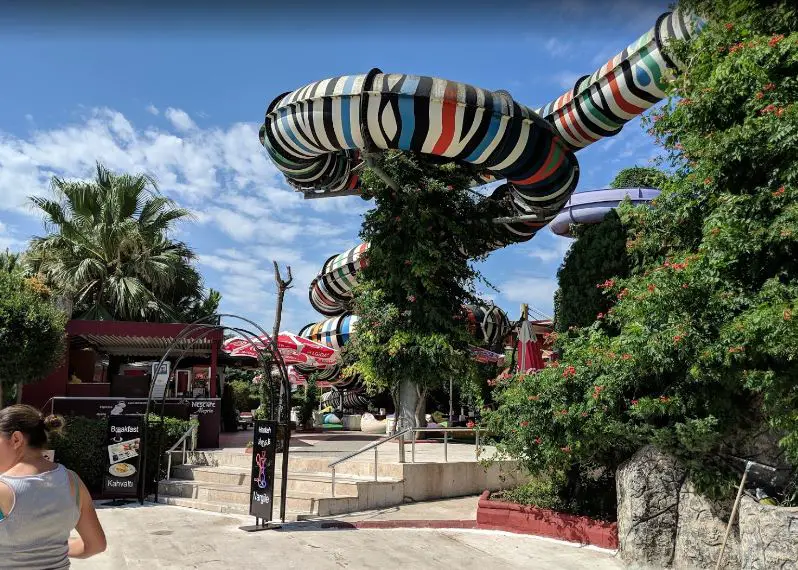
Best Theme Parks in Istanbul Turkey | Popular Amusement Parks in Istanbul
A trip to an amusement park in Istanbul with your family and friends creates one-of-a-kind adventure experiences and memories. It provides you with a unique opportunity to have a laugh or two with entirely new people and interact with each … Continue reading
The post Best Theme Parks in Istanbul Turkey | Popular Amusement Parks in Istanbul appeared first on World Tour & Travel Guide, Get Travel Tips, Information, Discover Travel Destination | Adequate Travel.
Read More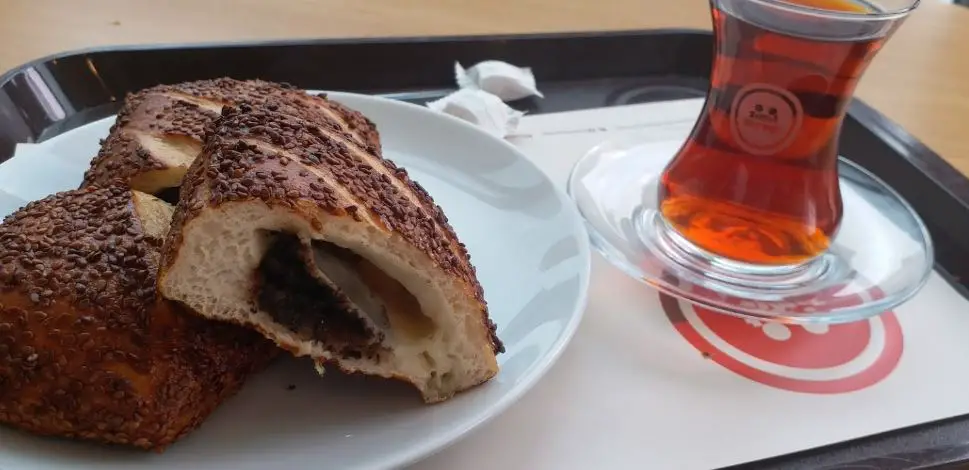
Best Foods to Try in Istanbul Turkey | Popular Foods in Istanbul
Istanbul upholds a very diverse community of people who range from modern European to an old classic Asian. So a plethora of palette is served which ranks among the top foods in Istanbul. You must hold a big appetite to … Continue reading
The post Best Foods to Try in Istanbul Turkey | Popular Foods in Istanbul appeared first on World Tour & Travel Guide, Get Travel Tips, Information, Discover Travel Destination | Adequate Travel.
Read More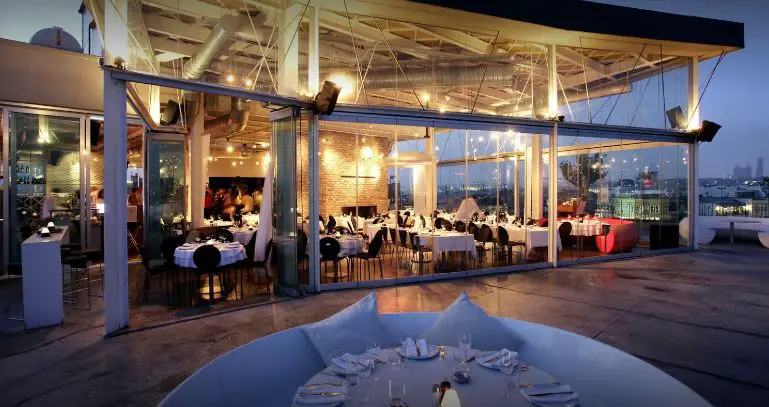
Top 10 Restaurants in Istanbul | Best Places to Eat in Istanbul Turkey
Restaurants in Istanbul can range from being exceptionally higher to extraordinarily cheap. So, you have to decide which flavor you want to explore more. As the amount served is never less in Turkish cuisine. They are very connected with their … Continue reading
The post Top 10 Restaurants in Istanbul | Best Places to Eat in Istanbul Turkey appeared first on World Tour & Travel Guide, Get Travel Tips, Information, Discover Travel Destination | Adequate Travel.
Read More
Best Beaches in Istanbul Turkey | Top 10 Beaches in Istanbul
Istanbul is washed up on the shores by the Marmara and Black seas which are linked by the Bosphorus and many small islands. Istanbul’s famous beaches are served with popular seafood and various beach sports in Turkey. Since Istanbul is … Continue reading
The post Best Beaches in Istanbul Turkey | Top 10 Beaches in Istanbul appeared first on World Tour & Travel Guide, Get Travel Tips, Information, Discover Travel Destination | Adequate Travel.
Read More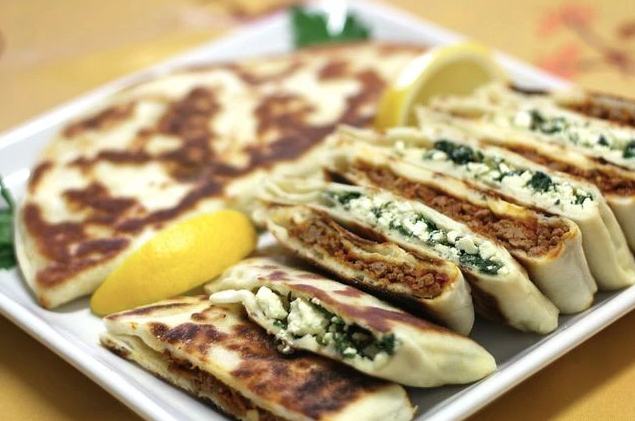
10 Best Foods in Antalya | Famous Foods to Eat in Antalya, Turkey
Antalya is the port city of Turkey that is famous for its refreshing coastlines and the delicious foods they serve. This city is known as the ‘Turquoise Coast’ of Turkey due to its blue waters. There are numerous places here … Continue reading
The post 10 Best Foods in Antalya | Famous Foods to Eat in Antalya, Turkey appeared first on World Tour & Travel Guide, Get Travel Tips, Information, Discover Travel Destination | Adequate Travel.
Read More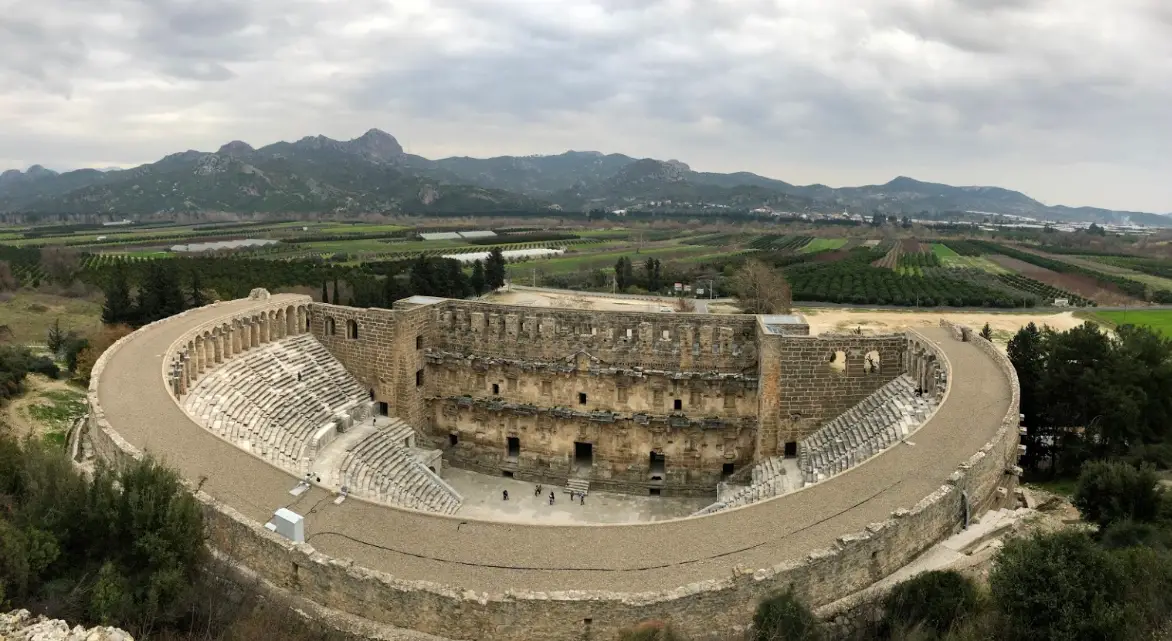
Discover What Antalya is Known for? | Why Antalya Turkey is Famous For
Antalya is known as the Turquoise Coast of Turkey due to its fresh blue waters that mesmerize every traveler visiting this port town. Antalya is popular for being the best Roman heritage collector of Western Turkey that sings the ballads … Continue reading
The post Discover What Antalya is Known for? | Why Antalya Turkey is Famous For appeared first on World Tour & Travel Guide, Get Travel Tips, Information, Discover Travel Destination | Adequate Travel.
Read More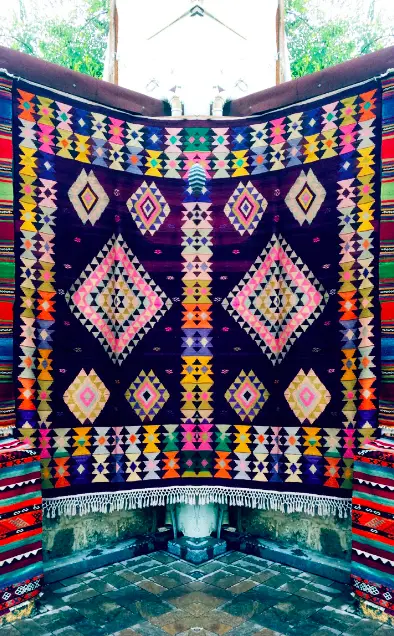
What to Buy in Antalya Turkey | Best Things to Buy in Antalya
The ending times of any vacation are always hard especially when you are in Antalya that is considered as the most beautiful city of Turkey, not only because you have to finally return to your boring life again but this … Continue reading
The post What to Buy in Antalya Turkey | Best Things to Buy in Antalya appeared first on World Tour & Travel Guide, Get Travel Tips, Information, Discover Travel Destination | Adequate Travel.
Read More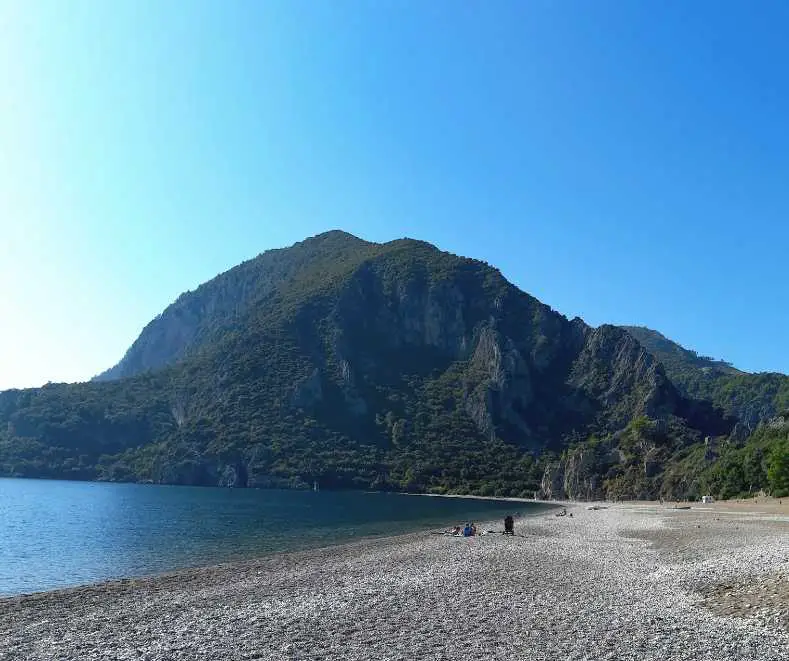
10 Best Beaches in Antalya Turkey | Famous Beaches to Visit in Antalya
Antalya is the best port city of Turkey that has some of the best historical monuments all laced up near the best beaches in Antalya that embellish every aspect of this city through their refreshing vibes and carefree cultures. You … Continue reading
The post 10 Best Beaches in Antalya Turkey | Famous Beaches to Visit in Antalya appeared first on World Tour & Travel Guide, Get Travel Tips, Information, Discover Travel Destination | Adequate Travel.
Read More