Are there any restrictions or considerations for visiting mosques?

Post ByAdequate Travel
Summary
Visiting a mosque is a spiritual experience that many people cherish. However, safety and cultural considerations should be taken into account, as there are certain restrictions and considerations that must be made when visiting a mosque. In this blog, we'll discuss the necessary factors that must be kept in mind before visiting a religious building. As you prepare for your journey, familiarize yourself with the specific entry requirements, including any necessary visas or documentation.Restrictions and Considerations for Visiting Mosques
1. Dress Code:
When visiting a mosque, it is important to dress modestly out of respect for the religious customs. Both men and women should cover their shoulders and knees. Women are generally required to cover their hair with a headscarf, while men should avoid wearing shorts.
2. Removal of Shoes:
Upon entering a mosque, it is customary to remove your shoes as a sign of humility and cleanliness. There is usually a designated area for shoe storage or shelves where visitors can leave their shoes.
3. Prayer Times:
Mosques have designated prayer times throughout the day. It is advisable to plan your visit accordingly, ensuring that you do not disturb any ongoing prayer rituals. Visitors should not walk in front of people who are praying, as this is considered disrespectful.
4. Gender Separation:
Many mosques have separate areas for men and women during prayers. It is essential to respect and adhere to these designated areas. If you are unsure about the arrangement, you can politely ask for guidance from the mosque staff or fellow worshippers.
5. Photography and Recording:
While some mosques allow photography and recording inside, others do not. It is always recommended to inquire in advance or look for any signage regarding photography restrictions. If photography is permitted, it is important to be respectful and not disrupt any prayers or individuals.
6. Silence and Respect:
Mosques are places of worship and tranquility. Visitors should maintain a quiet and respectful demeanor, refraining from loud conversations, using mobile phones, or engaging in disruptive behavior.
7. Non-Muslims:
Some mosques may have specific rules regarding entry for non-Muslims. It is always best to check in advance if non-Muslims are allowed to visit the mosque you intend to visit, as some mosques may limit entry to worshippers of the Islamic faith only.
These are general considerations, and it is always advisable to research specific mosque guidelines before visiting to ensure appropriateness and respect for the local customs and practices.While planning your trip, take note of any travel restrictions that may impact your itinerary, such as limited access to certain regions or attractions.Suggested Questions
- Uchisar Castle, Cappadocia: Horror Story, History & Paranomial Activities
- Edirne Selimiye Mosque, Edirne: Horror Story, History & Paranomial Activities
- Uzungol, Trabzon: Horror Story, History & Paranomial Activities
- House of the Whirling Dervishes, Konya: Horror Story, History & Paranomial Activities
- Silifke Castle, Silifke: Horror Story, History & Paranomial Activities
- Kasbah of the Udayas, Rabat: Horror Story, History & Paranomial Activities
Questions turkey
You may also like
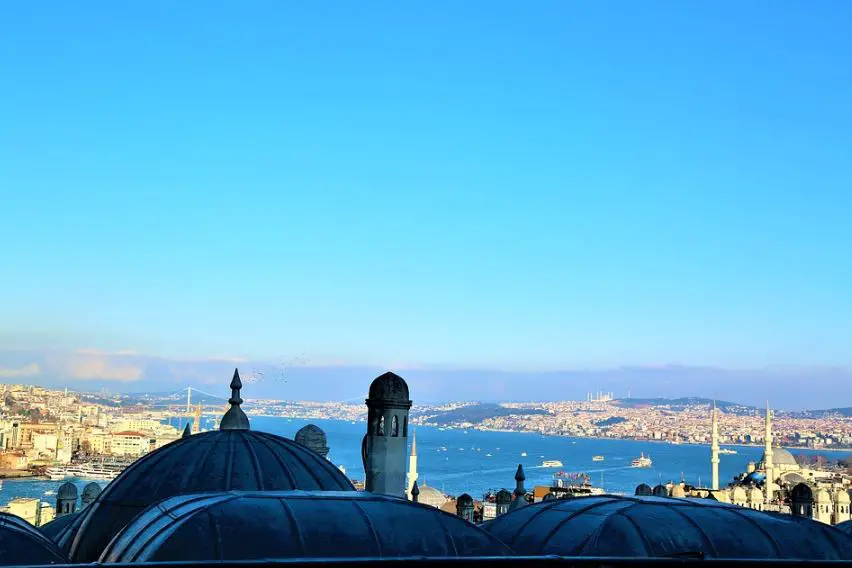
10 Best Cities in Turkey to Visit | Major Cities in Turkey
Turkey cities are surrounded by eight different European nations, Turkey is a dazzling destination located in Western Asia and a little bit in Southeast Europe. You will see here antiquated landscapes, enriched with staggering Roman vestiges, favored with captivating shorelines, … Continue reading
The post 10 Best Cities in Turkey to Visit | Major Cities in Turkey appeared first on World Tour & Travel Guide, Get Travel Tips, Information, Discover Travel Destination | Adequate Travel.
Read More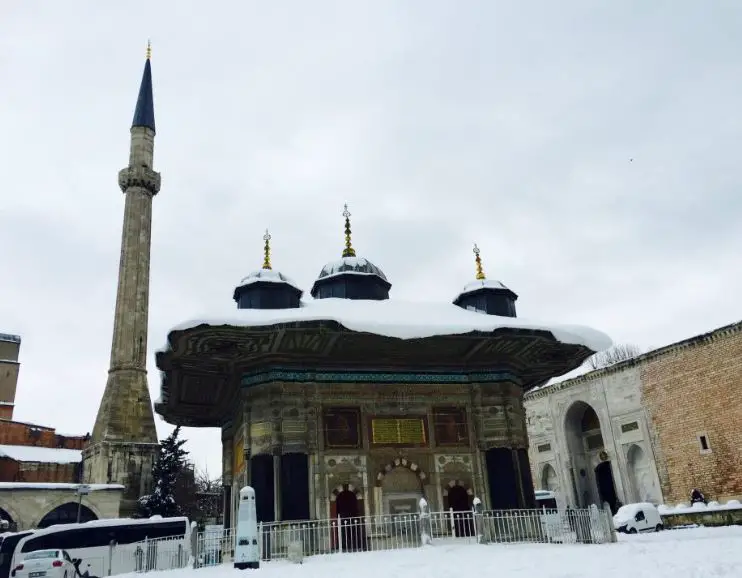
The 17 Famous Monuments in Istanbul Turkey | Most Visited Monuments in Istanbul
Istanbul is Turkey’s rich historical land that is appraised for its packed lanes, elaborate architecture, and balloon-filled skies. It is home to a number of world-famous monuments in Istanbul. Ottomans, Romans, and Byzantines all have left a mark in this … Continue reading
The post The 17 Famous Monuments in Istanbul Turkey | Most Visited Monuments in Istanbul appeared first on World Tour & Travel Guide, Get Travel Tips, Information, Discover Travel Destination | Adequate Travel.
Read More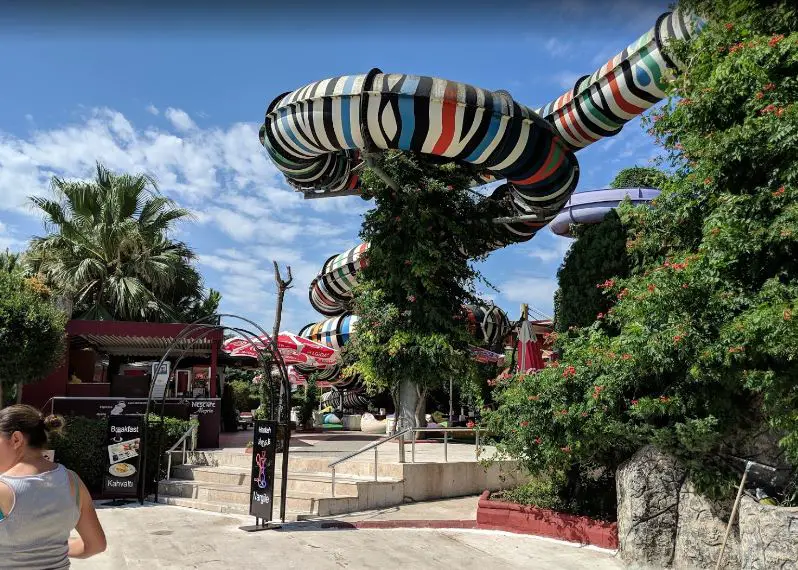
Best Theme Parks in Istanbul Turkey | Popular Amusement Parks in Istanbul
A trip to an amusement park in Istanbul with your family and friends creates one-of-a-kind adventure experiences and memories. It provides you with a unique opportunity to have a laugh or two with entirely new people and interact with each … Continue reading
The post Best Theme Parks in Istanbul Turkey | Popular Amusement Parks in Istanbul appeared first on World Tour & Travel Guide, Get Travel Tips, Information, Discover Travel Destination | Adequate Travel.
Read More
Best Foods to Try in Istanbul Turkey | Popular Foods in Istanbul
Istanbul upholds a very diverse community of people who range from modern European to an old classic Asian. So a plethora of palette is served which ranks among the top foods in Istanbul. You must hold a big appetite to … Continue reading
The post Best Foods to Try in Istanbul Turkey | Popular Foods in Istanbul appeared first on World Tour & Travel Guide, Get Travel Tips, Information, Discover Travel Destination | Adequate Travel.
Read More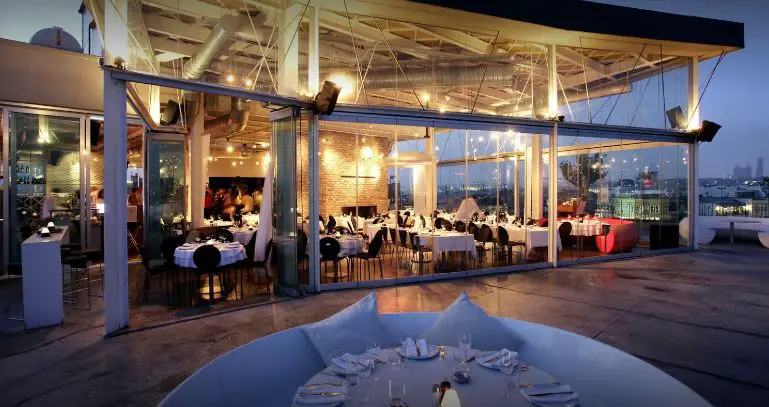
Top 10 Restaurants in Istanbul | Best Places to Eat in Istanbul Turkey
Restaurants in Istanbul can range from being exceptionally higher to extraordinarily cheap. So, you have to decide which flavor you want to explore more. As the amount served is never less in Turkish cuisine. They are very connected with their … Continue reading
The post Top 10 Restaurants in Istanbul | Best Places to Eat in Istanbul Turkey appeared first on World Tour & Travel Guide, Get Travel Tips, Information, Discover Travel Destination | Adequate Travel.
Read More
Best Beaches in Istanbul Turkey | Top 10 Beaches in Istanbul
Istanbul is washed up on the shores by the Marmara and Black seas which are linked by the Bosphorus and many small islands. Istanbul’s famous beaches are served with popular seafood and various beach sports in Turkey. Since Istanbul is … Continue reading
The post Best Beaches in Istanbul Turkey | Top 10 Beaches in Istanbul appeared first on World Tour & Travel Guide, Get Travel Tips, Information, Discover Travel Destination | Adequate Travel.
Read More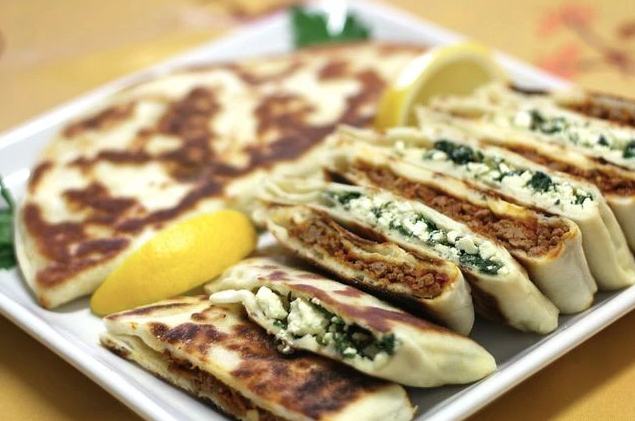
10 Best Foods in Antalya | Famous Foods to Eat in Antalya, Turkey
Antalya is the port city of Turkey that is famous for its refreshing coastlines and the delicious foods they serve. This city is known as the ‘Turquoise Coast’ of Turkey due to its blue waters. There are numerous places here … Continue reading
The post 10 Best Foods in Antalya | Famous Foods to Eat in Antalya, Turkey appeared first on World Tour & Travel Guide, Get Travel Tips, Information, Discover Travel Destination | Adequate Travel.
Read More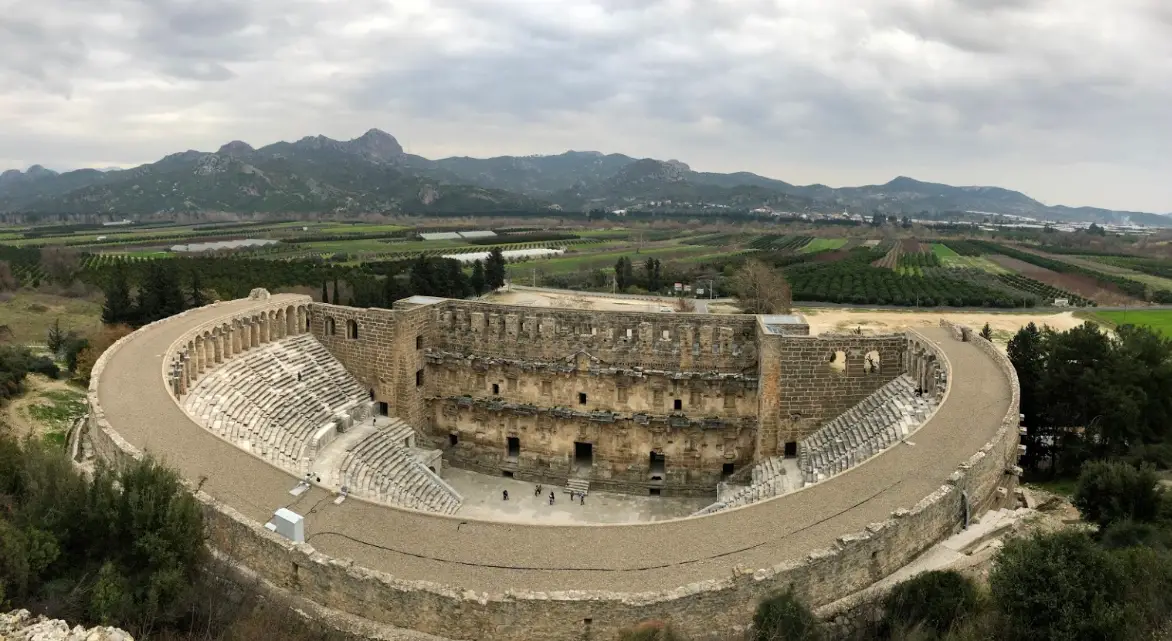
Discover What Antalya is Known for? | Why Antalya Turkey is Famous For
Antalya is known as the Turquoise Coast of Turkey due to its fresh blue waters that mesmerize every traveler visiting this port town. Antalya is popular for being the best Roman heritage collector of Western Turkey that sings the ballads … Continue reading
The post Discover What Antalya is Known for? | Why Antalya Turkey is Famous For appeared first on World Tour & Travel Guide, Get Travel Tips, Information, Discover Travel Destination | Adequate Travel.
Read More
What to Buy in Antalya Turkey | Best Things to Buy in Antalya
The ending times of any vacation are always hard especially when you are in Antalya that is considered as the most beautiful city of Turkey, not only because you have to finally return to your boring life again but this … Continue reading
The post What to Buy in Antalya Turkey | Best Things to Buy in Antalya appeared first on World Tour & Travel Guide, Get Travel Tips, Information, Discover Travel Destination | Adequate Travel.
Read More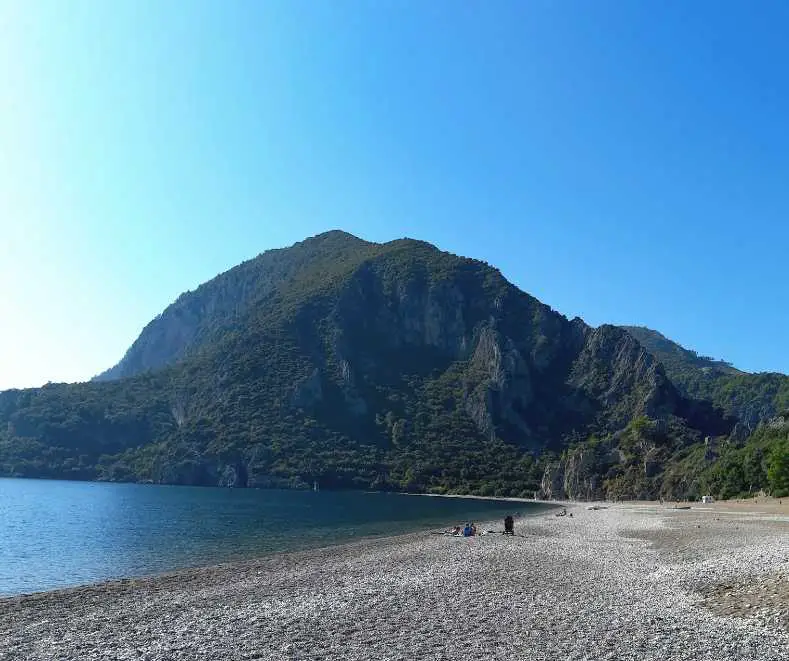
10 Best Beaches in Antalya Turkey | Famous Beaches to Visit in Antalya
Antalya is the best port city of Turkey that has some of the best historical monuments all laced up near the best beaches in Antalya that embellish every aspect of this city through their refreshing vibes and carefree cultures. You … Continue reading
The post 10 Best Beaches in Antalya Turkey | Famous Beaches to Visit in Antalya appeared first on World Tour & Travel Guide, Get Travel Tips, Information, Discover Travel Destination | Adequate Travel.
Read More