
What precautions should I take when encountering wild animals?

Post ByAdequate Travel
Summary
When you're out in nature, it's important to remember that wild animals aren't necessarily friendly. Taking the right precautions can help ensure both your safety and the safety of the animal. In this article, we'll discuss the steps you can take to protect yourself when encountering wild animals. The place is known for its rich history and culture, welcomes tourists with open arms. However, be sure to review the travel advisory and travel warnings to ensure a safe and enjoyable experience.Precautions when encountering wild animals:
1. Maintain a safe distance:It is essential to keep a safe distance from wild animals to avoid provoking them or putting yourself in danger. Most animals have a comfort zone, and encroaching upon it can make them feel threatened, potentially leading to aggressive behavior or attacks. For example, if you encounter a wild bear, maintain a distance of at least 100 yards to ensure your safety.2. Do not approach or feed them:Approaching or trying to interact with wild animals can be dangerous. Remember that these animals are unpredictable, and even seemingly harmless species can attack if they feel threatened. Feeding them is also discouraged as it can alter their natural behavior and create dependency on humans, leading to conflicts in the long run.3. Make yourself visible:When exploring areas known for wildlife, it's important to make noise, especially if you are in dense vegetation or near water bodies. This can prevent you from surprising the animals and reduce the chances of unexpected encounters. For instance, wear bells or carry noise-making devices while hiking to alert any nearby wildlife of your presence.4. Observe from a safe location:If you come across a wild animal, it's best to observe them from a distance, preferably from a safe location like a vehicle or an observation deck. This helps to minimize stress for both you and the animal. Binoculars or cameras with zoom lenses can be useful for observing animals without getting too close.5. Do not run:In the event of an encounter, it is important not to run away from wild animals. Running triggers an instinctual chase response in many animals, and they may perceive you as prey. Instead, remain calm, back away slowly, and avoid sudden movements or turning your back on the animal.6. Respect their space:Respecting the natural habitat and space of wild animals is crucial. Avoid encroaching on their territories or disturbing their nests, dens, or birthing sites. Also, be mindful of their breeding seasons and migratory patterns, as these can make animals more vulnerable and defensive.7. Stay informed and follow guidelines:Different regions and countries may have specific guidelines or regulations for encounters with wildlife. It's important to stay informed about these guidelines and follow them diligently. Local park authorities, conservation organizations, or wildlife experts can provide valuable information and tips specific to the area you are visiting.Remember that wild animals deserve our respect and protection. By taking precautions and practicing responsible behavior, we can ensure both their safety and ours when encountering them in their natural habitats. Stay informed about any travel restrictions or travel rules in place, as they may vary depending on your destination within the country.Suggested Questions
- The Haunted House, Queenstown: Horror Story, History & Paranomial Activities
- The Auckland Art Gallery, Auckland: Horror Story, History & Paranomial Activities
- Old St. Paul's, Wellington: Horror Story, History & Paranomial Activities
- The Spookers Haunted Attraction, Auckland: Horror Story, History & Paranomial Activities
- Lake House Arts Centre, Takapuna: Horror Story, History & Paranomial Activities
- The Old Masonic Hall, Wellington: Horror Story, History & Paranomial Activities
Questions new-zealand
You may also like

15 Best Women Travel Bags: Reviewed & Tested- Get Expert Advice
Get the list of 15 best traveling bags for women. Know the size, material, durability, and other features of the bags.
Read More
12 Best Beaches in Uluwatu | Popular Uluwatu Beaches
Discover the allure of Uluwatu Beaches. Here is the list of the 12 best beaches in Uluwatu that will let you explore the best of Uluwatu's coastal treasures.
Read More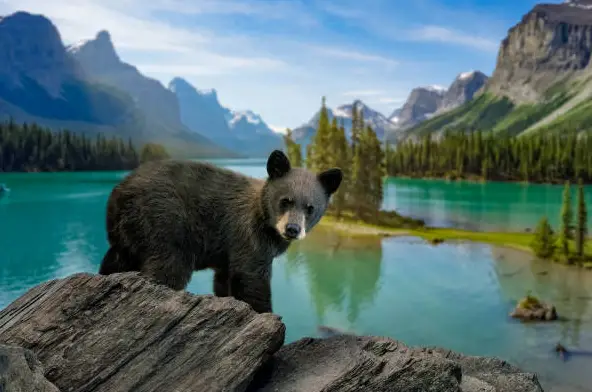
What are the best practices for responsible wildlife viewing in Canada?
Discover essential tips for responsible wildlife viewing in Canada. Respect habitats, minimize disturbances, and support conservation efforts. Start here!
Read More
Things to do in bali.
Looking for the best things to do in Bali? Here we have curated the best things and places to visit in Bali on your vacation.
Read More
Are there any eco-friendly transportation options for traveling between provinces in Canada?
From electric vehicles and buses to cycling and passenger trains, find eco-friendly ways to journey across the country. Start your green adventure today!
Read More
Are there any cultural considerations when seeking healthcare in Canada?
Let’s discuss the complexities of cultural considerations in Canadian healthcare. Explore language barriers, cultural beliefs, family dynamics, and access issues.
Read More
Can you recommend some basic Thai phrases for travellers?
In this article, we have included some of the easy and basic local Thai language for beginners.
Read More
What is the process for extending my stay if my treatment takes longer than expected in Canada?
Know the step-by-step process for extending your stay abroad if your medical treatment surpasses the initial timeline. Learn to manage unexpected situations with ease.
Read More
US Travel Advisory for Jamaica: Warns its travelers to reconsider visits
The US Embassy in Jamaica has issued a warning of armed robberies, home invasion, homicides, sexual assault, and other such violent crimes.
Read More
How do I handle transportation and accommodation arrangements during my medical trip?
Discover essential tips for managing transportation and accommodation arrangements seamlessly during your medical trip to Canada.
Read More