
What are the rules for disposing of waste while camping?

Post ByAdequate Travel
Summary
When out camping, it is important to remember the rules and regulations for disposing of waste and trash. In this blog, we'll go over the proper practices for disposing of waste while camping in order to help keep nature clean and pristine. Before embarking on your journey to new-zealand, make sure to check the latest travel guidelines and entry requirements to ensure a smooth tripRules for Disposing of Waste while Camping
1. Pack it in, pack it out:
When it comes to camping waste, the general rule is to leave no trace. This means that campers should take all their trash and waste with them when leaving the camping site. This includes food scraps, packaging, tissues, and any other garbage accumulated during the stay.
2. Separate recyclables:
If possible, separate recyclable materials from other waste items. This could include plastic bottles, aluminum cans, paper, or other items that can be recycled. Place them in designated recycling bins or bring them back home for proper disposal.
3. Dispose of human waste properly:
When it comes to human waste, it's essential to follow specific guidelines:
- Use established toilets or portable toilets whenever available.
- If no toilets are available, dig a hole at least 6 to 8 inches deep and at least 200 feet away from any water source, campsite, or trail. After using the hole, cover it with soil and disguise it.
- Do not leave toilet paper on the ground; pack it out in a sealed bag.
4. Dispose of gray water appropriately:
Gray water refers to wastewater generated from dishwashing, bathing, or cleaning activities. Here's how to dispose of it properly:
- Strain out food scraps and dispose of them in the trash.
- Disperse the remaining water at least 200 feet away from any water source, campsite, or trail. Scatter it on vegetation, if feasible, or use a designated sump or dry well if available.
5. Avoid using single-use items:
Minimize the amount of waste generated by using reusable camping essentials like plates, cups, cutlery, and water bottles. This reduces the need for disposal and lessens the environmental impact of your camping trip.
6. Follow local regulations:
Always research and adhere to any specific waste disposal regulations or guidelines provided by the campground or park where you are camping. Different areas may have different rules, so it's important to stay informed and respect the specific guidelines of the location you are visiting.
By following these rules and being mindful of disposing waste responsibly, campers can help preserve the natural beauty of camping areas and ensure they are enjoyable for future generations.Keep in mind that travel guidelines and travel rules may change anytime, so regularly check for updates to ensure a hassle-free and memorable travel experience.Suggested Questions
- Vulcan Lane, Auckland: Horror Story, History & Paranomial Activities
- The Wellington Museum, Wellington: Horror Story, History & Paranomial Activities
- The Haunted Gully, Greymouth: Horror Story, History & Paranomial Activities
- The George, Christchurch: Horror Story, History & Paranomial Activities
- The Gisborne War Memorial Theatre, Gisborne: Horror Story, History & Paranomial Activities
- The Spencer on Byron Hotel, Takapuna: Horror Story, History & Paranomial Activities
Questions new-zealand
You may also like
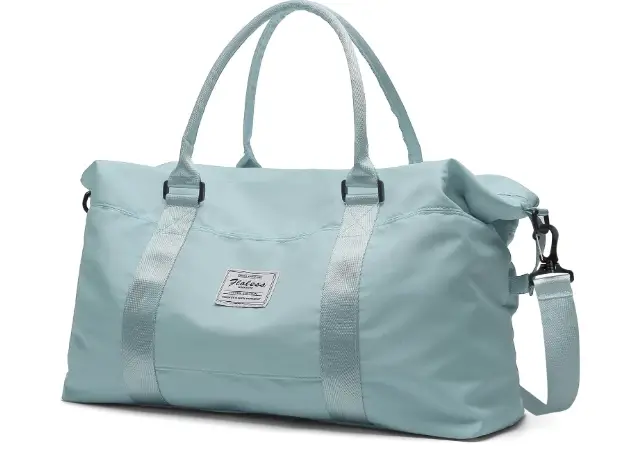
15 Best Women Travel Bags: Reviewed & Tested- Get Expert Advice
Get the list of 15 best traveling bags for women. Know the size, material, durability, and other features of the bags.
Read More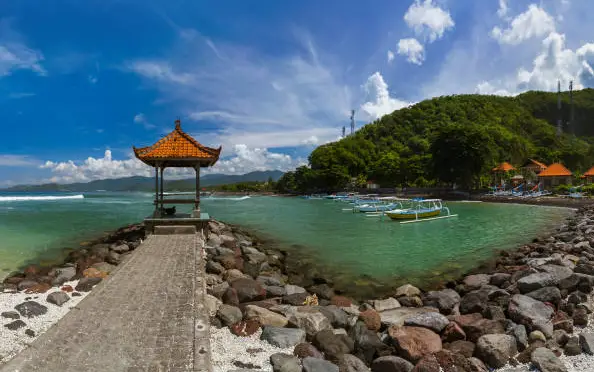
12 Best Beaches in Uluwatu | Popular Uluwatu Beaches
Discover the allure of Uluwatu Beaches. Here is the list of the 12 best beaches in Uluwatu that will let you explore the best of Uluwatu's coastal treasures.
Read More
What are the best practices for responsible wildlife viewing in Canada?
Discover essential tips for responsible wildlife viewing in Canada. Respect habitats, minimize disturbances, and support conservation efforts. Start here!
Read More
Things to do in bali.
Looking for the best things to do in Bali? Here we have curated the best things and places to visit in Bali on your vacation.
Read More
Are there any eco-friendly transportation options for traveling between provinces in Canada?
From electric vehicles and buses to cycling and passenger trains, find eco-friendly ways to journey across the country. Start your green adventure today!
Read More
Are there any cultural considerations when seeking healthcare in Canada?
Let’s discuss the complexities of cultural considerations in Canadian healthcare. Explore language barriers, cultural beliefs, family dynamics, and access issues.
Read More
Can you recommend some basic Thai phrases for travellers?
In this article, we have included some of the easy and basic local Thai language for beginners.
Read More
What is the process for extending my stay if my treatment takes longer than expected in Canada?
Know the step-by-step process for extending your stay abroad if your medical treatment surpasses the initial timeline. Learn to manage unexpected situations with ease.
Read More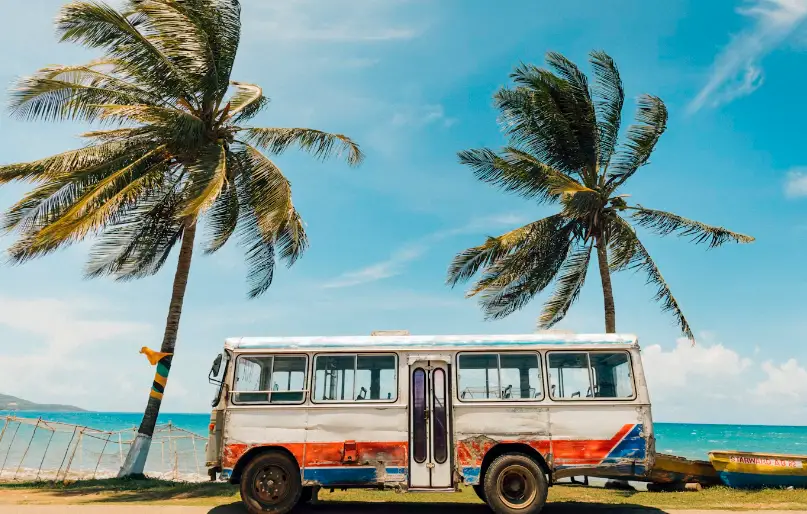
US Travel Advisory for Jamaica: Warns its travelers to reconsider visits
The US Embassy in Jamaica has issued a warning of armed robberies, home invasion, homicides, sexual assault, and other such violent crimes.
Read More
How do I handle transportation and accommodation arrangements during my medical trip?
Discover essential tips for managing transportation and accommodation arrangements seamlessly during your medical trip to Canada.
Read More