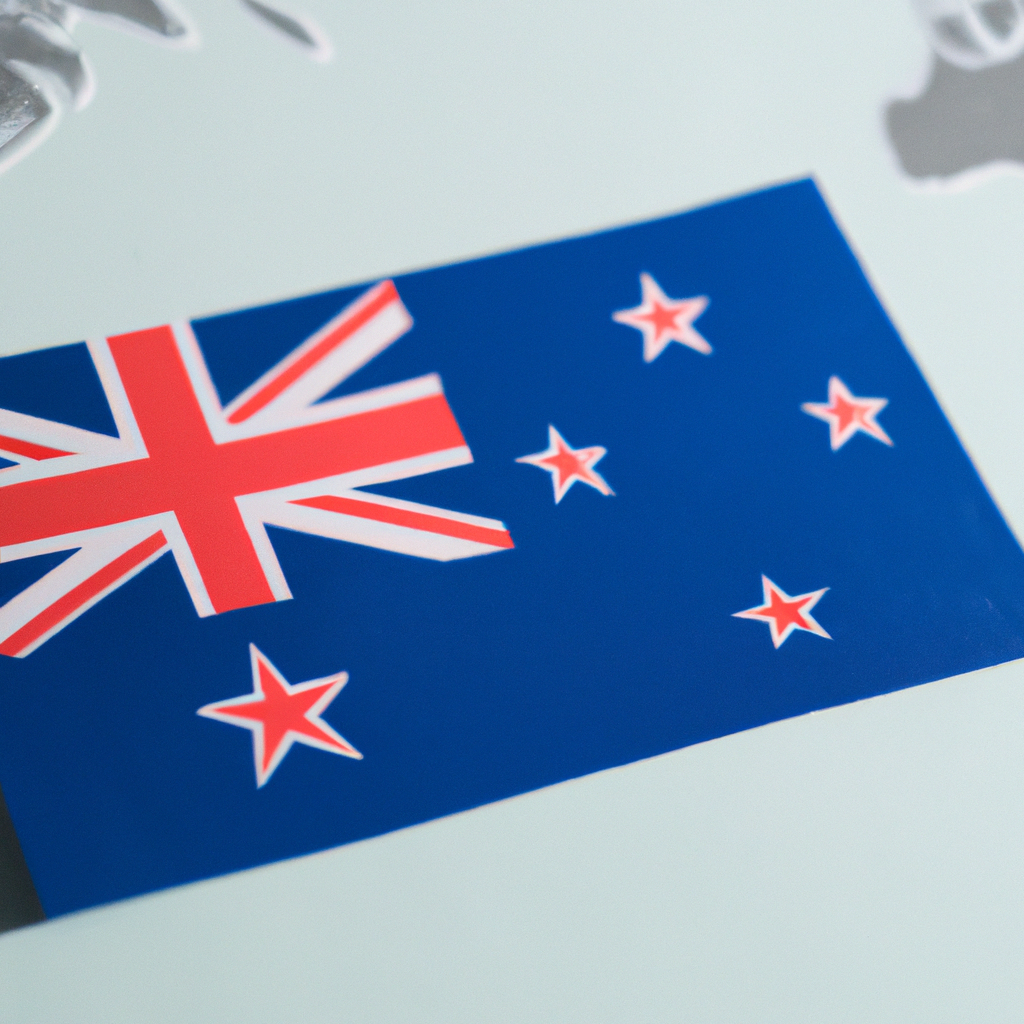
Hiking and Adventure Gear: 151. What gear do I need for hiking in New Zealand?

Post ByAdequate Travel
Summary
Planning a hiking and adventure trip to New Zealand? Here's what gear you must get to ensure a successful and safe experience. With the right gear, you'll be ready to encounter the wild terrains and explore everything that New Zealand has to offer. Read on to find out the essential hiking and adventure gear you'll need for your New Zealand trip. While planning your trip, take note of any travel restrictions that may impact your itinerary, such as limited access to certain regions or attractions.Gear Needed for Hiking in New Zealand
1. Backpack: - A sturdy backpack is essential for carrying all your gear during your hike. - Look for a backpack with a capacity of 50-70 liters, which is enough to carry everything you need for multi-day hikes.2. Hiking Boots: - Invest in a good pair of hiking boots that provide ankle support and have a sturdy sole. - Look for waterproof or water-resistant options to handle the unpredictable New Zealand weather.3. Clothing Layers: - Base Layers: Pack moisture-wicking and quick-drying base layers to keep you dry and comfortable. - Insulating Layers: Bring mid-weight fleece or down jackets to trap body heat in colder climates. - Outer Layers: Carry a waterproof and windproof jacket and pants to protect yourself from rain or strong winds.4. Hiking Pants/Shorts: - Opt for lightweight and breathable hiking pants or shorts, depending on the weather and personal preference. - Choose ones that dry quickly and have multiple pockets for storing small essentials.5. Headwear: - Sun Hat: Protect yourself from the strong New Zealand sun using a wide-brimmed hat. - Beanie: For colder climates, pack a warm beanie to keep your head and ears warm.6. Gloves: - Bring a pair of lightweight, quick-drying gloves to protect your hands from sunburn or cold weather.7. Socks: - Carry multiple pairs of moisture-wicking and thick hiking socks to prevent blisters and ensure foot comfort.8. Trekking Poles: - Trekking poles can provide extra stability, especially on difficult terrains. - These are especially useful for steep ascents and descents.9. Navigation Tools: - Map and Compass: Although trails are marked in New Zealand, having a map and compass is invaluable, especially for off-trail hikes. - GPS Unit: If you're planning to venture into remote areas, consider carrying a GPS unit.10. First Aid Kit: - A comprehensive first aid kit is essential for any hiking adventure. - Include bandages, antiseptic creams, pain relievers, blister treatments, and any personal medications.11. Water Bottles and Water Purification: - Carry sturdy water bottles with a capacity of at least 2 liters to stay hydrated during your hikes. - Additionally, bring a water purification system such as water filters or purification tablets to ensure safe drinking water.12. Food and Snacks: - Pack lightweight and nutritious meals that are easy to prepare on the trail. - Energy bars, trail mix, dried fruits, and dehydrated meals are popular options.13. Sleeping Gear: - Depending on your itinerary, you may need a tent, sleeping bag, and sleeping pad for overnight hikes. - Ensure your sleeping bag is suitable for the expected temperatures.14. Lighting: - A headlamp or a flashlight with spare batteries is crucial for navigating in low-light or dark conditions.15. Other Essentials: - Sunscreen: Protect your skin from the strong UV rays of the New Zealand sun. - Insect Repellent: Keep pesky bugs away during your hikes. - Toilet Paper: Carry a small amount for remote hikes where facilities may be unavailable. - Camera: Capture the stunning landscapes with a camera or smartphone.Travellers can find valuable travel information for tourists, such as local customs, must-see attractions, and dining recommendations, to make the most of their trip.Suggested Questions
- The Victoria Esplanade, Palmerston North: Horror Story, History & Paranomial Activities
- Shantytown, Greymouth: Horror Story, History & Paranomial Activities
- Vulcan Lane, Auckland: Horror Story, History & Paranomial Activities
- The St. Paul's Cathedral, Dunedin: Horror Story, History & Paranomial Activities
- Central Stories Museum and Art Gallery, Alexandra: Horror Story, History & Paranomial Activities
- The Civic Theatre, Auckland: Horror Story, History & Paranomial Activities
Questions new-zealand
You may also like
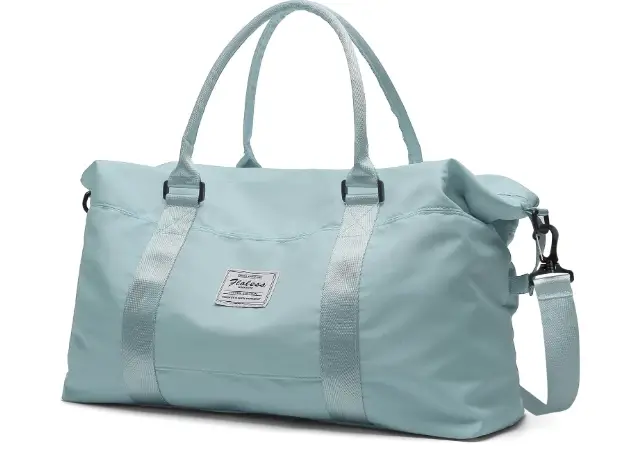
15 Best Women Travel Bags: Reviewed & Tested- Get Expert Advice
Get the list of 15 best traveling bags for women. Know the size, material, durability, and other features of the bags.
Read More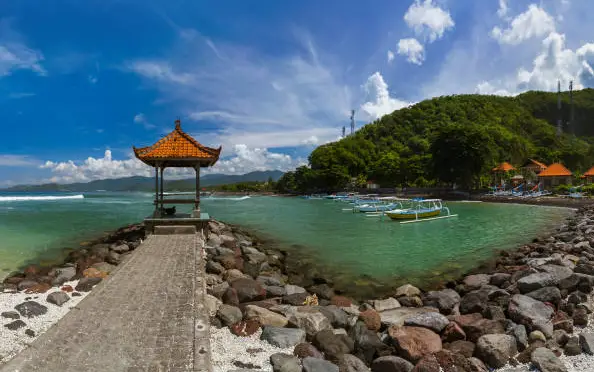
12 Best Beaches in Uluwatu | Popular Uluwatu Beaches
Discover the allure of Uluwatu Beaches. Here is the list of the 12 best beaches in Uluwatu that will let you explore the best of Uluwatu's coastal treasures.
Read More
What are the best practices for responsible wildlife viewing in Canada?
Discover essential tips for responsible wildlife viewing in Canada. Respect habitats, minimize disturbances, and support conservation efforts. Start here!
Read More
Things to do in bali.
Looking for the best things to do in Bali? Here we have curated the best things and places to visit in Bali on your vacation.
Read More
Are there any eco-friendly transportation options for traveling between provinces in Canada?
From electric vehicles and buses to cycling and passenger trains, find eco-friendly ways to journey across the country. Start your green adventure today!
Read More
Are there any cultural considerations when seeking healthcare in Canada?
Let’s discuss the complexities of cultural considerations in Canadian healthcare. Explore language barriers, cultural beliefs, family dynamics, and access issues.
Read More
Can you recommend some basic Thai phrases for travellers?
In this article, we have included some of the easy and basic local Thai language for beginners.
Read More
What is the process for extending my stay if my treatment takes longer than expected in Canada?
Know the step-by-step process for extending your stay abroad if your medical treatment surpasses the initial timeline. Learn to manage unexpected situations with ease.
Read More
US Travel Advisory for Jamaica: Warns its travelers to reconsider visits
The US Embassy in Jamaica has issued a warning of armed robberies, home invasion, homicides, sexual assault, and other such violent crimes.
Read More
How do I handle transportation and accommodation arrangements during my medical trip?
Discover essential tips for managing transportation and accommodation arrangements seamlessly during your medical trip to Canada.
Read More