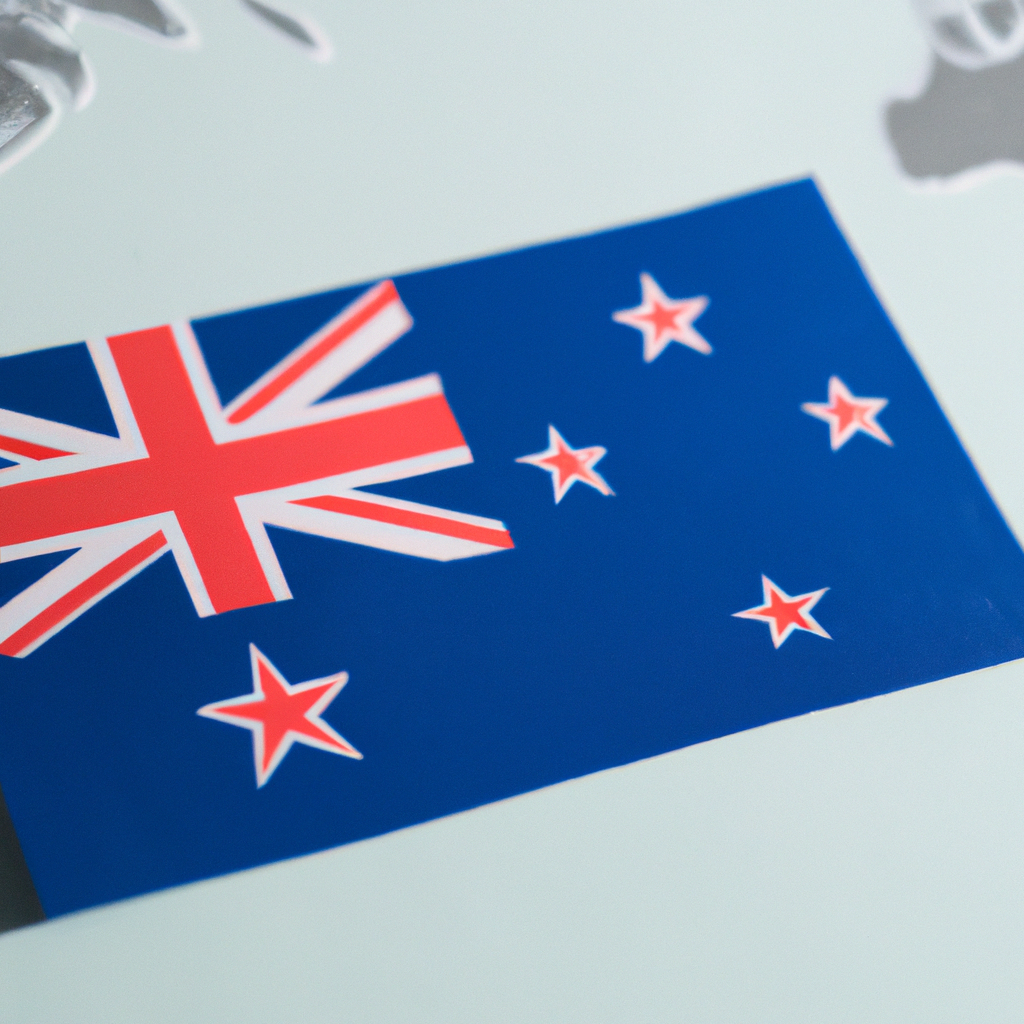
Can I sample traditional Maori herbs and spices?

Post ByAdequate Travel
Summary
If you’re looking to add an exciting flavor to your cooking, why not consider trying out some traditional Maori herbs and spices? In this blog, we’ll look at some of the herbs and spices used by the Maori and whether it’s possible to sample them yourself. Stay informed about any travel restrictions or travel rules in place, as they may vary depending on your destination within the country.Can I sample traditional Maori herbs and spices?
Yes, you can sample traditional Maori herbs and spices. Maori cuisine is rich in natural ingredients and traditional cooking methods that have been passed down through generations. Exploring the flavors of Maori herbs and spices can be a fascinating culinary experience. Here are some examples:
1. Horopito
Horopito, also known as the New Zealand pepper tree, is a traditional Maori herb with a unique spicy flavor. It can be used to season various dishes, including meats, vegetables, and seafood. Its peppery taste adds depth to the food.
2. Kawakawa
Kawakawa is a native plant to New Zealand and has been used by Maori for centuries. Its leaves can be used both for cooking and medicinal purposes. The leaves have a zesty, citrus-like flavor that can be used to season meats, soups, and stews.
3. Pikopiko
Pikopiko, commonly known as the New Zealand fern, is a versatile ingredient used in Maori cuisine. The young shoots of the fern are edible and hold a delicate, earthy flavor. They can be used in salads, stir-fries, or as a garnish.
4. Rongoā herbs
Rongoā is the traditional Maori practice of using native plants for holistic healing. Some of the commonly used herbs in rongoā include kumarahou, kawakawa, and harakeke. These herbs are infused into teas, topical ointments, or inhaled for their therapeutic properties.
5. Rewena bread
Rewena bread is a traditional Maori bread made with a fermented potato starter. It has a distinct sourdough flavor and is commonly enjoyed as a breakfast or snack. Its unique taste and texture make it an interesting addition to any culinary exploration.
By sampling these traditional Maori herbs and spices, you can discover the flavors and cultural significance they bring to the cuisine. It is essential to respect the cultural practices and sources of these ingredients while exploring Maori culinary traditions.As you prepare for your journey, familiarize yourself with the specific entry requirements, including any necessary visas or documentation.Suggested Questions
- The Waitomo Hotel, Waitomo: Horror Story, History & Paranomial Activities
- The Otago Boys' High School, Dunedin: Horror Story, History & Paranomial Activities
- The Ruins of Aramoana, Otago Peninsula: Horror Story, History & Paranomial Activities
- The General Store, Horeke: Horror Story, History & Paranomial Activities
- Napier Courthouse, Napier: Horror Story, History & Paranomial Activities
- The Dunedin Chinese Garden, Dunedin: Horror Story, History & Paranomial Activities
Questions new-zealand
You may also like
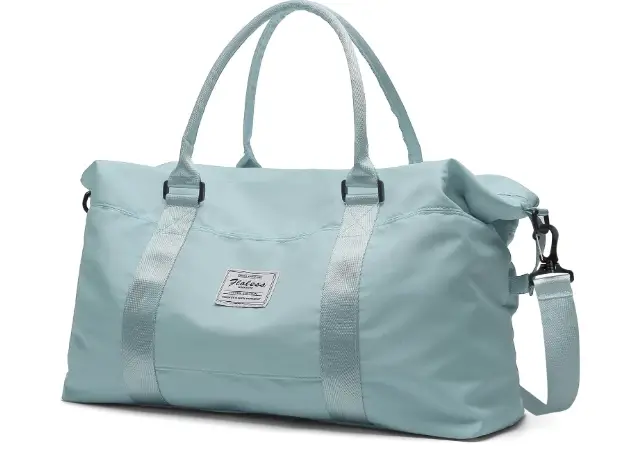
15 Best Women Travel Bags: Reviewed & Tested- Get Expert Advice
Get the list of 15 best traveling bags for women. Know the size, material, durability, and other features of the bags.
Read More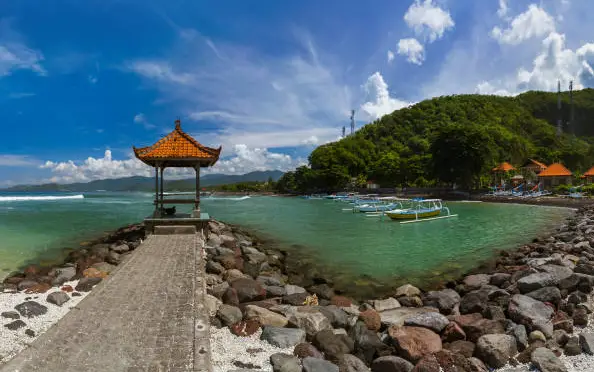
12 Best Beaches in Uluwatu | Popular Uluwatu Beaches
Discover the allure of Uluwatu Beaches. Here is the list of the 12 best beaches in Uluwatu that will let you explore the best of Uluwatu's coastal treasures.
Read More
What are the best practices for responsible wildlife viewing in Canada?
Discover essential tips for responsible wildlife viewing in Canada. Respect habitats, minimize disturbances, and support conservation efforts. Start here!
Read More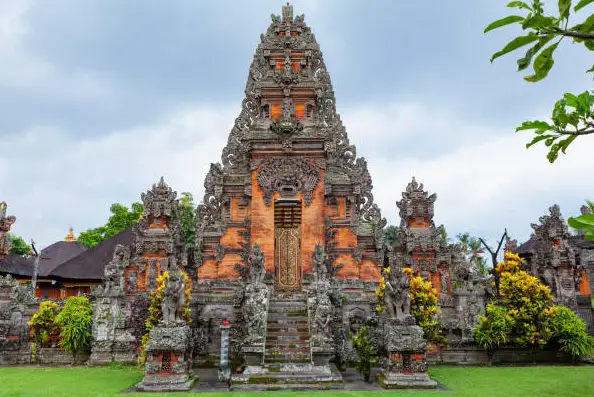
Things to do in bali.
Looking for the best things to do in Bali? Here we have curated the best things and places to visit in Bali on your vacation.
Read More
Are there any eco-friendly transportation options for traveling between provinces in Canada?
From electric vehicles and buses to cycling and passenger trains, find eco-friendly ways to journey across the country. Start your green adventure today!
Read More
Are there any cultural considerations when seeking healthcare in Canada?
Let’s discuss the complexities of cultural considerations in Canadian healthcare. Explore language barriers, cultural beliefs, family dynamics, and access issues.
Read More
Can you recommend some basic Thai phrases for travellers?
In this article, we have included some of the easy and basic local Thai language for beginners.
Read More
What is the process for extending my stay if my treatment takes longer than expected in Canada?
Know the step-by-step process for extending your stay abroad if your medical treatment surpasses the initial timeline. Learn to manage unexpected situations with ease.
Read More
US Travel Advisory for Jamaica: Warns its travelers to reconsider visits
The US Embassy in Jamaica has issued a warning of armed robberies, home invasion, homicides, sexual assault, and other such violent crimes.
Read More
How do I handle transportation and accommodation arrangements during my medical trip?
Discover essential tips for managing transportation and accommodation arrangements seamlessly during your medical trip to Canada.
Read More