Are there accommodations and tours that cater to special needs?

Post ByAdequate Travel
Summary
Yes! With modern advancements and progress towards acceptance, travel is slowly becoming accessible and accommodating to individuals with special needs. There are a variety of tours and accommodations available that cater to those with physical or mental handicaps, special diets, and mobility issues. In this blog, we explore the opportunities available to individuals with special needs. It's essential to stay updated with international travel information, especially when planning a foreign trip, to navigate any changes in travel advisory or travel warnings.Accommodations and Tours Catering to Special Needs
1. Accessible Accommodations:
There are numerous accommodations that offer facilities catering to individuals with special needs. These accommodations often have accessible rooms with features like wider doorways, grab bars in bathrooms, roll-in showers, and lower beds. Some examples include:
- ADA-compliant hotels: Many hotels meet the guidelines set by the Americans with Disabilities Act (ADA) to ensure accessibility for people with disabilities.
- Accessible resorts: Some resorts specifically focus on providing inclusive experiences for people with special needs and offer various accessible amenities.
- Disabled-friendly holiday rentals: Certain holiday rentals are designed to accommodate people with disabilities, featuring accessible entrances, facilities, and mobility aids.
2. Adaptive Tours:
Tour operators increasingly offer adapted tours for individuals with special needs, ensuring they can experience popular destinations comfortably. Examples of adaptive tours include:
- Wheelchair-accessible tours: These tours focus on providing wheelchair-friendly transportation, accessible sightseeing locations, and assistance throughout the trip.
- Sensory-friendly tours: These tours are designed for individuals with sensory processing difficulties, featuring quieter environments, reduced stimuli, and sensory-friendly activities.
- Tours with specialized equipment: Some tours cater to specific needs, such as providing sign language interpreters, hearing devices, or adaptive equipment like beach wheelchairs or mobility scooters.
3. Customized Tours:
Certain tour operators or travel agencies specialize in creating customized itineraries that cater to individual requirements. They work closely with travelers to understand their needs and preferences, ensuring a tailored travel experience. These customized tours can include accommodations with specific accessibility features, transportation arrangements, and activities designed around the traveler's abilities.
4. Supportive Staff and Guides:
Many accommodations and tour operators employ staff and guides who are trained to assist individuals with special needs. These professionals understand the unique challenges faced by people with disabilities and provide necessary support throughout the trip, ensuring a comfortable and enjoyable experience.
While planning your trip, take note of any travel restrictions that may impact your itinerary, such as limited access to certain regions or attractions.Suggested Questions
- The Christchurch Arts Centre, Christchurch: Horror Story, History & Paranomial Activities
- Vogel Street, Dunedin: Horror Story, History & Paranomial Activities
- The Old Customhouse, New Plymouth: Horror Story, History & Paranomial Activities
- The Central Otago Goldfields, Central Otago: Horror Story, History & Paranomial Activities
- St. Andrew's on The Terrace, Wellington: Horror Story, History & Paranomial Activities
- The Isaac Theatre Royal, Christchurch: Horror Story, History & Paranomial Activities
Questions new-zealand
You may also like
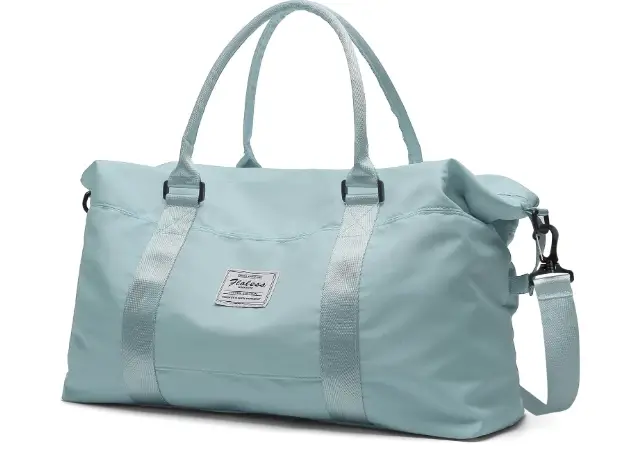
15 Best Women Travel Bags: Reviewed & Tested- Get Expert Advice
Get the list of 15 best traveling bags for women. Know the size, material, durability, and other features of the bags.
Read More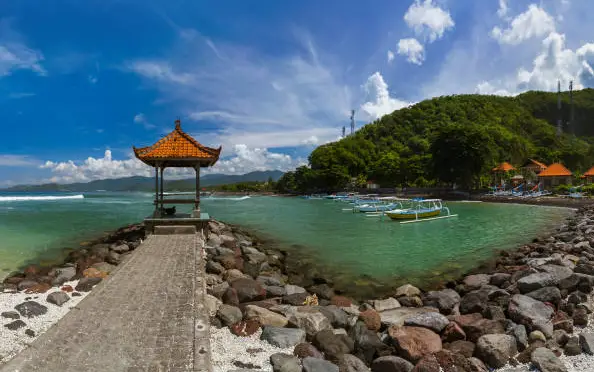
12 Best Beaches in Uluwatu | Popular Uluwatu Beaches
Discover the allure of Uluwatu Beaches. Here is the list of the 12 best beaches in Uluwatu that will let you explore the best of Uluwatu's coastal treasures.
Read More
What are the best practices for responsible wildlife viewing in Canada?
Discover essential tips for responsible wildlife viewing in Canada. Respect habitats, minimize disturbances, and support conservation efforts. Start here!
Read More
Things to do in bali.
Looking for the best things to do in Bali? Here we have curated the best things and places to visit in Bali on your vacation.
Read More
Are there any eco-friendly transportation options for traveling between provinces in Canada?
From electric vehicles and buses to cycling and passenger trains, find eco-friendly ways to journey across the country. Start your green adventure today!
Read More
Are there any cultural considerations when seeking healthcare in Canada?
Let’s discuss the complexities of cultural considerations in Canadian healthcare. Explore language barriers, cultural beliefs, family dynamics, and access issues.
Read More
Can you recommend some basic Thai phrases for travellers?
In this article, we have included some of the easy and basic local Thai language for beginners.
Read More
What is the process for extending my stay if my treatment takes longer than expected in Canada?
Know the step-by-step process for extending your stay abroad if your medical treatment surpasses the initial timeline. Learn to manage unexpected situations with ease.
Read More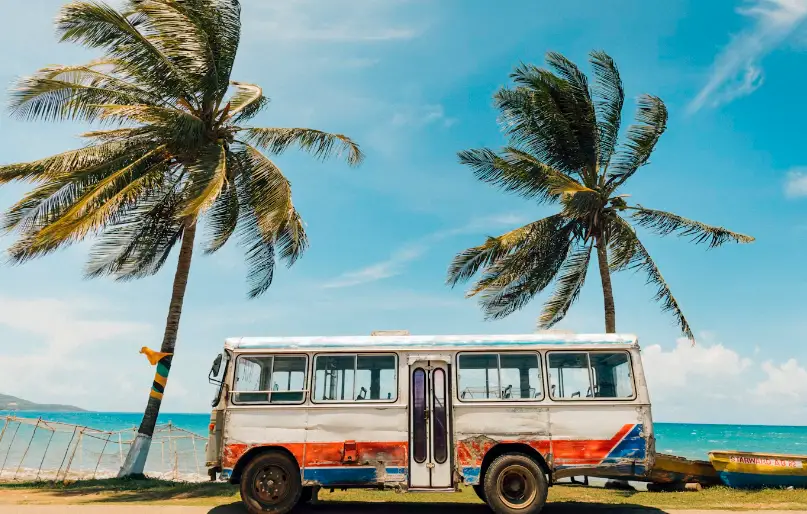
US Travel Advisory for Jamaica: Warns its travelers to reconsider visits
The US Embassy in Jamaica has issued a warning of armed robberies, home invasion, homicides, sexual assault, and other such violent crimes.
Read More
How do I handle transportation and accommodation arrangements during my medical trip?
Discover essential tips for managing transportation and accommodation arrangements seamlessly during your medical trip to Canada.
Read More