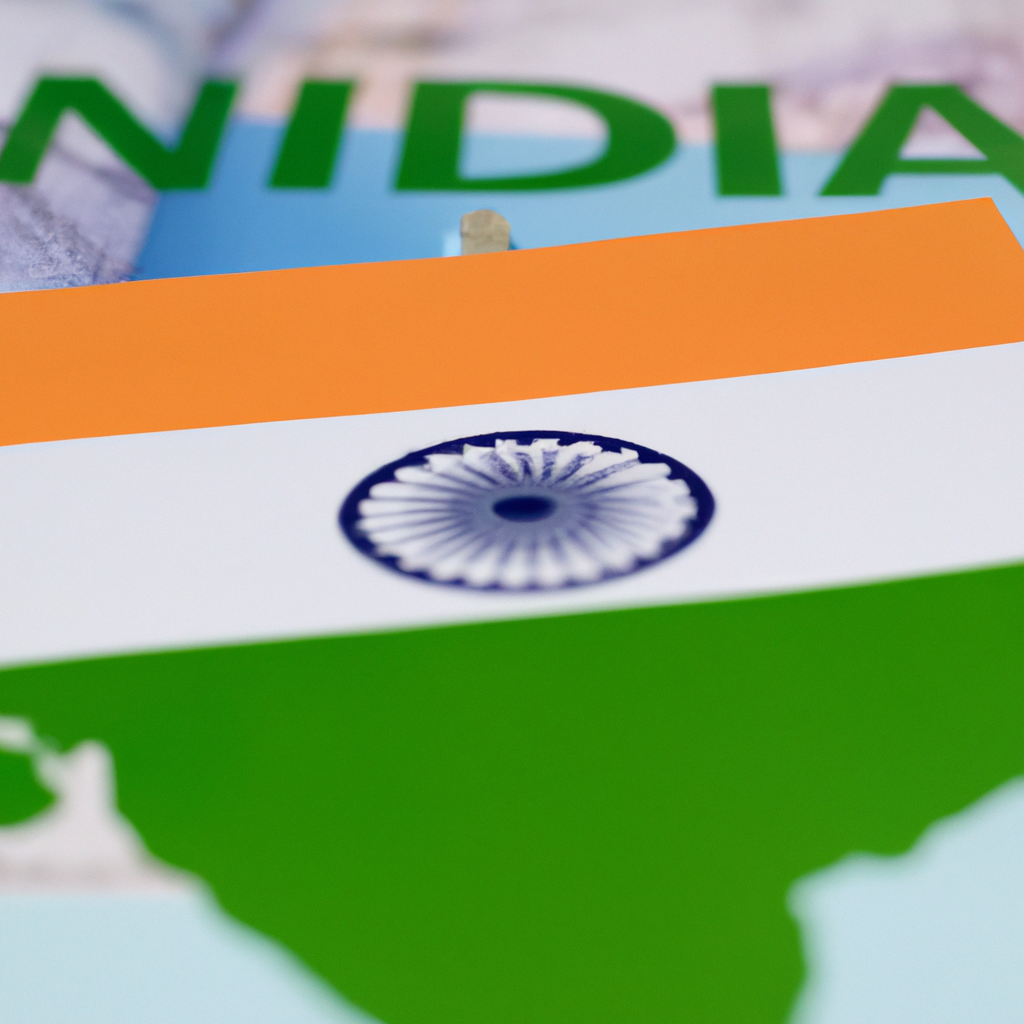
How do I learn about the history of Indian religions?

Post ByAdequate Travel
Summary
Learning about the complex and diverse history of Indian religions is a great way to gain insight into the culture and customs of India. With roots that date back thousands of years, Indian religions offer a deep and multifaceted window into the way people and religions have interacted throughout history. In this blog post, we'll explore some resources to help you learn more about the fascinating history of Indian religions. Keep in mind that travel guidelines and travel rules may change anytime, so regularly check for updates to ensure a hassle-free and memorable travel experience.1. Introduction to Indian Religions
Start by gaining a general understanding of Indian religions, including Hinduism, Buddhism, Jainism, and Sikhism. Learn about their key beliefs, practices, and philosophies.
2. Study Ancient Indian Scriptures
Read the ancient scriptures related to Indian religions to delve deeper into their history. For example, study the Vedas, Upanishads, Bhagavad Gita, and Ramayana for Hinduism; Tripitaka, Mahayana Sutras, and Jataka tales for Buddhism; Agamas and Tattvartha Sutra for Jainism.
3. Explore Historical Accounts
Engage with historical writings, books, and articles that provide an overview of the history of Indian religions. Look for works by renowned scholars such as Wendy Doniger, Romila Thapar, and Frits Staal, among others.
4. Visit Museums and Exhibitions
Visit museums and exhibitions dedicated to Indian art, history, and religions. Many museums, both in India and abroad, showcase artifacts, sculptures, and paintings related to Indian religions, providing insights into their historical context.
5. Take Online Courses or Workshops
Enroll in online courses or workshops that focus on the history of Indian religions. Websites like Coursera, edX, and Udemy offer courses on topics such as "History of Indian Philosophy" or "Religions of India."
6. Attend Academic Lectures or Conferences
Stay updated with academic lectures or conferences related to Indian religions and history. Universities, research institutions, and religious organizations often organize events where scholars present their research and insights.
7. Engage with Scholarly Articles and Journals
Read scholarly articles and journals dedicated to the study of Indian religions. Journal of Indian Philosophy, Journal of the American Oriental Society, and International Journal of Hindu Studies are some reliable publications to explore.
8. Consult Specialized Books
Refer to specialized books written by leading experts to gain a comprehensive understanding of the history of Indian religions. Some recommended books include "The Hindus: An Alternative History" by Wendy Doniger, "A History of Indian Buddhism" by Hirakawa Akira, and "The Jain Path: Ancient Wisdom for an Age of Anxiety" by Aidan Rankin.
9. Join Study Groups or Discussions
Participate in study groups or discussions focused on Indian religions. Engaging with like-minded individuals and scholars will help broaden your knowledge and uncover various perspectives on the historical aspects of these religions.
10. Visit Sacred Sites
Lastly, if possible, visit sacred sites and pilgrimage destinations associated with Indian religions. Experiencing the religious practices and traditions firsthand at places like Varanasi, Bodh Gaya, or Amritsar can provide a unique insight into the historical and spiritual aspects of these religions.
It's essential to stay updated with international travel information, especially when planning a foreign trip, to navigate any changes in travel advisory or travel warnings.Suggested Questions
- GP Block, Meerut, Uttar Pradesh: Horror Story, History & Paranomial Activities
- Agrasen Ki Baoli, Delhi: Horror Story, History & Paranomial Activities
- Lambi Dehar Mines, Mussoorie, Uttarakhand: Horror Story, History & Paranomial Activities
- Kuldhara Village, Rajasthan: Horror Story, History & Paranomial Activities
- Raj Kiran Hotel, Maharashtra: Horror Story, History & Paranomial Activities
- Vrindavan Society, Thane, Maharashtra: Horror Story, History & Paranomial Activities
Questions india
You may also like
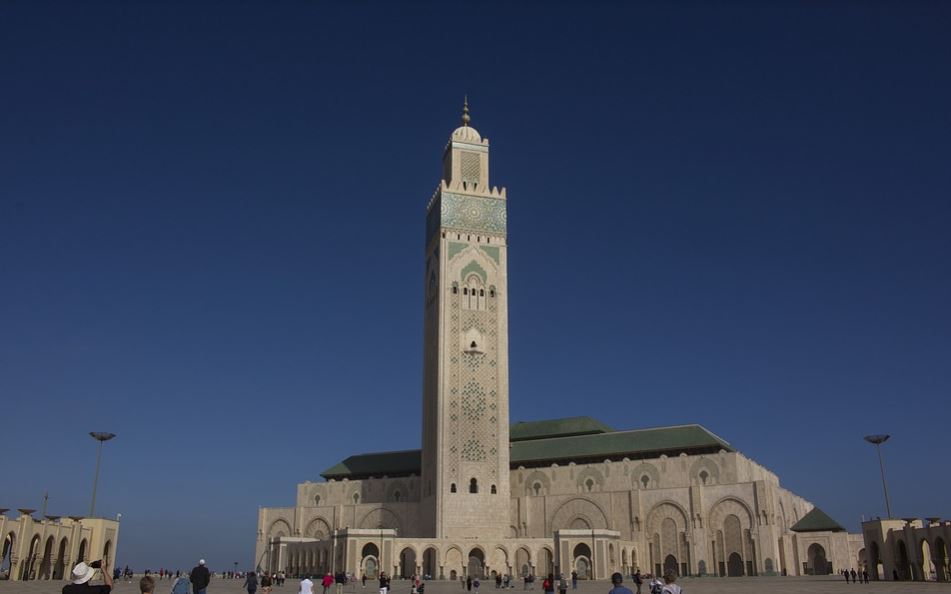
Best Cities in Morocco to Visit | Major Cities in Morocco
Morocco, a culturally diverse country reflects the incredible merging of civilizations. If you see cities in Morocco map will find a bunch of mixed Islamic culture. Here cities in morocco, the uniting the traditions and lifestyles of North Africans, Ottoman … Continue reading
The post Best Cities in Morocco to Visit | Major Cities in Morocco appeared first on World Tour & Travel Guide, Get Travel Tips, Information, Discover Travel Destination | Adequate Travel.
Read More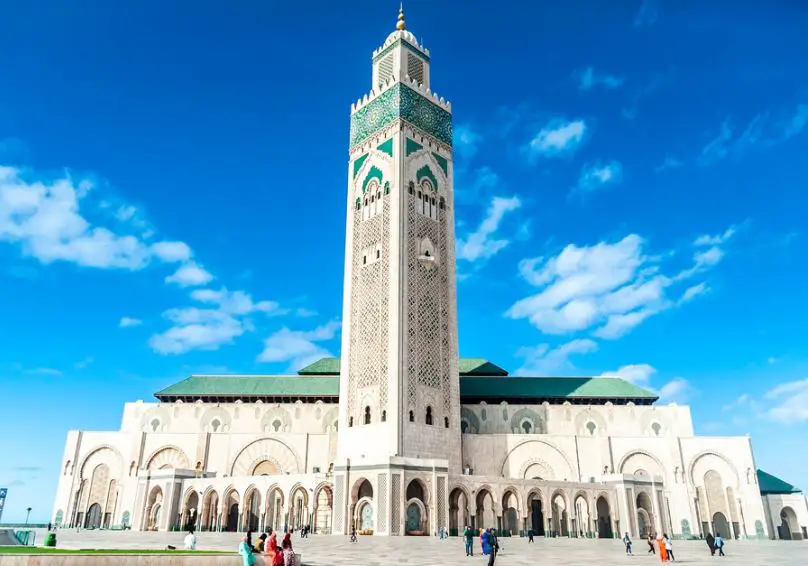
Most Visited Monuments in Morocco l Famous Monuments in Morocco
Morocco is an amazing country. Beautiful landscapes combine with a vast variety of cultural and architectural features, reflecting the exotic and eclectic roots of this North-African kingdom. Visiting Moroccan historic monuments is easy, especially with its very friendly and welcoming … Continue reading
The post Most Visited Monuments in Morocco l Famous Monuments in Morocco appeared first on World Tour & Travel Guide, Get Travel Tips, Information, Discover Travel Destination | Adequate Travel.
Read More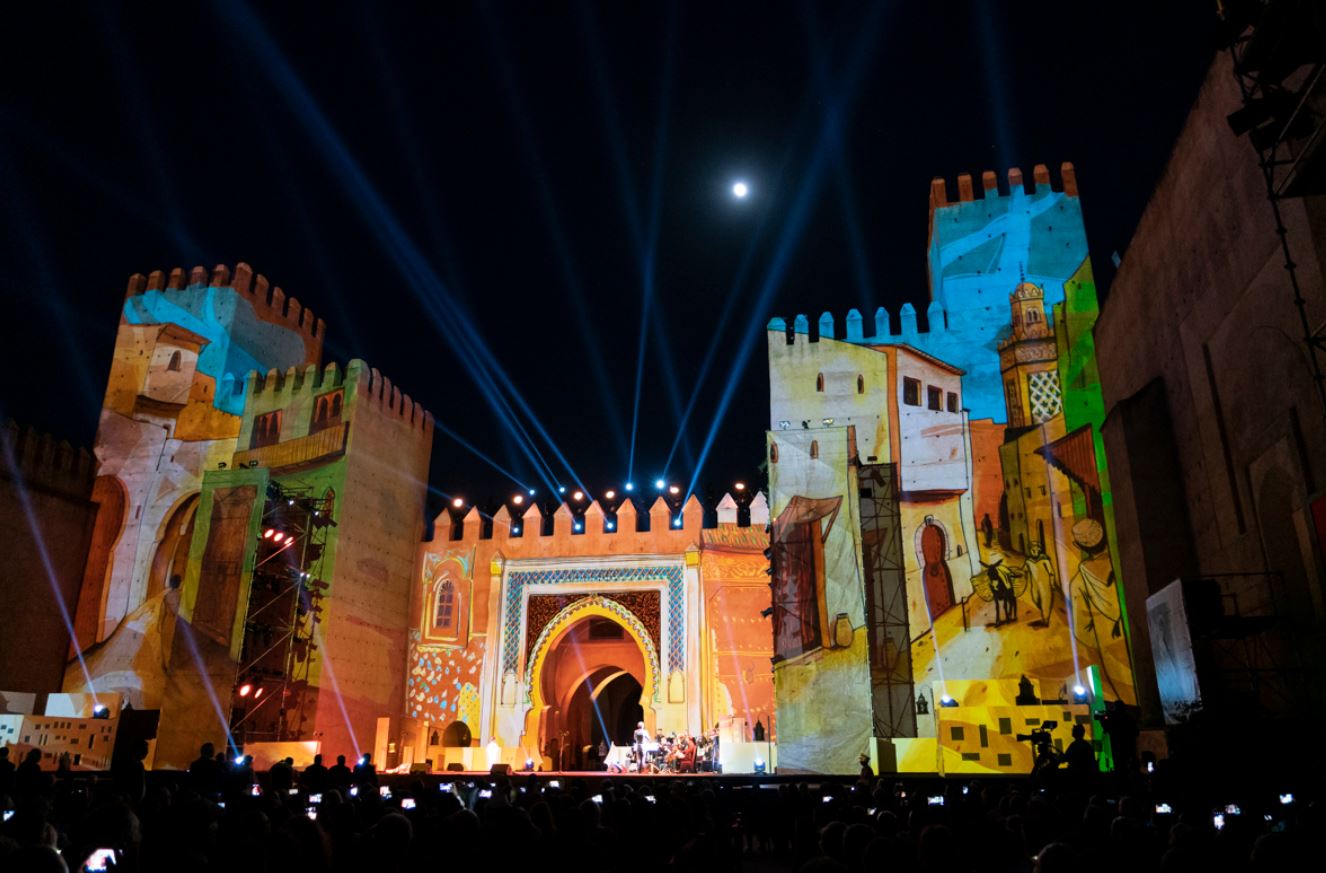
Summer Festivals and Events in Morocco You Can’t Miss
Morocco is home to various music and cultural festivals that are perfect for summer trips. If you’re interested in discovering the country’s festive traditions visiting Morocco during the summer festival season, it’s the ideal way to go beyond the classic … Continue reading
The post Summer Festivals and Events in Morocco You Can’t Miss appeared first on World Tour & Travel Guide, Get Travel Tips, Information, Discover Travel Destination | Adequate Travel.
Read More
15 Best Women Travel Bags: Reviewed & Tested- Get Expert Advice
Get the list of 15 best traveling bags for women. Know the size, material, durability, and other features of the bags.
Read More
12 Best Beaches in Uluwatu | Popular Uluwatu Beaches
Discover the allure of Uluwatu Beaches. Here is the list of the 12 best beaches in Uluwatu that will let you explore the best of Uluwatu's coastal treasures.
Read More
What are the best practices for responsible wildlife viewing in Canada?
Discover essential tips for responsible wildlife viewing in Canada. Respect habitats, minimize disturbances, and support conservation efforts. Start here!
Read More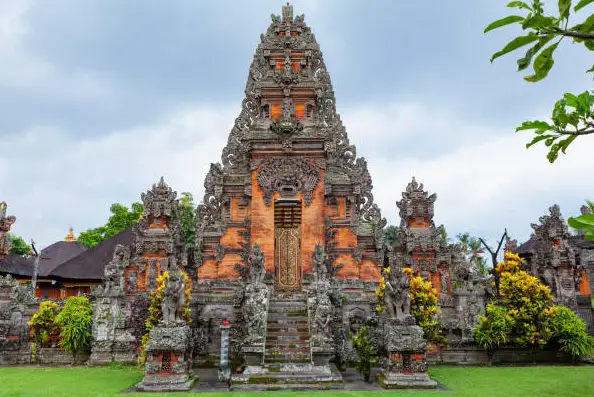
Things to do in bali.
Looking for the best things to do in Bali? Here we have curated the best things and places to visit in Bali on your vacation.
Read More
Are there any eco-friendly transportation options for traveling between provinces in Canada?
From electric vehicles and buses to cycling and passenger trains, find eco-friendly ways to journey across the country. Start your green adventure today!
Read More
Are there any cultural considerations when seeking healthcare in Canada?
Let’s discuss the complexities of cultural considerations in Canadian healthcare. Explore language barriers, cultural beliefs, family dynamics, and access issues.
Read More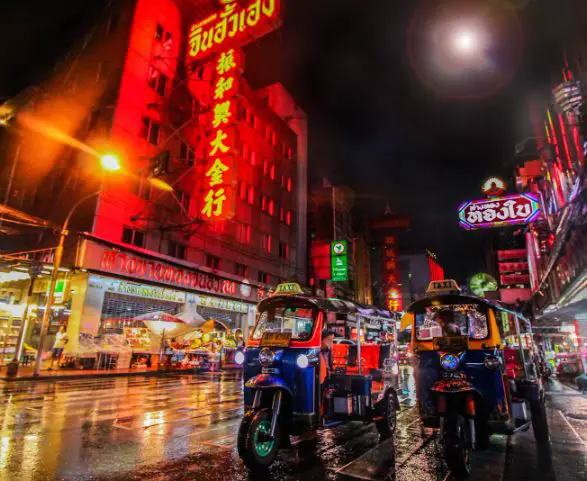
Can you recommend some basic Thai phrases for travellers?
In this article, we have included some of the easy and basic local Thai language for beginners.
Read More