What vaccinations do I need before traveling to Turkey?

Post ByAdequate Travel
Summary
Before travelling to Turkey, it is very important to be aware of the vaccinations required for the safety of your trip. In this blog, we will discuss the necessary vaccinations you will need before travelling to Turkey and how you can ensure you are prepared for a safe journey. As you prepare for your journey, familiarize yourself with the specific entry requirements, including any necessary visas or documentation.Vaccinations recommended for traveling to Turkey
When planning a trip to Turkey, it is advisable to check with a healthcare professional or travel clinic at least four to six weeks before your departure. They will provide personalized advice based on your specific health status, previous immunizations, and the regions you plan to visit. Generally, the following vaccinations are recommended:
Hepatitis A
Hepatitis A is a viral liver infection transmitted through contaminated food and water. It is recommended for all travelers to Turkey, as the risk of exposure is higher in areas with poor sanitation and hygiene practices.
Typhoid
Typhoid is a bacterial infection spread through contaminated food and water. It is recommended, especially if you will have exposure to the local population or if you will be staying in smaller cities or rural areas where sanitation may be inadequate.
Hepatitis B
Hepatitis B is a viral infection that can be transmitted through sexual contact, contaminated needles, and blood products. It is recommended for travelers who may have intimate contact with locals, require medical treatment, or engage in any activities that may expose them to blood or body fluids.
Rabies
Rabies is a viral infection transmitted through the bite or scratch of infected animals, such as dogs, bats, or stray animals. If you have any plans for outdoor activities, working with animals, or are exploring remote areas, you may consider getting the rabies vaccine.
Influenza
The influenza vaccine is recommended for all travelers, as it helps protect against seasonal strains of the flu virus. The flu season in Turkey typically occurs from November to April.
Measles, mumps, rubella (MMR)
If you were born after 1956 and have not received the MMR vaccine or have not had measles in the past, it is recommended to receive this vaccine. Measles outbreaks continue to occur in various parts of the world, including Europe.
Tdap (Tetanus, diphtheria, pertussis)
Ensuring your routine vaccinations, including Tdap, are up-to-date is always advisable.
Other routine vaccinations
It is important to check that routine vaccinations such as measles-mumps-rubella (MMR), diphtheria-tetanus-pertussis, varicella (chickenpox), and polio are up-to-date before traveling to Turkey.
Remember, this is general advice, and the specific vaccinations you need may vary based on your personal health history, duration of stay, planned activities, and regions you intend to visit in Turkey. It is always best to consult with a healthcare professional or travel clinic for personalized recommendations. They will take into account your individual needs and determine the most appropriate vaccinations for you.
Before embarking on your journey to turkey, make sure to check the latest travel guidelines and entry requirements to ensure a smooth tripSuggested Questions
- Haci Bektas Veli Museum, Nevsehir: Horror Story, History & Paranomial Activities
- Antalya Castle, Antalya: Horror Story, History & Paranomial Activities
- Manavgat Waterfall, Antalya: Horror Story, History & Paranomial Activities
- Kaputas Beach, Kas: Horror Story, History & Paranomial Activities
- Lycian Way, Antalya: Horror Story, History & Paranomial Activities
- Walls of Constantinople, Istanbul: Horror Story, History & Paranomial Activities
Questions turkey
You may also like
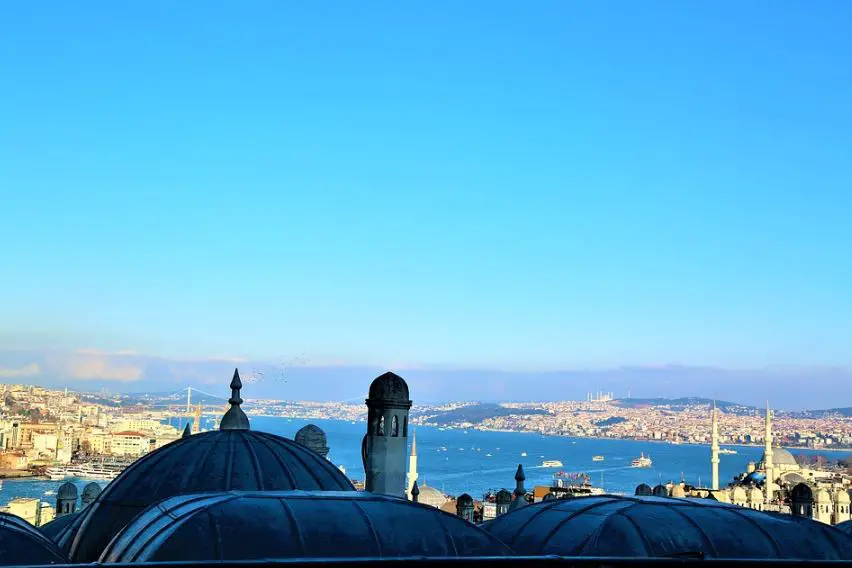
10 Best Cities in Turkey to Visit | Major Cities in Turkey
Turkey cities are surrounded by eight different European nations, Turkey is a dazzling destination located in Western Asia and a little bit in Southeast Europe. You will see here antiquated landscapes, enriched with staggering Roman vestiges, favored with captivating shorelines, … Continue reading
The post 10 Best Cities in Turkey to Visit | Major Cities in Turkey appeared first on World Tour & Travel Guide, Get Travel Tips, Information, Discover Travel Destination | Adequate Travel.
Read More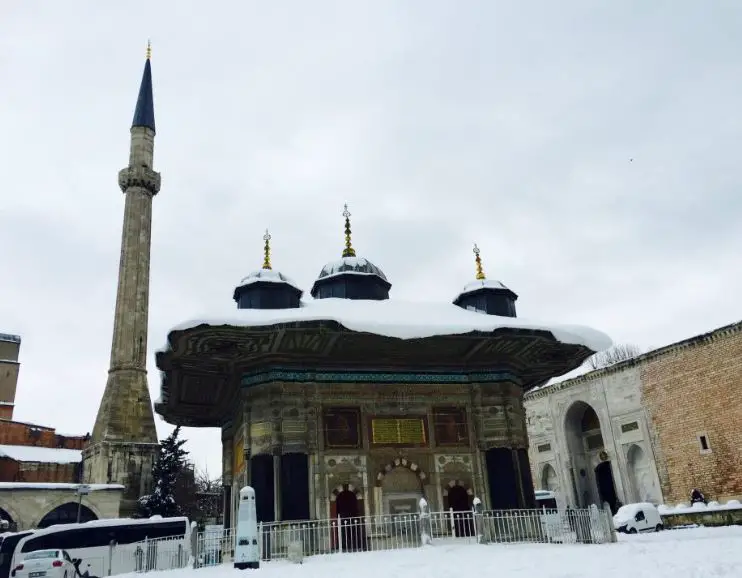
The 17 Famous Monuments in Istanbul Turkey | Most Visited Monuments in Istanbul
Istanbul is Turkey’s rich historical land that is appraised for its packed lanes, elaborate architecture, and balloon-filled skies. It is home to a number of world-famous monuments in Istanbul. Ottomans, Romans, and Byzantines all have left a mark in this … Continue reading
The post The 17 Famous Monuments in Istanbul Turkey | Most Visited Monuments in Istanbul appeared first on World Tour & Travel Guide, Get Travel Tips, Information, Discover Travel Destination | Adequate Travel.
Read More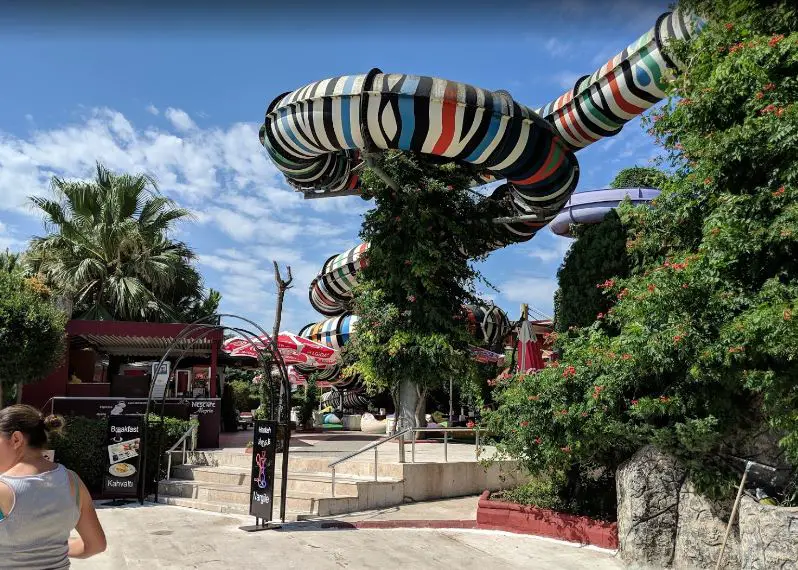
Best Theme Parks in Istanbul Turkey | Popular Amusement Parks in Istanbul
A trip to an amusement park in Istanbul with your family and friends creates one-of-a-kind adventure experiences and memories. It provides you with a unique opportunity to have a laugh or two with entirely new people and interact with each … Continue reading
The post Best Theme Parks in Istanbul Turkey | Popular Amusement Parks in Istanbul appeared first on World Tour & Travel Guide, Get Travel Tips, Information, Discover Travel Destination | Adequate Travel.
Read More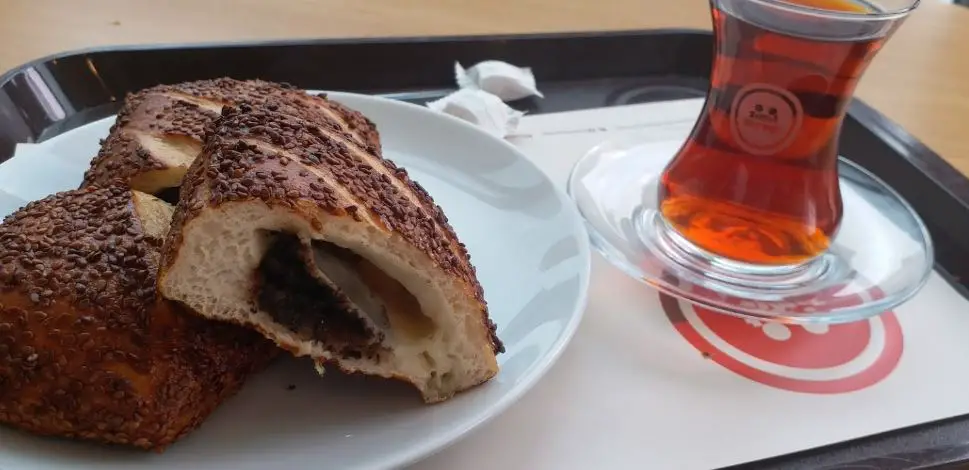
Best Foods to Try in Istanbul Turkey | Popular Foods in Istanbul
Istanbul upholds a very diverse community of people who range from modern European to an old classic Asian. So a plethora of palette is served which ranks among the top foods in Istanbul. You must hold a big appetite to … Continue reading
The post Best Foods to Try in Istanbul Turkey | Popular Foods in Istanbul appeared first on World Tour & Travel Guide, Get Travel Tips, Information, Discover Travel Destination | Adequate Travel.
Read More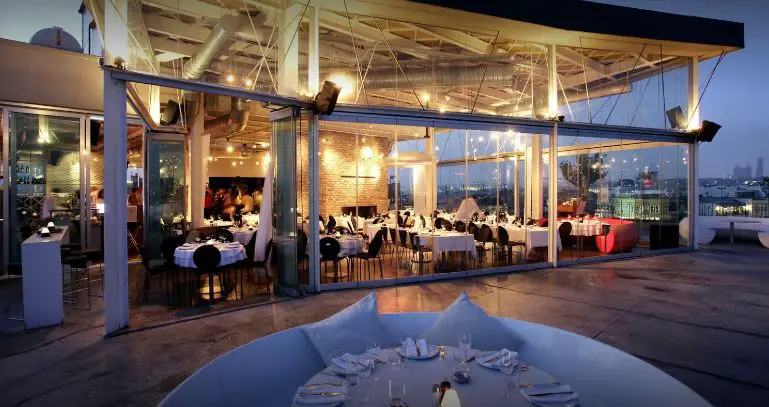
Top 10 Restaurants in Istanbul | Best Places to Eat in Istanbul Turkey
Restaurants in Istanbul can range from being exceptionally higher to extraordinarily cheap. So, you have to decide which flavor you want to explore more. As the amount served is never less in Turkish cuisine. They are very connected with their … Continue reading
The post Top 10 Restaurants in Istanbul | Best Places to Eat in Istanbul Turkey appeared first on World Tour & Travel Guide, Get Travel Tips, Information, Discover Travel Destination | Adequate Travel.
Read More
Best Beaches in Istanbul Turkey | Top 10 Beaches in Istanbul
Istanbul is washed up on the shores by the Marmara and Black seas which are linked by the Bosphorus and many small islands. Istanbul’s famous beaches are served with popular seafood and various beach sports in Turkey. Since Istanbul is … Continue reading
The post Best Beaches in Istanbul Turkey | Top 10 Beaches in Istanbul appeared first on World Tour & Travel Guide, Get Travel Tips, Information, Discover Travel Destination | Adequate Travel.
Read More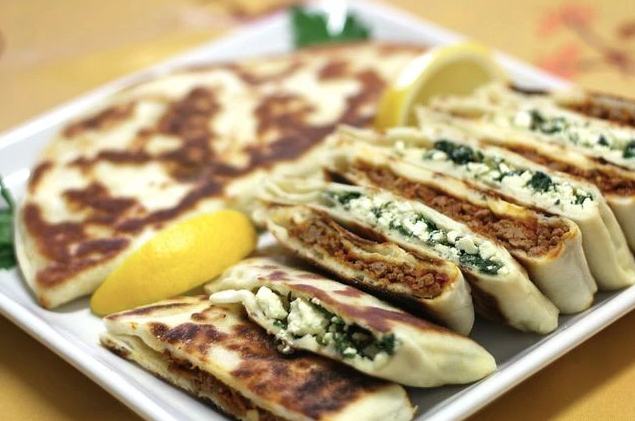
10 Best Foods in Antalya | Famous Foods to Eat in Antalya, Turkey
Antalya is the port city of Turkey that is famous for its refreshing coastlines and the delicious foods they serve. This city is known as the ‘Turquoise Coast’ of Turkey due to its blue waters. There are numerous places here … Continue reading
The post 10 Best Foods in Antalya | Famous Foods to Eat in Antalya, Turkey appeared first on World Tour & Travel Guide, Get Travel Tips, Information, Discover Travel Destination | Adequate Travel.
Read More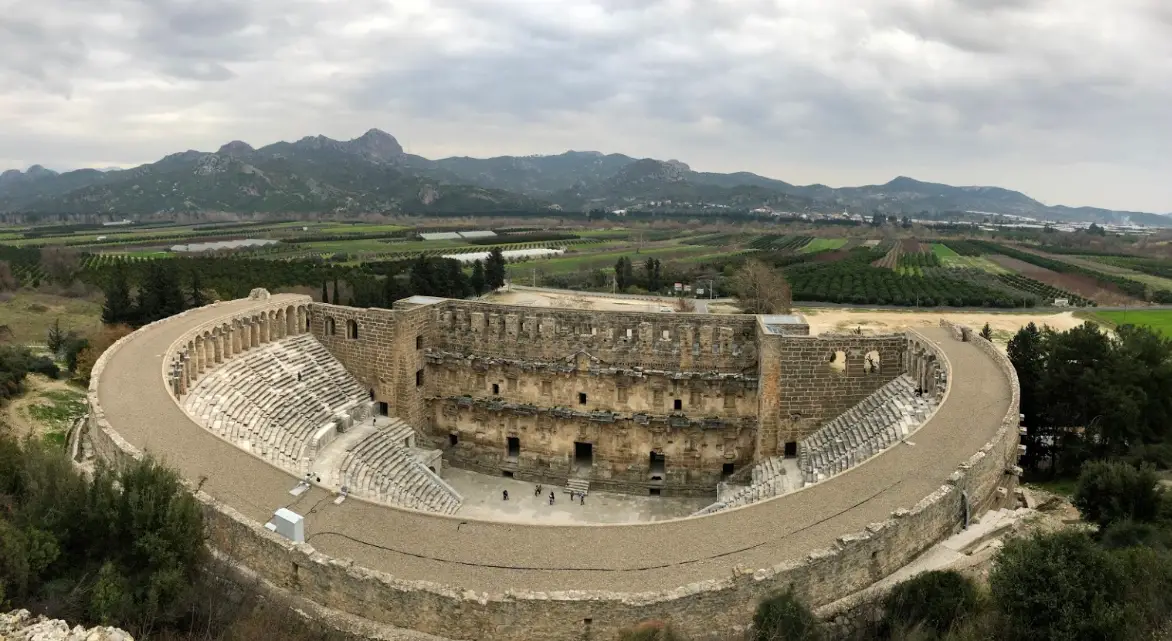
Discover What Antalya is Known for? | Why Antalya Turkey is Famous For
Antalya is known as the Turquoise Coast of Turkey due to its fresh blue waters that mesmerize every traveler visiting this port town. Antalya is popular for being the best Roman heritage collector of Western Turkey that sings the ballads … Continue reading
The post Discover What Antalya is Known for? | Why Antalya Turkey is Famous For appeared first on World Tour & Travel Guide, Get Travel Tips, Information, Discover Travel Destination | Adequate Travel.
Read More
What to Buy in Antalya Turkey | Best Things to Buy in Antalya
The ending times of any vacation are always hard especially when you are in Antalya that is considered as the most beautiful city of Turkey, not only because you have to finally return to your boring life again but this … Continue reading
The post What to Buy in Antalya Turkey | Best Things to Buy in Antalya appeared first on World Tour & Travel Guide, Get Travel Tips, Information, Discover Travel Destination | Adequate Travel.
Read More
10 Best Beaches in Antalya Turkey | Famous Beaches to Visit in Antalya
Antalya is the best port city of Turkey that has some of the best historical monuments all laced up near the best beaches in Antalya that embellish every aspect of this city through their refreshing vibes and carefree cultures. You … Continue reading
The post 10 Best Beaches in Antalya Turkey | Famous Beaches to Visit in Antalya appeared first on World Tour & Travel Guide, Get Travel Tips, Information, Discover Travel Destination | Adequate Travel.
Read More