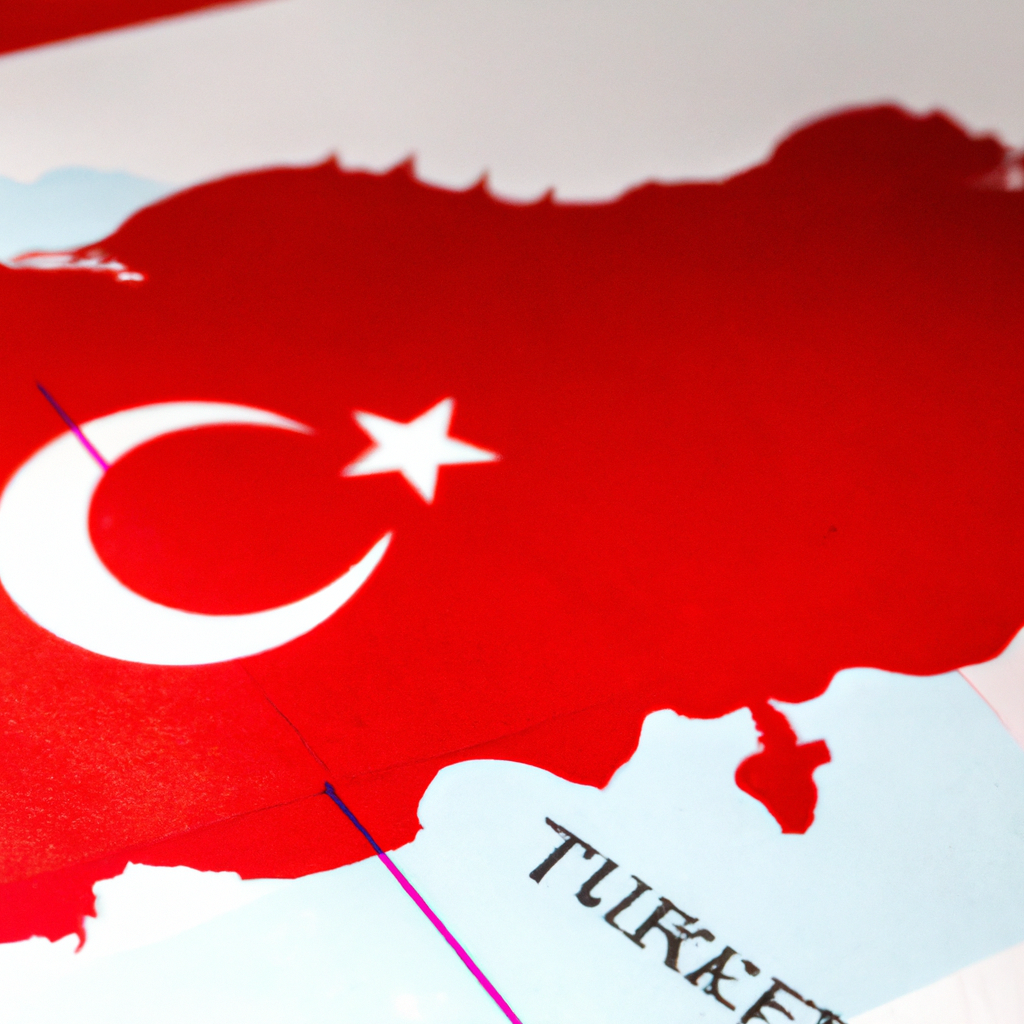
What is the history of the Hagia Sophia in Istanbul?

Post ByAdequate Travel
Summary
The Hagia Sophia in Istanbul is one of the most iconic and culturally significant buildings in the world. Originally constructed in the 6th century as a church, this extraordinary building has a long and fascinating history, ranging from its original construction to its eventual conversion to a mosque and then a museum in the present day. In this blog, we'll explore the history of the Hagia Sophia, from its origins to its current status. As you prepare for your journey, familiarize yourself with the specific entry requirements, including any necessary visas or documentation.1. Byzantine Era (537-1453)
The Hagia Sophia, originally known as the Church of Holy Wisdom, was built during the Byzantine era under the orders of Emperor Justinian I. Completed in 537, it served as the center of Byzantine religious life for nearly a millennium.
2. Ottoman Era (1453-1935)
Following the conquest of Constantinople by the Ottoman Turks in 1453, the Hagia Sophia was converted into a mosque. The Ottomans added minarets, mihrabs, and a pulpit, modifying the structure to fit Islamic architectural traditions.
3. The Grand Mosque Period (1935-2020)
In 1935, as part of Mustafa Kemal Atatürk's secularization reforms, the Republic of Turkey transformed the Hagia Sophia into a museum. The building's Islamic features were covered or removed, allowing the original Byzantine elements to be revealed and displayed.
4. Current Status
In July 2020, the Turkish government declared its decision to convert the Hagia Sophia back into a mosque. This decision received both domestic and international responses, with concerns about the impact on cultural heritage and interfaith relations. The Hagia Sophia now functions as a mosque, though it remains open to tourists outside of prayer times, and its status as a UNESCO World Heritage site is unchanged.
5. Architectural Significance
The Hagia Sophia is renowned for its architectural brilliance. It features a massive dome that was a groundbreaking engineering achievement of its time. The interior is adorned with intricate mosaics, marble floors, and grand columns, reflecting a mixture of Byzantine and Ottoman design elements.
6. Symbolic Importance
Throughout its history, the Hagia Sophia has served as a symbol of religious and cultural transition. It has witnessed the rise and fall of empires, with each leaving their mark on the structure. The building's significance extends beyond its religious function, representing a meeting point of various civilizations and a testament to the rich history of Istanbul.
The place is known for its rich history and culture, welcomes tourists with open arms. However, be sure to review the travel advisory and travel warnings to ensure a safe and enjoyable experience.Suggested Questions
- Silifke Castle, Silifke: Horror Story, History & Paranomial Activities
- Karain Cave, Antalya: Horror Story, History & Paranomial Activities
- House of the Virgin Mary, Selcuk: Horror Story, History & Paranomial Activities
- Piri Reis Museum, Antalya: Horror Story, History & Paranomial Activities
- Zelve Open-Air Museum, Cappadocia: Horror Story, History & Paranomial Activities
- Sumela Monastery, Trabzon: Horror Story, History & Paranomial Activities
Questions turkey
You may also like
10 Best Cities in Turkey to Visit | Major Cities in Turkey
Turkey cities are surrounded by eight different European nations, Turkey is a dazzling destination located in Western Asia and a little bit in Southeast Europe. You will see here antiquated landscapes, enriched with staggering Roman vestiges, favored with captivating shorelines, … Continue reading
The post 10 Best Cities in Turkey to Visit | Major Cities in Turkey appeared first on World Tour & Travel Guide, Get Travel Tips, Information, Discover Travel Destination | Adequate Travel.
Read More
The 17 Famous Monuments in Istanbul Turkey | Most Visited Monuments in Istanbul
Istanbul is Turkey’s rich historical land that is appraised for its packed lanes, elaborate architecture, and balloon-filled skies. It is home to a number of world-famous monuments in Istanbul. Ottomans, Romans, and Byzantines all have left a mark in this … Continue reading
The post The 17 Famous Monuments in Istanbul Turkey | Most Visited Monuments in Istanbul appeared first on World Tour & Travel Guide, Get Travel Tips, Information, Discover Travel Destination | Adequate Travel.
Read More
Best Theme Parks in Istanbul Turkey | Popular Amusement Parks in Istanbul
A trip to an amusement park in Istanbul with your family and friends creates one-of-a-kind adventure experiences and memories. It provides you with a unique opportunity to have a laugh or two with entirely new people and interact with each … Continue reading
The post Best Theme Parks in Istanbul Turkey | Popular Amusement Parks in Istanbul appeared first on World Tour & Travel Guide, Get Travel Tips, Information, Discover Travel Destination | Adequate Travel.
Read More
Best Foods to Try in Istanbul Turkey | Popular Foods in Istanbul
Istanbul upholds a very diverse community of people who range from modern European to an old classic Asian. So a plethora of palette is served which ranks among the top foods in Istanbul. You must hold a big appetite to … Continue reading
The post Best Foods to Try in Istanbul Turkey | Popular Foods in Istanbul appeared first on World Tour & Travel Guide, Get Travel Tips, Information, Discover Travel Destination | Adequate Travel.
Read More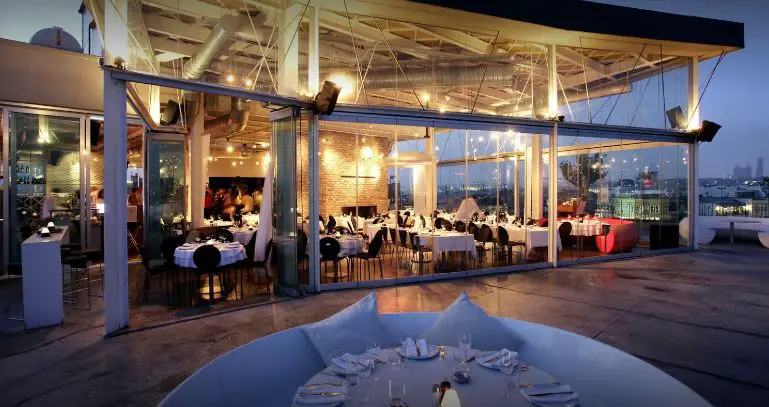
Top 10 Restaurants in Istanbul | Best Places to Eat in Istanbul Turkey
Restaurants in Istanbul can range from being exceptionally higher to extraordinarily cheap. So, you have to decide which flavor you want to explore more. As the amount served is never less in Turkish cuisine. They are very connected with their … Continue reading
The post Top 10 Restaurants in Istanbul | Best Places to Eat in Istanbul Turkey appeared first on World Tour & Travel Guide, Get Travel Tips, Information, Discover Travel Destination | Adequate Travel.
Read More
Best Beaches in Istanbul Turkey | Top 10 Beaches in Istanbul
Istanbul is washed up on the shores by the Marmara and Black seas which are linked by the Bosphorus and many small islands. Istanbul’s famous beaches are served with popular seafood and various beach sports in Turkey. Since Istanbul is … Continue reading
The post Best Beaches in Istanbul Turkey | Top 10 Beaches in Istanbul appeared first on World Tour & Travel Guide, Get Travel Tips, Information, Discover Travel Destination | Adequate Travel.
Read More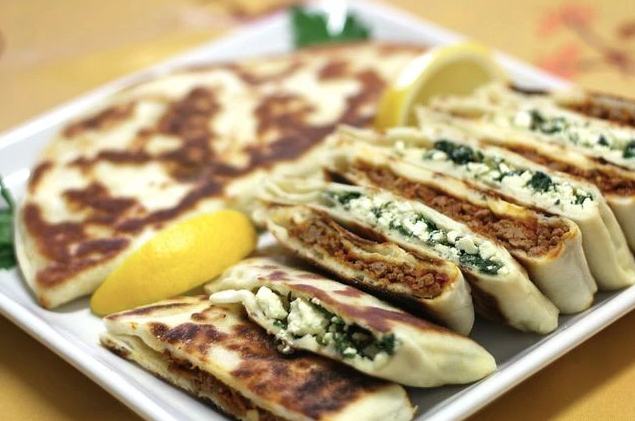
10 Best Foods in Antalya | Famous Foods to Eat in Antalya, Turkey
Antalya is the port city of Turkey that is famous for its refreshing coastlines and the delicious foods they serve. This city is known as the ‘Turquoise Coast’ of Turkey due to its blue waters. There are numerous places here … Continue reading
The post 10 Best Foods in Antalya | Famous Foods to Eat in Antalya, Turkey appeared first on World Tour & Travel Guide, Get Travel Tips, Information, Discover Travel Destination | Adequate Travel.
Read More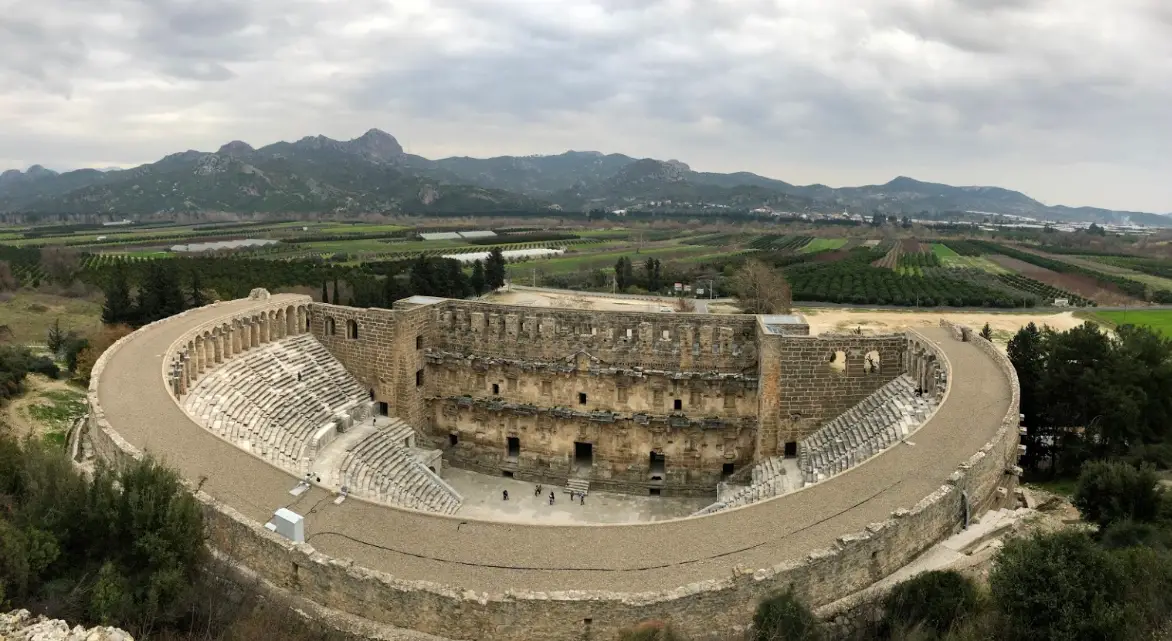
Discover What Antalya is Known for? | Why Antalya Turkey is Famous For
Antalya is known as the Turquoise Coast of Turkey due to its fresh blue waters that mesmerize every traveler visiting this port town. Antalya is popular for being the best Roman heritage collector of Western Turkey that sings the ballads … Continue reading
The post Discover What Antalya is Known for? | Why Antalya Turkey is Famous For appeared first on World Tour & Travel Guide, Get Travel Tips, Information, Discover Travel Destination | Adequate Travel.
Read More
What to Buy in Antalya Turkey | Best Things to Buy in Antalya
The ending times of any vacation are always hard especially when you are in Antalya that is considered as the most beautiful city of Turkey, not only because you have to finally return to your boring life again but this … Continue reading
The post What to Buy in Antalya Turkey | Best Things to Buy in Antalya appeared first on World Tour & Travel Guide, Get Travel Tips, Information, Discover Travel Destination | Adequate Travel.
Read More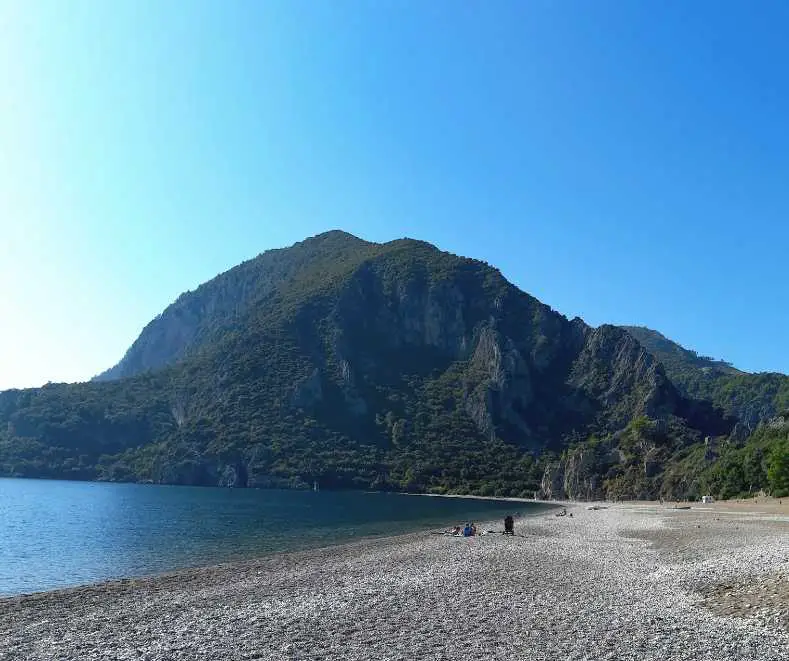
10 Best Beaches in Antalya Turkey | Famous Beaches to Visit in Antalya
Antalya is the best port city of Turkey that has some of the best historical monuments all laced up near the best beaches in Antalya that embellish every aspect of this city through their refreshing vibes and carefree cultures. You … Continue reading
The post 10 Best Beaches in Antalya Turkey | Famous Beaches to Visit in Antalya appeared first on World Tour & Travel Guide, Get Travel Tips, Information, Discover Travel Destination | Adequate Travel.
Read More