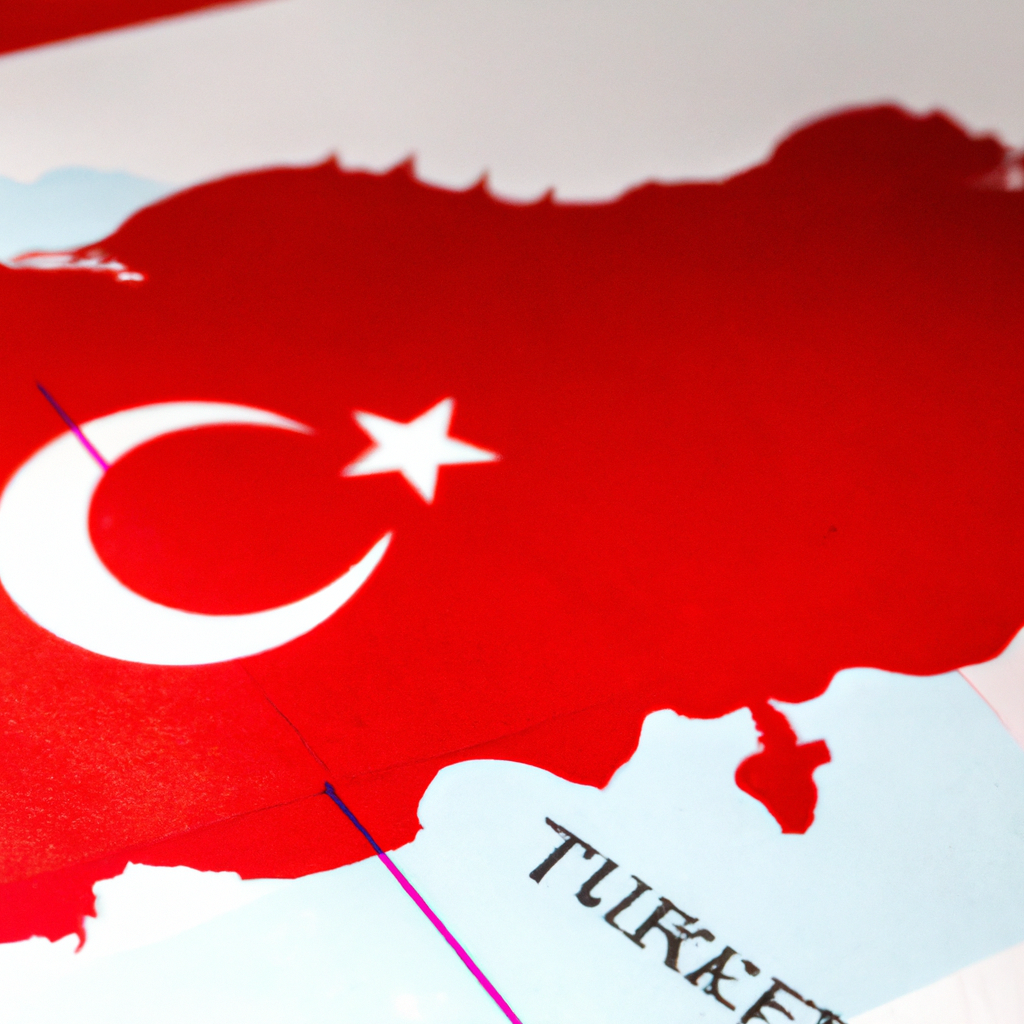
What is the history of the Hagia Sophia?

Post ByAdequate Travel
Summary
The Hagia Sophia is a renowned architectural masterpiece and UNESCO World Heritage Site that holds a millennium of history and culture. Learn all about the historical and spiritual importance of this iconic structure, and explore the breathtaking marvel of its past. While planning your trip, take note of any travel restrictions that may impact your itinerary, such as limited access to certain regions or attractions.History of the Hagia Sophia
1. Construction: The Hagia Sophia, meaning "Holy Wisdom" in Greek, was originally built as a Christian cathedral in the Byzantine Empire. It was commissioned by Emperor Justinian I and construction began in 532 AD.2. Architectural Marvel: The building was designed by two Greek architects, Anthemius of Tralles and Isidore of Miletus. They combined Roman architectural techniques with traditional Byzantine elements to create a unique structure.3. Byzantine Cathedral: Completed in 537 AD, the Hagia Sophia became the largest cathedral in the world and the center of the Eastern Orthodox Church. It featured a massive dome that seemed to float above the church, supported by pendentives.4. Iconic Mosaics: The interior of the Hagia Sophia was adorned with intricate mosaics depicting religious figures and events. These mosaics were rich in detail and color, showcasing the artistic skill of Byzantine artists.5. Ottoman Conquest: In 1453, the Hagia Sophia was converted into a mosque following the conquest of Constantinople by the Ottoman Empire under Sultan Mehmed the Conqueror. The Christian mosaics were covered or removed, and Islamic elements such as minarets and mihrabs were added.6. Preservation under Atatürk: After the fall of the Ottoman Empire, the Hagia Sophia was secularized under the leadership of Mustafa Kemal Atatürk, the founder of modern Turkey, in 1935. It was transformed into a museum as a symbolic gesture towards Turkey's diverse cultural heritage.7. Reconversion into a Mosque: In July 2020, the Hagia Sophia was controversially reconverted into a mosque by a decree from Turkish President Recep Tayyip Erdoğan. This decision sparked international debates and raised concerns about the preservation of the building's historical and religious significance.8. UNESCO World Heritage Site: The Hagia Sophia was inscribed as a UNESCO World Heritage Site in 1985 for its exceptional architectural and historical value. It has since attracted millions of visitors from around the world, appreciating its remarkable blend of Byzantine and Islamic influences.Keep in mind that travel guidelines and travel rules may change anytime, so regularly check for updates to ensure a hassle-free and memorable travel experience.Suggested Questions
- Catalhoyuk, Konya: Horror Story, History & Paranomial Activities
- Mount Hasan, Aksaray: Horror Story, History & Paranomial Activities
- Nemrut Dagi National Park, Adiyaman: Horror Story, History & Paranomial Activities
- Ayasofya Hurrem Sultan Hamam, Istanbul: Horror Story, History & Paranomial Activities
- Ephesus, Izmir: Horror Story, History & Paranomial Activities
- Galata Tower, Istanbul: Horror Story, History & Paranomial Activities
Questions turkey
You may also like
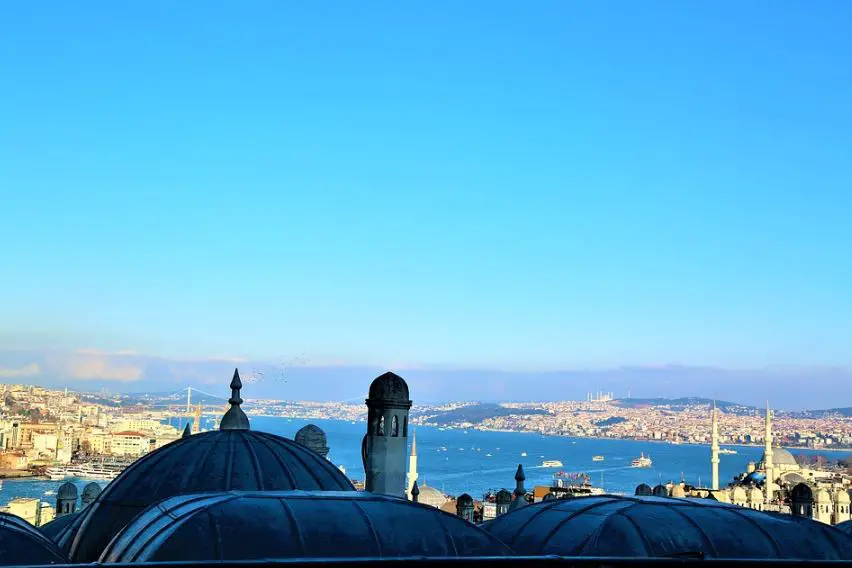
10 Best Cities in Turkey to Visit | Major Cities in Turkey
Turkey cities are surrounded by eight different European nations, Turkey is a dazzling destination located in Western Asia and a little bit in Southeast Europe. You will see here antiquated landscapes, enriched with staggering Roman vestiges, favored with captivating shorelines, … Continue reading
The post 10 Best Cities in Turkey to Visit | Major Cities in Turkey appeared first on World Tour & Travel Guide, Get Travel Tips, Information, Discover Travel Destination | Adequate Travel.
Read More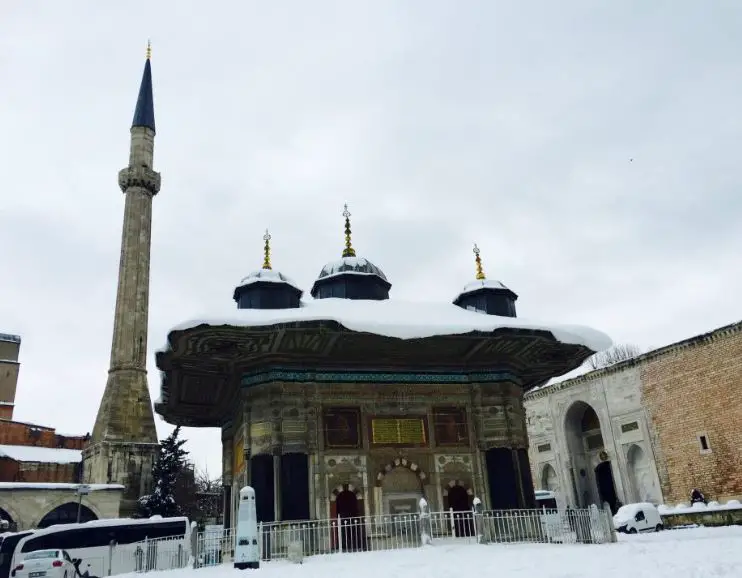
The 17 Famous Monuments in Istanbul Turkey | Most Visited Monuments in Istanbul
Istanbul is Turkey’s rich historical land that is appraised for its packed lanes, elaborate architecture, and balloon-filled skies. It is home to a number of world-famous monuments in Istanbul. Ottomans, Romans, and Byzantines all have left a mark in this … Continue reading
The post The 17 Famous Monuments in Istanbul Turkey | Most Visited Monuments in Istanbul appeared first on World Tour & Travel Guide, Get Travel Tips, Information, Discover Travel Destination | Adequate Travel.
Read More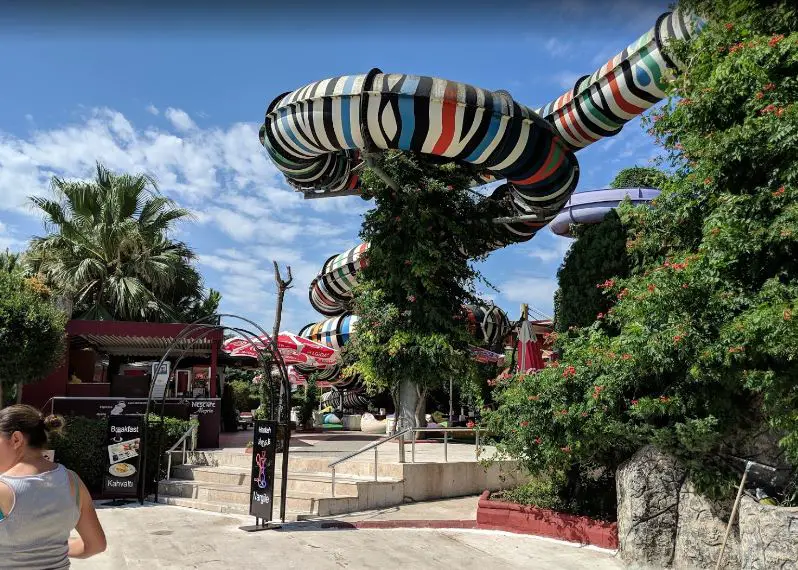
Best Theme Parks in Istanbul Turkey | Popular Amusement Parks in Istanbul
A trip to an amusement park in Istanbul with your family and friends creates one-of-a-kind adventure experiences and memories. It provides you with a unique opportunity to have a laugh or two with entirely new people and interact with each … Continue reading
The post Best Theme Parks in Istanbul Turkey | Popular Amusement Parks in Istanbul appeared first on World Tour & Travel Guide, Get Travel Tips, Information, Discover Travel Destination | Adequate Travel.
Read More
Best Foods to Try in Istanbul Turkey | Popular Foods in Istanbul
Istanbul upholds a very diverse community of people who range from modern European to an old classic Asian. So a plethora of palette is served which ranks among the top foods in Istanbul. You must hold a big appetite to … Continue reading
The post Best Foods to Try in Istanbul Turkey | Popular Foods in Istanbul appeared first on World Tour & Travel Guide, Get Travel Tips, Information, Discover Travel Destination | Adequate Travel.
Read More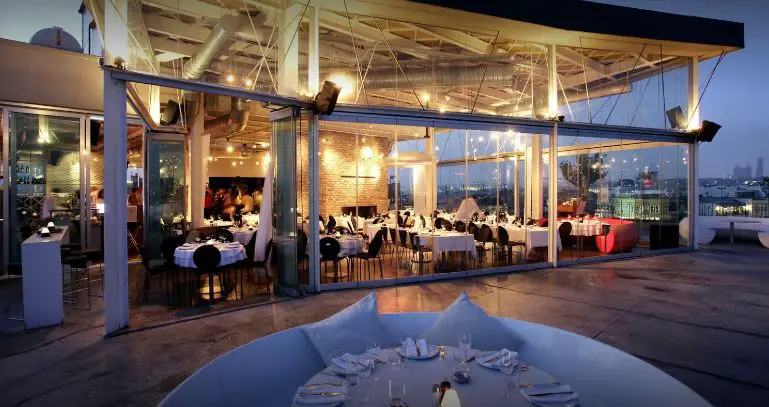
Top 10 Restaurants in Istanbul | Best Places to Eat in Istanbul Turkey
Restaurants in Istanbul can range from being exceptionally higher to extraordinarily cheap. So, you have to decide which flavor you want to explore more. As the amount served is never less in Turkish cuisine. They are very connected with their … Continue reading
The post Top 10 Restaurants in Istanbul | Best Places to Eat in Istanbul Turkey appeared first on World Tour & Travel Guide, Get Travel Tips, Information, Discover Travel Destination | Adequate Travel.
Read More
Best Beaches in Istanbul Turkey | Top 10 Beaches in Istanbul
Istanbul is washed up on the shores by the Marmara and Black seas which are linked by the Bosphorus and many small islands. Istanbul’s famous beaches are served with popular seafood and various beach sports in Turkey. Since Istanbul is … Continue reading
The post Best Beaches in Istanbul Turkey | Top 10 Beaches in Istanbul appeared first on World Tour & Travel Guide, Get Travel Tips, Information, Discover Travel Destination | Adequate Travel.
Read More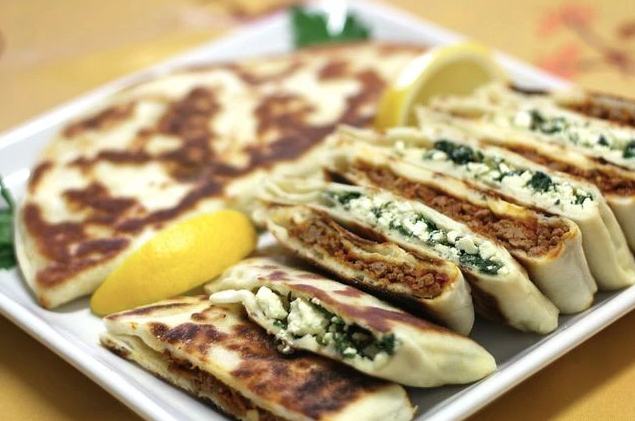
10 Best Foods in Antalya | Famous Foods to Eat in Antalya, Turkey
Antalya is the port city of Turkey that is famous for its refreshing coastlines and the delicious foods they serve. This city is known as the ‘Turquoise Coast’ of Turkey due to its blue waters. There are numerous places here … Continue reading
The post 10 Best Foods in Antalya | Famous Foods to Eat in Antalya, Turkey appeared first on World Tour & Travel Guide, Get Travel Tips, Information, Discover Travel Destination | Adequate Travel.
Read More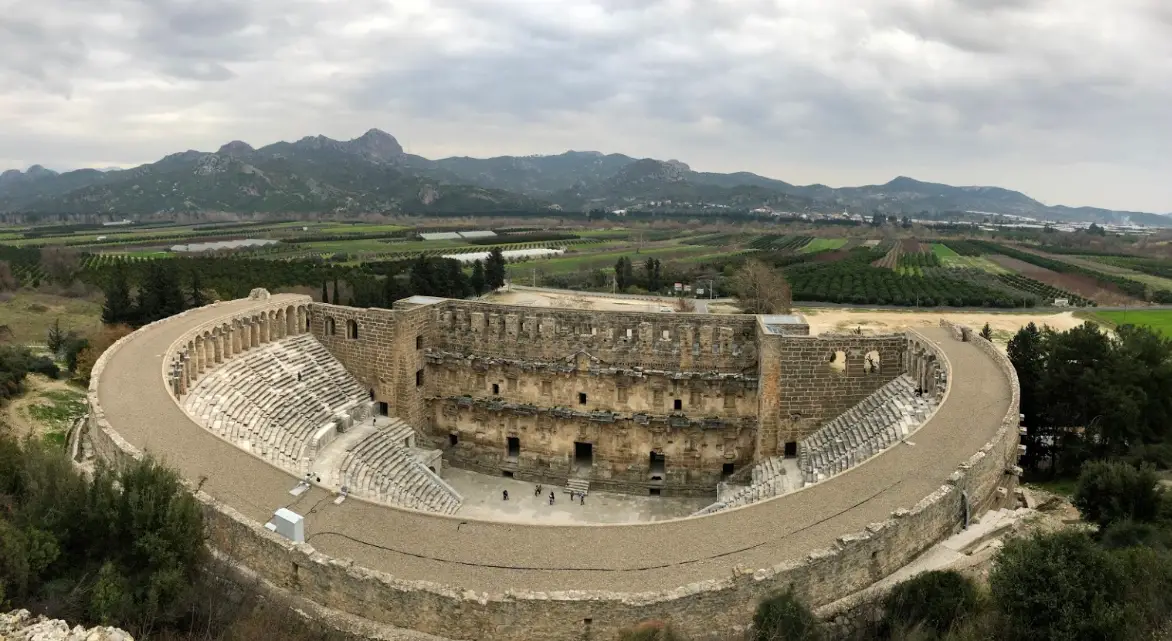
Discover What Antalya is Known for? | Why Antalya Turkey is Famous For
Antalya is known as the Turquoise Coast of Turkey due to its fresh blue waters that mesmerize every traveler visiting this port town. Antalya is popular for being the best Roman heritage collector of Western Turkey that sings the ballads … Continue reading
The post Discover What Antalya is Known for? | Why Antalya Turkey is Famous For appeared first on World Tour & Travel Guide, Get Travel Tips, Information, Discover Travel Destination | Adequate Travel.
Read More
What to Buy in Antalya Turkey | Best Things to Buy in Antalya
The ending times of any vacation are always hard especially when you are in Antalya that is considered as the most beautiful city of Turkey, not only because you have to finally return to your boring life again but this … Continue reading
The post What to Buy in Antalya Turkey | Best Things to Buy in Antalya appeared first on World Tour & Travel Guide, Get Travel Tips, Information, Discover Travel Destination | Adequate Travel.
Read More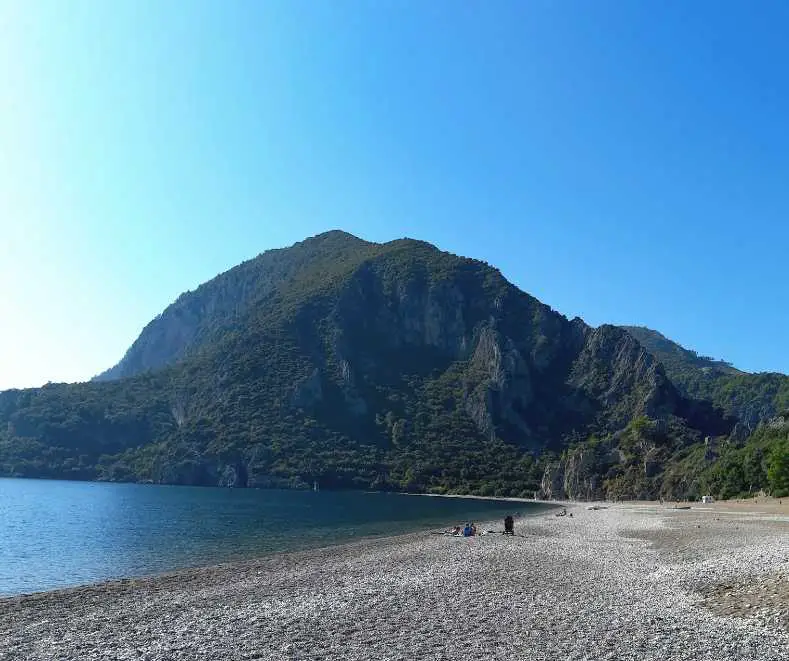
10 Best Beaches in Antalya Turkey | Famous Beaches to Visit in Antalya
Antalya is the best port city of Turkey that has some of the best historical monuments all laced up near the best beaches in Antalya that embellish every aspect of this city through their refreshing vibes and carefree cultures. You … Continue reading
The post 10 Best Beaches in Antalya Turkey | Famous Beaches to Visit in Antalya appeared first on World Tour & Travel Guide, Get Travel Tips, Information, Discover Travel Destination | Adequate Travel.
Read More