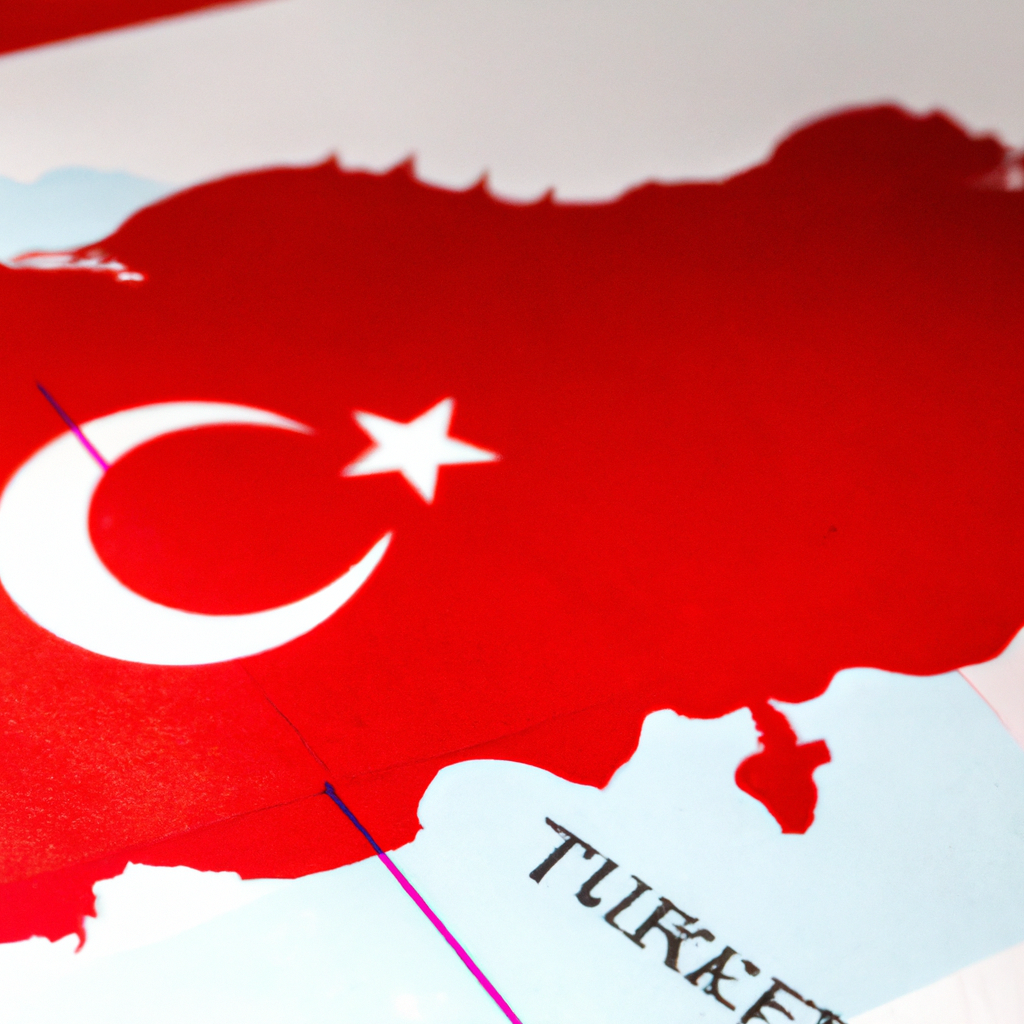
What are the rules and regulations for visiting Turkish national parks and nature reserves?

Post ByAdequate Travel
Summary
If you are looking to explore the natural beauty of Turkey, there are some rules and regulations you need to be aware of when visiting its national parks and nature reserves. In this blog post, we'll cover the key regulations for visiting the incredible nature of Turkey, so you can plan the best possible experience. While planning your trip, take note of any travel restrictions that may impact your itinerary, such as limited access to certain regions or attractions.Rules and Regulations for Visiting Turkish National Parks and Nature Reserves:
1.Permit Requirement:
Visitors must obtain a permit or entrance ticket to enter Turkish national parks and nature reserves. These can generally be purchased at the entrance gate of each park or reserve.
Example: Visitors planning to visit Göreme National Park should obtain an entrance ticket from the ticket office located at the park's entrance.
2.Opening Hours:
National parks and nature reserves in Turkey have specific opening hours that visitors must adhere to.
Example: The opening hours of Dilek Peninsula-Büyük Menderes Delta National Park are from 8:00 am to 6:00 pm.
3.Stay on Designated Trails:
To preserve the natural habitats and ecosystems, visitors are generally required to stay on designated trails and paths.
Example: In the Söğütlüdere Nature Park, visitors must follow the marked trails and should not wander off into restricted areas.
4.No Littering:
Visitors are expected to keep the national parks and nature reserves clean and litter-free.
Example: Visitors to the Olympos Beydağları National Park should dispose of their trash in designated bins or take it with them when leaving.
5.Prohibition of Hunting and Fishing:
Hunting and fishing are generally prohibited in Turkish national parks and nature reserves to protect wildlife and maintain the ecological balance.
Example: Fishing is strictly forbidden within the boundaries of Kızılcahamam Fatih Sultan Mehmet Nature Park.
6.No Camping without Permission:
In certain parks or reserves, camping may be allowed only in designated areas with the permission of park authorities.
Example: To camp in the Köprülü Canyon National Park, visitors need to obtain permission and camp only in designated camping zones.
7.Respect Wildlife and Vegetation:
Visitors should respect and protect the wildlife, vegetation, and natural resources found within the parks.
Example: In the Yedigöller National Park, it is prohibited to harm plants, pick flowers, or disturb the animals.
8.No Fires:
Building fires, except in designated areas, is generally not allowed to prevent wildfires and protect the environment.
Example: Lighting fires is strictly prohibited in the Gallipoli Historical National Park.
9.Pets:
In most national parks and nature reserves, bringing pets is not allowed to ensure the safety of both visitors and wildlife.
Example: Pets are not permitted in the Bosphorus Göksu Delta Bird Paradise National Park.
10.Photography and Filming:
Visitors are allowed to take photographs and film for personal use, but commercial photography or filming may require additional permits.
Example: Professional photography for commercial purposes in Mount Ararat National Park requires a special permit.
Stay informed about any travel restrictions or travel rules in place, as they may vary depending on your destination within the country.Suggested Questions
- Mount Ida, Canakkale: Horror Story, History & Paranomial Activities
- Derinkuyu Underground City, Nevsehir: Horror Story, History & Paranomial Activities
- Assos Ancient City, Canakkale: Horror Story, History & Paranomial Activities
- Suleymaniye Mosque, Istanbul: Horror Story, History & Paranomial Activities
- Galata Tower, Istanbul: Horror Story, History & Paranomial Activities
- Kaputas Beach, Kas: Horror Story, History & Paranomial Activities
Questions turkey
You may also like
10 Best Cities in Turkey to Visit | Major Cities in Turkey
Turkey cities are surrounded by eight different European nations, Turkey is a dazzling destination located in Western Asia and a little bit in Southeast Europe. You will see here antiquated landscapes, enriched with staggering Roman vestiges, favored with captivating shorelines, … Continue reading
The post 10 Best Cities in Turkey to Visit | Major Cities in Turkey appeared first on World Tour & Travel Guide, Get Travel Tips, Information, Discover Travel Destination | Adequate Travel.
Read More
The 17 Famous Monuments in Istanbul Turkey | Most Visited Monuments in Istanbul
Istanbul is Turkey’s rich historical land that is appraised for its packed lanes, elaborate architecture, and balloon-filled skies. It is home to a number of world-famous monuments in Istanbul. Ottomans, Romans, and Byzantines all have left a mark in this … Continue reading
The post The 17 Famous Monuments in Istanbul Turkey | Most Visited Monuments in Istanbul appeared first on World Tour & Travel Guide, Get Travel Tips, Information, Discover Travel Destination | Adequate Travel.
Read More
Best Theme Parks in Istanbul Turkey | Popular Amusement Parks in Istanbul
A trip to an amusement park in Istanbul with your family and friends creates one-of-a-kind adventure experiences and memories. It provides you with a unique opportunity to have a laugh or two with entirely new people and interact with each … Continue reading
The post Best Theme Parks in Istanbul Turkey | Popular Amusement Parks in Istanbul appeared first on World Tour & Travel Guide, Get Travel Tips, Information, Discover Travel Destination | Adequate Travel.
Read More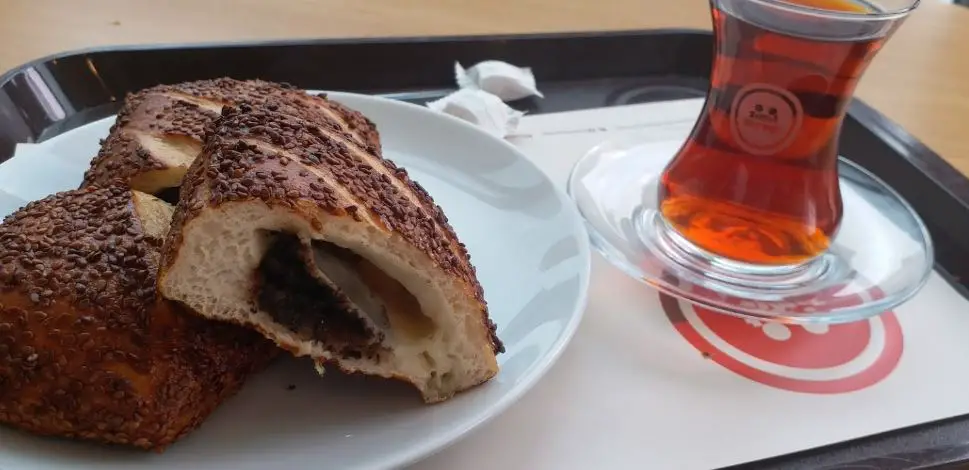
Best Foods to Try in Istanbul Turkey | Popular Foods in Istanbul
Istanbul upholds a very diverse community of people who range from modern European to an old classic Asian. So a plethora of palette is served which ranks among the top foods in Istanbul. You must hold a big appetite to … Continue reading
The post Best Foods to Try in Istanbul Turkey | Popular Foods in Istanbul appeared first on World Tour & Travel Guide, Get Travel Tips, Information, Discover Travel Destination | Adequate Travel.
Read More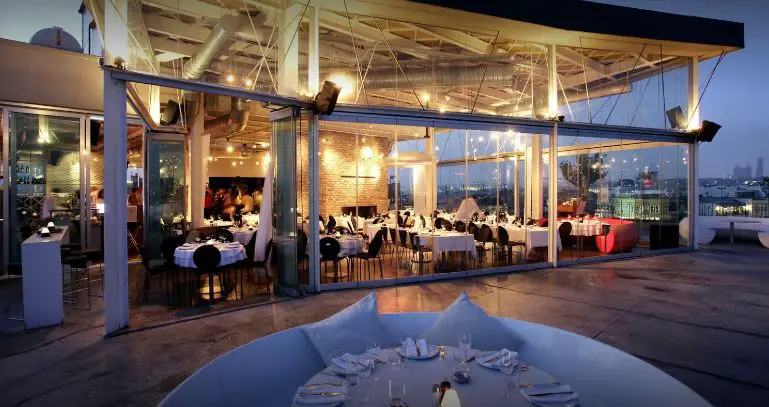
Top 10 Restaurants in Istanbul | Best Places to Eat in Istanbul Turkey
Restaurants in Istanbul can range from being exceptionally higher to extraordinarily cheap. So, you have to decide which flavor you want to explore more. As the amount served is never less in Turkish cuisine. They are very connected with their … Continue reading
The post Top 10 Restaurants in Istanbul | Best Places to Eat in Istanbul Turkey appeared first on World Tour & Travel Guide, Get Travel Tips, Information, Discover Travel Destination | Adequate Travel.
Read More
Best Beaches in Istanbul Turkey | Top 10 Beaches in Istanbul
Istanbul is washed up on the shores by the Marmara and Black seas which are linked by the Bosphorus and many small islands. Istanbul’s famous beaches are served with popular seafood and various beach sports in Turkey. Since Istanbul is … Continue reading
The post Best Beaches in Istanbul Turkey | Top 10 Beaches in Istanbul appeared first on World Tour & Travel Guide, Get Travel Tips, Information, Discover Travel Destination | Adequate Travel.
Read More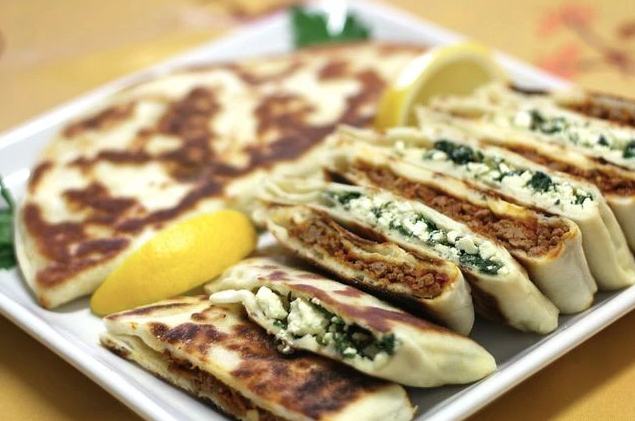
10 Best Foods in Antalya | Famous Foods to Eat in Antalya, Turkey
Antalya is the port city of Turkey that is famous for its refreshing coastlines and the delicious foods they serve. This city is known as the ‘Turquoise Coast’ of Turkey due to its blue waters. There are numerous places here … Continue reading
The post 10 Best Foods in Antalya | Famous Foods to Eat in Antalya, Turkey appeared first on World Tour & Travel Guide, Get Travel Tips, Information, Discover Travel Destination | Adequate Travel.
Read More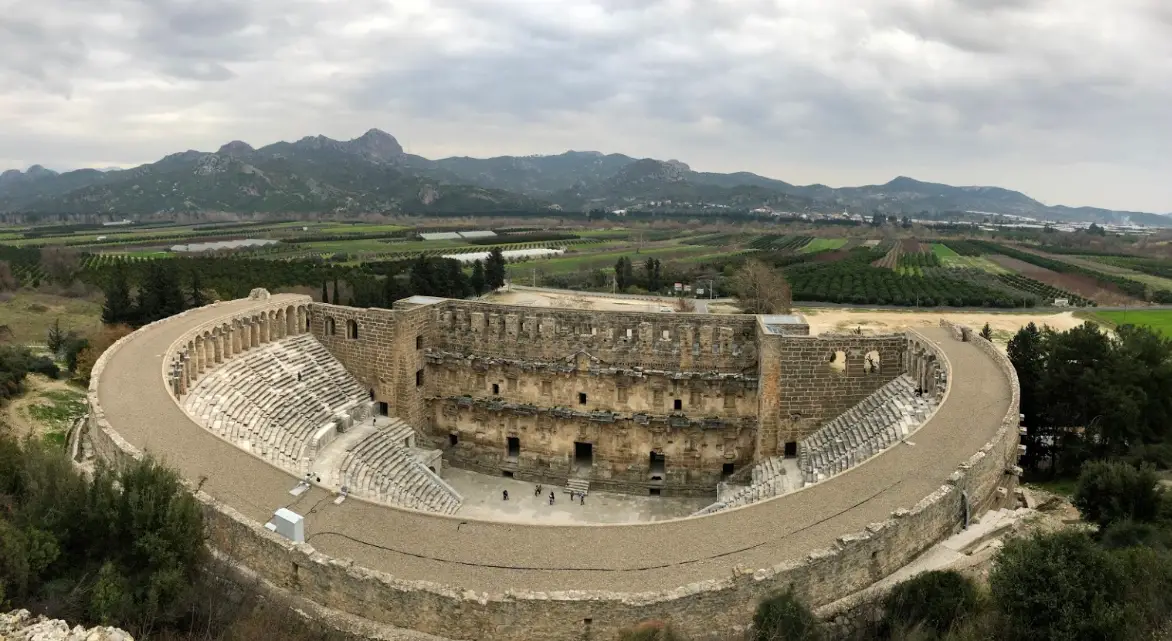
Discover What Antalya is Known for? | Why Antalya Turkey is Famous For
Antalya is known as the Turquoise Coast of Turkey due to its fresh blue waters that mesmerize every traveler visiting this port town. Antalya is popular for being the best Roman heritage collector of Western Turkey that sings the ballads … Continue reading
The post Discover What Antalya is Known for? | Why Antalya Turkey is Famous For appeared first on World Tour & Travel Guide, Get Travel Tips, Information, Discover Travel Destination | Adequate Travel.
Read More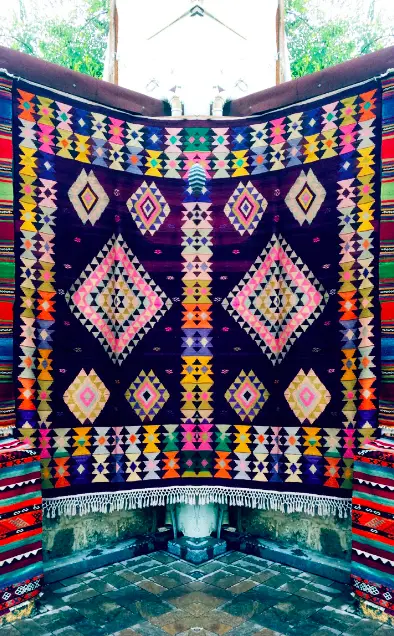
What to Buy in Antalya Turkey | Best Things to Buy in Antalya
The ending times of any vacation are always hard especially when you are in Antalya that is considered as the most beautiful city of Turkey, not only because you have to finally return to your boring life again but this … Continue reading
The post What to Buy in Antalya Turkey | Best Things to Buy in Antalya appeared first on World Tour & Travel Guide, Get Travel Tips, Information, Discover Travel Destination | Adequate Travel.
Read More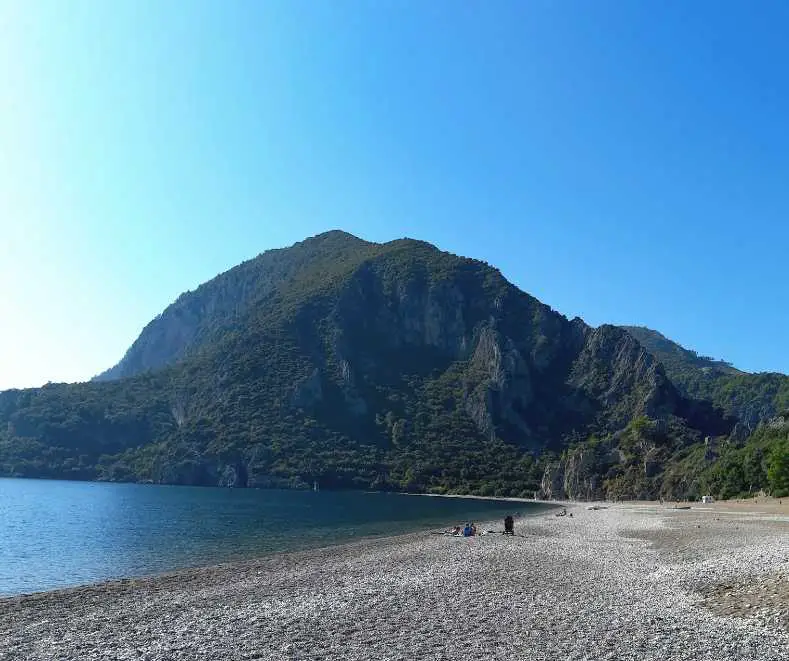
10 Best Beaches in Antalya Turkey | Famous Beaches to Visit in Antalya
Antalya is the best port city of Turkey that has some of the best historical monuments all laced up near the best beaches in Antalya that embellish every aspect of this city through their refreshing vibes and carefree cultures. You … Continue reading
The post 10 Best Beaches in Antalya Turkey | Famous Beaches to Visit in Antalya appeared first on World Tour & Travel Guide, Get Travel Tips, Information, Discover Travel Destination | Adequate Travel.
Read More