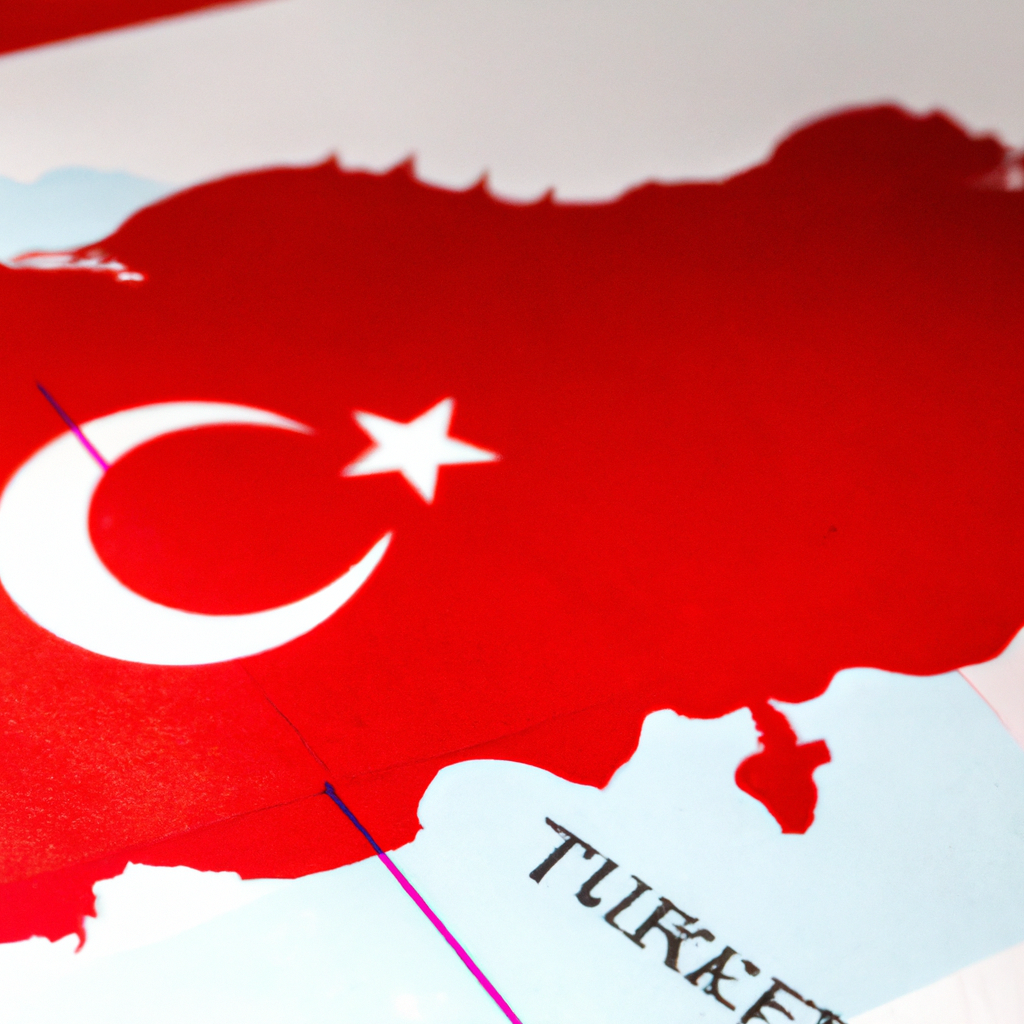
Is it safe to travel to the eastern regions of Turkey?

Post ByAdequate Travel
Summary
Is it safe to travel to the eastern regions of Turkey? This is an important question to consider if you are planning on visiting this area. In this blog post, we are going to look at the current security situation in the Eastern regions of Turkey, the resources available to travelers, and the counsellor's advice about the risks of travelling to the region. Before embarking on your journey to turkey, make sure to check the latest travel guidelines and entry requirements to ensure a smooth tripIs it safe to travel to the eastern regions of Turkey?
While travel to the eastern regions of Turkey can be safe for most tourists, it is important to be aware of certain considerations before planning your trip. Here are some key points to consider:
1. Security and Safety
It is vital to be aware of the security situation in the eastern regions of Turkey. Some areas near the borders with Syria, Iraq, and Iran possess higher risks due to geopolitical tensions and occasional clashes. The Turkish government advises caution when traveling to these border regions and may impose travel restrictions or require special permits.
Example: The southeastern provinces of Şırnak, Hakkari, and Mardin have experienced sporadic incidents in the past due to conflicts in neighboring countries. Travelers should stay updated on the latest security information and follow any advisories issued by their government.
2. Terrorism concerns
Some parts of the eastern regions have been affected by terrorism in the past. The presence of the Kurdistan Workers' Party (PKK) has led to occasional acts of violence, particularly in rural and mountainous areas. However, the likelihood of encountering such incidents as a tourist is relatively low, especially in urban centers and popular tourist destinations.
Example: Cities like Diyarbakir and Van have witnessed significant progress in terms of security and have become increasingly frequented by tourists seeking cultural experiences.
3. Infrastructure and Services
Infrastructure and services may not be as developed in the eastern regions compared to the western counterparts. Remote areas, particularly those close to the border regions, may have limited access to amenities, medical facilities, and transportation options. It is recommended to plan your itinerary carefully and ensure you have necessary provisions and information.
Example: If planning to visit the ancient city of Ani near the Armenian border, travelers may need to arrange for reliable transportation in advance, as the area is relatively remote and lacks extensive tourist facilities.
4. Cultural Sensitivity
Eastern Turkey is rich in diverse cultures and ethnicities, including Kurdish, Armenian, and Arabic communities. Respect for local customs, religious practices, and sensitivities is essential. Demonstrating cultural sensitivity fosters positive interactions and helps ensure an enjoyable and safe travel experience.
Example: Modest clothing is generally expected when visiting religious sites, and it is advisable to research and understand local customs to avoid inadvertently causing offense.
In summary, while travel to the eastern regions of Turkey can be safe, it is crucial to stay informed about the current security situation, follow any travel advisories, and exercise caution when visiting certain border areas. By being aware of these considerations and respecting local customs, travelers can have a rewarding experience exploring this culturally rich part of the country.Before embarking on your journey to turkey, make sure to check the latest travel guidelines and entry requirements to ensure a smooth tripSuggested Questions
- Aya Sofya, Istanbul: Horror Story, History & Paranomial Activities
- Grand Bazaar, Istanbul: Horror Story, History & Paranomial Activities
- Amasra Castle, Bartin: Horror Story, History & Paranomial Activities
- Mount Nemrut, Adiyaman: Horror Story, History & Paranomial Activities
- Lycian Way, Antalya: Horror Story, History & Paranomial Activities
- Walls of Constantinople, Istanbul: Horror Story, History & Paranomial Activities
Questions turkey
You may also like
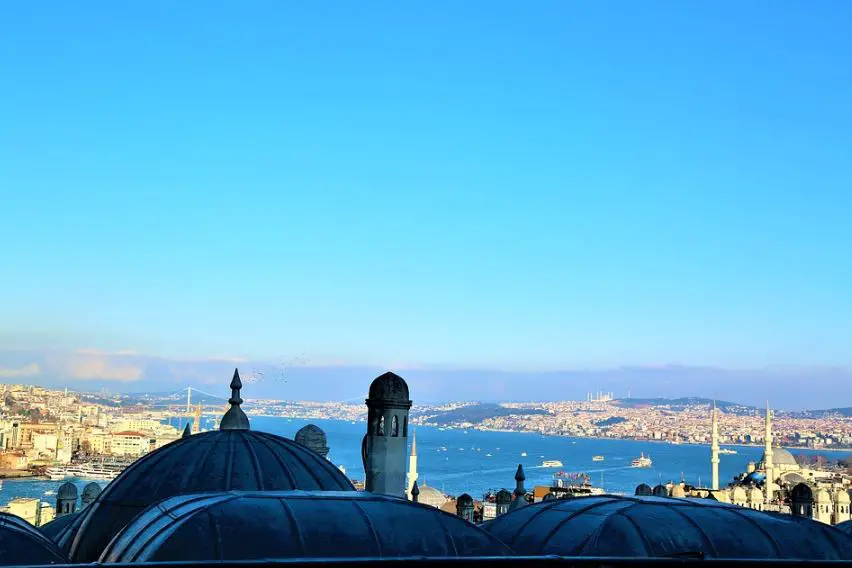
10 Best Cities in Turkey to Visit | Major Cities in Turkey
Turkey cities are surrounded by eight different European nations, Turkey is a dazzling destination located in Western Asia and a little bit in Southeast Europe. You will see here antiquated landscapes, enriched with staggering Roman vestiges, favored with captivating shorelines, … Continue reading
The post 10 Best Cities in Turkey to Visit | Major Cities in Turkey appeared first on World Tour & Travel Guide, Get Travel Tips, Information, Discover Travel Destination | Adequate Travel.
Read More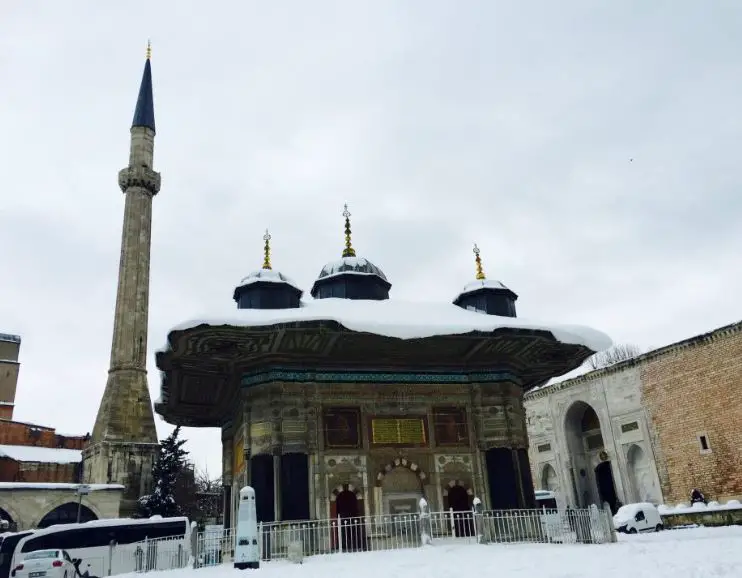
The 17 Famous Monuments in Istanbul Turkey | Most Visited Monuments in Istanbul
Istanbul is Turkey’s rich historical land that is appraised for its packed lanes, elaborate architecture, and balloon-filled skies. It is home to a number of world-famous monuments in Istanbul. Ottomans, Romans, and Byzantines all have left a mark in this … Continue reading
The post The 17 Famous Monuments in Istanbul Turkey | Most Visited Monuments in Istanbul appeared first on World Tour & Travel Guide, Get Travel Tips, Information, Discover Travel Destination | Adequate Travel.
Read More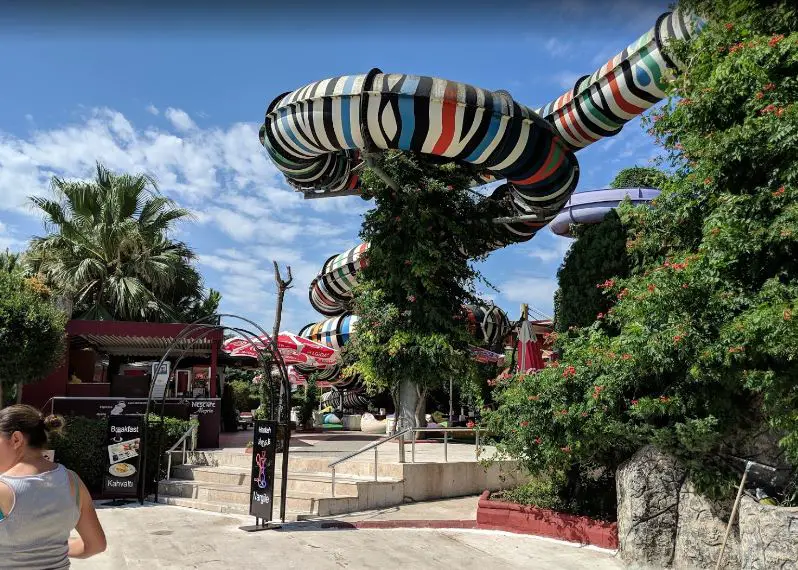
Best Theme Parks in Istanbul Turkey | Popular Amusement Parks in Istanbul
A trip to an amusement park in Istanbul with your family and friends creates one-of-a-kind adventure experiences and memories. It provides you with a unique opportunity to have a laugh or two with entirely new people and interact with each … Continue reading
The post Best Theme Parks in Istanbul Turkey | Popular Amusement Parks in Istanbul appeared first on World Tour & Travel Guide, Get Travel Tips, Information, Discover Travel Destination | Adequate Travel.
Read More
Best Foods to Try in Istanbul Turkey | Popular Foods in Istanbul
Istanbul upholds a very diverse community of people who range from modern European to an old classic Asian. So a plethora of palette is served which ranks among the top foods in Istanbul. You must hold a big appetite to … Continue reading
The post Best Foods to Try in Istanbul Turkey | Popular Foods in Istanbul appeared first on World Tour & Travel Guide, Get Travel Tips, Information, Discover Travel Destination | Adequate Travel.
Read More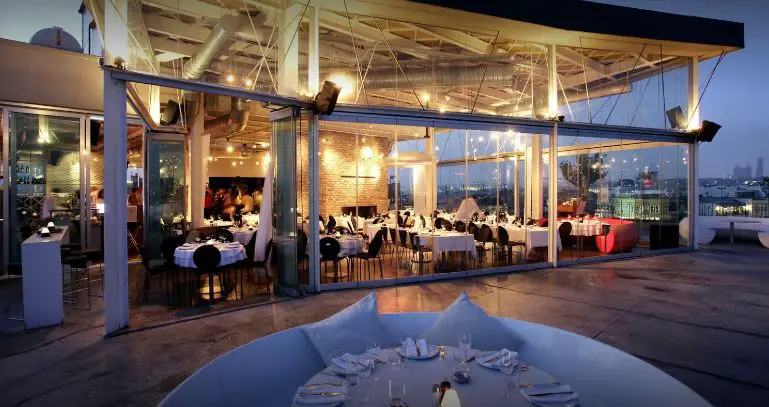
Top 10 Restaurants in Istanbul | Best Places to Eat in Istanbul Turkey
Restaurants in Istanbul can range from being exceptionally higher to extraordinarily cheap. So, you have to decide which flavor you want to explore more. As the amount served is never less in Turkish cuisine. They are very connected with their … Continue reading
The post Top 10 Restaurants in Istanbul | Best Places to Eat in Istanbul Turkey appeared first on World Tour & Travel Guide, Get Travel Tips, Information, Discover Travel Destination | Adequate Travel.
Read More
Best Beaches in Istanbul Turkey | Top 10 Beaches in Istanbul
Istanbul is washed up on the shores by the Marmara and Black seas which are linked by the Bosphorus and many small islands. Istanbul’s famous beaches are served with popular seafood and various beach sports in Turkey. Since Istanbul is … Continue reading
The post Best Beaches in Istanbul Turkey | Top 10 Beaches in Istanbul appeared first on World Tour & Travel Guide, Get Travel Tips, Information, Discover Travel Destination | Adequate Travel.
Read More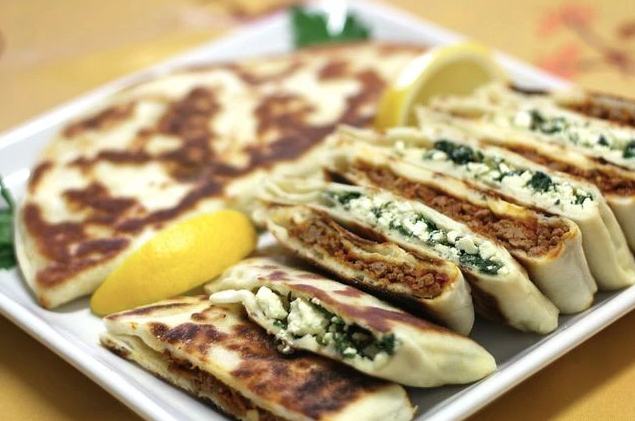
10 Best Foods in Antalya | Famous Foods to Eat in Antalya, Turkey
Antalya is the port city of Turkey that is famous for its refreshing coastlines and the delicious foods they serve. This city is known as the ‘Turquoise Coast’ of Turkey due to its blue waters. There are numerous places here … Continue reading
The post 10 Best Foods in Antalya | Famous Foods to Eat in Antalya, Turkey appeared first on World Tour & Travel Guide, Get Travel Tips, Information, Discover Travel Destination | Adequate Travel.
Read More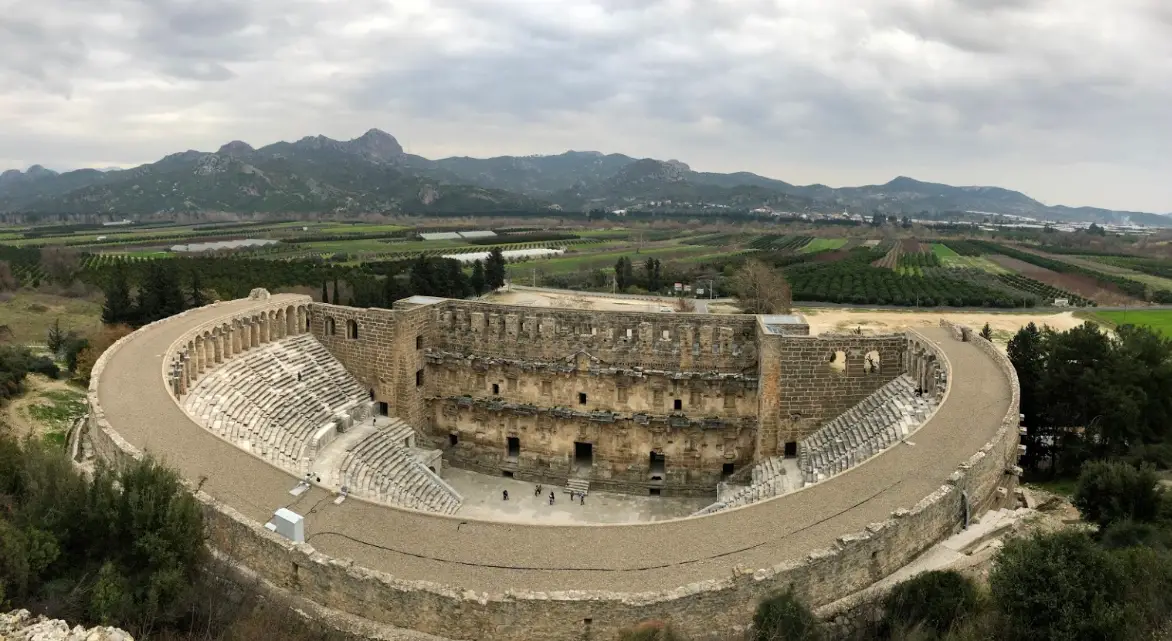
Discover What Antalya is Known for? | Why Antalya Turkey is Famous For
Antalya is known as the Turquoise Coast of Turkey due to its fresh blue waters that mesmerize every traveler visiting this port town. Antalya is popular for being the best Roman heritage collector of Western Turkey that sings the ballads … Continue reading
The post Discover What Antalya is Known for? | Why Antalya Turkey is Famous For appeared first on World Tour & Travel Guide, Get Travel Tips, Information, Discover Travel Destination | Adequate Travel.
Read More
What to Buy in Antalya Turkey | Best Things to Buy in Antalya
The ending times of any vacation are always hard especially when you are in Antalya that is considered as the most beautiful city of Turkey, not only because you have to finally return to your boring life again but this … Continue reading
The post What to Buy in Antalya Turkey | Best Things to Buy in Antalya appeared first on World Tour & Travel Guide, Get Travel Tips, Information, Discover Travel Destination | Adequate Travel.
Read More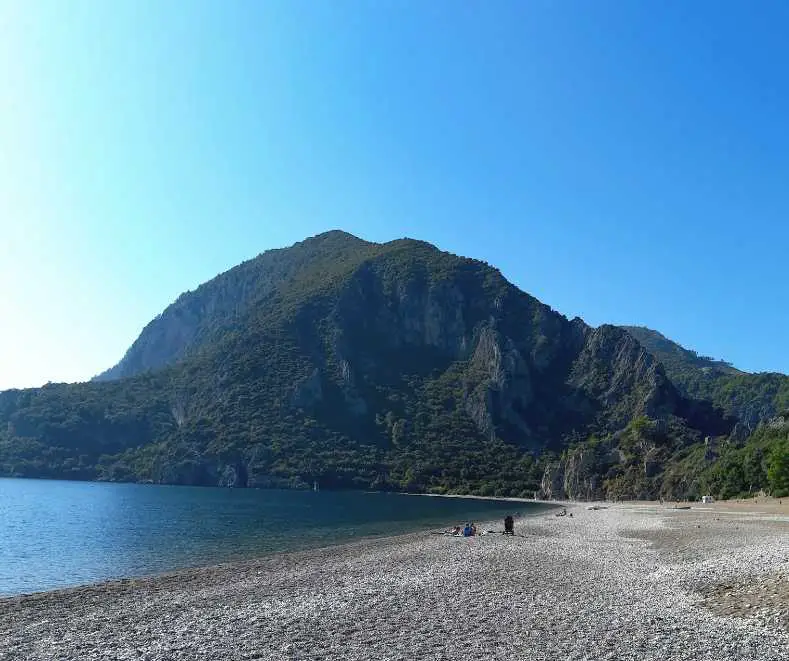
10 Best Beaches in Antalya Turkey | Famous Beaches to Visit in Antalya
Antalya is the best port city of Turkey that has some of the best historical monuments all laced up near the best beaches in Antalya that embellish every aspect of this city through their refreshing vibes and carefree cultures. You … Continue reading
The post 10 Best Beaches in Antalya Turkey | Famous Beaches to Visit in Antalya appeared first on World Tour & Travel Guide, Get Travel Tips, Information, Discover Travel Destination | Adequate Travel.
Read More