How do I handle currency exchange for cross-border trips to neighboring countries?

Post ByAdequate Travel
Summary
Planning a cross-border trip to a neighboring country can be exciting and sometimes daunting. One important element you need to consider is how to handle currency exchange. In this blog, we will discuss the different approaches and strategies for easily exchanging currencies as an international traveler. While planning your trip, take note of any travel restrictions that may impact your itinerary, such as limited access to certain regions or attractions.1. Research the currency exchange rates
Before your cross-border trip, research the exchange rates between your home currency and the currency of the neighboring country you plan to visit. Use reliable sources such as online currency converters or banking websites to get accurate and up-to-date rates.
2. Exchange currency in advance
In order to have local currency on hand upon arrival in the neighboring country, it is advisable to exchange some amount of money in advance. Visit a bank or an authorized currency exchange provider in your home country to convert your currency into the required one.
3. Use ATMs
ATMs are commonly available in neighboring countries and can be used to withdraw local currency. Check with your bank beforehand to ensure your debit or credit card can be used internationally. However, keep in mind that ATM fees and exchange rates may vary, so compare the rates offered by different ATMs to get the best deal.
4. Notify your bank or credit card company
Prior to your trip, inform your bank or credit card company about your travel plans to avoid any issues with your cards being blocked due to suspicions of fraud. Provide them with the dates and countries you will be visiting so that they can make a note on your account and ensure uninterrupted card usage.
5. Use local currency whenever possible
When in a neighboring country, it is generally more convenient and cost-effective to use the local currency for transactions. Some businesses may accept foreign currency, but the exchange rates offered may not be favorable, resulting in a loss for you. Additionally, using local currency can help you blend in with the locals and avoid any potential confusion or misunderstandings.
6. Be cautious of exchange scams
While exchanging currency, be wary of scams or unauthorized currency exchange providers that may offer seemingly attractive rates but could be fraudulent. Stick to authorized exchange bureaus at airports, banks, or reputable establishments to ensure a secure and fair exchange.
7. Keep some emergency cash
It is always wise to keep a small amount of emergency cash in both your home currency and the local currency of the neighboring country. This can be useful in case of unforeseen circumstances, such as a temporary unavailability of ATMs or issues with card payments.
Example:
Let's say you are traveling from the United States to Canada:
- Research the exchange rate from USD (United States Dollar) to CAD (Canadian Dollar).
- Exchange a portion of your USD for CAD before your trip at a bank or reputable currency exchange provider.
- Upon arrival in Canada, use ATMs to withdraw CAD as needed.
- Notify your bank about your travel plans to Canada.
- Use CAD for transactions in Canada whenever possible.
- Be cautious of scams and use authorized exchange providers.
- Keep some emergency cash in both USD and CAD.
Suggested Questions
- Suleymaniye Mosque, Istanbul: Horror Story, History & Paranomial Activities
- Mardin Castle, Mardin: Horror Story, History & Paranomial Activities
- Urfa Castle, Sanliurfa: Horror Story, History & Paranomial Activities
- Grand Bazaar, Istanbul: Horror Story, History & Paranomial Activities
- Didymaion, Didim: Horror Story, History & Paranomial Activities
- Basilica Cistern, Istanbul: Horror Story, History & Paranomial Activities
Questions turkey
You may also like

10 Best Cities in Turkey to Visit | Major Cities in Turkey
Turkey cities are surrounded by eight different European nations, Turkey is a dazzling destination located in Western Asia and a little bit in Southeast Europe. You will see here antiquated landscapes, enriched with staggering Roman vestiges, favored with captivating shorelines, … Continue reading
The post 10 Best Cities in Turkey to Visit | Major Cities in Turkey appeared first on World Tour & Travel Guide, Get Travel Tips, Information, Discover Travel Destination | Adequate Travel.
Read More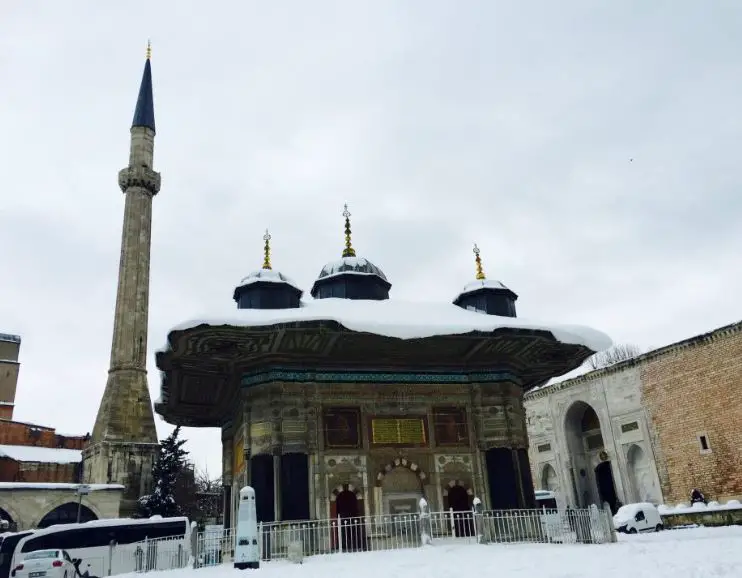
The 17 Famous Monuments in Istanbul Turkey | Most Visited Monuments in Istanbul
Istanbul is Turkey’s rich historical land that is appraised for its packed lanes, elaborate architecture, and balloon-filled skies. It is home to a number of world-famous monuments in Istanbul. Ottomans, Romans, and Byzantines all have left a mark in this … Continue reading
The post The 17 Famous Monuments in Istanbul Turkey | Most Visited Monuments in Istanbul appeared first on World Tour & Travel Guide, Get Travel Tips, Information, Discover Travel Destination | Adequate Travel.
Read More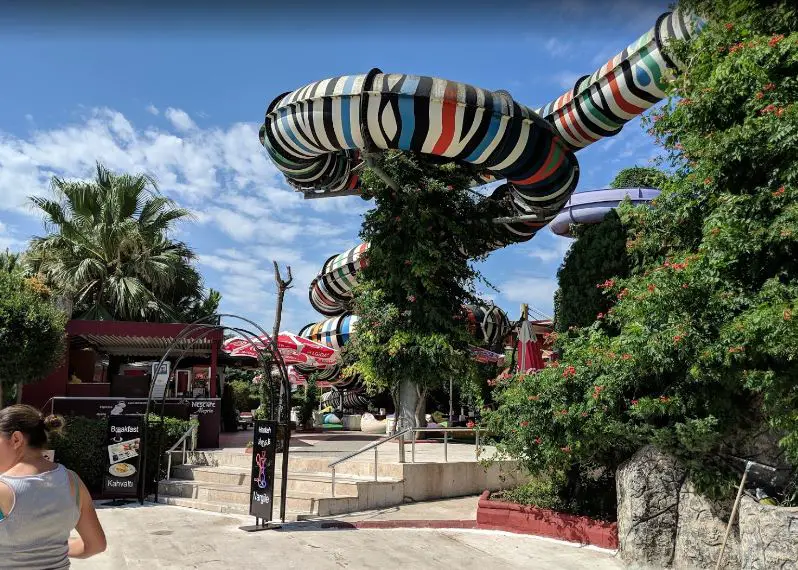
Best Theme Parks in Istanbul Turkey | Popular Amusement Parks in Istanbul
A trip to an amusement park in Istanbul with your family and friends creates one-of-a-kind adventure experiences and memories. It provides you with a unique opportunity to have a laugh or two with entirely new people and interact with each … Continue reading
The post Best Theme Parks in Istanbul Turkey | Popular Amusement Parks in Istanbul appeared first on World Tour & Travel Guide, Get Travel Tips, Information, Discover Travel Destination | Adequate Travel.
Read More
Best Foods to Try in Istanbul Turkey | Popular Foods in Istanbul
Istanbul upholds a very diverse community of people who range from modern European to an old classic Asian. So a plethora of palette is served which ranks among the top foods in Istanbul. You must hold a big appetite to … Continue reading
The post Best Foods to Try in Istanbul Turkey | Popular Foods in Istanbul appeared first on World Tour & Travel Guide, Get Travel Tips, Information, Discover Travel Destination | Adequate Travel.
Read More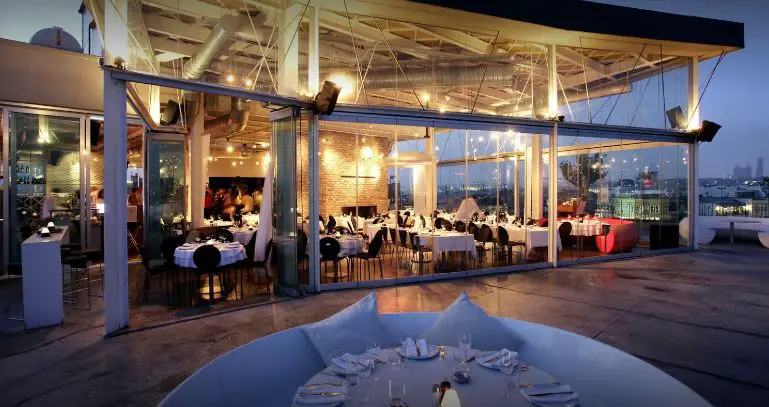
Top 10 Restaurants in Istanbul | Best Places to Eat in Istanbul Turkey
Restaurants in Istanbul can range from being exceptionally higher to extraordinarily cheap. So, you have to decide which flavor you want to explore more. As the amount served is never less in Turkish cuisine. They are very connected with their … Continue reading
The post Top 10 Restaurants in Istanbul | Best Places to Eat in Istanbul Turkey appeared first on World Tour & Travel Guide, Get Travel Tips, Information, Discover Travel Destination | Adequate Travel.
Read More
Best Beaches in Istanbul Turkey | Top 10 Beaches in Istanbul
Istanbul is washed up on the shores by the Marmara and Black seas which are linked by the Bosphorus and many small islands. Istanbul’s famous beaches are served with popular seafood and various beach sports in Turkey. Since Istanbul is … Continue reading
The post Best Beaches in Istanbul Turkey | Top 10 Beaches in Istanbul appeared first on World Tour & Travel Guide, Get Travel Tips, Information, Discover Travel Destination | Adequate Travel.
Read More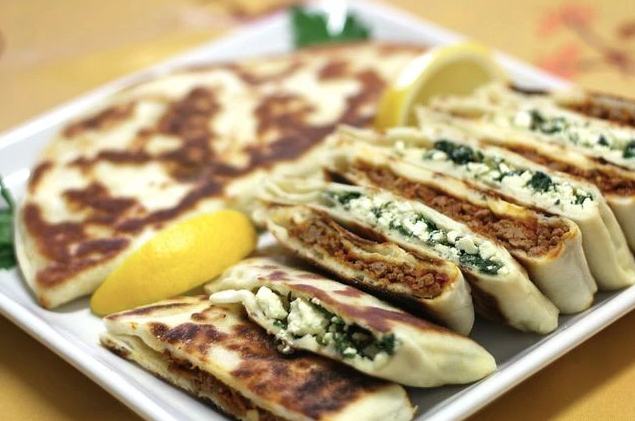
10 Best Foods in Antalya | Famous Foods to Eat in Antalya, Turkey
Antalya is the port city of Turkey that is famous for its refreshing coastlines and the delicious foods they serve. This city is known as the ‘Turquoise Coast’ of Turkey due to its blue waters. There are numerous places here … Continue reading
The post 10 Best Foods in Antalya | Famous Foods to Eat in Antalya, Turkey appeared first on World Tour & Travel Guide, Get Travel Tips, Information, Discover Travel Destination | Adequate Travel.
Read More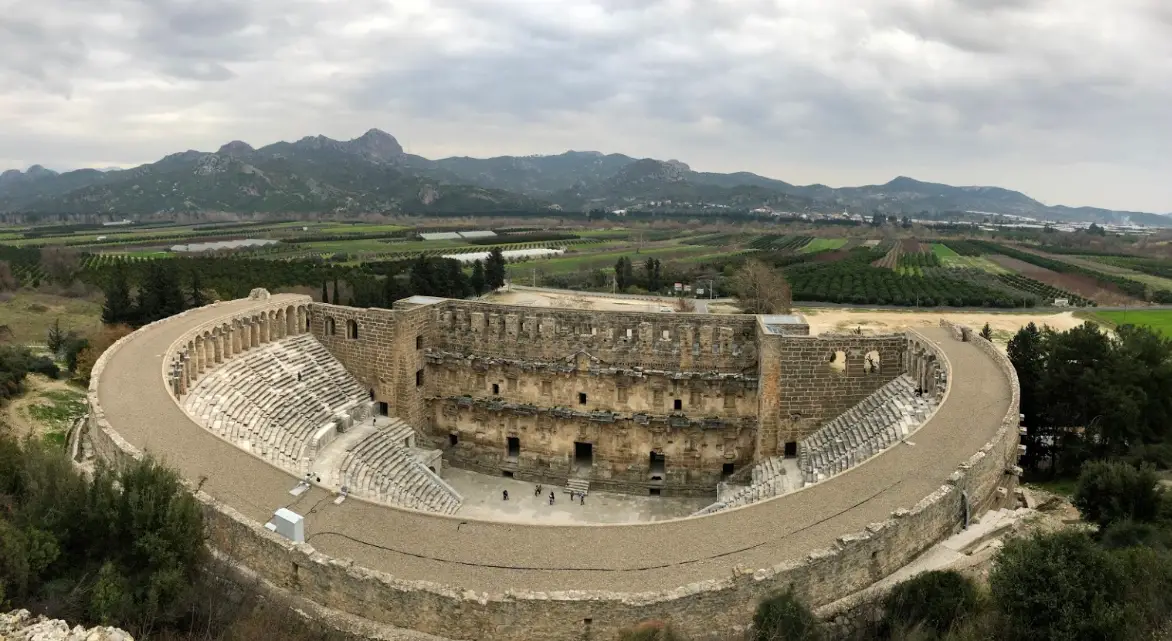
Discover What Antalya is Known for? | Why Antalya Turkey is Famous For
Antalya is known as the Turquoise Coast of Turkey due to its fresh blue waters that mesmerize every traveler visiting this port town. Antalya is popular for being the best Roman heritage collector of Western Turkey that sings the ballads … Continue reading
The post Discover What Antalya is Known for? | Why Antalya Turkey is Famous For appeared first on World Tour & Travel Guide, Get Travel Tips, Information, Discover Travel Destination | Adequate Travel.
Read More
What to Buy in Antalya Turkey | Best Things to Buy in Antalya
The ending times of any vacation are always hard especially when you are in Antalya that is considered as the most beautiful city of Turkey, not only because you have to finally return to your boring life again but this … Continue reading
The post What to Buy in Antalya Turkey | Best Things to Buy in Antalya appeared first on World Tour & Travel Guide, Get Travel Tips, Information, Discover Travel Destination | Adequate Travel.
Read More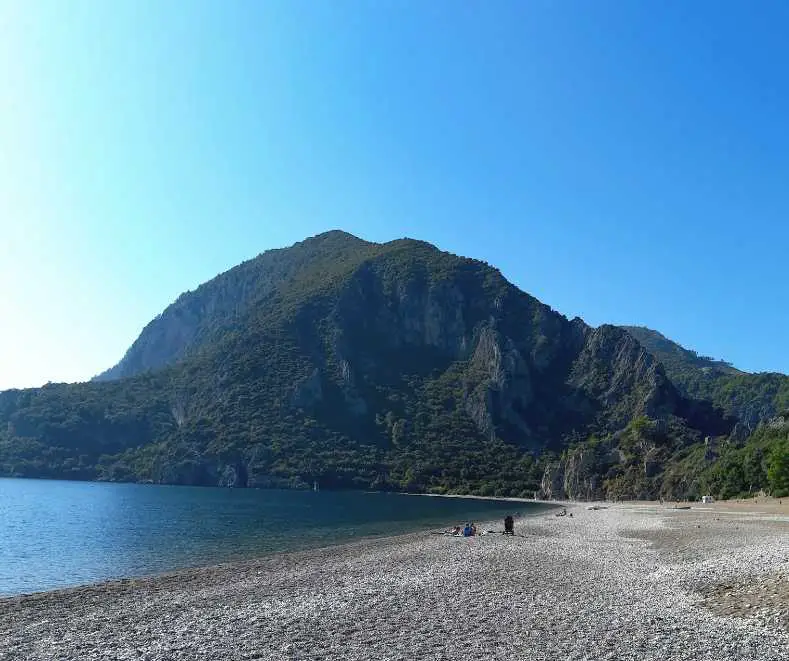
10 Best Beaches in Antalya Turkey | Famous Beaches to Visit in Antalya
Antalya is the best port city of Turkey that has some of the best historical monuments all laced up near the best beaches in Antalya that embellish every aspect of this city through their refreshing vibes and carefree cultures. You … Continue reading
The post 10 Best Beaches in Antalya Turkey | Famous Beaches to Visit in Antalya appeared first on World Tour & Travel Guide, Get Travel Tips, Information, Discover Travel Destination | Adequate Travel.
Read More