How do I avoid common tourist scams in Turkey?

Post ByAdequate Travel
Summary
Are you planning to visit Turkey? Here are some great tips for avoiding common tourist scams that you should be aware of before you go. From fake currency exchange to overcharging taxi drivers, we'll help guide you through the common scams so that you can enjoy a worry-free trip! Keep in mind that travel guidelines and travel rules may change anytime, so regularly check for updates to ensure a hassle-free and memorable travel experience.1. Research and be informed
Before visiting Turkey, it is essential to gather some knowledge about common tourist scams in the country. This will help you recognize potential scams and take necessary precautions.
For example:
Fake tour guides may approach you at popular tourist spots, offering their services at low prices but may end up providing subpar or non-existent tours.
Unauthorized ticket sellers at historical sites or transportation hubs may try to deceive you by selling fake or overpriced tickets.
2. Use reputable travel agencies and authorized tour guides
Always prefer booking tours or transportation services from reputable travel agencies or certified tour guides. This reduces the risk of being scammed or deceived by unlicensed operators.
An example of a potential scam to avoid:
Unregistered tour guides may approach you on the street and offer to show you around a popular attraction at a lower price. However, they may not have the required knowledge or authorization.
3. Be cautious with your belongings
Pickpocketing and theft can occur in crowded areas frequented by tourists. To avoid becoming a target:
Keep your belongings secure, preferably in a locked bag or pocket.
Avoid flaunting expensive jewelry, cameras, or electronic devices in public.
4. Use official transportation services
Stick to licensed and official transportation options such as registered taxis or public transportation. Be wary of unofficial taxis that may overcharge or take detours to increase the fare.
An example of a common transportation scam:
Taxi drivers may refuse to use the meter or take longer routes to drive up the fare. Ensure the meter is used, or negotiate and agree on the fare before the trip starts.
5. Be cautious of overly friendly strangers
While Turkey is known for its hospitality, be cautious of overly friendly strangers who might approach you in tourist areas. Scammers may try to gain your trust and then trick you into various scams.
An example of a scam involving overly friendly strangers:
Someone may strike up a conversation and invite you for tea or to a nearby shop. This can be a ploy to pressure you into buying overpriced items or attending a scammy sales presentation.
6. Verify prices and double-check bills
Before making any purchases or availing services, double-check the prices or bills to ensure you are not being overcharged or misled.
An example of a common scam related to prices and bills:
At restaurants or shops, the prices mentioned on the menu or the offered discounts may not be honored when it comes time to pay. Verify the final amount matches what was initially agreed upon.
7. Stay alert in crowded places
Busy tourist spots often attract pickpockets or scammers. In crowded areas:
Keep an eye on your belongings, especially bags, wallets, and mobile phones.
Avoid accepting help from strangers, such as offering to take your picture, as it can be a distraction for theft.
Suggested Questions
- Ulu Cami, Bursa: Horror Story, History & Paranomial Activities
- Beylerbeyi Palace, Istanbul: Horror Story, History & Paranomial Activities
- Perga Ancient City, Antalya: Horror Story, History & Paranomial Activities
- Manavgat Waterfall, Antalya: Horror Story, History & Paranomial Activities
- Ayancik Coast, Sinop: Horror Story, History & Paranomial Activities
- Rumeli Hisari, Istanbul: Horror Story, History & Paranomial Activities
Questions turkey
You may also like
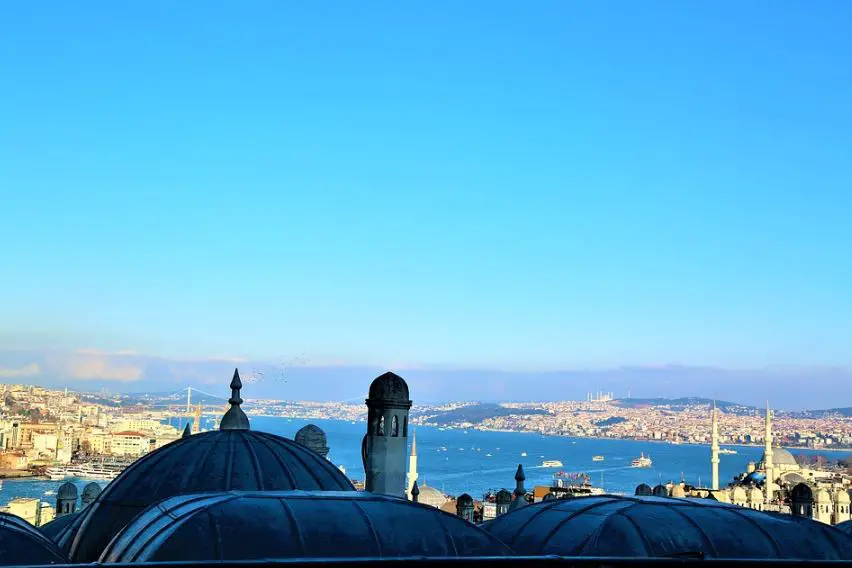
10 Best Cities in Turkey to Visit | Major Cities in Turkey
Turkey cities are surrounded by eight different European nations, Turkey is a dazzling destination located in Western Asia and a little bit in Southeast Europe. You will see here antiquated landscapes, enriched with staggering Roman vestiges, favored with captivating shorelines, … Continue reading
The post 10 Best Cities in Turkey to Visit | Major Cities in Turkey appeared first on World Tour & Travel Guide, Get Travel Tips, Information, Discover Travel Destination | Adequate Travel.
Read More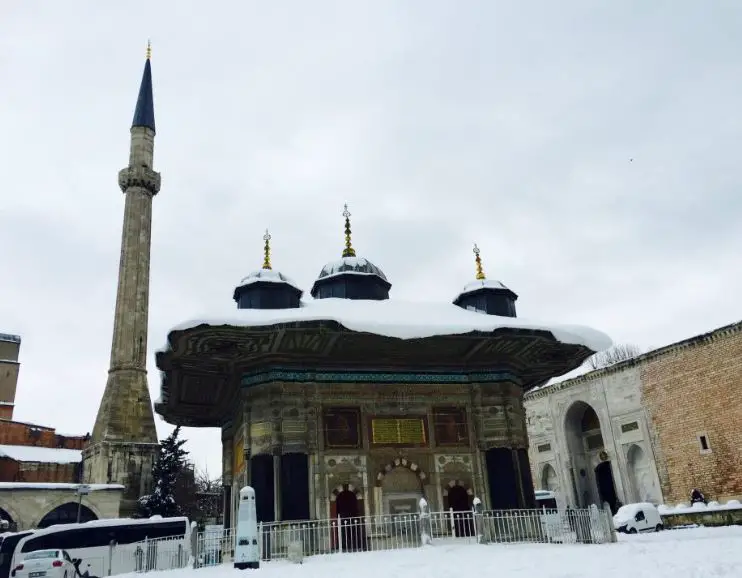
The 17 Famous Monuments in Istanbul Turkey | Most Visited Monuments in Istanbul
Istanbul is Turkey’s rich historical land that is appraised for its packed lanes, elaborate architecture, and balloon-filled skies. It is home to a number of world-famous monuments in Istanbul. Ottomans, Romans, and Byzantines all have left a mark in this … Continue reading
The post The 17 Famous Monuments in Istanbul Turkey | Most Visited Monuments in Istanbul appeared first on World Tour & Travel Guide, Get Travel Tips, Information, Discover Travel Destination | Adequate Travel.
Read More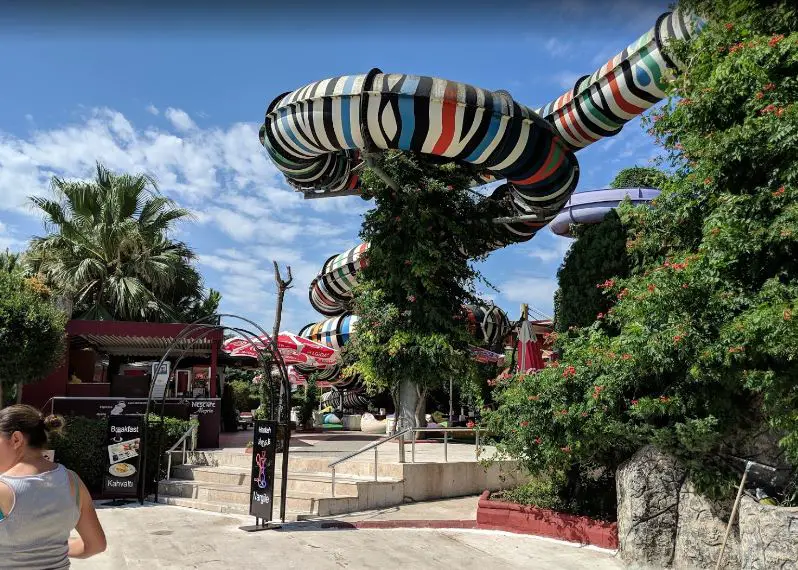
Best Theme Parks in Istanbul Turkey | Popular Amusement Parks in Istanbul
A trip to an amusement park in Istanbul with your family and friends creates one-of-a-kind adventure experiences and memories. It provides you with a unique opportunity to have a laugh or two with entirely new people and interact with each … Continue reading
The post Best Theme Parks in Istanbul Turkey | Popular Amusement Parks in Istanbul appeared first on World Tour & Travel Guide, Get Travel Tips, Information, Discover Travel Destination | Adequate Travel.
Read More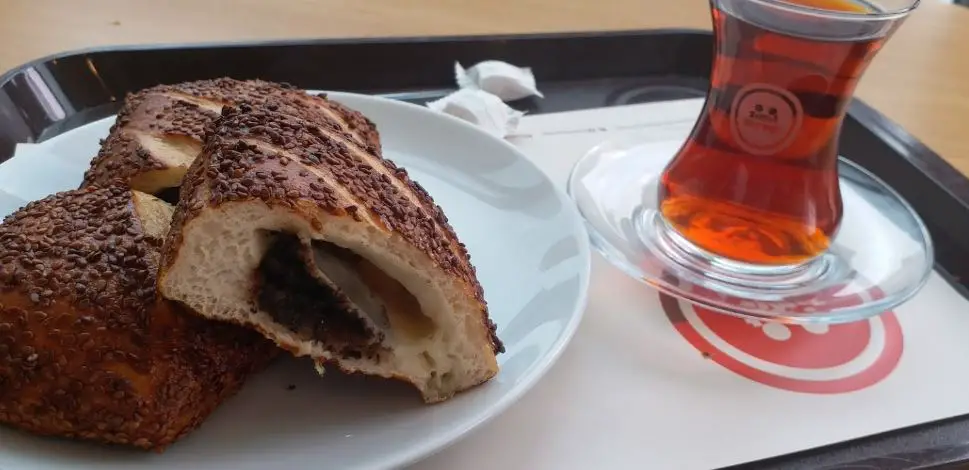
Best Foods to Try in Istanbul Turkey | Popular Foods in Istanbul
Istanbul upholds a very diverse community of people who range from modern European to an old classic Asian. So a plethora of palette is served which ranks among the top foods in Istanbul. You must hold a big appetite to … Continue reading
The post Best Foods to Try in Istanbul Turkey | Popular Foods in Istanbul appeared first on World Tour & Travel Guide, Get Travel Tips, Information, Discover Travel Destination | Adequate Travel.
Read More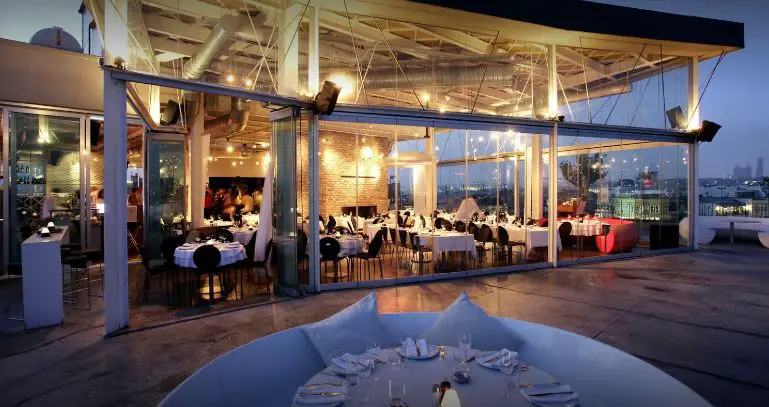
Top 10 Restaurants in Istanbul | Best Places to Eat in Istanbul Turkey
Restaurants in Istanbul can range from being exceptionally higher to extraordinarily cheap. So, you have to decide which flavor you want to explore more. As the amount served is never less in Turkish cuisine. They are very connected with their … Continue reading
The post Top 10 Restaurants in Istanbul | Best Places to Eat in Istanbul Turkey appeared first on World Tour & Travel Guide, Get Travel Tips, Information, Discover Travel Destination | Adequate Travel.
Read More
Best Beaches in Istanbul Turkey | Top 10 Beaches in Istanbul
Istanbul is washed up on the shores by the Marmara and Black seas which are linked by the Bosphorus and many small islands. Istanbul’s famous beaches are served with popular seafood and various beach sports in Turkey. Since Istanbul is … Continue reading
The post Best Beaches in Istanbul Turkey | Top 10 Beaches in Istanbul appeared first on World Tour & Travel Guide, Get Travel Tips, Information, Discover Travel Destination | Adequate Travel.
Read More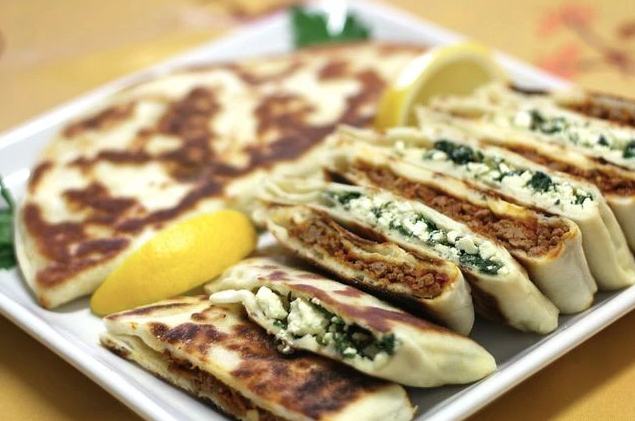
10 Best Foods in Antalya | Famous Foods to Eat in Antalya, Turkey
Antalya is the port city of Turkey that is famous for its refreshing coastlines and the delicious foods they serve. This city is known as the ‘Turquoise Coast’ of Turkey due to its blue waters. There are numerous places here … Continue reading
The post 10 Best Foods in Antalya | Famous Foods to Eat in Antalya, Turkey appeared first on World Tour & Travel Guide, Get Travel Tips, Information, Discover Travel Destination | Adequate Travel.
Read More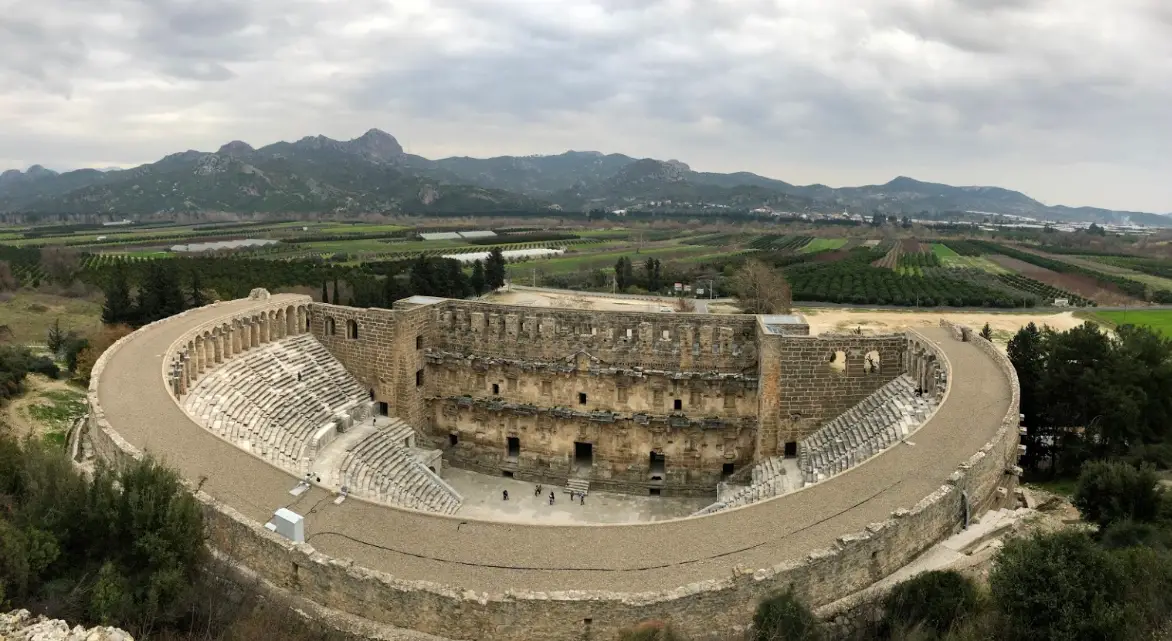
Discover What Antalya is Known for? | Why Antalya Turkey is Famous For
Antalya is known as the Turquoise Coast of Turkey due to its fresh blue waters that mesmerize every traveler visiting this port town. Antalya is popular for being the best Roman heritage collector of Western Turkey that sings the ballads … Continue reading
The post Discover What Antalya is Known for? | Why Antalya Turkey is Famous For appeared first on World Tour & Travel Guide, Get Travel Tips, Information, Discover Travel Destination | Adequate Travel.
Read More
What to Buy in Antalya Turkey | Best Things to Buy in Antalya
The ending times of any vacation are always hard especially when you are in Antalya that is considered as the most beautiful city of Turkey, not only because you have to finally return to your boring life again but this … Continue reading
The post What to Buy in Antalya Turkey | Best Things to Buy in Antalya appeared first on World Tour & Travel Guide, Get Travel Tips, Information, Discover Travel Destination | Adequate Travel.
Read More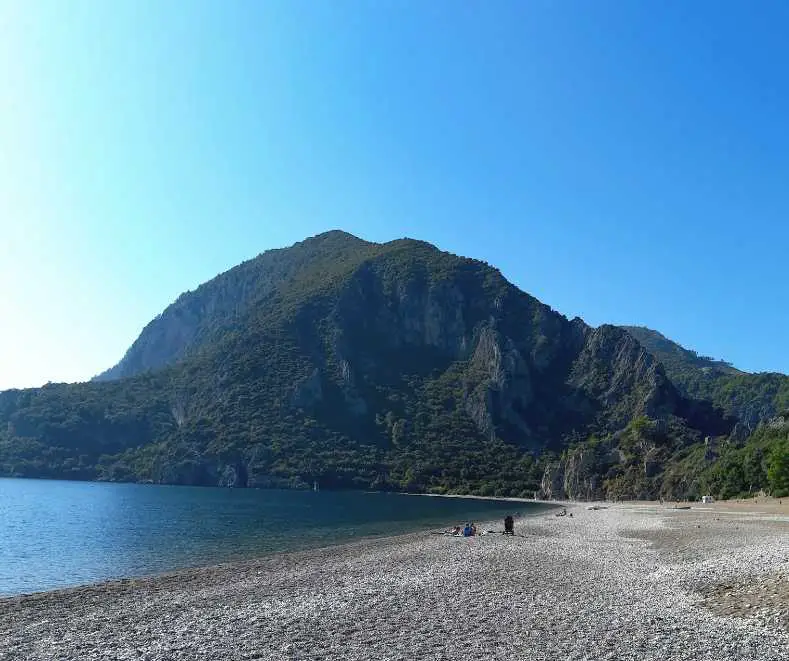
10 Best Beaches in Antalya Turkey | Famous Beaches to Visit in Antalya
Antalya is the best port city of Turkey that has some of the best historical monuments all laced up near the best beaches in Antalya that embellish every aspect of this city through their refreshing vibes and carefree cultures. You … Continue reading
The post 10 Best Beaches in Antalya Turkey | Famous Beaches to Visit in Antalya appeared first on World Tour & Travel Guide, Get Travel Tips, Information, Discover Travel Destination | Adequate Travel.
Read More