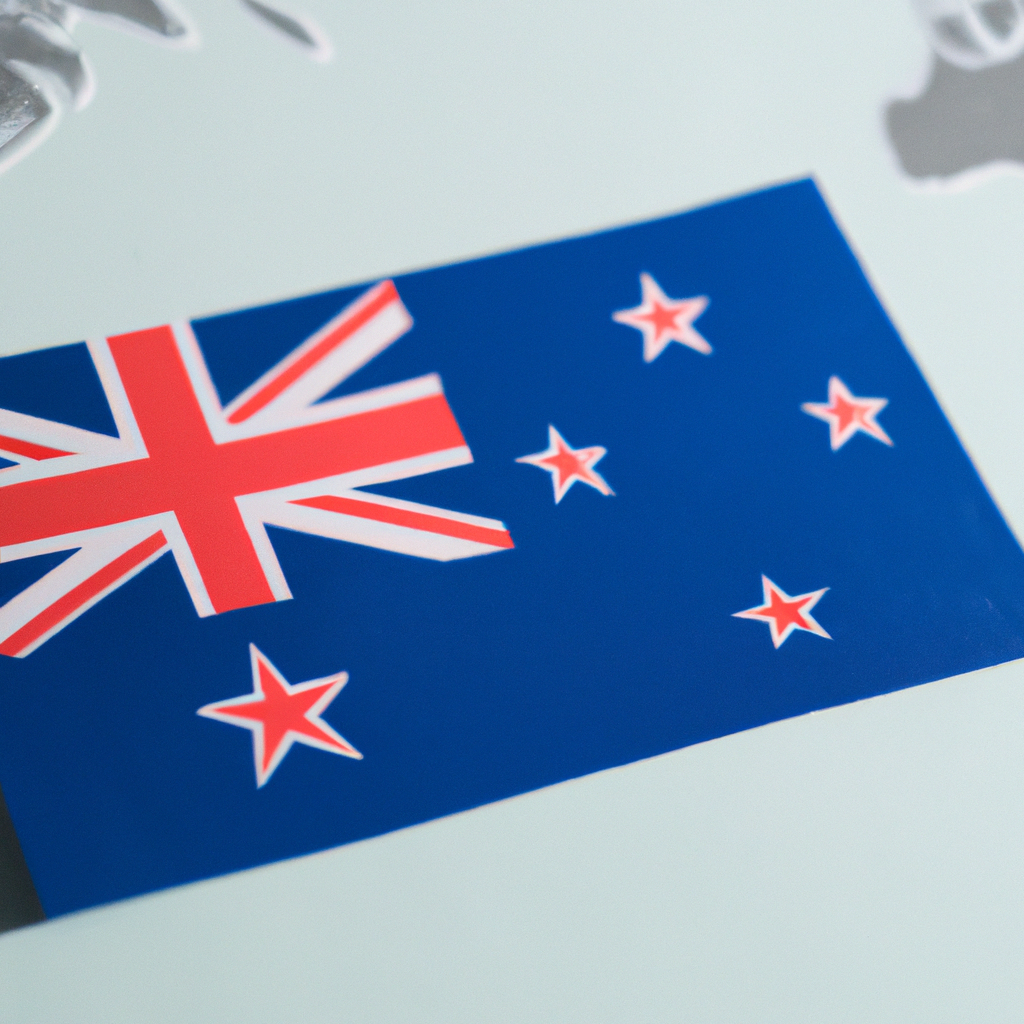
What is Waitangi Day, and how is it celebrated?

Post ByAdequate Travel
Summary
Waitangi Day is a significant event for New Zealand, as it marks the day that the Treaty of Waitangi was signed in 1840. The treaty ultimately established between the Crown and Maori people that New Zealand would be a British colony, and it would be a day of commemoration and celebration of the unique relationship and rich cultural heritage of Maori. In this blog, we will explore what Waitangi Day is and how it is celebrated. It's essential to stay updated with international travel information, especially when planning a foreign trip, to navigate any changes in travel advisory or travel warnings.What is Waitangi Day?
Waitangi Day is a national holiday in New Zealand that commemorates the signing of the Treaty of Waitangi between the British Crown and Māori chiefs on February 6, 1840. The treaty is considered as the founding document of New Zealand and established the principles of partnership, participation, and protection between the Māori people and the British government.
How is it celebrated?
1. Waitangi Day is celebrated throughout New Zealand with various events and activities, both formal and informal.
2. The main focus of the celebrations is at the Waitangi Treaty Grounds in the Bay of Islands, where the treaty was originally signed. The grounds host a series of cultural performances, traditional ceremonies, and speeches by political leaders.
3. The formal ceremonies begin with a dawn service, which includes prayers, speeches, and the raising of the New Zealand flag.
4. Following the dawn service, a traditional ceremonial waka (canoe) paddling takes place, showcasing Māori culture and heritage.
5. Throughout the day, there are various cultural displays, including traditional Māori arts and crafts, performances of haka (traditional war dance), music, and storytelling.
6. Many local communities organize their own Waitangi Day celebrations, which often involve Māori cultural performances, food stalls offering traditional cuisine, and entertainment for families.
7. Sports events, such as rugby and cricket matches, are also commonly held on Waitangi Day, bringing communities together for friendly competition.
8. Some people choose to spend the day reflecting on the history and significance of the Treaty of Waitangi, participating in discussions and debates about its implementation and relevance in modern New Zealand society.
9. The holiday also provides an opportunity to acknowledge and celebrate the diversity of cultures in New Zealand, with many events promoting multiculturalism and inclusivity.
Overall, Waitangi Day is a day of commemoration, reflection, cultural appreciation, and community celebration. It holds great importance in recognizing New Zealand's bicultural heritage and the ongoing journey of reconciliation between Māori and non-Māori communities.
Keep in mind that travel guidelines and travel rules may change anytime, so regularly check for updates to ensure a hassle-free and memorable travel experience.Suggested Questions
- Dunedin Railway Station, Dunedin: Horror Story, History & Paranomial Activities
- The Wellington Central Library, Wellington: Horror Story, History & Paranomial Activities
- The Addington Cemetery, Christchurch: Horror Story, History & Paranomial Activities
- Wellington Opera House, Wellington: Horror Story, History & Paranomial Activities
- Highwic House, Auckland: Horror Story, History & Paranomial Activities
- The Clyde Manor, Wellington: Horror Story, History & Paranomial Activities
Questions new-zealand
You may also like

15 Best Women Travel Bags: Reviewed & Tested- Get Expert Advice
Get the list of 15 best traveling bags for women. Know the size, material, durability, and other features of the bags.
Read More
12 Best Beaches in Uluwatu | Popular Uluwatu Beaches
Discover the allure of Uluwatu Beaches. Here is the list of the 12 best beaches in Uluwatu that will let you explore the best of Uluwatu's coastal treasures.
Read More
What are the best practices for responsible wildlife viewing in Canada?
Discover essential tips for responsible wildlife viewing in Canada. Respect habitats, minimize disturbances, and support conservation efforts. Start here!
Read More
Things to do in bali.
Looking for the best things to do in Bali? Here we have curated the best things and places to visit in Bali on your vacation.
Read More
Are there any eco-friendly transportation options for traveling between provinces in Canada?
From electric vehicles and buses to cycling and passenger trains, find eco-friendly ways to journey across the country. Start your green adventure today!
Read More
Are there any cultural considerations when seeking healthcare in Canada?
Let’s discuss the complexities of cultural considerations in Canadian healthcare. Explore language barriers, cultural beliefs, family dynamics, and access issues.
Read More
Can you recommend some basic Thai phrases for travellers?
In this article, we have included some of the easy and basic local Thai language for beginners.
Read More
What is the process for extending my stay if my treatment takes longer than expected in Canada?
Know the step-by-step process for extending your stay abroad if your medical treatment surpasses the initial timeline. Learn to manage unexpected situations with ease.
Read More
US Travel Advisory for Jamaica: Warns its travelers to reconsider visits
The US Embassy in Jamaica has issued a warning of armed robberies, home invasion, homicides, sexual assault, and other such violent crimes.
Read More
How do I handle transportation and accommodation arrangements during my medical trip?
Discover essential tips for managing transportation and accommodation arrangements seamlessly during your medical trip to Canada.
Read More