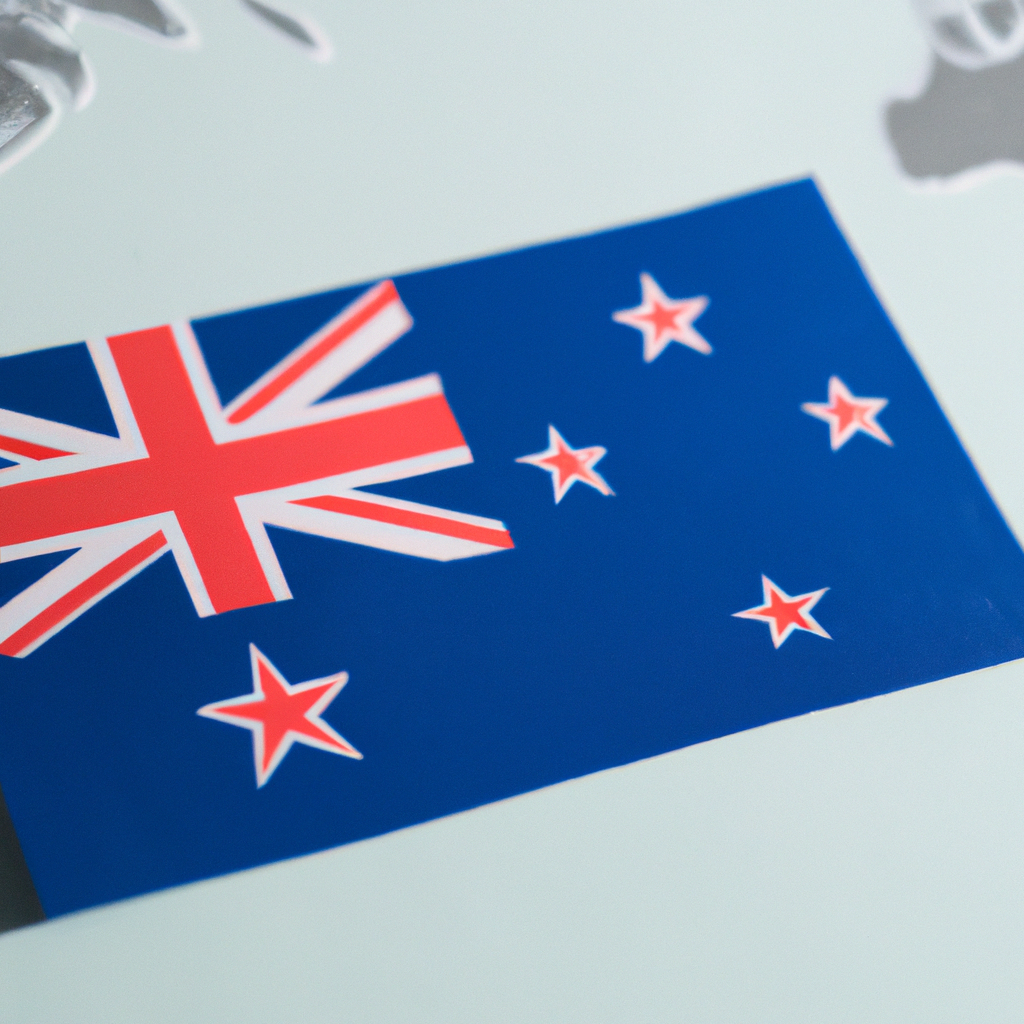
What is the climate like in the Fiordland region?

Post ByAdequate Travel
Summary
The Fiordland region of New Zealand is an area of stunning beauty with a unique combination of mountains, rainforest, and alpine lakes. It is also home to some of the most extreme climate conditions in the country, from dense snow and freezing temperatures to hot and humid summers. In this blog post, we dive into the climate of the Fiordland region to help you better understand this diverse environment. While planning your trip, take note of any travel restrictions that may impact your itinerary, such as limited access to certain regions or attractions.Climate in the Fiordland region:
- Mild Temperatures: The Fiordland region experiences relatively mild temperatures throughout the year. In summer (December to February), temperatures range from 15°C to 25°C (59°F to 77°F), while winter temperatures (June to August) range from 5°C to 10°C (41°F to 50°F).
- High Annual Rainfall: Fiordland is known for its high annual rainfall, with an average of 200 days of rain per year. The region receives an average rainfall of 6,412 mm (252 inches), making it one of the wettest places in New Zealand and the world. The rain is responsible for the lush green landscapes and numerous waterfalls that characterize the area.
- Temperate Rainforest: The Fiordland region is dominated by temperate rainforest, which thrives in the damp and mild conditions. The abundant rainfall supports the growth of dense vegetation, including tall trees, ferns, moss, and lichens. The rainforest contributes to the unique biodiversity found in Fiordland National Park.
- Cool Summers: Despite being in a temperate zone, the summer temperatures in Fiordland are relatively cool. This is mainly due to the influence of the surrounding ocean and the prevailing westerly winds. While it can get warm during the day, the cool oceanic currents keep the temperatures lower compared to other regions at similar latitudes.
- Changeable Weather: The Fiordland region is known for its unpredictable and changeable weather. The mountains and fjords create microclimates, leading to sudden weather shifts, even in a short span of time. It is not uncommon to experience sunshine, rain, wind, and fog all in a single day. Visitors are advised to be prepared for varying weather conditions and carry appropriate clothing and equipment.
- Snowfall in Winter: During winter, the Fiordland region experiences snowfall in the higher altitudes. The mountain peaks and alpine areas are often covered with snow, creating a stunning winter landscape. Snow adds to the beauty of the fjords and offers opportunities for winter activities such as skiing and snowboarding.
Before embarking on your journey to new-zealand, make sure to check the latest travel guidelines and entry requirements to ensure a smooth tripSuggested Questions
- The Blue Spur Lodge, Hokitika: Horror Story, History & Paranomial Activities
- The Whanganui River, Whanganui: Horror Story, History & Paranomial Activities
- The St. Bathans Jail, St. Bathans: Horror Story, History & Paranomial Activities
- The Clearwater Resort, Christchurch: Horror Story, History & Paranomial Activities
- Lyttelton Gaol, Lyttelton: Horror Story, History & Paranomial Activities
- Oamaru Jail, Oamaru: Horror Story, History & Paranomial Activities
Questions new-zealand
You may also like

15 Best Women Travel Bags: Reviewed & Tested- Get Expert Advice
Get the list of 15 best traveling bags for women. Know the size, material, durability, and other features of the bags.
Read More
12 Best Beaches in Uluwatu | Popular Uluwatu Beaches
Discover the allure of Uluwatu Beaches. Here is the list of the 12 best beaches in Uluwatu that will let you explore the best of Uluwatu's coastal treasures.
Read More
What are the best practices for responsible wildlife viewing in Canada?
Discover essential tips for responsible wildlife viewing in Canada. Respect habitats, minimize disturbances, and support conservation efforts. Start here!
Read More
Things to do in bali.
Looking for the best things to do in Bali? Here we have curated the best things and places to visit in Bali on your vacation.
Read More
Are there any eco-friendly transportation options for traveling between provinces in Canada?
From electric vehicles and buses to cycling and passenger trains, find eco-friendly ways to journey across the country. Start your green adventure today!
Read More
Are there any cultural considerations when seeking healthcare in Canada?
Let’s discuss the complexities of cultural considerations in Canadian healthcare. Explore language barriers, cultural beliefs, family dynamics, and access issues.
Read More
Can you recommend some basic Thai phrases for travellers?
In this article, we have included some of the easy and basic local Thai language for beginners.
Read More
What is the process for extending my stay if my treatment takes longer than expected in Canada?
Know the step-by-step process for extending your stay abroad if your medical treatment surpasses the initial timeline. Learn to manage unexpected situations with ease.
Read More
US Travel Advisory for Jamaica: Warns its travelers to reconsider visits
The US Embassy in Jamaica has issued a warning of armed robberies, home invasion, homicides, sexual assault, and other such violent crimes.
Read More
How do I handle transportation and accommodation arrangements during my medical trip?
Discover essential tips for managing transportation and accommodation arrangements seamlessly during your medical trip to Canada.
Read More