What are the visa requirements for working or studying?

Post ByAdequate Travel
Summary
Are you considering working or studying in another country? Visa requirements -- specific documents, validities and approaches that must be met by an applicant -- can be complex but are essential to gaining entry. This blog will discuss key questions to consider when researching the visa requirements for working or studying abroad. While planning your trip, take note of any travel restrictions that may impact your itinerary, such as limited access to certain regions or attractions.Visa Requirements for Working:
1. Employment Offer: You will typically need a job offer from a company or organization in the country you wish to work in. This offer should include details about the position, salary, and duration of employment. 2. Work Permit: In many countries, you will need a work permit or visa specifically for employment purposes. This usually involves providing documentation such as a job contract, passport, and relevant qualifications to the immigration authorities. 3. Sponsorship: Some countries require a sponsor, which could be your employer, to support your visa application. The sponsor will usually have to demonstrate that there are no local candidates available for the job and that hiring a foreign worker is necessary. 4. Language Proficiency: Depending on the country, you may need to demonstrate your proficiency in the local language, especially if it is a requirement for the job. This can be done through language tests like TOEFL or IELTS.Examples:
Example 1: John has been offered a job as a software engineer in Germany. His employer provides a job offer letter and acts as his sponsor for the visa. John applies for a work visa at the German embassy in his home country, providing all necessary documents, including his employment contract and qualifications.Example 2: Maria wants to work as a nurse in Canada. She applies for a job at a Canadian hospital and undergoes the necessary language proficiency tests to prove her English skills. Once she receives a job offer, Maria applies for a work permit through the Canadian immigration system, providing all required documents.Visa Requirements for Studying:
1. Acceptance Letter: To study abroad, you will need an acceptance letter from a recognized educational institution in the country you intend to study in. This letter confirms that you have been accepted into the program and includes details such as the course duration and start date.2. Student Visa: Most countries have specific student visas that allow foreign individuals to study within their borders. You will need to apply for this visa, usually through the consulate or embassy, and provide supporting documents like your acceptance letter, proof of financial stability, and health insurance coverage.3. Financial Proof: To study abroad, you will typically need to demonstrate that you have enough funds to cover tuition fees, living expenses, and other related costs. This can be done through bank statements, scholarship letters, or financial aid documentation.4. Health and Travel Insurance: Many countries require international students to have health and travel insurance. You may need to provide proof of insurance coverage during your visa application.Examples:
Example 1: Sarah has been accepted into a Master's program at a university in Australia. She applies for a student visa at the Australian consulate in her home country, providing her acceptance letter, financial documents, and proof of health insurance.Example 2: Ahmed wants to study finance in the United States. He applies to different universities and receives acceptance letters from two of them. Ahmed chooses the university he prefers and applies for a student visa through the U.S. embassy in his home country, submitting his acceptance letter, financial proof, and other required documents.Before embarking on your journey to new-zealand, make sure to check the latest travel guidelines and entry requirements to ensure a smooth tripSuggested Questions
- Napier Courthouse, Napier: Horror Story, History & Paranomial Activities
- The Old Stone Butter Factory, Whangarei: Horror Story, History & Paranomial Activities
- The Blue Spur Lodge, Hokitika: Horror Story, History & Paranomial Activities
- The St. Paul's Cathedral, Dunedin: Horror Story, History & Paranomial Activities
- The Napier Fire Station, Napier: Horror Story, History & Paranomial Activities
- The Old Customhouse, New Plymouth: Horror Story, History & Paranomial Activities
Questions new-zealand
You may also like
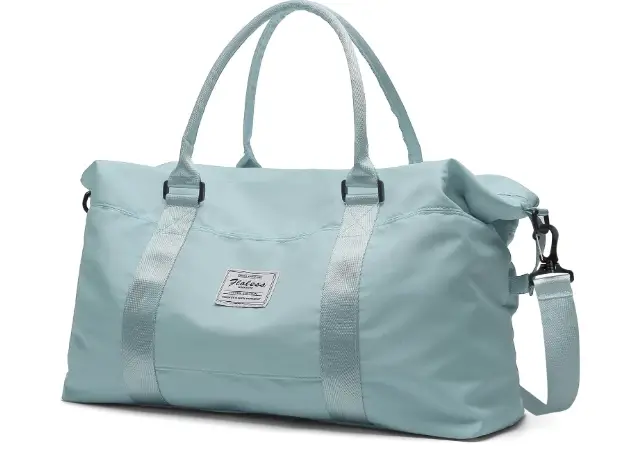
15 Best Women Travel Bags: Reviewed & Tested- Get Expert Advice
Get the list of 15 best traveling bags for women. Know the size, material, durability, and other features of the bags.
Read More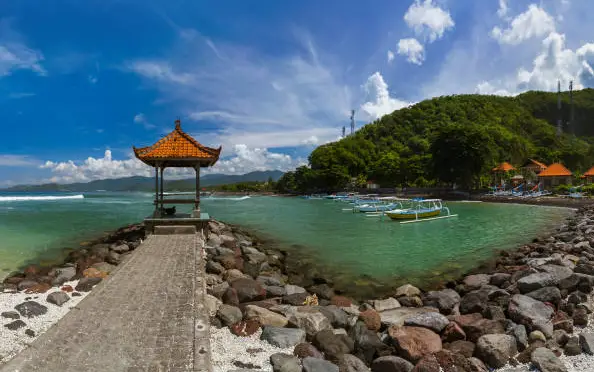
12 Best Beaches in Uluwatu | Popular Uluwatu Beaches
Discover the allure of Uluwatu Beaches. Here is the list of the 12 best beaches in Uluwatu that will let you explore the best of Uluwatu's coastal treasures.
Read More
What are the best practices for responsible wildlife viewing in Canada?
Discover essential tips for responsible wildlife viewing in Canada. Respect habitats, minimize disturbances, and support conservation efforts. Start here!
Read More
Things to do in bali.
Looking for the best things to do in Bali? Here we have curated the best things and places to visit in Bali on your vacation.
Read More
Are there any eco-friendly transportation options for traveling between provinces in Canada?
From electric vehicles and buses to cycling and passenger trains, find eco-friendly ways to journey across the country. Start your green adventure today!
Read More
Are there any cultural considerations when seeking healthcare in Canada?
Let’s discuss the complexities of cultural considerations in Canadian healthcare. Explore language barriers, cultural beliefs, family dynamics, and access issues.
Read More
Can you recommend some basic Thai phrases for travellers?
In this article, we have included some of the easy and basic local Thai language for beginners.
Read More
What is the process for extending my stay if my treatment takes longer than expected in Canada?
Know the step-by-step process for extending your stay abroad if your medical treatment surpasses the initial timeline. Learn to manage unexpected situations with ease.
Read More
US Travel Advisory for Jamaica: Warns its travelers to reconsider visits
The US Embassy in Jamaica has issued a warning of armed robberies, home invasion, homicides, sexual assault, and other such violent crimes.
Read More
How do I handle transportation and accommodation arrangements during my medical trip?
Discover essential tips for managing transportation and accommodation arrangements seamlessly during your medical trip to Canada.
Read More