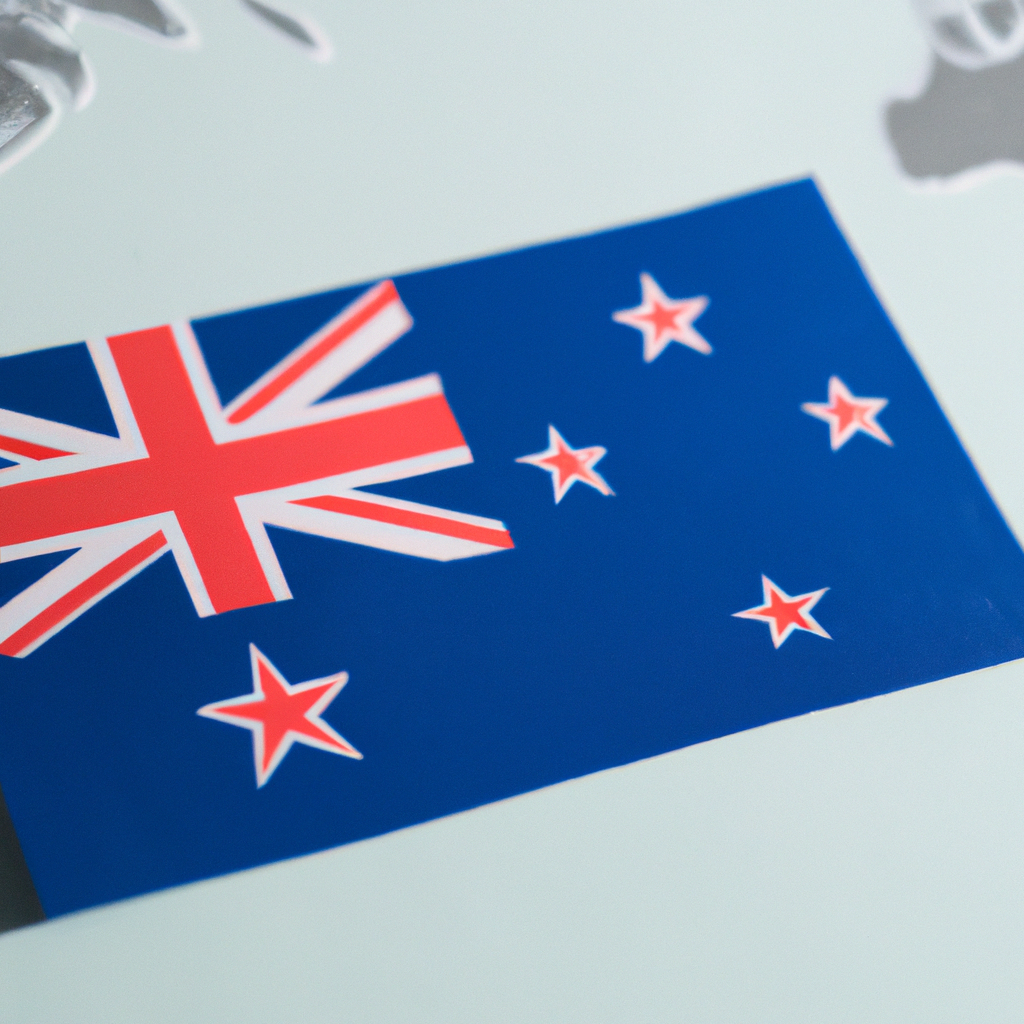
What are the customs and entry procedures at New Zealand airports?

Post ByAdequate Travel
Summary
New Zealand is known for its picturesque landscapes, culture, and hospitality. But before experiencing its wonders, travelers need to be aware of the customs and entry procedures at its airports. This blog post explains what to expect from New Zealand airports upon your arrival. Before embarking on your journey to new-zealand, make sure to check the latest travel guidelines and entry requirements to ensure a smooth tripCustoms and Entry Procedures at New Zealand Airports
1. Immigration and Passport Control:
Upon arrival in New Zealand, all passengers are required to go through immigration and passport control. You will need to present a valid passport and any necessary visas to enter the country.
Example: Present your passport to the immigration officer and answer any questions they may have about your travel itinerary or purpose of visit.
2. Biosecurity Check:
New Zealand is strict about protecting its unique flora and fauna. Passengers must declare any items that could pose a biosecurity risk, such as food, plants, or animal products. These items will be inspected, and any prohibited items will be confiscated.
Example: Declare any fruits or vegetables you may be carrying and follow the instructions of the biosecurity officer during the inspection process.
3. Customs Declaration:
All passengers need to complete a customs declaration form upon arrival. This form requires you to declare any goods that exceed duty-free allowances, such as alcohol, tobacco, or valuable items. It is important to be honest and accurate when filling out this form.
Example: If you purchased expensive electronics overseas, declare them on the customs declaration form and provide the necessary receipts.
4. Goods to Declare and Red Channel:
If you have goods to declare or need to pay duty on certain items, you should go through the "Goods to Declare" or "Red Channel" area. Here, your luggage may be inspected, and you may have to pay applicable duties or taxes.
Example: If you are carrying more than the allowed amount of alcohol, proceed to the "Red Channel" and follow the instructions provided by customs officers.
5. Automated Border Control:
New Zealand airports offer automated border control systems for eligible travelers. These systems use ePassport gates, which allow faster processing for passengers with biometric passports from select countries.
Example: If you hold a biometric passport from an eligible country, look for the signs indicating ePassport gates and follow the instructions on how to use them.
6. Prohibited and Restricted Goods:
New Zealand has strict rules regarding the importation of certain goods. It is important to familiarize yourself with the list of prohibited and restricted items before arriving in the country to avoid any issues at the airport.
Example: Items such as illicit drugs, weapons, certain types of medications, and endangered species products are strictly prohibited in New Zealand.
7. Departure Formalities:
When leaving New Zealand, you will need to go through security checks before entering the departure lounge. Ensure you have all necessary documentation, such as your passport and boarding pass, readily available for inspection.
Example: Remove any liquids or electronics from your carry-on bag and place them in a separate tray during the security screening process.
It's essential to stay updated with international travel information, especially when planning a foreign trip, to navigate any changes in travel advisory or travel warnings.Suggested Questions
- Waipuna Hotel, Auckland: Horror Story, History & Paranomial Activities
- The Cursed Mountain, Mount Taranaki: Horror Story, History & Paranomial Activities
- Old St. Michael's Church, Christchurch: Horror Story, History & Paranomial Activities
- The Thistle Inn, Wellington: Horror Story, History & Paranomial Activities
- Bell Hill, Dunedin: Horror Story, History & Paranomial Activities
- Otago Boys' High School, Dunedin: Horror Story, History & Paranomial Activities
Questions new-zealand
You may also like
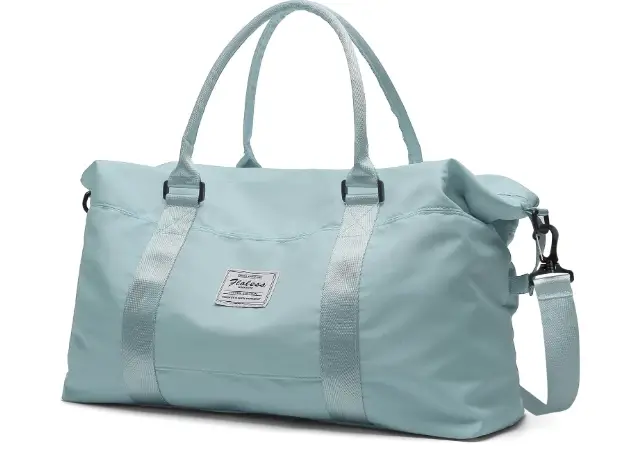
15 Best Women Travel Bags: Reviewed & Tested- Get Expert Advice
Get the list of 15 best traveling bags for women. Know the size, material, durability, and other features of the bags.
Read More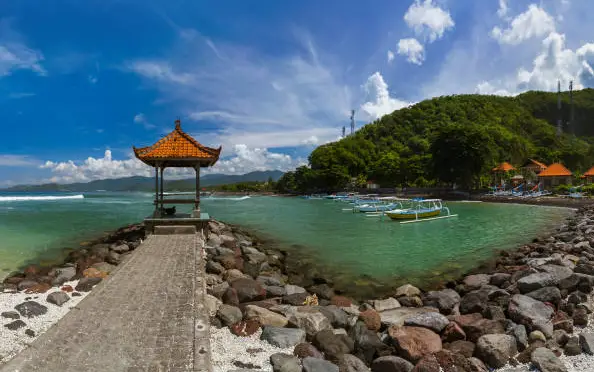
12 Best Beaches in Uluwatu | Popular Uluwatu Beaches
Discover the allure of Uluwatu Beaches. Here is the list of the 12 best beaches in Uluwatu that will let you explore the best of Uluwatu's coastal treasures.
Read More
What are the best practices for responsible wildlife viewing in Canada?
Discover essential tips for responsible wildlife viewing in Canada. Respect habitats, minimize disturbances, and support conservation efforts. Start here!
Read More
Things to do in bali.
Looking for the best things to do in Bali? Here we have curated the best things and places to visit in Bali on your vacation.
Read More
Are there any eco-friendly transportation options for traveling between provinces in Canada?
From electric vehicles and buses to cycling and passenger trains, find eco-friendly ways to journey across the country. Start your green adventure today!
Read More
Are there any cultural considerations when seeking healthcare in Canada?
Let’s discuss the complexities of cultural considerations in Canadian healthcare. Explore language barriers, cultural beliefs, family dynamics, and access issues.
Read More
Can you recommend some basic Thai phrases for travellers?
In this article, we have included some of the easy and basic local Thai language for beginners.
Read More
What is the process for extending my stay if my treatment takes longer than expected in Canada?
Know the step-by-step process for extending your stay abroad if your medical treatment surpasses the initial timeline. Learn to manage unexpected situations with ease.
Read More
US Travel Advisory for Jamaica: Warns its travelers to reconsider visits
The US Embassy in Jamaica has issued a warning of armed robberies, home invasion, homicides, sexual assault, and other such violent crimes.
Read More
How do I handle transportation and accommodation arrangements during my medical trip?
Discover essential tips for managing transportation and accommodation arrangements seamlessly during your medical trip to Canada.
Read More