Photography and Filming: 143. Are there any restrictions on photography in certain areas?

Post ByAdequate Travel
Summary
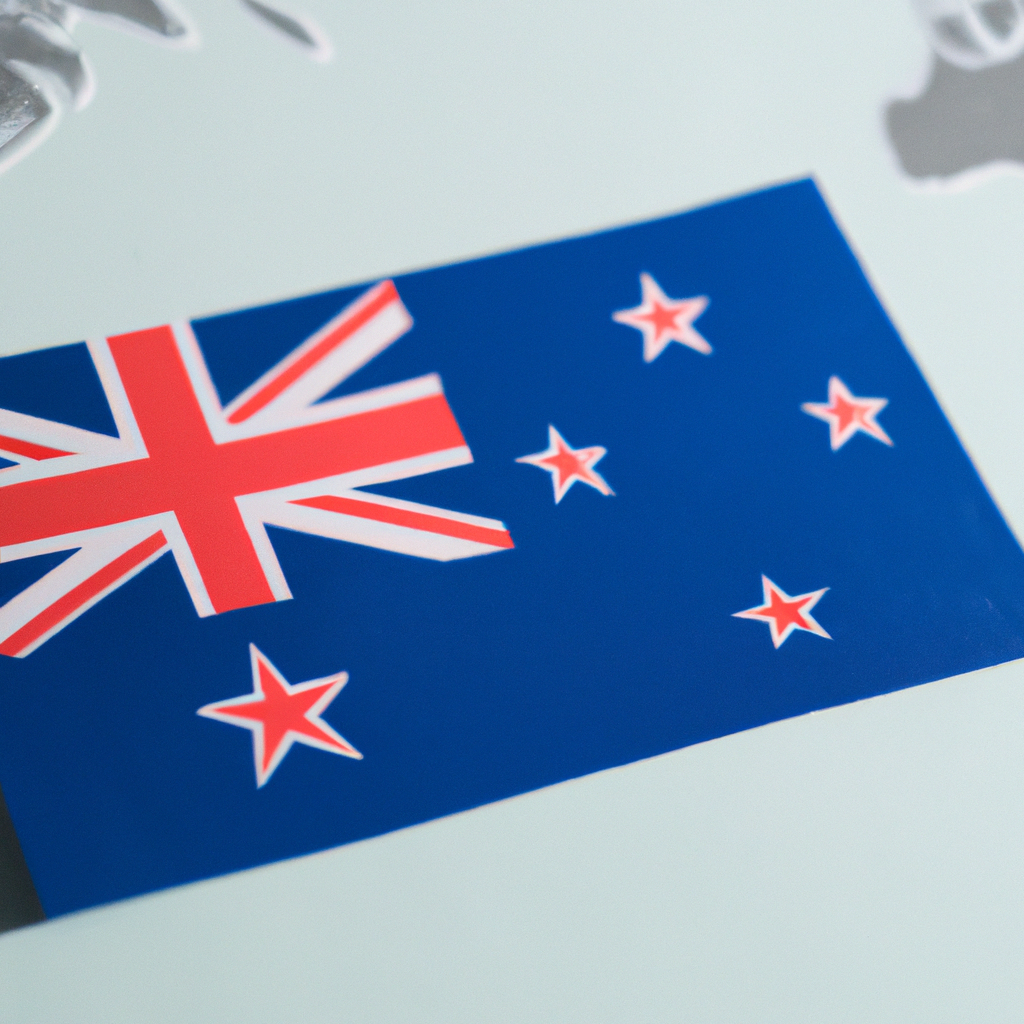
Have you ever wanted to take pictures for fun or to capture a moment while you are out and about? There are some places, however, where photography might be restricted, depending on the area and the purpose of the photos. This blog will explore the restrictions on photography in certain areas and whether or not photographers need to be mindful of the rules and regulations. Before embarking on your journey to new-zealand, make sure to check the latest travel guidelines and entry requirements to ensure a smooth tripRestrictions on Photography in Certain Areas
1. Public Buildings and Infrastructure: In certain areas, photography may be restricted or prohibited in public buildings, monuments, or infrastructure facilities for security reasons. For example, photographing airports, government buildings, military installations, or certain sensitive areas like power plants or transportation hubs may be restricted.
2. Private Property: Photography on private property is subject to the property owner's rules and regulations. Some locations may require prior permission or permits for photography, especially in cases where commercial photography is involved. Examples include shooting inside malls, museums, or tourist attractions that are privately owned.
3. National Parks and Wildlife Reserves: While photography is generally allowed in national parks and wildlife reserves, there may be specific restrictions in place to protect wildlife or delicate habitats. For instance, drones may be prohibited, or getting too close to certain animals may be restricted to avoid disturbing them.
4. Cultural or Religious Sites: Photography restrictions can also be found in culturally sensitive or religious sites. For instance, some temples, churches, or sacred sites may limit photography or require special permits, especially during ceremonies or events.
5. Events and Performances: Photography at concerts, theater performances, or sporting events may be restricted to protect copyrights or prevent disruption. Recording devices such as professional cameras or audio equipment may be prohibited, while limited photography with personal devices might be permitted.
6. Sensitive Locations: Certain areas, such as hospitals, courtrooms, or schools, may have restrictions on photography to maintain privacy and security. Taking photographs without consent in these environments can be prohibited and may result in legal consequences.
It is important to note that restrictions on photography can vary depending on local regulations, property rules, or specific circumstances. Always follow posted signs, seek permission when necessary, and respect the privacy and security concerns of each location.
Travellers can find valuable travel information for tourists, such as local customs, must-see attractions, and dining recommendations, to make the most of their trip.Suggested Questions
- St. James Presbyterian Church, Auckland: Horror Story, History & Paranomial Activities
- Whanganui Opera House, Whanganui: Horror Story, History & Paranomial Activities
- The Seaview Hospital, Hokitika: Horror Story, History & Paranomial Activities
- The New Zealand Portrait Gallery, Wellington: Horror Story, History & Paranomial Activities
- The Glassworks Museum, Whakatane: Horror Story, History & Paranomial Activities
- The Wellington Museum, Wellington: Horror Story, History & Paranomial Activities
Questions new-zealand
You may also like
15 Best Women Travel Bags: Reviewed & Tested- Get Expert Advice
Get the list of 15 best traveling bags for women. Know the size, material, durability, and other features of the bags.
Read More
12 Best Beaches in Uluwatu | Popular Uluwatu Beaches
Discover the allure of Uluwatu Beaches. Here is the list of the 12 best beaches in Uluwatu that will let you explore the best of Uluwatu's coastal treasures.
Read More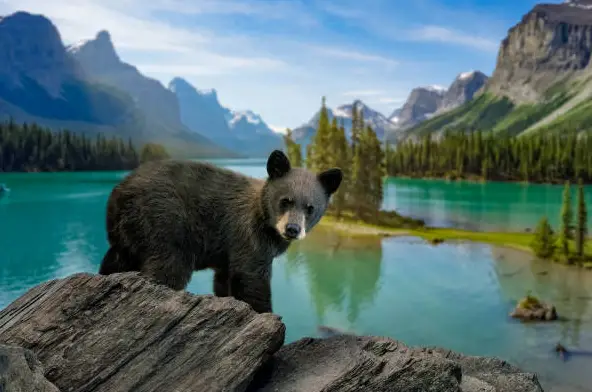
What are the best practices for responsible wildlife viewing in Canada?
Discover essential tips for responsible wildlife viewing in Canada. Respect habitats, minimize disturbances, and support conservation efforts. Start here!
Read More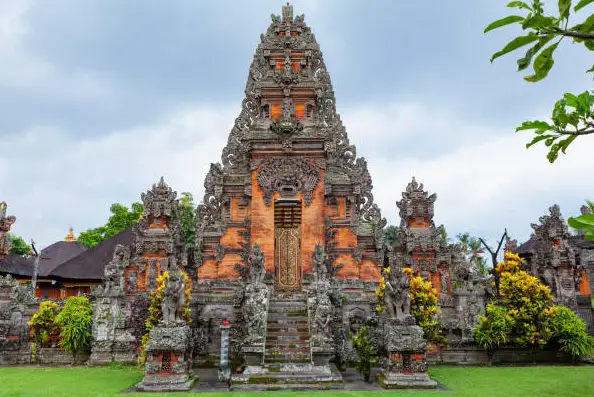
Things to do in bali.
Looking for the best things to do in Bali? Here we have curated the best things and places to visit in Bali on your vacation.
Read More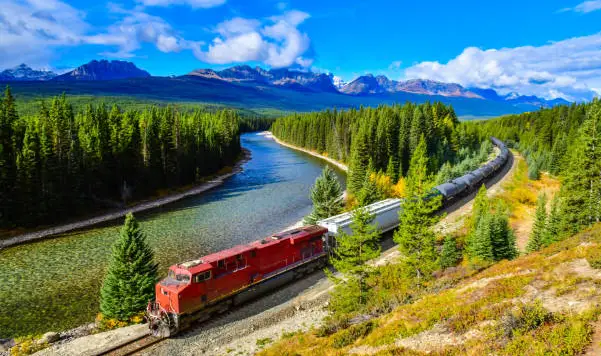
Are there any eco-friendly transportation options for traveling between provinces in Canada?
From electric vehicles and buses to cycling and passenger trains, find eco-friendly ways to journey across the country. Start your green adventure today!
Read More
Are there any cultural considerations when seeking healthcare in Canada?
Let’s discuss the complexities of cultural considerations in Canadian healthcare. Explore language barriers, cultural beliefs, family dynamics, and access issues.
Read More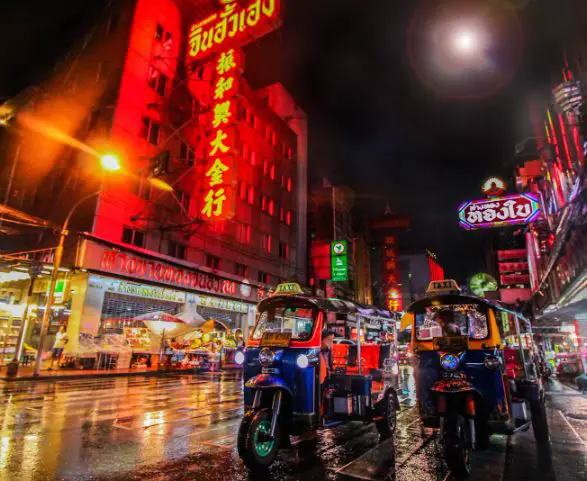
Can you recommend some basic Thai phrases for travellers?
In this article, we have included some of the easy and basic local Thai language for beginners.
Read More
What is the process for extending my stay if my treatment takes longer than expected in Canada?
Know the step-by-step process for extending your stay abroad if your medical treatment surpasses the initial timeline. Learn to manage unexpected situations with ease.
Read More
US Travel Advisory for Jamaica: Warns its travelers to reconsider visits
The US Embassy in Jamaica has issued a warning of armed robberies, home invasion, homicides, sexual assault, and other such violent crimes.
Read More
How do I handle transportation and accommodation arrangements during my medical trip?
Discover essential tips for managing transportation and accommodation arrangements seamlessly during your medical trip to Canada.
Read More