
Are there any restrictions on collecting natural items like shells or rocks?

Post ByAdequate Travel
Summary
Yes, there may be restrictions on collecting natural items such as shells or rocks, depending on where you are. In this blog post, we will explore what these restrictions may be and how to stay on the right side of the law. While planning your trip, take note of any travel restrictions that may impact your itinerary, such as limited access to certain regions or attractions.Restrictions on Collecting Natural Items
There are certain restrictions and guidelines that need to be followed when collecting natural items such as shells or rocks. These restrictions vary depending on the specific location and the laws and regulations in place. Here are some common examples:
1. Protected Areas:
In protected areas, collecting natural items may be strictly prohibited. These areas are often designated to conserve natural resources and maintain biodiversity. For instance, national parks, nature reserves, or wildlife sanctuaries usually have regulations that prohibit the collection of natural items.
2. Permits and Permissions:
In some cases, individuals may be required to obtain permits or permissions before collecting natural items. This is particularly relevant in areas with sensitive ecosystems or protected species. A permit ensures that the collection is done in a sustainable and regulated manner. For example, collecting certain shells may require a permit if they are classified as endangered or protected species.
3. Quantity Limits:
There might be restrictions on the quantity of natural items that can be collected. This is to prevent excessive gathering that can harm the environment or disturb the balance of an ecosystem. Local regulations may specify the allowed quantity for personal use or for scientific purposes.
4. Cultural or Sacred Sites:
In culturally significant or sacred areas, collecting natural items may be deemed inappropriate or disrespectful. These areas may be protected for their historical or spiritual value, and removing natural items is discouraged or prohibited.
5. Environmental Impact:
Even in areas where there are no specific restrictions, it is important to consider the potential environmental impact of collecting natural items. For instance, taking a large number of rocks from a beach can contribute to erosion and disrupt the natural habitat of coastal species.
It is crucial to always research and understand the local regulations and guidelines before collecting any natural items. This ensures responsible collecting and helps in preserving the environment for future generations.As you prepare for your journey, familiarize yourself with the specific entry requirements, including any necessary visas or documentation.Suggested Questions
- St. Bathans Jail, St. Bathans: Horror Story, History & Paranomial Activities
- City Gallery Wellington, Wellington: Horror Story, History & Paranomial Activities
- The Lake Rotoiti Hot Pools, Rotorua: Horror Story, History & Paranomial Activities
- The Ferrymead Heritage Park, Christchurch: Horror Story, History & Paranomial Activities
- The Napier Cemetery, Napier: Horror Story, History & Paranomial Activities
- First Church of Otago, Dunedin: Horror Story, History & Paranomial Activities
Questions new-zealand
You may also like
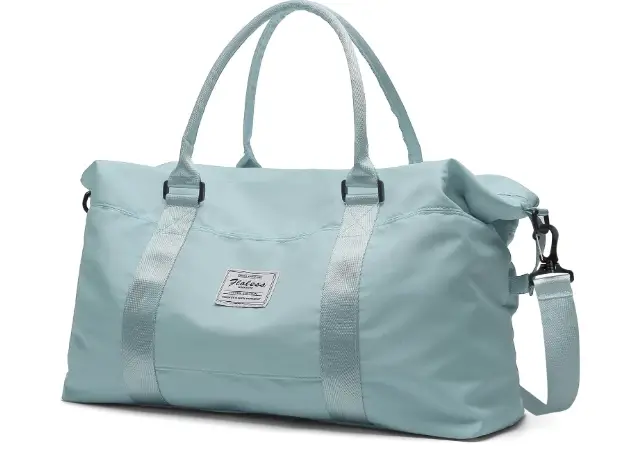
15 Best Women Travel Bags: Reviewed & Tested- Get Expert Advice
Get the list of 15 best traveling bags for women. Know the size, material, durability, and other features of the bags.
Read More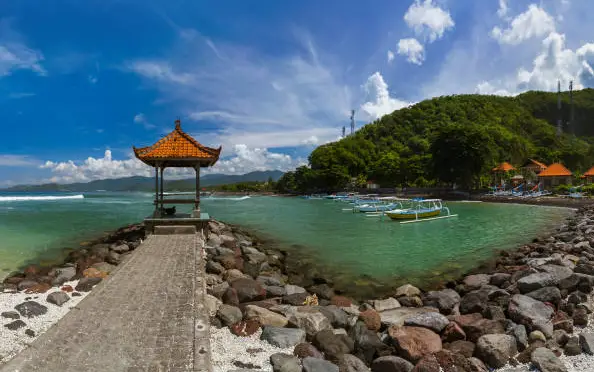
12 Best Beaches in Uluwatu | Popular Uluwatu Beaches
Discover the allure of Uluwatu Beaches. Here is the list of the 12 best beaches in Uluwatu that will let you explore the best of Uluwatu's coastal treasures.
Read More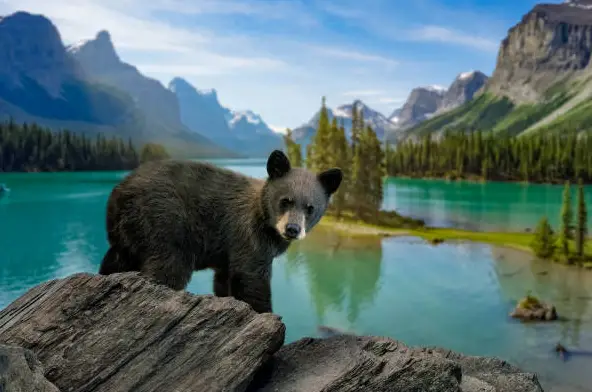
What are the best practices for responsible wildlife viewing in Canada?
Discover essential tips for responsible wildlife viewing in Canada. Respect habitats, minimize disturbances, and support conservation efforts. Start here!
Read More
Things to do in bali.
Looking for the best things to do in Bali? Here we have curated the best things and places to visit in Bali on your vacation.
Read More
Are there any eco-friendly transportation options for traveling between provinces in Canada?
From electric vehicles and buses to cycling and passenger trains, find eco-friendly ways to journey across the country. Start your green adventure today!
Read More
Are there any cultural considerations when seeking healthcare in Canada?
Let’s discuss the complexities of cultural considerations in Canadian healthcare. Explore language barriers, cultural beliefs, family dynamics, and access issues.
Read More
Can you recommend some basic Thai phrases for travellers?
In this article, we have included some of the easy and basic local Thai language for beginners.
Read More
What is the process for extending my stay if my treatment takes longer than expected in Canada?
Know the step-by-step process for extending your stay abroad if your medical treatment surpasses the initial timeline. Learn to manage unexpected situations with ease.
Read More
US Travel Advisory for Jamaica: Warns its travelers to reconsider visits
The US Embassy in Jamaica has issued a warning of armed robberies, home invasion, homicides, sexual assault, and other such violent crimes.
Read More
How do I handle transportation and accommodation arrangements during my medical trip?
Discover essential tips for managing transportation and accommodation arrangements seamlessly during your medical trip to Canada.
Read More